
Follow the Festivals

Thorrablot

Thorrablot

Reykjavik, Iceland

2027-01-23 - 2027-02-15

The Story

Festival Overview

Reykjavík's winter is defined by long darkness, ocean weather, geothermal warmth, and a cultural instinct to gather indoors. Þorrablót belongs to that season through meals that revive preserved foods associated with scarcity, farm life, and older Icelandic practice. There is no single festival compound. Restaurants present seasonal menus, while clubs, workplaces, families, and community groups hold longer feasts with speeches, songs, and brennivín. The experience ranges from culinary challenge to genuine comfort, revealing how modern Iceland negotiates heritage through humor, appetite, and conversation rather than treating tradition as an untouched relic. Beyond the table, snowy streets, public pools, and the compact downtown give the celebration a distinctly urban Icelandic frame.

Why This Festival Is Special

Food festivals usually celebrate abundance or novelty; Þorrablót asks diners to encounter survival, preservation, and cultural memory at the darkest point of the year. The challenge of certain dishes is balanced by smoked lamb, sweet rye, singing, humor, and the warmth of collective ritual. Reykjavík provides accessible interpretation without stripping the tradition of its social edge. A traveler chooses this experience to understand how Icelanders converse with the past—sometimes proudly, sometimes skeptically, and often with a joke—through a table shaped by climate.

Festival Experience

What to Expect

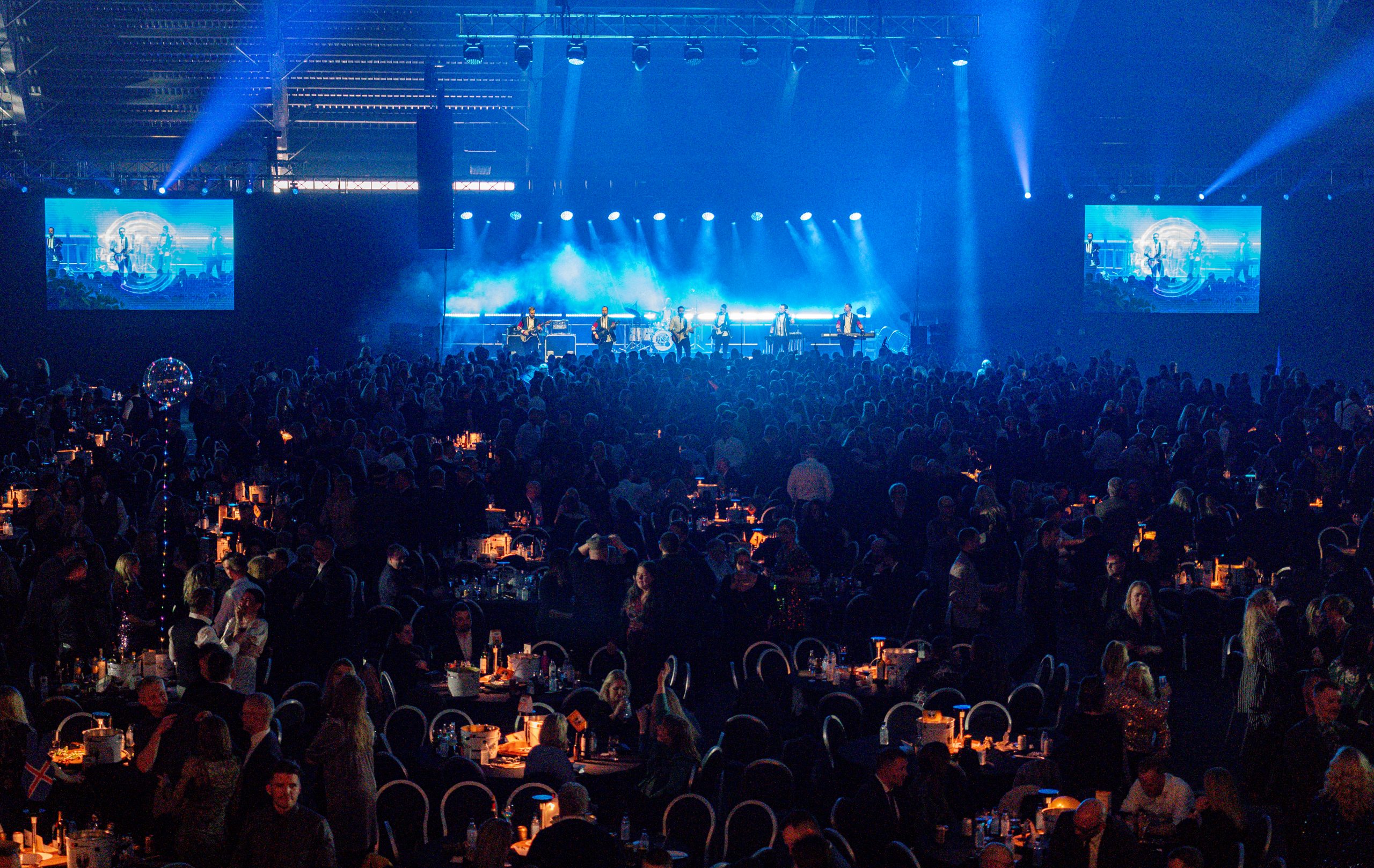
A restaurant meal may present Þorri foods as a composed tasting with explanation, allowing careful comparison in a familiar service setting. A communal blót is broader: long tables, speeches, songs, jokes, repeated toasts, and plates shared among people who already understand the tradition. Preserved shark, soured meats, sheep's head, rye bread, smoked lamb, and fish create sharp contrasts rather than a conventional progression. Curiosity is welcomed more than bravado. The richest encounter comes from listening to why people preserve, reject, reinterpret, or laugh about particular foods.

Festival Highlights

  • A shared Þorri platter placing difficult and comforting foods side by side
  • Communal singing and speeches extending dinner into cultural performance
  • Brennivín toasts punctuating a long midwinter table
  • Reykjavík restaurants interpreting heritage food for contemporary diners
  • Geothermal warmth providing a physical counterpoint to winter darkness
  • Conversation revealing which traditional dishes Icelanders cherish or challenge

Getting There & Around

Where It Happens

Seasonal restaurant menus appear around central Reykjavík, while organized blót gatherings take place in community halls, clubs, workplaces, and private settings across the capital region. Access to the latter may depend on a host, organization, or advance ticket rather than casual walk-in attendance. Downtown streets provide the natural pre-meal and post-meal sequence through cafés, museums, bars, and harbor walks. Confirm the exact venue and format before choosing clothing or transport; a polished restaurant tasting and a communal hall feast share foods but offer very different social expectations.

Getting Around

Central meals are best reached on foot when sidewalks are clear, with city buses or taxis serving outer halls and difficult weather. Wind and ice can turn a short walk into the hardest part of the evening. Check conditions before leaving, wear traction-ready footwear, and use a taxi when formal clothes are unsuited to exposure. Rides become scarce after large gatherings, so arrange the return before the final toast. A rental car is unnecessary for a city-based experience and should never be combined with brennivín. Keep the itinerary compact around one district.

Visitor Guide

Festival Food & Drink

The table preserves techniques developed before refrigeration: fermentation, smoking, drying, salting, and sour whey. Hákarl brings an ammoniac intensity, svið confronts diners with a whole sheep's head, and súrir hrútspungar carries the logic of using every edible part. Hangikjöt and rúgbrauð provide more approachable smoke and sweetness. Brennivín accompanies the ritual but should not be treated as anesthetic; tasting with attention matters more than proving toughness. Ask for small portions, combine assertive foods with bread or potatoes, and notice preservation as cultural knowledge.

Must Try
• Hákarl — Fermented shark with a powerful aroma and lingering saline flavor.
• Svið — Singed and boiled sheep's head traditionally served with simple sides.
• Hangikjöt — Smoked lamb whose savory warmth anchors the winter table.
• Rúgbrauð — Dense, slightly sweet rye bread, sometimes baked with geothermal heat.
• Brennivín — Clear caraway spirit used for measured toasts during the feast.

Budget & Costs

A restaurant tasting offers the clearest fixed cost, while ticketed hall feasts may include entertainment and several drinks. Central lodging is expensive but can eliminate winter taxis after a late gathering. Budget for one substantial heritage meal, a lighter recovery meal, pool admission, and a weather-related transport fallback. Alcohol raises the bill quickly, especially when purchased beyond included toasts. A supermarket sampling may be cheaper but lacks interpretation and social context. Spend on a knowledgeable host or well-explained menu rather than ordering the largest possible platter for spectacle.

Tips for First-Time Visitors

Seek context before novelty. A guided tasting or host who explains preservation, pronunciation, and personal associations gives the meal far more value than an anonymous plate. Taste small amounts without turning refusal or discomfort into performance. Dress warmly enough for the trip home, yet in removable layers for heated halls. Eat lightly beforehand but do not arrive hungry enough to rush. Ask before photographing a community gathering. Pair the feast with the National Museum, an old harbor walk, or a pool visit so the tradition sits within a broader understanding of Icelandic winter life.

Safety

Weather is the main operational risk: black ice, wind, snow, and cold exposure intensify after dark or alcohol. Wear boots with grip, keep outerwear accessible, and abandon a walk when conditions change. Pace brennivín with food and water, especially when unfamiliar flavors encourage fast drinking. Ask about allergens, dairy, and preparation if dietary restrictions matter. Preserved foods served by reputable venues are part of established practice, but private improvisation is unwise. Confirm the route home before the gathering and avoid driving entirely after a feast.

Cultural Significance

Modern Þorrablót draws on the old Icelandic month of Þorri and a later revival of heritage foods and national identity. Its power lies less in claims of unchanged antiquity than in active reinterpretation. Families and groups use the feast to sing, joke, remember rural practices, and debate which dishes still matter. Preserved foods make historical scarcity tangible, while the convivial format prevents the past from becoming solemn display. In the capital, the tradition connects an urban population to farming, fishing, seasonal darkness, and the resourcefulness that shaped earlier Icelandic life.

Plan Your Journey

When to Go

Plan a midwinter stay long enough to secure one formal or community feast and one restaurant tasting. Evening gatherings offer the strongest social dimension, while lunch menus allow quieter attention to individual foods. Darkness, wind, ice, and rapid weather shifts can disrupt even short transfers, so avoid stacking reservations tightly. Two or three nights provide context without requiring repeated heritage meals. Arrive with no obligation to finish every item, and balance the feast with daylight walking, a pool visit, or a lighter meal that lets the seasonal table remain meaningful rather than overwhelming.

Where to Stay

Miðborg places restaurants, bars, museums, and late returns within the easiest walking radius, balanced by higher rates and weekend noise. Vesturbær offers a residential atmosphere, harbor access, and a short walk to the center. Hlíðar provides guesthouses and practical bus connections with less nightlife outside the door. Choose downtown for a first visit or a quieter adjacent district when sleep matters after a long feast. Winter footing and wind make a seemingly small distance consequential, so direct access to the booked venue deserves more weight than a marginal room saving.

Bottom Line & Key Days

Bottom Line

The lasting impression is not the shock of fermented shark but the room around it: winter pressing against the windows, a song gathering voices, rye bread softening a difficult bite, and laughter turning inherited scarcity into fellowship. Þorrablót gives Reykjavík's polished contemporary food scene a rough historical grain. Approach the table with humility, ask what each dish means to the people serving it, and let preference remain honest. The reward is a rare meal that explains how a nation remembers hardship without allowing hardship the final word.

Key Days

Winter Arrival
Settle centrally, check walking conditions, and learn the history of Þorri before the first tasting.

Context Lunch
Begin with a guided restaurant plate where preservation methods and flavors can be discussed quietly.

Feast Evening
Join a communal table for speeches, songs, food, and measured toasts without rushing the ritual.

Geothermal Pause
Use daylight for a pool, museum, or harbor walk that broadens the winter story.

Capital Close
Finish with a contemporary Icelandic meal and reflect on how the old foods are being reinterpreted.

Ready to Experience Thorrablot?

You've explored what makes this festival special. Now it's time to plan your trip. Compare flights, book your hotel, arrange transportation, and take care of your travel essentials—all in one place.

✈ Find Flights

Loading booking widget...

Booking is completed on Expedia in a new tab.

🏨 Find Hotels

Search places to stay

Powered by Booking.com

Booking is completed on Booking.com in a new tab.

Rail & Bus Travel

Compare train and coach routes for the journey.

Compare Routes

Things to Do

Discover tours and attractions before or after the festival.

Explore Experiences

eSIM Mobile Data

Stay connected abroad without traditional roaming charges.

Get an Airalo eSIM

Travel bookings are provided by our trusted partners. We may earn a commission when you book through these links, at no additional cost to you.

Independent Editorial Standards

Every Follow the Festivals guide is independently researched and regularly reviewed using official festival information, destination resources, and trusted travel references. We also welcome verified updates from festival organizers, destination marketing organizations, tourism partners, and local experts to help keep our guides accurate, current, and useful for travelers.

Represent this festival or have a verified update to share? We'd love to hear from you through our contact page.