
Follow the Festivals

Hue Festival

Hue Festival

Hue, Vietnam

2027-06-06 - 2027-06-14

The Story

Festival Overview

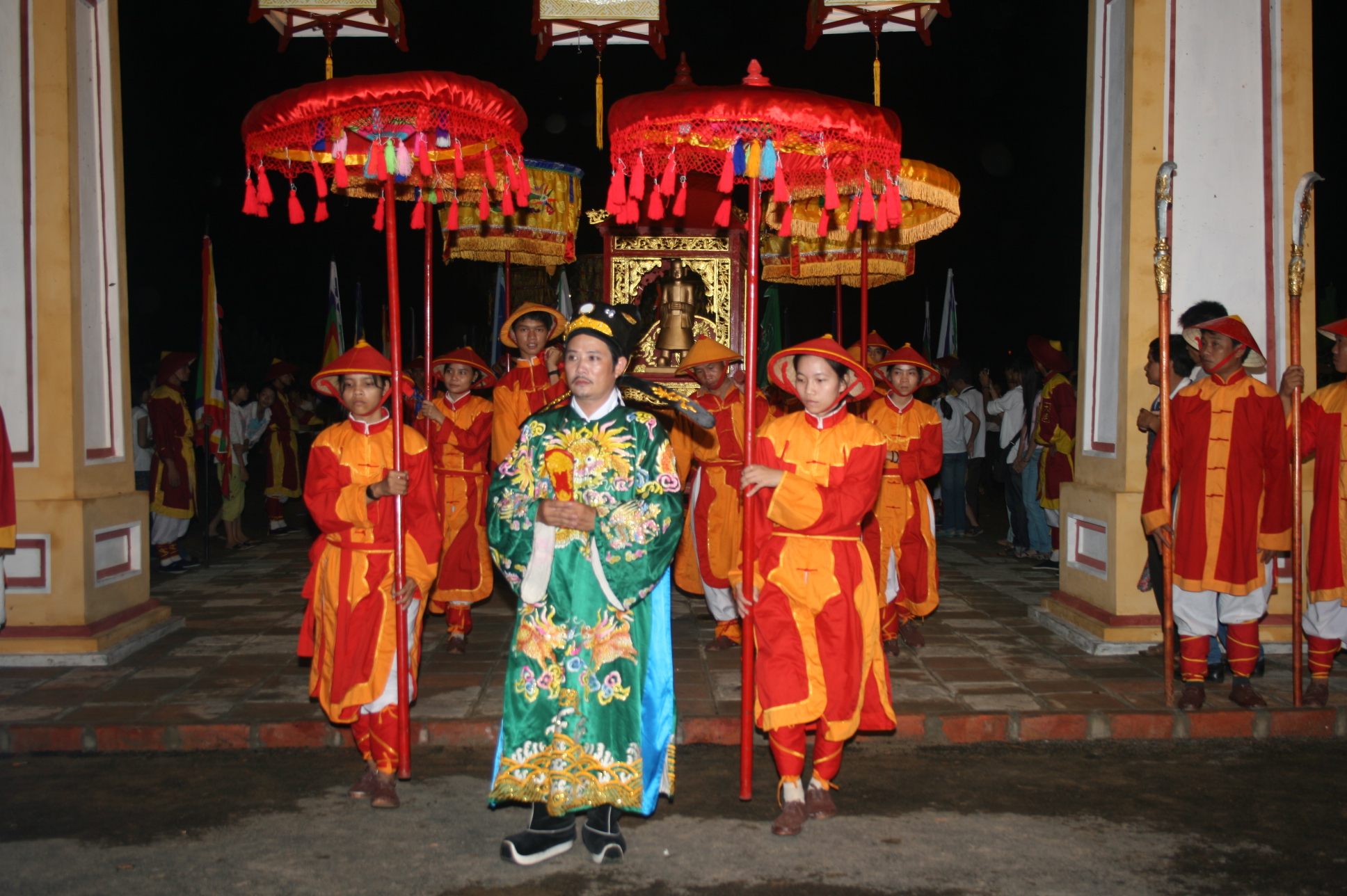
Huế carries imperial history in walls, gates, gardens, tombs, court music, cuisine, and the slow breadth of the Perfume River. Its festival activates that inheritance across the Imperial City and public spaces rather than containing culture inside museum cases. Ceremonial performance, áo dài, traditional music, contemporary art, community programs, and international exchange unfold against architecture built for the Nguyễn dynasty. The setting demands attention: a procession across a citadel gate or music heard near the river acquires meaning from the former capital around it. Huế Festival is strongest when heritage and present-day creative life remain in conversation.

Why This Festival Is Special

Heritage festivals often place performance beside historic architecture. Huế Festival draws from an entire imperial cultural system: music, ceremony, dress, cuisine, gardens, craft, the Citadel, royal tombs, and the Perfume River. The city possesses the authority to present these forms from within their landscape while inviting contemporary reinterpretation. Travelers choose Huế because the setting does more than beautify the program. It explains why the art exists, how power shaped it, and how a modern Vietnamese city continues to negotiate a royal inheritance.

Festival Experience

What to Expect

Morning favors exhibitions, craft encounters, tombs, pagodas, and the quiet architectural context needed for later performance. Afternoon heat slows movement before ceremonial events, street presentations, community programs, and contemporary work build toward evening. Inside the Imperial City, lighting and costume can create extraordinary tableaux, though sightlines and entry lines vary. Riverside areas feel more open and social. Expect overlapping programs, security checks, stone and gravel walking, formal heritage settings, and sudden rain. A complete visit pairs one courtly tradition with one contemporary or community-led program.

Festival Highlights

  • Imperial City performances using gates, courtyards, and royal architecture as active settings.
  • Nhã nhạc court music connecting sound to the ceremonial life of the Nguyễn dynasty.
  • Áo dài presentations revealing Huế's influence on Vietnamese dress and elegance.
  • Perfume River programs extending festival life beyond the citadel walls.
  • Traditional craft and village encounters linking heritage to skilled contemporary makers.
  • International artists entering dialogue with a city confident in its own cultural language.

Getting There & Around

Where It Happens

The program uses the Imperial City, public squares, theaters, heritage buildings, gardens, and Perfume River spaces across Huế. The Citadel forms the symbolic center, but riverside stages and cultural sites on both banks create substantial transfers. Historic gates and bridges narrow pedestrian flow before major events. Group one evening on the north bank and another on the south rather than crossing repeatedly. Every ticket should be matched to its exact gate, since the imperial complex contains long walls and entrances that are not interchangeable.

Getting Around

Walking and cyclo rides suit compact heritage zones, while taxis or app-based cars handle transfers among the Citadel, south-bank hotels, tombs, and outer venues. Bicycles are pleasant in quieter hours but demand confidence in traffic and rain. Trường Tiền Bridge becomes a major pedestrian and vehicle pinch point after riverfront programs. Plan north-bank and south-bank evenings separately, enter the Imperial City through the named gate, and finish near the accommodation side of the river. Boats may add atmosphere, but they should never be the only late return plan.

Visitor Guide

Festival Food & Drink

Huế cuisine is essential to understanding the former capital. Courtly refinement, Buddhist vegetarian traditions, market cooking, small portions, color, and deliberate presentation appear across the table. Eat several modest dishes rather than one large specialty, and choose a family kitchen or market counter able to explain the balance of spice, texture, and aroma. A riverside dinner belongs after the principal heritage program, not during a rushed transfer.

Mornings are best for noodles and market food; midday heat suits a quiet vegetarian meal.

Must Try
• Bún bò Huế — Rice noodles in a lemongrass-scented beef and pork broth with chili depth.
• Bánh bèo — Small steamed rice cakes topped with shrimp, scallion oil, and crisp garnish.
• Bánh khoái — Crisp turmeric pancake filled with shrimp, pork, and sprouts, served with rich sauce.
• Cơm hến — Rice with tiny clams, herbs, peanuts, crisp textures, and spicy clam broth.
• Chè Huế — A broad family of sweet soups and puddings made from beans, fruit, seeds, or lotus.

Budget & Costs

Central lodging, ticketed Imperial City programs, transport to outer heritage sites, and repeated small meals define the budget. South-bank hotels offer broad price levels and reduce restaurant transport; Citadel-side rooms may trade convenience for atmosphere. Many public programs can balance the cost of one premium performance. Reserve funds for a licensed guide or well-interpreted tomb visit, since context adds more value than indiscriminate tickets. Taxis remain affordable for planned clusters but accumulate when the river is crossed repeatedly. Spend first on location, interpretation, and one exceptional evening.

Tips for First-Time Visitors

Learn the basic geography of the Citadel, Imperial City, riverbanks, and royal tombs before selecting events. Choose one formal performance and one community or contemporary program instead of pursuing every heritage label. Dress respectfully for palaces, temples, and ceremonial settings, and avoid climbing old masonry for photographs. Carry water, rain protection, and footwear suited to stone. Eat small portions across the day so cuisine becomes part of the interpretation. Leave one unscheduled morning for a garden house, market, or pagoda beyond the festival crowd.

Safety

Heat, humidity, rain, uneven historic surfaces, traffic, and crowded gates are the main concerns. Hydrate before entering the Imperial City, use shade, and avoid leaning on fragile structures. Stone becomes slippery during sudden rain, while evening exits compress at narrow gates and bridges. Cross streets carefully; motorbike traffic may continue around pedestrian programs. Keep valuables secured and use licensed transport after late events. On river boats, wear provided flotation equipment. If weather interrupts a performance, follow staff rather than sheltering beneath unstable trees or temporary structures.

Cultural Significance

As Vietnam's former imperial capital, Huế holds traditions of court music, ritual, cuisine, dress, architecture, scholarship, and craft that remain central to national heritage. The festival gives those forms a public stage while inviting contemporary and international artists to respond. Its importance is not preservation alone. Local performers, artisans, students, and residents negotiate how royal inheritance should live in a modern city shaped by war, reconstruction, tourism, and everyday community. The event matters because heritage is treated as a source of current cultural agency rather than finished history.

Plan Your Journey

When to Go

Opening days provide the clearest ceremonial frame and the widest sense of how the citywide program connects, while middle evenings allow a calmer mix of Imperial City performance and riverside activity. Closing programs can be memorable but concentrate crowds and departures. Three nights are worthwhile; four or five allow tombs, pagodas, and cuisine to be experienced without squeezing them between stages. Central Vietnam brings heat, humidity, and possible rain, so mornings suit heritage visits and late afternoons should remain light. Huế gives the schedule its logic: history by daylight, rest, then performance after the stone has cooled.

Where to Stay

The south bank near the Perfume River offers the widest hotel and restaurant choice with easy evening access across Trường Tiền Bridge. Vỹ Dạ provides quieter garden character east of the center and short taxi rides, while lodging near the Citadel on the north bank places imperial walls close but offers fewer late dining options. Choose the south bank for convenience, the Citadel side for historic atmosphere, or Vỹ Dạ for calm. A river-adjacent base balances several venue zones better than a remote resort, especially when bridges become crowded after major performances.

Bottom Line & Key Days

Bottom Line

Huế is most persuasive when a performance changes how the city is read afterward: a gate becomes ceremonial space, a river crossing recalls imperial geography, or a small dish reveals the discipline of courtly taste. Do not rush from monument to stage. Let architecture, food, and contemporary voices correct one another. The festival deserves the journey because the former capital does not simply display heritage; it asks what that inheritance can still mean in living Vietnamese culture.

Key Days

River Arrival

Settle on the chosen bank and learn the bridge, Citadel gate, and evening return routes.

Imperial Morning

Explore architecture and court history before attending a formal performance.

Cultural Evening

Pair traditional music or dress with one contemporary or international program.

Riverside Peak

Keep the route on one bank as public crowds gather around major stages.

Reflective Departure

Use a final morning for cuisine, a pagoda, garden house, or quiet river walk.

Ready to Experience Hue Festival?

You've explored what makes this festival special. Now it's time to plan your trip. Compare flights, book your hotel, arrange transportation, and take care of your travel essentials—all in one place.

✈ Find Flights

Loading booking widget...

Booking is completed on Expedia in a new tab.

🏨 Find Hotels

Search places to stay

Powered by Booking.com

Booking is completed on Booking.com in a new tab.

Rail & Bus Travel

Compare train and coach routes for the journey.

Compare Routes

Things to Do

Discover tours and attractions before or after the festival.

Explore Experiences

eSIM Mobile Data

Stay connected abroad without traditional roaming charges.

Get an Airalo eSIM

Travel bookings are provided by our trusted partners. We may earn a commission when you book through these links, at no additional cost to you.

Independent Editorial Standards

Every Follow the Festivals guide is independently researched and regularly reviewed using official festival information, destination resources, and trusted travel references. We also welcome verified updates from festival organizers, destination marketing organizations, tourism partners, and local experts to help keep our guides accurate, current, and useful for travelers.

Represent this festival or have a verified update to share? We'd love to hear from you through our contact page.