
Follow the Festivals

Wacken Open Air

Wacken Open Air

Wacken, Germany

2027-07-28 - 2027-07-31

The Story

Festival Overview

Wacken is normally a small Schleswig-Holstein village surrounded by flat farmland, but heavy metal remakes that landscape into a temporary city of stages, camps, mud, flags, and shared ritual. The scale is enormous without erasing the rural setting: village streets, fields, and long footpaths remain visible beneath the machinery of a global event. Fans arrive with patched jackets and established traditions, creating a social world before the first major set. The journey matters because the place feels improbable, a quiet northern community becoming metal's most recognized pilgrimage site for several thunderous days. Even before the gates, accents, band shirts, and improvised camps announce that the surrounding countryside has entered a different cultural season.

Why This Festival Is Special

Major metal festivals can match the lineup, but few can reproduce the collision between a tiny rural village and a fan-built city of global importance. The fields, camps, mud, long walks, local cooperation, and scene-wide rituals create continuity across years and nationalities. Music remains central, yet belonging is the deeper draw: strangers recognize the same visual codes and share practical help before introductions are complete. Wacken is chosen not for comfort or efficiency, but for the rare experience of seeing an entire subculture construct its symbolic capital from farmland.

Festival Experience

What to Expect

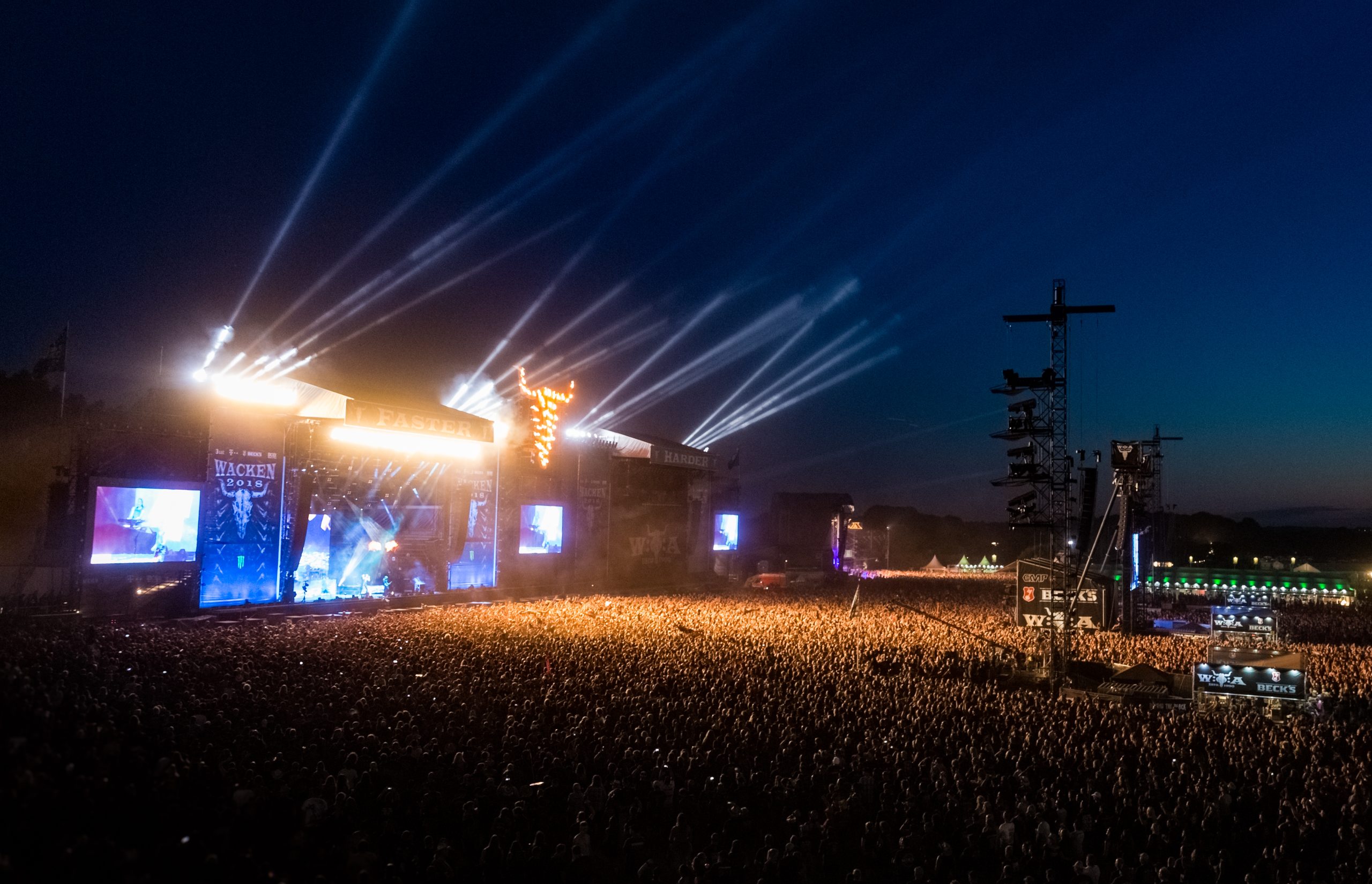
Arrival begins with unloading, tent construction, and the slow creation of neighborhood life across open fields. Daytime divides between smaller stages, merchandise, food, camp conversation, and strategic rest. Toward evening, foot traffic draws hard toward the main arena; headline sets produce flags, fire, mass singing, and a crowd whose physical scale is difficult to grasp from recordings. Afterward, the festival stretches back through muddy walks and campsite gatherings until morning. Weather, distance, noise, and limited sleep make stamina part of the program, so disciplined pacing protects musical attention.

Festival Highlights

  • Main-stage darkness broken by fire, flags, and a vast metal crowd
  • Campsites becoming self-made neighborhoods with their own rituals
  • International fans sharing genre knowledge across language barriers
  • Smaller stages revealing bands beyond the headline hierarchy
  • Wacken village remaining visible inside the festival's global scale
  • The long post-show walk turning performance energy into camp camaraderie

Getting There & Around

Where It Happens

Performance grounds and vast camping fields spread around the village, connected by fenced approaches, service roads, markets, beer gardens, and pedestrian corridors that can take far longer to cross than expected. The main stages concentrate evening crowds, while camps develop their own identities through flags, sound systems, shared meals, and improvised landmarks. Wacken village remains part of the geography rather than a decorative label. Learn one dependable route between camp and arena in daylight, photograph the nearest numbered marker, and avoid treating every shortcut across farmland as an established path.

Getting Around

Travel to the region by rail and event shuttle, organized coach, or a carefully timed drive; the final rural segment creates the largest bottleneck. Once camp is established, walking is the only dependable method between most areas. Distances are substantial, mud changes route speed, and arena entry can add another queue. Group equipment should be moved with an approved cart before the grounds become dense. Mark the camp precisely, keep an offline map, and choose meeting points away from stage exits. Departure drivers need genuine sleep before joining slow country roads.

Visitor Guide

Festival Food & Drink

Food must sustain long walks, changing weather, and nights that extend well beyond the final set. Bratwurst, schnitzel, fried potatoes, and breakfast rolls provide practical fuel, while vegetarian counters and international stalls broaden the field menu. Campsite cooking creates its own culture, but fire and stove rules deserve strict attention. Beer is woven into the social scene; water, electrolytes, and a real breakfast prevent that ritual from undermining the music. Eat before the headline migration begins, when queues and travel time are easier to manage.

Must Try
• Bratwurst — Grilled German sausage served in a roll with mustard.
• Schnitzel — Breaded cutlet offering substantial fuel between long stage sessions.
• Kartoffelpuffer — Crisp potato pancakes suited to fast outdoor eating.
• Frühstücksbrötchen — Breakfast roll filled with cheese, meat, or egg before the first trek.
• Northern German beer — Regional lager or pilsner paced with water throughout the day.

Budget & Costs

The ticket is only one part of the cost. Camping equipment, transport to rural Schleswig-Holstein, food, lockers, showers or supported facilities, merchandise, and a recovery night can equal or exceed admission. Camp sharing reduces equipment and meal expense, while a hotel adds comfort but also daily transport. Reserve money for replacement rain gear and an emergency departure rather than spending the full allowance on merchandise immediately. A practical budget prioritizes reliable shelter, boots, hydration, and travel first; the festival becomes miserable quickly when essential preparation is sacrificed for a cheaper setup.

Tips for First-Time Visitors

Test the tent before traveling and prepare for rain, heat, wind, and cold nights in the same packing list. Waterproof boots, spare socks sealed in bags, ear protection, a headlamp, and a portable battery are essential. Raise bedding above ground moisture and identify medical, water, and sanitation points on arrival. Build the music plan around a few priorities instead of continuous stage switching. Flags help locate camp but should not block others. Respect village property, follow fire restrictions, and introduce yourself to neighbors before anyone needs help during bad weather.

Safety

Crowd pressure near headline stages, dehydration, hearing damage, mud, tent hazards, and exhaustion are the principal risks. Use earplugs, drink water before thirst becomes obvious, and leave dense areas through established flows. Guy lines and uneven ground become difficult after dark, so carry a light. Never operate a stove inside a tent or ignore posted fire rules. Secure valuables against rain and theft, know the medical point, and establish a group check-in routine. Anyone driving away should sleep properly, even if that requires another night beyond the final performance.

Cultural Significance

The gathering holds unusual authority within global metal culture because it joins genre history, fan identity, and a specific village landscape. Attendance functions as pilgrimage, reunion, and proof of belonging for people whose music communities may remain marginal at home. Local cooperation also matters: residents, farmers, volunteers, and businesses help support a temporary population that dwarfs the village. The event demonstrates metal's capacity for international fellowship without sanding away its theatrical aggression. Its mythology rests as much on mud, camp humor, and collective endurance as on any lineup.

Plan Your Journey

When to Go

Arrive during the camping build rather than on the main performance morning. The extra night provides time to establish shelter, learn the vast grounds, and meet neighboring camps before schedules become demanding. Opening performances offer discovery and easier movement; headline nights bring maximum spectacle and the longest walks. Rain can transform fields quickly, while sun makes shade scarce. Three or four nights reveal the full communal rhythm. Protect one lighter afternoon for recovery, and leave departure flexible because packed roads, exhausted drivers, and soft ground can slow the final exit.

Where to Stay

Camping supplies the defining experience, placing the traveler inside the temporary metal settlement and removing daily transfers, with noise, weather, sanitation, and long walks as the cost. Reserved or supported camping adds infrastructure for those unwilling to manage every detail. Hotels in Itzehoe or larger regional towns provide beds and showers but require shuttle or organized transport and sacrifice late campsite life. Hamburg suits a wider city visit, not daily commuting. Choose the field for immersion or a regional base for physical recovery, and settle the transport contract before tickets and rooms tighten.

Bottom Line & Key Days

Bottom Line

The defining memory may arrive after the encore, when stage fire has faded and thousands of people walk through dark fields toward flags marking temporary homes. Wacken Open Air earns its legendary status through that union of monumental performance and campsite fellowship. Prepare seriously enough that mud, distance, and lost sleep do not consume the music, then participate in the community rather than observing it from the edge. For metal travelers, the village offers something no arena tour can: a place where the scene briefly becomes a complete world.

Key Days

Field Arrival
Reach the grounds early enough to build shelter, mark the camp, and learn essential routes in daylight.

Community Opening
Explore smaller stages, market areas, and neighboring camps before the headline schedule tightens.

Arena Build
Eat, hydrate, and move toward the principal stages before the evening crowd surge.

Metal Peak
Commit to the most important performance with ear protection and a fixed group meeting point.

Village Departure
Rest fully, pack the site responsibly, and allow rural traffic and soft ground to set the pace.

Book Your Festival Trip

You've explored what makes this festival special. Now it's time to plan your trip. Compare flights, book your hotel, arrange transportation, and take care of your travel essentials—all in one place.

Tickets

Check current ticket availability and prices.

Check Tickets →

✈ Find Flights

Loading booking widget...

Booking is completed on Expedia in a new tab.

🏨 Find Hotels

Search places to stay

Powered by Booking.com

Booking is completed on Booking.com in a new tab.

Rail & Bus Travel

Compare train and coach routes for the journey.

Compare Routes

Things to Do

Discover tours and attractions before or after the festival.

Explore Experiences

eSIM Mobile Data

Stay connected abroad without traditional roaming charges.

Get an Airalo eSIM

Travel bookings are provided by our trusted partners. We may earn a commission when you book through these links, at no additional cost to you.

Independent Editorial Standards

Every Follow the Festivals guide is independently researched and regularly reviewed using official festival information, destination resources, and trusted travel references. We also welcome verified updates from festival organizers, destination marketing organizations, tourism partners, and local experts to help keep our guides accurate, current, and useful for travelers.

Represent this festival or have a verified update to share? We'd love to hear from you through our contact page.