
Follow the Festivals

deadCenter Film Festival

deadCenter Film Festival

Oklahoma City, United States

2027-06-11 - 2027-06-15

The Story

Festival Overview

Oklahoma City’s broad downtown streets, art institutions, hotels, and Bricktown nightlife become a connected film district during deadCenter.

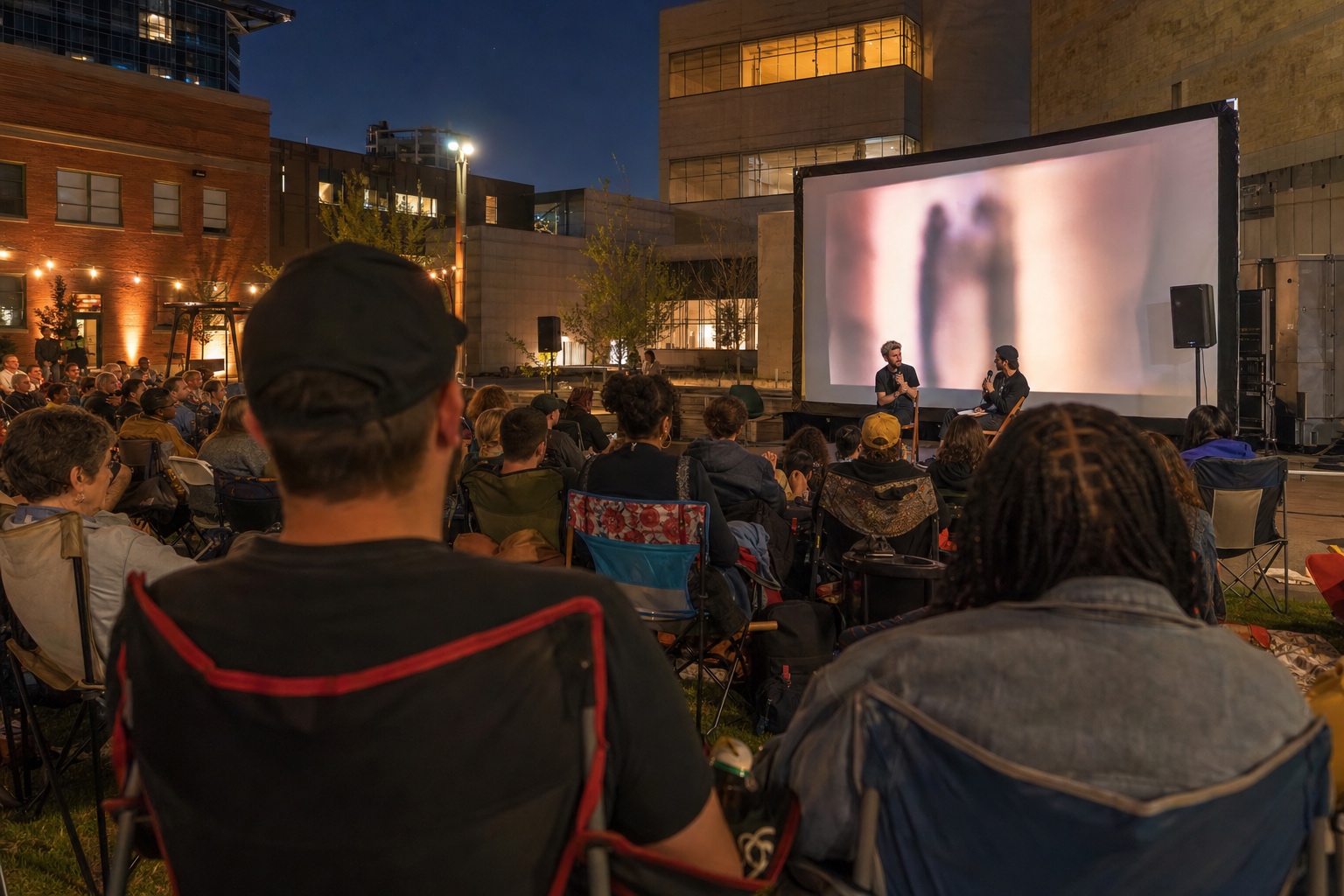
Screenings and filmmaker conversations center the day, but the festival’s character develops in the spaces between them: a discussion continuing outside the Oklahoma City Museum of Art, badge holders comparing notes in a lobby, or an evening audience walking toward dinner after a premiere.

The scale is large enough to bring regional, national, and international work together yet compact enough for directors and viewers to encounter one another repeatedly. Oklahoma-made films remain visible within that wider program, grounding the event in a city whose creative identity is often overlooked.

Here, downtown is not merely a collection of venues; it is the conversational tissue of the festival.

Why This Festival Is Special

deadCenter distinguishes itself through repeated contact between filmmakers, audiences, and a downtown that remains easy to read. Oklahoma-made work receives a meaningful platform beside visiting films, shorts are treated as complete artistic statements, and post-screening conversations often continue into lobbies or nearby restaurants.

Larger film festivals can make discovery feel transactional; here, the compact geography allows one director, volunteer, or fellow viewer to reappear across the weekend. That continuity turns Oklahoma City into an active participant in the program and gives emerging work a public life beyond a single screening.

Festival Experience

What to Expect

Morning screenings begin with quieter lobbies and the easiest conversations, followed by a midday flow of features, documentaries, and shorts across downtown rooms. Filmmaker questions and answers can continue beyond the listed runtime, making an empty slot more useful than a perfectly packed schedule.

By evening, premiere lines grow, hotel lounges become meeting points, and audiences move toward Bricktown or nearby restaurants after the final credits. Oklahoma-made work appears beside visiting productions, while shorts receive serious attention rather than functioning as filler.

Expect heat between venues, cold theater air, and the possibility that a thunderstorm briefly changes the route without diminishing the day’s filmgoing.

Festival Highlights

  • Opening-night screenings bringing filmmakers and audiences into downtown Oklahoma City.
  • Questions and answers that let directors explain process directly.
  • Oklahoma-made films appearing beside national and international work.
  • Short walks among theaters, galleries, and festival gatherings.
  • Documentaries and shorts receiving the same conversational attention as features.
  • Late downtown events where the film community continues offscreen.

Getting There & Around

Where It Happens

Most of deadCenter is experienced on a compact downtown loop rather than at one isolated venue. Downtown Oklahoma City is the working festival district, with the Oklahoma City Museum of Art serving as a key screening and meetup point, while hotel lobbies in the downtown core pick up the in-between traffic of badge holders comparing schedules, waiting on friends, or stretching a conversation after a Q&A.

From there, Bricktown sits close enough to function as the natural after-hours extension of the day, so an attendee might spend the afternoon moving between screenings downtown and then drift toward Bricktown once the evening program lets out.

Getting Around

Walking connects many downtown screenings, and the streetcar extends that loop toward Bricktown and Midtown when heat, distance, or an evening meal makes the extra help useful.

Drivers should park once rather than chasing spaces near each venue; garages simplify the day but require enough time after popular nighttime programs. Leave a generous interval for any transfer that crosses the streetcar loop, and keep an indoor route or rain layer ready when thunderstorms develop. A practical sequence begins near the museum and central venues, moves toward Bricktown for dinner, and ends close to the hotel or final ride. That plan reduces late backtracking across wide downtown blocks.

Visitor Guide

Festival Food & Drink

The schedule favors meals with clear timing: coffee before the first screening, a substantial lunch during a deliberate gap, and dinner near the final venue rather than across downtown. Oklahoma City’s onion burgers, barbecue, and chicken-fried steak provide regional substance, while Bricktown and Midtown offer enough variety for a lighter reset between several hours in dark theaters. The important planning decision is to protect one real meal instead of depending on concession food throughout the day.

Late filmmaker gatherings can extend the evening, so food should precede cocktails or local beer. A table shared with other viewers often becomes part of the festival’s conversational character, especially when a documentary or shorts program is still being debated.

Must Try
• Onion burger — Beef smashed with thin onions on a griddle until deeply browned.
• Chicken-fried steak — Breaded beef cutlet fried and served beneath cream gravy.
• Barbecue brisket — Slow-smoked beef sliced with a dark bark and tender center.
• Fried okra — Sliced okra breaded and fried until crisp.
• Pecan pie — A sweet custard pie filled with toasted pecans.

Budget & Costs

Pass choice and downtown lodging determine most of the total. A central hotel costs more than an outer room but reduces parking, rideshare use, and the friction of returning after late conversations.

Single tickets can control spending for a one-day visit, while a pass becomes more useful across several screenings if enough space remains to enjoy it.

Meals range from quick coffee and an onion burger to a longer Bricktown dinner; drinks after premieres are the easiest expense to underestimate. Budget for one flexible film choice and one proper meal each day rather than purchasing a schedule so dense that paid admissions are missed.

Tips for First-Time Visitors

Leave breathing room between screenings instead of booking every slot back to back, because the good part of this festival is often the stretch after a film when a Q&A runs long or a conversation starts in the lobby.

If you have an evening premiere on your list, get into the downtown core early rather than trying to time it exactly, since traffic and parking get more annoying before night programs.

Keep Bricktown in mind for the break between an afternoon screening and a later one, but do not cut things too close if you need to get back downtown for a popular title. June in Oklahoma City can feel hot and bright in the middle of the day, then flip into a thunderstorm, so dress for air-conditioned theaters but carry what you need for a warm walk outside.

Safety

June heat, abrupt thunderstorms, crowded pre-show lines, and late Bricktown departures create the practical risks. Carry water, protect against sun during midday walks, and keep a light layer for strongly air-conditioned theaters.

When weather turns, wait inside rather than rushing across exposed streets to save a few minutes.

Evening crowds can slow streetcar boarding and rideshare pickups, so identify the final stop and meeting point before entering the last screening. Wide downtown roads still carry traffic after festival programs end; use marked crossings and resist reading the schedule while stepping off the curb.

Cultural Significance

deadCenter gives Oklahoma filmmakers and visiting artists a visible downtown platform while bringing audiences into direct conversation with the people behind the work. The festival strengthens the city’s identity as a creative center.

Oklahoma City’s compact downtown lets emerging filmmakers be encountered as working artists rather than distant names. Audience attention, local sponsorship, and volunteer labor help new work find a public life.

Plan Your Journey

When to Go

The central weekend offers the broadest screening choice and the liveliest filmmaker presence, while opening night supplies ceremonial energy and closing day feels more reflective. Popular evening programs can fill early, and June heat or thunderstorms complicate tightly timed walks between air-conditioned rooms.

Two or three days are worthwhile because questions and answers often run long and the most memorable discovery may replace a previously chosen film. A one-day visitor should combine one Oklahoma-made selection, one shorts program, and one feature with a scheduled conversation. That mix reveals deadCenter’s local commitment and downtown intimacy more clearly than chasing only the largest premiere.

Where to Stay

Downtown Oklahoma City is the most useful base, keeping major screening rooms, hotel gatherings, restaurants, and the streetcar within a walkable loop.

Bricktown suits travelers who want abundant evening dining and an easy continuation after the final film, though daytime venues may require a longer walk or streetcar ride. Midtown provides independent restaurants and a more residential atmosphere with a short transit connection into the festival core.

Choose downtown for the fewest transfers, Bricktown for nightlife, or Midtown for neighborhood character. In summer heat and sudden rain, the value of a short return to the hotel becomes greater than the map initially suggests.

Bottom Line & Key Days

Bottom Line

The lasting image is not a red carpet but a theater door opening onto downtown, where the film continues through conversation, heat, rain, and the walk toward the next room. deadCenter gives Oklahoma City a temporary cinematic commons without erasing the local artists and institutions that sustain it year-round.

Leave an empty slot in the schedule: the director met after a short, the Oklahoma story chosen on impulse, or the Bricktown discussion after midnight may become the reason the journey remains vivid.

Key Days

Downtown Screen Test

Collect the pass and walk the Oklahoma City venue loop.

Opening Feature

Begin with a film whose conversation can anchor the day.

Filmmaker Exchange

Stay for questions and continue respectfully outside the theater.

Festival Night

Choose one gathering rather than treating every event as mandatory.

Closing Frame

Finish with a final screening and a downtown meal after the credits.

Ready to Experience deadCenter Film Festival?

You've explored what makes this festival special. Now it's time to plan your trip. Compare flights, book your hotel, arrange transportation, and take care of your travel essentials—all in one place.

✈ Find Flights

Loading booking widget...

Booking is completed on Expedia in a new tab.

🏨 Find Hotels

Search places to stay

Powered by Booking.com

Booking is completed on Booking.com in a new tab.

Rail & Bus Travel

Compare train and coach routes for the journey.

Compare Routes

Things to Do

Discover tours and attractions before or after the festival.

Explore Experiences

eSIM Mobile Data

Stay connected abroad without traditional roaming charges.

Get an Airalo eSIM

Travel bookings are provided by our trusted partners. We may earn a commission when you book through these links, at no additional cost to you.

Independent Editorial Standards

Every Follow the Festivals guide is independently researched and regularly reviewed using official festival information, destination resources, and trusted travel references. We also welcome verified updates from festival organizers, destination marketing organizations, tourism partners, and local experts to help keep our guides accurate, current, and useful for travelers.

Represent this festival or have a verified update to share? We'd love to hear from you through our contact page.