
Follow the Festivals

Northwest Folklife Festival

Northwest Folklife Festival

Seattle, United States

2027-03-12 - 2027-03-12

The Story

Festival Overview

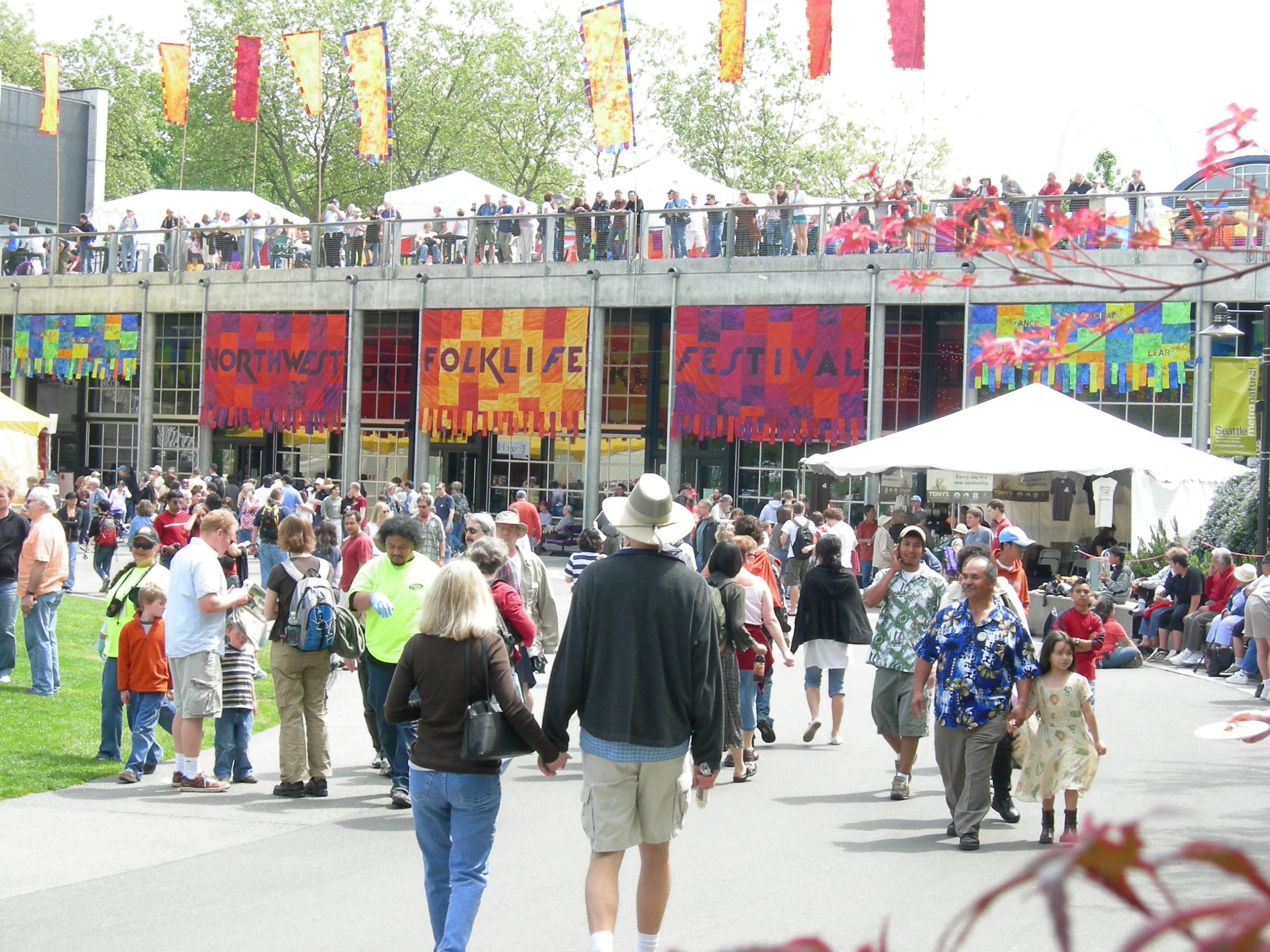
Seattle Center becomes a living map of Pacific Northwest communities during Northwest Folklife, with music, dance, storytelling, craft, food, and participatory traditions unfolding beneath the Space Needle. The program is defined less by celebrity than by cultural bearers: immigrant groups, Indigenous artists, labor musicians, dancers, families, and neighborhood organizations presenting practices sustained beyond the festival weekend. Stages and workshops invite listening and participation, while the city's public transit and dense urban setting keep access broad. Rain or sun may change the paths, but the event's essential character remains communal, multigenerational, and proudly resistant to a single definition of regional identity.

Why This Festival Is Special

No single stage controls Northwest Folklife. A music set can lead into a participatory dance, heritage demonstration, craft conversation, or informal gathering at the International Fountain, allowing communities rather than headliners to determine the route. That decentralized structure distinguishes the weekend from celebrity-led urban festivals. Seattle Center becomes a shared civic campus where cultural authority rests with practitioners, and travelers gain value by following one tradition deeply while remaining open to unexpected exchanges across the grounds.

Festival Experience

What to Expect

Late morning into early afternoon, people arrive at Seattle Center, check what is happening where, and start choosing between stages and indoor rooms. By afternoon, the festival feels fullest, with overlapping performances, dance showcases and participatory social dance, community presentations, and marketplace browsing all happening at once. You might spend one hour standing near a music stage, the next inside a workshop or demonstration, then regroup near the International Fountain area before heading to another set. Late afternoon into evening, larger music programs tend to hold people in place longer, while the paths between venues fill up again as sets end and the next one starts.

Festival Highlights

  • An Indigenous artist grounding the weekend in the region's first cultural histories
  • A community dance inviting participation after clear instruction and context
  • Immigrant musicians carrying language and memory into a central civic space
  • A craft demonstration revealing skill transmitted across generations
  • Labor, maritime, or protest songs connecting folklore with social history
  • Seattle Center becoming a multigenerational gathering rather than a tourism landmark

Getting There & Around

Where It Happens

Across Seattle Center, the festival uses the campus as a walkable circuit rather than a single venue. You might start in Fisher Pavilion for dance activity, cut over to the Armory at Seattle Center for food or an indoor program, then drift back out toward the International Fountain area, which works as an easy landmark and meetup spot when groups split up. Between those anchors, indoor halls and outdoor stages across the campus keep pulling people in different directions, so the experience is built around short walks, quick decisions, and constant movement along the main paths between rooms, lawns, and performance spaces.

Getting Around

Walking is primary inside Seattle Center, supported by light rail, monorail, buses, bicycles, and rideshare outside crowded approaches. Driving creates parking expense and event traffic. Enter from the side nearest the first program, then move progressively among stages rather than crossing the campus repeatedly. Save workshop rooms because indoor spaces may be less visible than main stages. Rain slows paths and fills covered areas. After evening dances, use active transit routes and let pickup congestion ease. Families should choose one permanent meeting landmark before the afternoon crowd expands. Allow extra time when a major performance releases several indoor and outdoor audiences onto the same paths.

Visitor Guide

Festival Food & Drink

Food should reinforce the region's cultural diversity rather than collapse it into generic concessions. Salmon, teriyaki, pho, dumplings, fry bread, coffee, and berry desserts reflect different histories around the city. Ask vendors about community connections, eat before peak queues, and use shared portions to explore responsibly. One meal cannot represent every tradition.

Must Try
• Pacific salmon — Regional fish grilled, smoked, or roasted with careful sourcing.
• the city-style teriyaki — Grilled meat with sweet-savory sauce, rice, and salad.
• Pho — Vietnamese noodle soup with aromatic broth, herbs, and meat or vegetables.
• Dumplings — Filled dough steamed, boiled, or fried across many community traditions.
• Coffee — Locally roasted coffee suited to a cool or rainy festival morning. Marionberry desserts and local shellfish provide additional Northwest context, while a market meal beyond the grounds can connect festival discovery with the city's everyday table.

Budget & Costs

This can be a fairly manageable the city day if you treat it as a roam-and-snack festival rather than a full sit-down outing. Food spending clusters around the Armory at the civic campus and nearby vendors, where costs can add up if you graze all afternoon. The bigger expense is often getting there: parking around the civic campus can be frustrating and pricey on a busy festival day, so using the city transit and then walking in can save both money and time. If you stay for evening sets, budget for one more round of food or coffee instead of assuming a quick in-and-out visit.

Tips for First-Time Visitors

Pick one or two performances, then leave room to wander. This festival rewards curiosity more than strict planning, and some of the best stops are the ones you find while crossing the civic campus between scheduled sets. If the weather looks gray, spend more time around Fisher Pavilion and the Armory at the civic campus, since covered and indoor spaces become more appealing fast. The International Fountain area makes an easy meeting spot if your group splits up, and it helps to set that plan early because phone coordination gets annoying once everyone is moving between stages.

Safety

The main issues are simple ones: slow-moving walkways between the civic campus venues, packed pockets near stage fronts, and the city weather that can turn cool or wet even when the day starts comfortably. Keep an eye on your meeting plan if you are with kids or a group, especially around the International Fountain area where people tend to gather and wait for each other. Give yourself extra time if you are driving, since the perimeter around the civic campus can back up, and carry a light waterproof layer so a passing shower does not cut your day short.

Cultural Significance

This civic gathering is culturally important because communities represent their own living traditions in a major public space without requiring commercial celebrity. The festival recognizes folklore as current practice: songs, dances, crafts, stories, languages, and social customs adapted across migration and generations. Indigenous presence and the Pacific Northwest's many diasporas complicate any narrow regional narrative. Free public access broadens participation, while workshops turn spectators into learners. Its value lies in cultural agency, exchange, and continuity rather than presenting heritage as a static performance for outsiders.

Plan Your Journey

When to Go

Devote one full day and return for a second half day if workshops or evening dances matter. Morning offers easier navigation and family programming, afternoon carries the widest cultural overlap, and evening brings social dance and concentrated music. Memorial Day weather may be bright, cool, or rainy. One day captures breadth but encourages superficial sampling. Two visits allow one tradition to be followed through performance, workshop, and conversation. Arrive before lunch, study the program by cultural interest rather than stage fame, and leave room for participation instead of spending the entire day walking.

Where to Stay

Lower Queen Anne places the civic campus, restaurants, and evening programs within a short walk; choose it for access, accepting event rates. Belltown connects the festival to downtown and the waterfront with an uphill return. South Lake Union offers modern hotels and transit, while Capitol Hill adds nightlife through light rail and monorail connections. A room near the civic campus is useful for families and dancers needing a break. Outer lodging can work on direct transit, but parking near the grounds is poor value during a major public weekend.

Bottom Line & Key Days

Bottom Line

Northwest Folklife is most powerful when a passerby stops for an unfamiliar tradition, learns its context, and then joins a dance or workshop with humility. Choose depth over coverage and let the communities, not the Space Needle, define the day. Seattle deserves the journey because the festival makes regional identity audible as many voices negotiating shared public space. The final memory is participation: culture surviving not behind glass, but through people teaching, listening, practicing, and welcoming others into responsible attention.

Key Days

Center Arrival
Enter early, choose a meeting landmark, and map one cultural theme across the program.

Community Morning
Begin with family, storytelling, craft, or language programs before paths become crowded.

Folklife Peak
Follow performances and food with enough context to avoid superficial sampling.

Participatory Evening
Join a workshop or social dance only after learning its etiquette and meaning.

Seattle Close
Finish with one final community performance and an unhurried transit departure.

Ready to Experience Northwest Folklife Festival?

You've explored what makes this festival special. Now it's time to plan your trip. Compare flights, book your hotel, arrange transportation, and take care of your travel essentials—all in one place.

✈ Find Flights

Loading booking widget...

Booking is completed on Expedia in a new tab.

🏨 Find Hotels

Search places to stay

Powered by Booking.com

Booking is completed on Booking.com in a new tab.

Rail & Bus Travel

Compare train and coach routes for the journey.

Compare Routes

Things to Do

Discover tours and attractions before or after the festival.

Explore Experiences

eSIM Mobile Data

Stay connected abroad without traditional roaming charges.

Get an Airalo eSIM

Travel bookings are provided by our trusted partners. We may earn a commission when you book through these links, at no additional cost to you.

Independent Editorial Standards

Every Follow the Festivals guide is independently researched and regularly reviewed using official festival information, destination resources, and trusted travel references. We also welcome verified updates from festival organizers, destination marketing organizations, tourism partners, and local experts to help keep our guides accurate, current, and useful for travelers.

Represent this festival or have a verified update to share? We'd love to hear from you through our contact page.