
Follow the Festivals

Pan-Pacific Festival

Pan-Pacific Festival

Honolulu, United States

2027-04-17 - 2027-04-19

The Story

Festival Overview

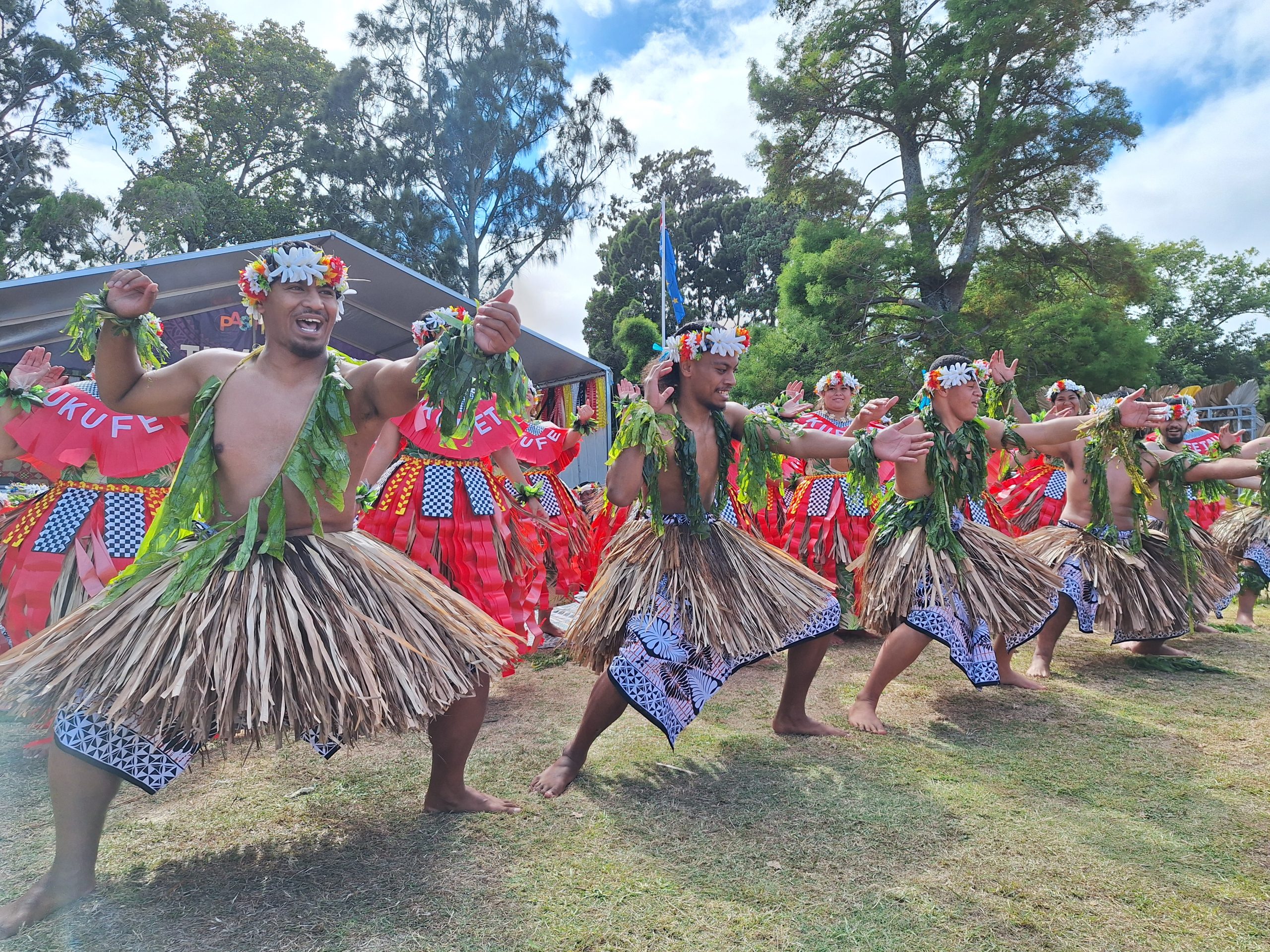
Waikīkī is usually framed as a visitor playground, but the Pan-Pacific Festival turns its avenues and public spaces into a meeting ground for communities from across the ocean. Dance ensembles, musicians, ceremonial groups, artists, and families bring Japanese and wider Pacific traditions into the open air, where hotel towers, palm trees, and the slopes of Diamond Head form an unmistakably Honolulu backdrop. The festival moves between stages, cultural presentations, food, and a major street procession, allowing travelers to encounter performance at both intimate and civic scale. Taiko can reverberate between buildings; dancers wait in brilliant costume beside ordinary beachgoers; local residents and visiting groups share curb space. The result is festive without losing the sense of cultural exchange beneath it. Honolulu does not disappear behind the program. Its history as a Pacific crossroads—complex, multilingual, and shaped by migration—provides the reason this gathering feels different from a generic international showcase.

Why This Festival Is Special

Travelers choose the Pan-Pacific Festival because Pacific community performance takes over Waikīkī rather than retreating into a convention hall. The setting creates a productive contrast: highly disciplined dancers and drummers, local families, international performers, and beach visitors all share the same public avenue. Honolulu's historical ties with Japan and its wider regional identity give those encounters depth that a traveling cultural showcase would lack. The major procession supplies scale, but the quieter distinction lies in moving between booths and stages where specific traditions remain named and visible. It is Waikīkī briefly functioning as a civic Pacific crossroads instead of only a resort district.

Festival Experience

What to Expect

Expect a public cultural festival with many short focal points rather than one dominant headline stage. Dance, taiko, music, martial arts, and community presentations create shifting clusters throughout the day, while booths offer craft, information, and conversation between sets. The major procession changes the scale, filling a Waikīkī avenue with costumes, banners, rhythmic movement, and tightly packed spectators. Families and travelers circulate freely, so the atmosphere can feel informal even when performers bring extraordinary discipline. Heat and pavement fatigue accumulate quickly, and sightlines disappear near popular stages. The richest visit combines close attention to several specific groups with unstructured time to notice how participants interact offstage.

Festival Highlights

  • Waikīkī Procession — Visiting and local groups fill the avenue with dance, percussion, banners, and ceremonial movement.
  • Pacific Dance — Costume, rhythm, and storytelling reveal distinct traditions rather than a single blended regional style.
  • Taiko Performance — Ensemble drumming gives the festival some of its most physical and crowd-gathering moments.
  • Community Booths — Cultural groups and artisans create opportunities for conversation beyond the stage.
  • Honolulu Setting — Palm-lined streets, resort towers, local families, and ocean air make the gathering inseparable from its Pacific destination.

Getting There & Around

Where It Happens

Most of the festival energy sits on the Waikiki side of Honolulu, where attendees move through Waikiki itself and into nearby civic spaces rather than entering one fenced venue and staying put. In practice, that means you spend the day walking between stage areas and booth rows across the Waikiki festival zone, then drifting toward whichever public space is drawing the strongest crowd at that hour. If procession-style programming is on the schedule, the visible street edges through Waikiki become part of the event too, with people claiming curbside spots early and then folding back toward the main performance areas afterward.

Getting Around

Waikīkī is highly walkable, and TheBus connects it with Ala Moana, downtown, and other Honolulu districts. Avoid driving into the central festival zone because parking is expensive and procession controls can redirect traffic. Rideshare is useful for late returns but becomes slow near closed avenues; choose a pickup point several blocks from the largest crowd. Walking distances on maps underestimate heat and repeated standing, so build water and shade stops into every transfer. If lodging outside Waikīkī, learn the return route before evening. The best plan uses one transport mode to reach the district, then remains on foot until the day's program is complete.

Visitor Guide

Festival Food & Drink

Honolulu's everyday food explains the festival's Pacific connections as clearly as the stage program. Japanese, Native Hawaiian, Chinese, Filipino, Korean, Portuguese, and other influences meet in dishes that locals eat without treating them as a themed sampler. A spam musubi is grilled seasoned Spam pressed to rice and wrapped with nori, ideal between performances. Plate lunch provides greater substance through rice, macaroni salad, and an entrée such as teriyaki chicken or kalua pork. Shave ice cools the afternoon, but look for finely shaved texture and syrups made with real fruit where possible. Use festival snacks for convenience, then eat one meal outside the busiest resort corridor to encounter Honolulu on its own terms.

Must Try
• Plate lunch — Rice and macaroni salad paired with an entrée such as teriyaki chicken, kalua pork, or chicken katsu.
• Kalua pork — Tender shredded pork traditionally associated with underground imu cooking and served in many local contexts.
• Spam musubi — A slice of grilled seasoned Spam bound to rice with nori for a compact savory snack.
• Shave ice — Fine ice covered with fruit syrups and sometimes condensed milk, ice cream, or sweet azuki beans.
• Malasada — Portuguese-style fried dough served warm with sugar or filled with tropical custard.

Budget & Costs

The public program can be enjoyed with moderate on-site spending, while Waikīkī lodging usually drives the trip cost. Compare room rates together with resort fees and parking, and consider Ala Moana or transit-friendly neighborhoods beyond the beachfront. TheBus reduces transport expense, while rideshare surges after evening events. Food can remain affordable through musubi, plate-lunch counters, bakeries, and food courts, though hotel dining changes the budget quickly. Reserve funds for handmade crafts and community vendors if you want purchases to support participants directly. A walkable hotel may cost more per night but save enough time and transport to justify the difference.

Tips for First-Time Visitors

Read the program by group and tradition instead of treating every performance as interchangeable. Choose one stage block for close viewing, visit community booths while audiences gather elsewhere, and reach the procession route well before the first group appears. Carry water, sun protection, and a light rain layer; paved areas amplify heat even with trade winds. Ask before photographing participants at close range, give ceremonial presentations full attention, and follow local cues around respect. Pair the festival with a visit to the Bishop Museum or another cultural institution for deeper context. Leave the resort strip for at least one meal so the city behind the visitor economy becomes part of the trip.

Safety

Sun exposure, dehydration, traffic, and crowd compression are the main concerns. Carry water, reapply sunscreen, and rest before heat fatigue becomes obvious. Keep valuables close along packed stage fronts and procession routes, and choose a fixed meeting point in case mobile service becomes unreliable. Cross only at marked intersections beyond any street closure, watching for vehicles turning around pedestrian activity. Brief rain can make polished pavement slippery. If adding ocean time, follow lifeguard direction and posted conditions; festival weather does not predict surf safety. Wait for late transport in a bright, active location away from temporary barriers.

Cultural Significance

The Pan-Pacific Festival reflects Honolulu's continuing role as a place of exchange among Hawaiʻi, Japan, and communities across the Pacific. Public performance makes relationships among migration, family tradition, tourism, and contemporary identity visible in the heart of Waikīkī. Cultural groups present themselves rather than appearing as anonymous entertainment, and the street procession places that presence on one of Hawaiʻi's most internationally recognized avenues. The gathering should not be mistaken for a complete account of Native Hawaiian culture or regional history; its value lies in encounter, not simplification. For travelers, it opens a window onto Honolulu as a Pacific city whose communities extend far beyond the resort image.

Plan Your Journey

When to Go

Plan for the full weekend arc rather than appearing only for the largest procession. Early program hours offer better access to community booths, smaller performances, and conversations, while the principal festival day brings the broadest range and heaviest crowds. Evening street activity has the strongest visual energy but requires an early viewing position. Arrive in Honolulu before opening so jet lag does not consume the experience, and leave a recovery day for a museum, beach morning, or neighborhood meal. Sun, humidity, trade winds, and brief showers can all shape outdoor programming, so bring flexible layers and let the schedule breathe.

Where to Stay

Waikīkī offers maximum convenience, abundant hotels, and the ability to walk home after evening activity, though resort fees, parking, and street noise increase the real cost. Ala Moana provides a useful middle ground between the visitor district and central Honolulu, with strong shopping and bus connections. Kakaʻako and downtown suit travelers who want murals, museums, and a more urban base, while remaining a short transit ride from the main festival zone. Choose lodging close to TheBus or a straightforward walking route. A room a few blocks back from the beach may deliver better value without losing access, and a high floor can reduce procession-night noise.

Bottom Line & Key Days

Bottom Line

Pan-Pacific Festival deserves a place on the itinerary when you want Waikīkī to reveal the communities and ocean-spanning relationships beneath its famous surface. Follow taiko through the hotel canyons, watch dancers claim the avenue, cool down with shave ice, and speak with the people behind the craft tables. By evening, Honolulu feels less like the edge of a continent and more like the center of a connected Pacific world. That change in perspective is the festival's premium travel reward—and one no beach day alone can provide.

Key Days

Arrival

Settle near reliable transit, walk the Waikīkī festival zone, and leave jet lag outside the first important performance block.

Opening

Begin with community booths and smaller stages, learning the names and origins of groups before crowds reach their peak.

Festival Day

Alternate dance, music, food, and conversation, protecting shade and water breaks during the hottest paved-surface hours.

Procession Evening

Claim a respectful curbside position early, remain through the full range of groups, and expect a slow dispersal afterward.

Closing

Return for final performances, support an artisan, and end with a neighborhood meal that extends the Pacific story beyond Waikīkī.

Ready to Experience Pan-Pacific Festival?

You've explored what makes this festival special. Now it's time to plan your trip. Compare flights, book your hotel, arrange transportation, and take care of your travel essentials—all in one place.

✈ Find Flights

Loading booking widget...

Booking is completed on Expedia in a new tab.

🏨 Find Hotels

Search places to stay

Powered by Booking.com

Booking is completed on Booking.com in a new tab.

Rail & Bus Travel

Compare train and coach routes for the journey.

Compare Routes

Things to Do

Discover tours and attractions before or after the festival.

Explore Experiences

eSIM Mobile Data

Stay connected abroad without traditional roaming charges.

Get an Airalo eSIM

Travel bookings are provided by our trusted partners. We may earn a commission when you book through these links, at no additional cost to you.

Independent Editorial Standards

Every Follow the Festivals guide is independently researched and regularly reviewed using official festival information, destination resources, and trusted travel references. We also welcome verified updates from festival organizers, destination marketing organizations, tourism partners, and local experts to help keep our guides accurate, current, and useful for travelers.

Represent this festival or have a verified update to share? We'd love to hear from you through our contact page.