
Follow the Festivals

BBQ on the River

BBQ on the River

Paducah, United States

2026-09-24 - 2026-09-26

The Story

Festival Overview

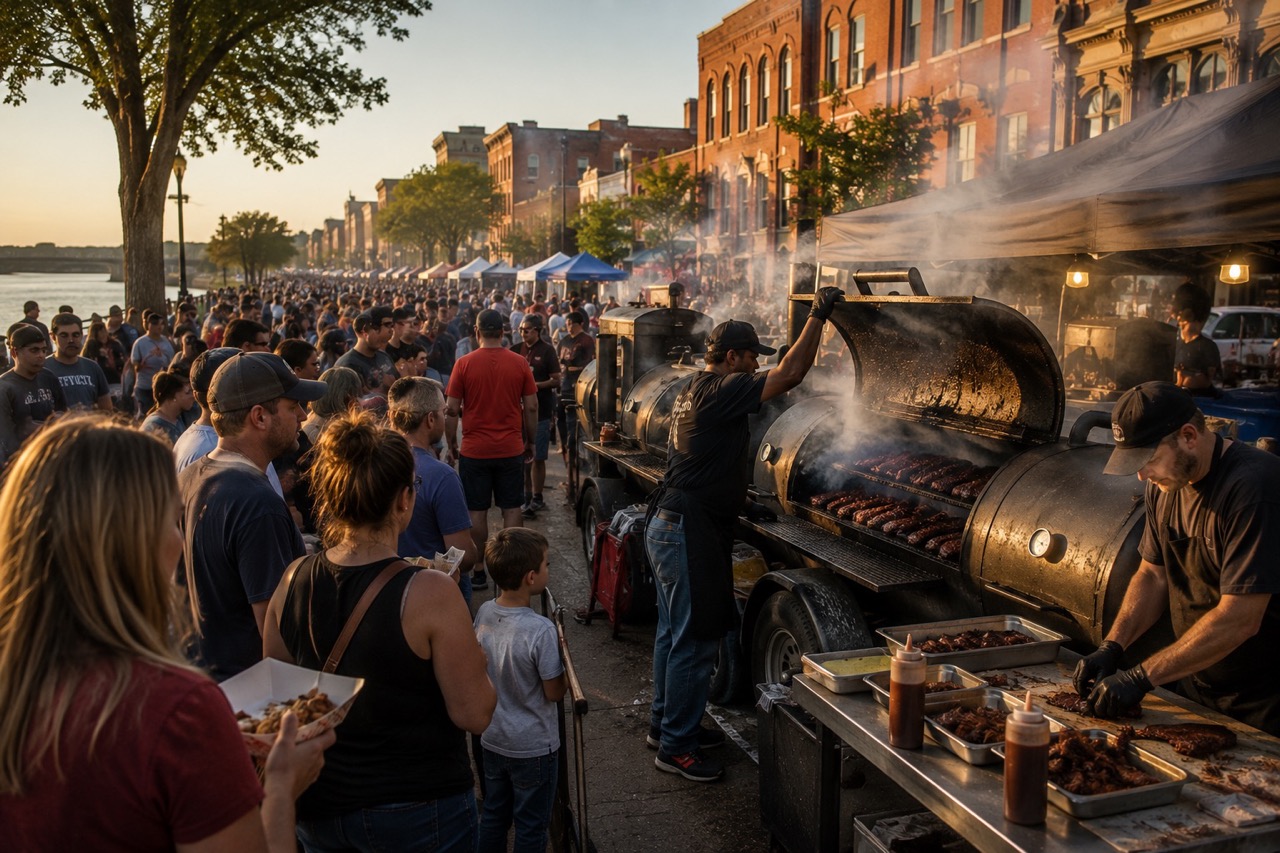
Smoke reaches the river before the first plate does. It drifts between downtown buildings, catches above the serving tents, and follows the crowd toward Paducah’s waterfront, where one decision quickly becomes several: ribs now, brisket later, or one more lap before choosing. BBQ on the River turns the city center into a walk-through portrait of western Kentucky barbecue, built around pit crews, nonprofit booths, live entertainment, and the repeated pleasure of comparing one cook’s method with another. Across three days, the gathering feels less like a single oversized meal than a community cookout conducted at downtown scale. Arrive hungry but unhurried, walk the full footprint before ordering, and let the day alternate between smoky vendor rows and breaks near the Ohio River. The food is the draw, but the deeper story is local cooperation: teams cook at scale, charities turn plates into fundraising, and downtown Paducah becomes a shared dining room with no walls.

Why This Festival Is Special

Many food festivals assemble vendors; BBQ on the River gives the cooking a civic purpose and a landscape. Smoke moves through a historic downtown, the Ohio River opens beyond the tents, and each plate can be connected to a team, a technique, and a local cause. Competition sharpens the barbecue without making the day feel exclusive. Visitors do not need judging credentials to understand the differences: they taste them while walking. The festival’s strongest achievement is turning appetite into participation. Buying lunch supports more than a meal, and comparing ribs becomes a way of learning how Paducah organizes itself—through volunteers, charities, businesses, and the willingness to feed a very large crowd together.

Festival Experience

What to Expect

Expect a food-first festival with the rhythm of a public picnic and the scale of a downtown fundraiser. Pit smoke, serving calls, music, and conversation overlap from the moment vendors open. Lines form unevenly: a famous team may attract an early crowd while an excellent booth a block away serves quickly. Portions can be substantial, so groups often get more from the day by sharing plates and comparing cuts. Seating is useful but not guaranteed; much of the experience involves standing, carrying food, and finding temporary space along the riverfront or near entertainment. Midday is the most concentrated eating period. Afternoon rewards a slower return for sides, sweets, music, and craft vendors, while evening feels more social. The pleasure comes from accumulation—one sauce, one story, and one charitable cause at a time.

Festival Highlights

  • Walk the full barbecue row before buying, noting which teams are slicing brisket, pulling pork, or finishing ribs in view.
  • Share several smaller orders so one meal becomes a comparison of smoke, bark, tenderness, and sauce.
  • Look for the nonprofit or community mission connected to each booth; fundraising is central to the festival’s identity.
  • Pause near the Ohio River between food rounds, where open space changes the pace of the crowded vendor streets.
  • Watch judging, awards, or pit activity when scheduled to understand the competitive craft behind the serving line.
  • Return for live music and evening atmosphere after the strongest lunch crowd has eased.

Getting There & Around

Where It Happens

The festival occupies downtown Paducah near the Ohio River, spreading through streets and public spaces close to the riverfront rather than remaining inside one fairground. Barbecue teams and nonprofit vendors form the core eating corridor, with entertainment, craft booths, seating pockets, and community activity arranged around it. The river provides both orientation and relief: beyond the dense lines and warm cooking areas, the water’s edge offers air and a slower view of the day. The official map identifies the current footprint, accessible drop-off locations, parking restrictions, and stage placement. Think of the site as a compact loop—vendor rows, riverfront pause, entertainment area, then another pass—rather than a straight route to one headline attraction.

Getting Around

Walking is the best way to experience the festival once you reach downtown. Street closures and concentrated pedestrian traffic reduce the value of driving from one part of the footprint to another. Use official parking guidance, consider lots several blocks away, and follow signed accessible drop-off instructions when needed. Wear shoes that tolerate pavement, food spills, and repeated standing. Inside the event, move in a loop rather than fighting the strongest line of travel: scan the booths, eat near the edge, visit the stage or craft area, and re-enter the food corridor from another side. At closing time, allow extra patience where pedestrians meet reopening streets and pickup traffic.

Visitor Guide

Festival Food & Drink

Barbecue is not one menu here but a series of arguments conducted with smoke. Pulled pork emphasizes texture and sauce; ribs reveal timing and restraint; brisket shows the patience behind the pit; chicken makes seasoning and skin impossible to hide. Begin with one signature item from a booth that interests you, then use sides and drinks to reset before the next comparison.

Must Try:
• Pulled pork sandwich — easy to share and a useful first measure of smoke and sauce.
• Pork ribs — order a small portion when possible so they do not end the tasting too early.
• Brisket — look for fresh slicing, a developed bark, and meat that holds together before yielding.
• Barbecue chicken — often overlooked, but revealing of fire control and seasoning.
• Baked beans, slaw, and cornbread — the sides that turn samples into a western Kentucky plate.
• Sweet tea or lemonade — practical relief between warm, rich servings.

Carry napkins, but leave room in your plan for surprise. The booth with the shortest story on its sign may produce the plate you remember.

Budget & Costs

Admission to the public festival footprint may be modest or free, but tasting costs accumulate quickly. Set a food budget before entering and share portions to extend it. Add drinks, desserts, craft purchases, and possible parking or transport expenses. Downtown lodging costs more than a highway hotel but can remove repeated driving and parking stress. A strong budget favors several intentional samples and one local purchase over full plates at every booth.

Tips for First-Time Visitors

Walk first and order second. A full pass shows which booths are cooking actively, which lines move well, and which charitable causes you may want to support. Share food whenever possible; five half-portions tell a richer story than one enormous plate. Bring a light tote, wet wipes, and a refillable water bottle if current rules allow it. Ask what a booth considers its specialty instead of automatically ordering ribs everywhere. Step completely away from serving lines before stopping to divide food or check the map. Build in a riverfront break before you feel full or tired. If you want a particular team’s signature meat, arrive early because popular items can sell out even while other vendors remain open.

Safety

Heat from cookers, crowded serving lanes, riverfront edges, and vehicle-pedestrian transitions are the main concerns. Keep children close, establish a meeting point, and do not stand directly behind active serving or cooking areas. Hydrate between rich foods and take breaks before fatigue sets in. After dark, watch footing near curbs and temporary cables. Follow staff directions around street closures, accessible routes, severe weather, and any restricted pit areas.

Cultural Significance

Barbecue in western Kentucky is both cooking tradition and community currency. Slow fire turns inexpensive or demanding cuts into food that rewards patience, while public serving turns private technique into conversation and competition. At BBQ on the River, that tradition is tied directly to civic fundraising. Teams, volunteers, businesses, and nonprofit organizations use the attraction of barbecue to support work that continues after the tents leave downtown. The riverfront setting matters as well: Paducah developed through movement, trade, and exchange along the Ohio River, and the festival temporarily redirects that history toward shared tables and local causes. Its cultural value lies not in declaring one correct style, but in allowing many versions of regional barbecue to work for a common place.

Plan Your Journey

When to Go

Check the official schedule for the current fall dates and daily operating hours. Opening day offers the easiest orientation before the largest crowds arrive. The middle day usually carries the fullest combination of food service, competition energy, and live entertainment, while the final day can feel more local and relaxed but may bring sold-out menu items. Arrive before the main lunch rush for shorter lines and a clearer view of the teams at work. Late afternoon adds music and atmosphere, but the most popular meats may become limited. If tasting matters more than nightlife, begin early and take a long riverfront break before returning for a second round.

Where to Stay

Stay in or near downtown Paducah if you want to walk to the festival, leave purchases at the hotel, and return after a rest. The riverfront and Lower Town areas provide the strongest sense of place, although rooms closest to the event may carry more street noise and fill early. Hotels near the interstate often offer easier parking and lower rates, but they turn each festival visit into a drive and require more patience around downtown closures. Choose the center for immersion, a nearby residential edge for quiet, or the highway corridor for value. A central room is especially useful for families and anyone who wants to split the day into lunch and evening visits rather than carrying everything from the first plate onward.

Bottom Line & Key Days

Bottom Line

Come for the smoke, but give the day enough time to reveal what surrounds it. Walk the riverfront, ask what each team does best, share more than you order alone, and notice where the money and labor go after the plates are cleared. BBQ on the River is most memorable when it stops feeling like a row of food stands and begins to feel like Paducah cooking for itself in public. The river keeps moving beside the festival; the charitable work continues after it.

Key Days

Opening Pass — Learn the footprint, sample before the largest crowds, and identify the teams you want to revisit.
Full Festival Day — Arrive before lunch, share several barbecue styles, take a riverfront break, and return for music.
Final Service — Revisit a favorite booth early, when signature meats are more likely to remain available.
Evening Return — Let the event shift from tasting circuit to downtown gathering as the lights and music take over.

Ready to Experience BBQ on the River?

You've explored what makes this festival special. Now it's time to plan your trip. Compare flights, book your hotel, arrange transportation, and take care of your travel essentials—all in one place.

✈ Find Flights

Loading booking widget...

Booking is completed on Expedia in a new tab.

🏨 Find Hotels

Search places to stay

Powered by Booking.com

Booking is completed on Booking.com in a new tab.

Rail & Bus Travel

Compare train and coach routes for the journey.

Compare Routes

Things to Do

Discover tours and attractions before or after the festival.

Explore Experiences

eSIM Mobile Data

Stay connected abroad without traditional roaming charges.

Get an Airalo eSIM

Travel bookings are provided by our trusted partners. We may earn a commission when you book through these links, at no additional cost to you.

Independent Editorial Standards

Every Follow the Festivals guide is independently researched and regularly reviewed using official festival information, destination resources, and trusted travel references. We also welcome verified updates from festival organizers, destination marketing organizations, tourism partners, and local experts to help keep our guides accurate, current, and useful for travelers.

Represent this festival or have a verified update to share? We'd love to hear from you through our contact page.