
Follow the Festivals

Charleston Jazz Festival

Charleston Jazz Festival

Charleston, SC United States,

April 11th - April 18th

Overview

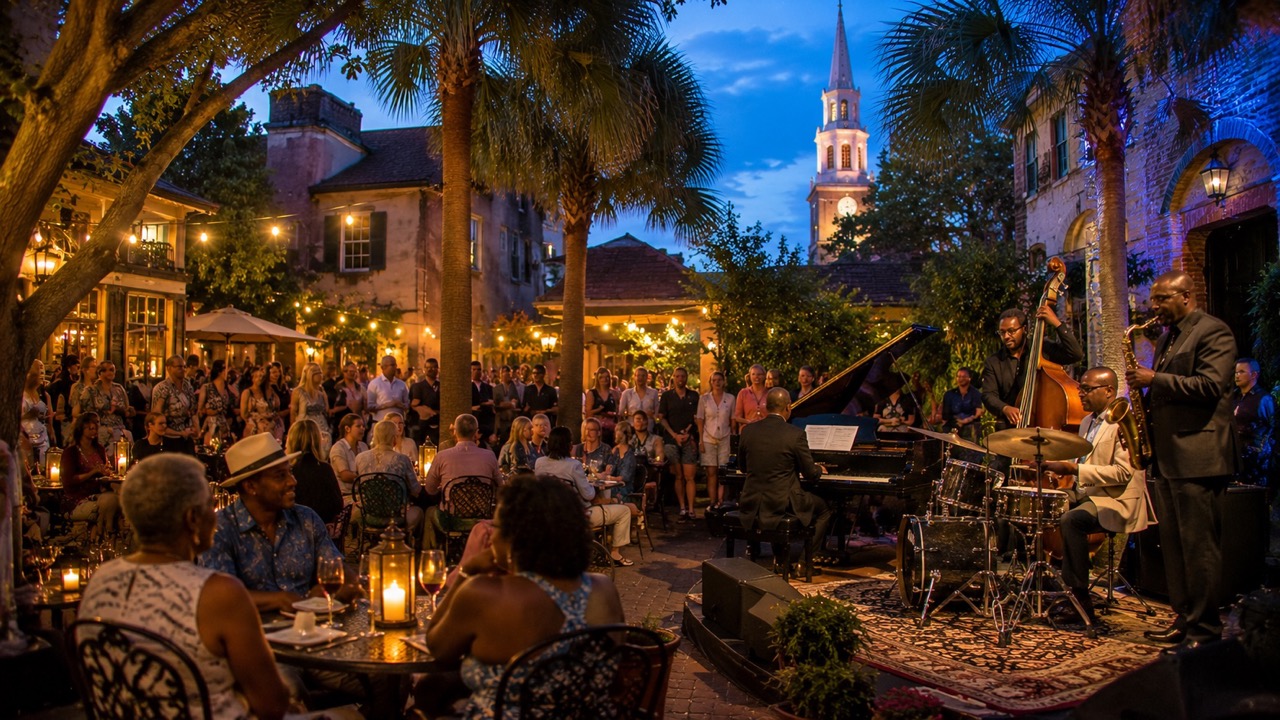
Charleston Jazz Festival brings live jazz into the historic heart of Charleston, using theaters, clubs, outdoor spaces, and cultural venues rather than a single festival site. The festival reflects Charleston’s long relationship with music, hospitality, and performance, creating an atmosphere that feels more connected to the city than separated from it. Visitors can move between intimate jazz sets, larger headline performances, educational programs, and community events while experiencing the architecture, restaurants, and walkable streets that make Charleston one of the South’s most distinctive cities. The result is a festival where the setting contributes as much to the experience as the music itself.

What to Expect

Days often begin at a relaxed pace, with smaller performances, workshops, and community programming spread across venues throughout the city. As the afternoon progresses, audiences begin moving between theaters, clubs, cultural institutions, and outdoor performance spaces, creating a steady flow through Charleston’s historic district. The festival attracts a mix of dedicated jazz fans, local residents, and visitors exploring the city between performances. Evening is when the festival reaches its peak. Headline concerts draw larger audiences, restaurants and bars fill before shows, and the city’s music venues become gathering places for listeners moving from one performance to the next. After major concerts end, conversations frequently continue in nearby restaurants, hotel lounges, and late-night venues, extending the musical atmosphere well beyond the official schedule.

Why It's Special

Many jazz festivals are built around large outdoor stages. Charleston Jazz Festival works because it feels integrated into the character of Charleston itself. Historic architecture, intimate performance spaces, and Southern hospitality create an environment where audiences are often close to the musicians and performances feel personal rather than distant. The festival encourages discovery, allowing visitors to combine world-class jazz with Charleston’s food culture, walkable streets, and historic atmosphere. What many people remember most is not only the music but the experience of hearing jazz in spaces that feel uniquely tied to the city, creating a festival that is as much about place as performance.

Explore guided experiences.

Food & Drink

Charleston’s food scene is one of the festival’s biggest advantages. Visitors commonly build their days around live music and Lowcountry dining, with shrimp and grits, she-crab soup, oysters, fresh seafood, and Southern-inspired cuisine all easily accessible near performance venues. Cocktail bars, wine bars, and historic taverns often become gathering places before and after concerts.

Discover local food tours.

Where It Happens

The festival takes place across multiple venues throughout Charleston rather than inside a single festival ground. Historic theaters, cultural centers, performance halls, churches, and community venues host concerts and events. Much of the experience unfolds within and around the Historic District, where music naturally blends into the city’s existing cultural landscape.

Find hotels near these areas.
Check trains & transport routes.

Tips for First Timers

Don’t focus only on headline acts; smaller performances are often among the most memorable. Leave time to explore Charleston between concerts. Make restaurant reservations early, especially on major festival nights. Arrive early for intimate venues where seating may fill quickly. Consider attending multiple genres during your visit rather than staying within one style of jazz.

Book airport transfer.

Plan Your Visit

Budget

Charleston Jazz Festival is generally a mid-range to premium trip. Concert tickets are often reasonable compared to major music festivals, but accommodation and dining costs can be significant, particularly within the Historic District. Many visitors find lodging and restaurants represent the largest portion of their budget rather than festival admission.

Safety

The festival itself is generally low risk and family friendly. The most common challenges involve transportation, parking, and crowded restaurant districts during peak evening hours. Visitors should remain aware of their surroundings when walking at night and prepare for warm, humid weather during outdoor activities.

Get travel insurance for your trip.

Plan Your Trip

Book around the best days before prices and availability tighten.

When to Go

Focus on the evening hours when headline performances, venue energy, and audience activity are at their strongest. Late afternoon through the end of the night provides the best combination of live music, social atmosphere, and opportunities to experience multiple venues in a single outing. Visitors interested in educational programming, workshops, and smaller performances may enjoy daytime hours, but the festival’s defining atmosphere emerges after sunset when Charleston’s theaters, clubs, and performance spaces come fully alive.

Where to Stay

The Historic District is the best base for most visitors. Many venues, restaurants, bars, and cultural attractions are within walking distance, allowing you to move easily between performances without relying heavily on transportation. Areas near King Street offer the best combination of nightlife, dining, and festival convenience.

Search for Flights

Loading booking widget...

Booking is completed on Expedia in a new tab.

Powered by Expedia. Affiliate link. We may earn a commission at no extra cost to you.

Compare trains & buses.

Search Places to Stay

Loading booking widget...

Booking is completed on Expedia in a new tab.

Powered by Expedia. Affiliate link. We may earn a commission at no extra cost to you.