
Follow the Festivals

Royal Ascot

Royal Ascot

Ascot, United Kingdom

2027-06-15 - 2027-06-19

The Story

Festival Overview

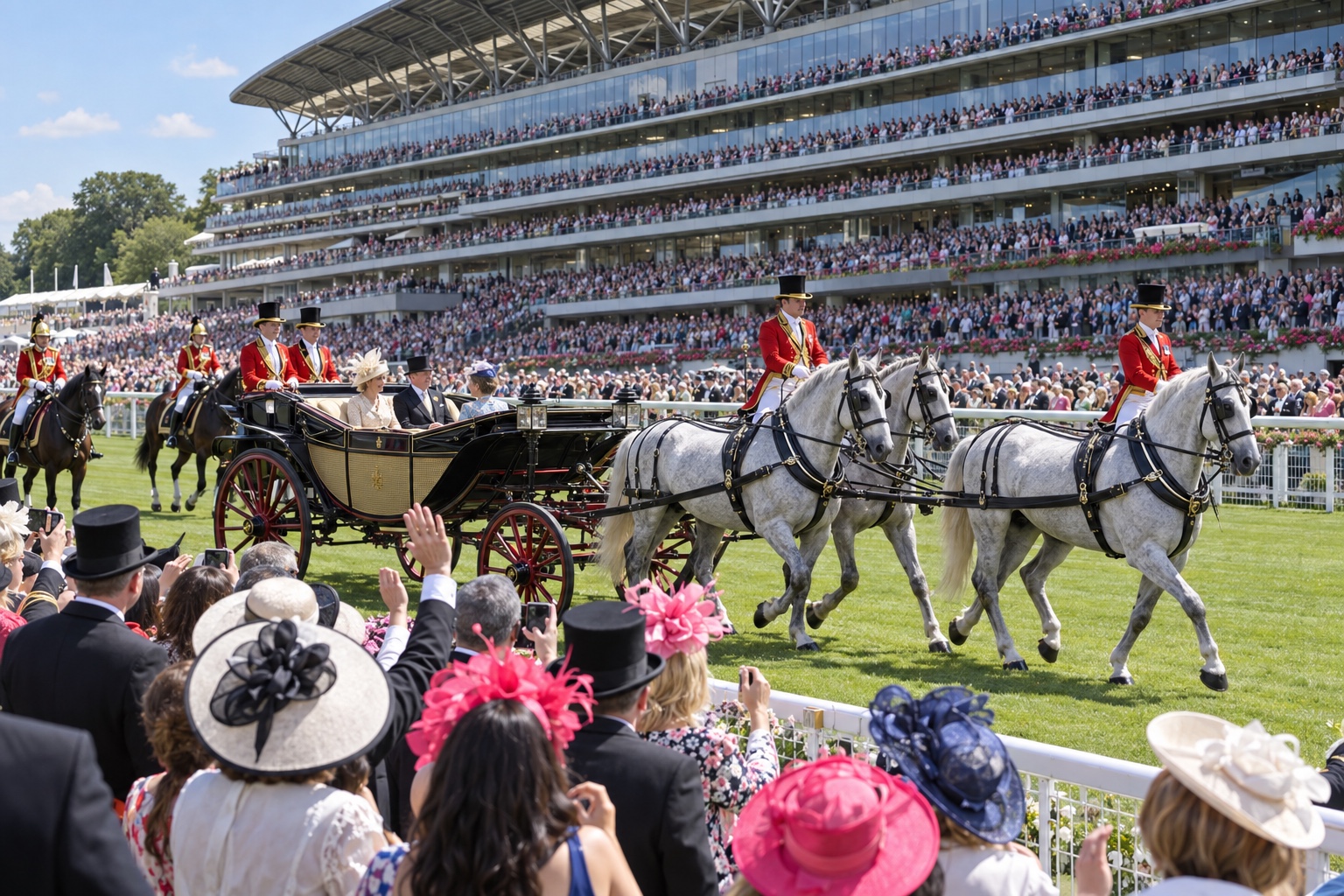
The Royal Procession enters the straight before the first race has asked anything of the horses. Hats turn, conversations pause and the grandstand briefly shares one direction of attention. At Royal Ascot, ceremony does not decorate the sport. It teaches the crowd how to watch.

Across five days, elite flat racing, enclosure traditions, formal dress, dining and public celebration become one British summer ritual. The event’s governing tension is between performance and participation. Horses and riders produce the central contest, but visitors also shape the occasion through where they stand, what they wear and how they move from anticipation toward the communal singing that closes the afternoon.

The practical guide begins with that interdependence. Choosing an enclosure changes the clothing, food, viewing access and social rhythm available to the traveler. Choosing a race day changes the sporting emphasis and crowd character. Royal Ascot cannot be experienced exceptionally by buying a ticket and adding formality afterward. The decisions must be made as one composition, because every visible tradition has a logistical consequence.

Why This Festival Is Special

Royal Ascot makes spectatorship visible. The crowd does not simply consume racing; it dresses, gathers, processes between spaces and remains to sing. Those acts give the meeting a social architecture that exists only because visitors agree to inhabit it.

The horses prevent ceremony from becoming empty. However carefully the day has been styled, the home straight introduces an outcome no outfit or title can control. Speed cuts through hierarchy for a few seconds, and everyone turns toward the same finish.

That is where travelers should invest their attention. See the horses before one significant race, understand what is at stake and then watch the crowd lose composure as the result arrives. Fashion and procession become richer when they frame genuine uncertainty. Royal Ascot is special because a highly ordered occasion repeatedly makes room for something nobody present can script. That unscripted result gives every surrounding ritual its necessary risk.

Festival Experience

What to Expect

Expect a long day in which racing unfolds through repeated cycles: horses in the parade ring, betting decisions, movement toward the track, a brief concentrated contest and conversation afterward. Between races, fashion, food and social observation occupy as much attention as form and odds. The Royal Procession establishes the ceremonial tone before competition takes control.

Enclosures create genuinely different experiences. One visitor may picnic beside the straight with an informal crowd, while another moves through formal grandstand spaces and strict dress requirements. Late in the day, music and singing keep the occasion alive after the racing has ended. The meeting rewards visitors who respect both sport and ritual without assuming either must be treated solemnly.

The surprise for newcomers is how little time exists between apparently spacious moments. A race may be brief, yet observing horses beforehand, choosing a position and moving through the post-race crowd fills the interval. Decide which contests deserve the complete parade-ring-to-finish sequence. For others, remain settled and let the wider occasion come to you.

Festival Highlights

  • The Dressing Ritual – Preparing for the enclosure makes arrival part of the event and reveals how participation begins before the gate. Test the complete outfit for walking, standing and weather; elegance that prevents movement will narrow the day.
  • The Royal Procession – Carriages enter the course and focus the crowd, connecting the meeting to a living ceremonial tradition. Reach a viewing position early, because seeing the crowd turn together explains as much as the procession itself.
  • The Parade Ring – Seeing horses before a race turns names on a card into temperament, condition and physical presence. Choose at least one important contest to follow from this quiet observation through the noise of the finish.
  • The Home Straight – A race compresses analysis, speed and collective voice into seconds of unmistakable consequence. Claim the best available sightline before betting or refreshments, then watch the whole field rather than only the favorite.
  • The Enclosure Picnic – Shared food on the lawn shows how formality and sociability can occupy the same occasion. Confirm the exact enclosure policy and pack for ease of carrying, because an elaborate picnic can become a burden before it becomes a pleasure.
  • The Fashion Exchange – Clothing becomes public conversation rather than private display as strangers notice craft, wit and confidence. Give the spectacle attention without letting photography replace the racing that gives it context.
  • Singing Around the Bandstand – The crowd remains after racing, completing competition through a deliberately communal ending. Protect enough energy and return flexibility to stay; leaving immediately after the final race removes one of the day’s clearest emotional conclusions.

Getting There & Around

Where It Happens

Royal Ascot takes place at Ascot Racecourse in Berkshire. The grounds are divided into ticketed enclosures with different views, facilities, dress expectations, dining and traditions. The choice of enclosure determines the social texture of the day as much as the seat or lawn position.

The racecourse is compact compared with a city festival but contains several competing centers: the parade ring, grandstand, straight, lawns, hospitality spaces and bandstand. Moving between them at the wrong moment can mean missing horses, procession or song. Learn what your enclosure permits before building an itinerary around spaces you cannot enter.

Within the permitted area, choose a home position and understand the route to the parade ring, track and food. Reclaiming a good view after every race is difficult when the crowd moves together. The traveler who anchors the day geographically can watch one race closely, move for another and return without spending the entire meeting negotiating for space.

Getting Around

Rail is usually the clearest approach. Ascot station is within walking distance of the racecourse, and the stream of dressed visitors makes the final route obvious. Book the return with enough flexibility to remain for post-race entertainment, then expect queues and platform controls when much of the crowd leaves together. Formal footwear that cannot manage the walk is a transport error, not merely a fashion choice.

Driving introduces traffic, parking assignments and a slow exit. It can work for a group carrying an authorized picnic or staying locally, but the driver must remain able to drive and everyone should understand the correct car park. Taxis need advance coordination; demand after racing is too concentrated for casual reliance.

Inside, organize movement around the race cycle. Visit the parade ring early enough to observe, then claim a viewing position before the crowd shifts. Do not attempt a restaurant booking, betting queue and enclosure crossing in the same short interval. The day becomes graceful when each transition has room.

Visitor Guide

Festival Food & Drink

Food at Royal Ascot ranges from carried picnics in permitted enclosures to restaurants, casual concessions and elaborate hospitality. The correct choice begins with enclosure rules. A picnic can create freedom and tradition, but carrying it through rail travel and security requires restraint. Reserved dining offers comfort and certainty while fixing part of the day to a schedule.

Eat before hunger collides with a major race. Alcohol is visible throughout the meeting, yet pacing matters across a long afternoon in formal clothes and uncertain weather. Water and a proper meal preserve attention for the final races.

**Must Try**
• Afternoon Tea – Sandwiches, scones and pastries turn a pause into part of the occasion.
• Strawberries and Cream – A simple British summer pairing suited to the lawns.
• Picnic Sandwiches – Practical food becomes tradition when shared between races.
• English Sparkling Wine – A celebratory choice best enjoyed slowly with food.
• Racecourse Breakfast – A substantial early meal protects the day from queues and champagne.

Budget & Costs

Ticket price varies sharply by enclosure, and the difference changes far more than the view. Access, dress, facilities, entertainment and picnic permission may all shift. Compare the lived day rather than buying the cheapest or most prestigious label automatically. Hospitality can simplify food and seating while moving the cost into an entirely different category.

Accommodation and transport rise with demand. Staying nearby may cost more but remove a late crowded journey; London can offer wider hotel choice while adding rail fares and recovery time. Clothing is another real expense when the existing wardrobe does not satisfy the chosen enclosure. Renting, borrowing or selecting a less formal enclosure can be more intelligent than buying an outfit for one day.

Set separate limits for betting, drinks and discretionary upgrades before arrival. A picnic where permitted can control food costs, but confirm every container and quantity rule. Budget for weather protection, comfortable travel and a flexible return.

Tips for First-Time Visitors

Choose the enclosure first. Its access, dress code and picnic policy determine clothing, food, budget and where the day can unfold. Read the current rules literally and test the complete outfit before travel. New shoes, unstable hats and heavy bags become increasingly expensive decisions with every hour of standing.

Learn enough racing language to follow the card, but do not make betting the price of participation. Watch at least one race from the parade ring through the finish. Arrive before the procession, carry weather protection that respects the dress code and agree on a meeting point because grandstand crowds can separate groups quickly.

Give each major race a deliberate role. One might justify parade-ring observation, another a strong track position and another a relaxed view with food. Attempting the full ritual for every contest creates continuous rushing. Check return times before the first race so the group can decide consciously whether bandstand singing or an earlier train is the more important ending.

Safety

Weather exposure changes quickly on the racecourse. Use sun protection, drink water and carry permitted rain coverage even when the morning looks settled. Formal layers can trap heat, while wet lawns make elegant footwear unstable. Comfort supports judgment across a long day.

Alcohol should never replace food or water, and the person responsible for driving must remain sober. Keep belongings secure in dense parade-ring and station crowds. Follow staff directions at rail platforms, barriers and enclosure entrances rather than forcing a shorter route through moving people.

Respect horses and working areas. Remain behind barriers, avoid sudden behavior near animals and follow all racecourse instructions. Agree on a meeting point and keep hotel details available offline. If the group’s pace, weather or crowd pressure stops feeling safe, leave before the mass departure rather than allowing tradition to dictate the final hour.

Cultural Significance

Royal Ascot joins more than two centuries of racing history to the continuing presence of the monarchy. The Royal Procession, enclosure customs and formal dress create continuity, but the meeting survives because each crowd performs those traditions again rather than merely observing a preserved ceremony.

The racing is internationally important in its own right. Elite horses, trainers and riders arrive for competition that can shape reputations and breeding value. This sporting seriousness prevents the event from becoming only a fashion spectacle. At the same time, public attention to clothing, dining and social ritual expands the racecourse into a broader portrait of British summer culture.

Its hierarchy should be seen clearly. Enclosures distribute access, comfort and prestige unevenly, reflecting old social distinctions even as public areas create more relaxed forms of belonging. Understanding that tension makes the event more interesting than either reverence or dismissal.

Plan Your Journey

When to Go

Royal Ascot is held across five consecutive days in early summer, and each day has a different racing and social personality. Earlier days often attract visitors focused closely on elite competition and tradition. The middle of the week carries some of the meeting’s most celebrated racing, while the final days can feel more overtly social and draw stronger weekend demand.

Choose the day by race program, enclosure and desired atmosphere rather than by price alone. A serious racing fan may organize the visit around a particular contest. A first-time traveler may value a day when the formal ritual is vivid but movement remains manageable. Weather can change the entire experience: sun makes exposed lawns festive, while rain turns footwear, outerwear and covered viewing into practical decisions.

Arrive before the Royal Procession and protect time after the last race for enclosure entertainment. Confirm the official schedule, dress code, picnic rules, tickets and rail plan before travel.

Where to Stay

Ascot itself offers the simplest emotional geography: the traveler wakes near the racecourse and avoids turning the morning into a cross-region commute. Rooms are limited and expensive during the meeting, while restaurants and evening choices are narrower than in a larger city. This base works best for visitors who want the racing day to govern the trip.

Windsor provides heritage atmosphere, more dining and a manageable connection to the area. It supports a broader Berkshire visit, though race-day road traffic can make car estimates unreliable. Reading offers greater hotel supply and rail connections but feels less ceremonial. Central London gives the widest choice and allows Royal Ascot to become a day trip, at the cost of crowded trains and a long return in formal clothing.

Book after deciding how you will leave the racecourse. A glamorous hotel loses value if the route depends on an unavailable taxi. Prioritize a direct or well-understood rail connection, late reception and a short final walk.

Bottom Line & Key Days

Bottom Line

Royal Ascot is most rewarding when the visitor stops asking whether it is primarily racing, pageantry, fashion or society. Its character comes from the pressure those elements place on one another. Ceremony prepares attention. Racing interrupts certainty. The crowd then converts the result into conversation, celebration and memory.

After the final contest, many visitors remain near the bandstand. Shoes are less perfect, voices less formal and the day’s careful distinctions begin to loosen. People who spent the afternoon in separate enclosures find themselves singing the same familiar lines before making different journeys home.

That ending does not erase hierarchy or turn tradition into innocence. It reveals why the occasion continues to work. Royal Ascot creates rules strong enough to give the day shape, then allows sport and shared voice to exceed them. The traveler leaves understanding that participation was never secondary to watching. It was how the watching became an event.

Key Days

• Opening Day – Ceremony and elite racing establish the meeting’s formal and competitive language. Choose it for a strong sense of beginning and enough attention to learn the rhythm before the closing days intensify.
• Early-Week Racing – Serious contests and a more measured social pace reward visitors who want to study horses, parade-ring behavior and racecraft closely.
• Ladies’ Day Tradition – Fashion attention and celebrated racing create one of the meeting’s most recognizable atmospheres. Arrive prepared for demand and protect track time from the surrounding visual spectacle.
• Friday Celebration – Racing and sociability move toward the stronger demand of the closing period. It suits groups seeking a lively balance, provided dining and transport are secured early.
• Final Day – The last races carry a more relaxed public mood while competition remains consequential. Preserve time after the card for bandstand singing rather than treating the final result as the automatic end.
• Weather-Changed Day – Sun, wind or rain can reshape lawns, clothing and viewing comfort on any race day. Reassess footwear, shelter and movement before arrival instead of forcing the original plan onto different conditions.

Ready to Experience Royal Ascot?

You've explored what makes this festival special. Now it's time to plan your trip. Compare flights, book your hotel, arrange transportation, and take care of your travel essentials—all in one place.

✈ Find Flights

Loading booking widget...

Booking is completed on Expedia in a new tab.

🏨 Find Hotels

Search places to stay

Powered by Booking.com

Booking is completed on Booking.com in a new tab.

Rail & Bus Travel

Compare train and coach routes for the journey.

Compare Routes

Things to Do

Discover tours and attractions before or after the festival.

Explore Experiences

eSIM Mobile Data

Stay connected abroad without traditional roaming charges.

Get an Airalo eSIM

Travel bookings are provided by our trusted partners. We may earn a commission when you book through these links, at no additional cost to you.

Independent Editorial Standards

Every Follow the Festivals guide is independently researched and regularly reviewed using official festival information, destination resources, and trusted travel references. We also welcome verified updates from festival organizers, destination marketing organizations, tourism partners, and local experts to help keep our guides accurate, current, and useful for travelers.

Represent this festival or have a verified update to share? We'd love to hear from you through our contact page.