
Follow the Festivals

Celtic Colours International Festival

Celtic Colours International Festival

Cape Breton Island, Canada

2026-10-09 - 2026-10-17

The Story

Festival Overview

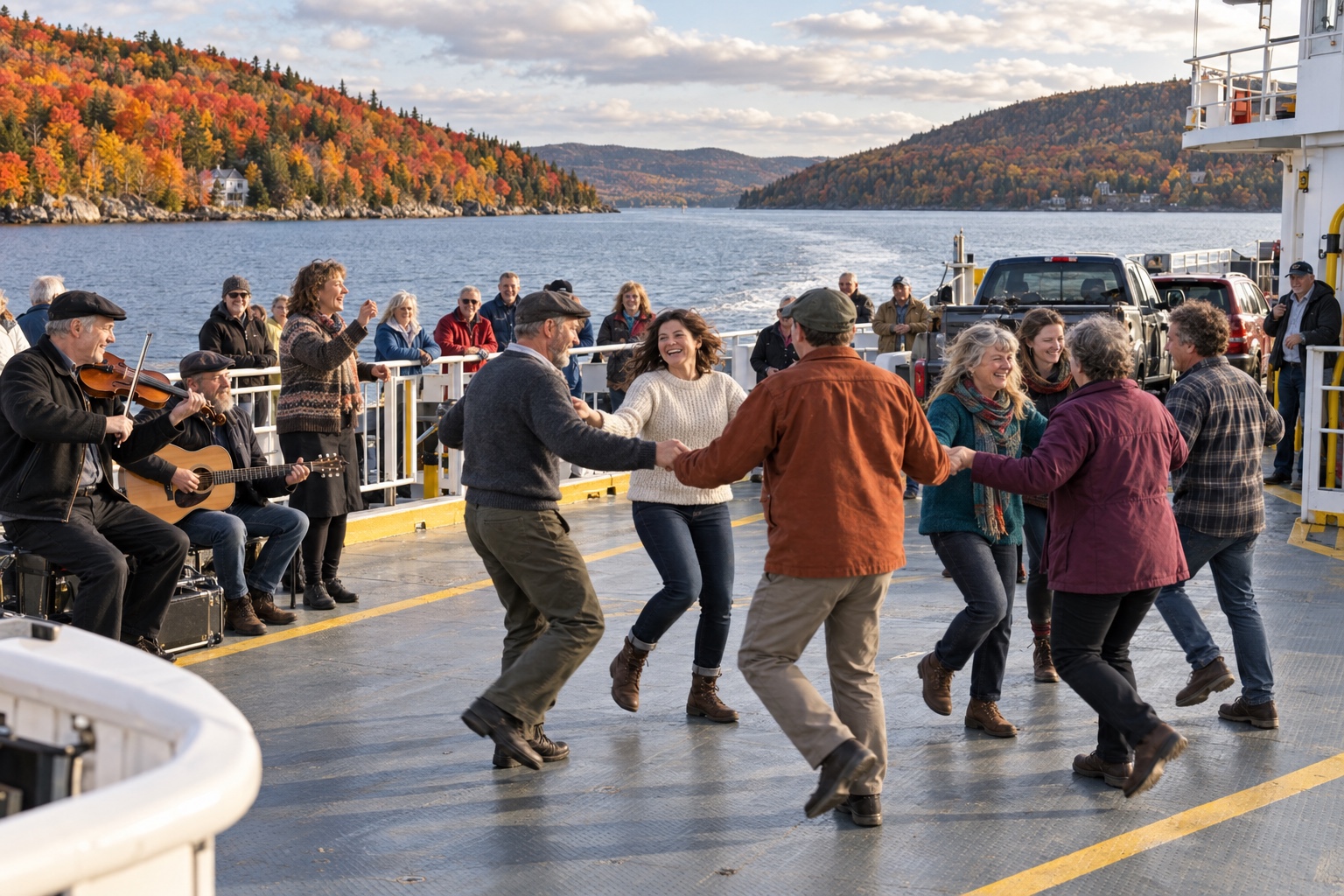
A fiddle tune begins in a fire hall far from any conventional festival district. Volunteers have set the room, neighbors are serving food and musicians from Cape Breton and abroad exchange phrases that sound both local and newly connected. Celtic Colours works because the island itself is the venue. Concerts move through churches, schools, community halls, theaters and historic sites across Unama’ki–Cape Breton Island.

The autumn landscape gives the journey visual drama, but the governing idea is living culture shared by communities. Cape Breton fiddle, piano, Gaelic song, dance, Acadian music and Mi’kmaq presence meet international Celtic traditions without becoming a heritage display. Each host place changes the concert.

The traveler’s challenge is distance. A beautiful schedule can fail if consecutive events sit hours apart on winding roads. The strongest trip chooses one or two island regions, pairs official concerts with meals or workshops, and allows driving to reveal the communities that make the music possible.

Why This Festival Is Special

Celtic Colours is special because the route between concerts is part of the editorial experience. A tune heard in Mabou, a meal served in a fire hall and a coastal drive through autumn color belong to one cultural journey. No central festival site could reproduce the relationship between sound and host place.

Collaboration also carries unusual weight. International artists do not simply occupy adjacent billing slots; they exchange repertoire with Cape Breton musicians whose style is rooted in dance, language and family transmission. Similarities invite connection while differences remain audible.

The festival’s confidence rests in small rooms. Volunteers can welcome globally known performers into a church or school because the community already understands what the music is for. The traveler leaves remembering not only virtuosity, but the social structure that made listening possible. Landscape attracts attention; community turns that attention into belonging.

Festival Experience

What to Expect

Expect attentive audiences and concerts built around collaboration. A program may place a Cape Breton fiddler beside musicians from Scotland, Ireland, Brittany, Scandinavia or another diaspora, allowing common forms to reveal differences in rhythm, ornament and repertoire. Spoken introductions matter because they explain kinship without flattening it.

Community events have a different tempo. A meal may be served by volunteers before music, a workshop may require participation and a small hall may have few anonymous corners. Arrive with time to greet hosts and understand the room. Punctuality matters; rural darkness is not a reason to rush the final approach.

The trip includes substantial driving. Cell coverage can weaken, fuel stations may close early and weather changes the road. Download maps, keep the tank above half and carry water. Musical abundance becomes enjoyable only when the itinerary includes space for landscape, food and sleep.

Festival Highlights

  • Community Hall Concert – Fiddle, piano, song and dance gain intimacy in a room organized by local volunteers. Arrive early, take the offered hospitality and stay through the full collaborative finale.
  • International Collaboration – Artists from different Celtic and related traditions compare repertoire onstage. Listen for differences in pulse and ornament before treating every shared tune as the same language.
  • Gaelic Song – Language, melody and community memory meet without requiring amplification or spectacle. Read the program notes, listen to the full text and let the singer’s phrasing carry meaning beyond translation.
  • Community Meal – Suppers and breakfasts connect the festival to church halls, fire departments and local organizations. Reserve when required, arrive within the serving window and speak with the volunteers.
  • Festival Club – Late-night sets at the Gaelic College loosen the formal program and encourage unexpected combinations. Attend only with secure transport, adequate rest and awareness of age or access rules.
  • Cape Breton Fiddle and Piano – The local rhythmic partnership becomes clearest when dancers or step dancers join. Watch how piano lift and foot percussion shape the tune as much as melody.
  • Heritage and Craft Event – Quilting, weaving, instrument making and museum programs reveal culture beyond the stage. Give one daytime activity the same attention as a concert.
  • Scenic Route Day – Fall color, coast and highlands connect otherwise separate venues. Keep stops selective, finish before darkness and never let photography make the evening concert unsafe to reach.

Getting There & Around

Where It Happens

Celtic Colours occupies dozens of communities across Cape Breton Island. Large concerts may use theaters and civic centers, while other performances take place in churches, schools, fire halls, museums and community centers. Those modest rooms are not secondary venues. Their acoustics, volunteer hosts and local audience knowledge often create the festival’s deepest encounters.

Community cultural experiences extend the map through hikes, craft demonstrations, Gaelic learning, jam sessions and meals. The Festival Club at the Gaelic College offers late informal performance, but its location in St. Ann’s must be integrated with the evening concert and a safe return.

The island is larger than a first glance suggests. Coastal roads, ferry timing where relevant, weather and wildlife slow travel. Build each day around a compact zone and confirm the venue address, not merely the community name. The festival becomes coherent when the traveler experiences places as hosts, not pins collected across a map.

Getting Around

A rental car is the practical default for most visitors. Public transport does not connect the island’s distributed evening venues at festival frequency, and ride services are limited outside larger centers. Reserve early, learn the vehicle and obtain coverage suitable for rural travel.

Measure journeys by time, road and daylight, not straight-line distance. The Cabot Trail and secondary roads reward slow driving. Rain, fog, construction and wildlife can extend any estimate. Avoid scheduling a matinee and evening concert in distant regions without a generous meal and fuel margin.

Download offline maps, save venue addresses and refuel before late afternoon. Mobile service can disappear in valleys and along coastlines. If attending the Festival Club, designate a sober driver or use an official accommodation shuttle when genuinely available.

Walking works within individual towns, not between festival communities. The best movement strategy is regional clustering: one lodging base, one daytime experience and one principal concert. This protects both safety and the music’s emotional continuity.

Visitor Guide

Festival Food & Drink

Food is part of the festival’s community architecture. Church suppers, fire-hall meals and local breakfasts support host organizations while bringing visitors and residents to shared tables. Reserve where required and respect fixed serving times; these are volunteer operations, not restaurants with endless seating.

**Must Try**
• Seafood chowder – A creamy or broth-based bowl built from local shellfish and fish, ideal after a cool drive.
• Lobster – Best enjoyed in season and through a reputable local supplier or community meal.
• Oatcakes – Crisp, lightly sweet biscuits that travel well between venues.
• Meat pie – A hearty Cape Breton preparation suited to an early supper before a long concert.
• Acadian dishes – Chéticamp-area meals can introduce regional French traditions alongside island music.
• Local craft beer or cider – Sample after driving is finished and confirm the return from rural venues.

Eat before late concerts because kitchens may close before the encore. Carry water and a simple snack, but leave room for community hospitality.

Budget & Costs

Costs accumulate through rental car, fuel, lodging and multiple tickets. Concert prices may appear moderate, but a schedule spread across the island can make transport the largest expense. Cluster events to reduce mileage and book rooms early before affordable rural inventory disappears.

Community meals and donation-based activities offer excellent value while supporting host organizations. Balance premium closing concerts with smaller halls, workshops and free exhibitions. The Festival Club requires its own ticket and may create additional late transport costs.

Air travel to Sydney or driving from Halifax changes the budget substantially. Include insurance, weather flexibility and an extra night before a critical flight if possible. Split stays can save road hours even when one night costs more.

Do not economize by driving exhausted or skipping fuel opportunities. A conservative route, warm waterproof clothing and a reliable car are core festival expenses. The best value comes from a few geographically coherent days, not the maximum number of ticketed doors.

Tips for First-Time Visitors

Buy priority concert tickets when sales open, then build lodging and driving around confirmed seats. Popular small halls sell quickly. Keep a backup list of community events in the same region because weather or capacity can alter the day without ruining it.

Do not underestimate island scale. Print or download the festival map, check fuel, carry a charger and tell the accommodation when a late return is expected. Avoid unfamiliar rural roads in a rush. Moose and darkness make missed music preferable to dangerous speed.

Attend one event that requires participation: a dance, language session, hike, jam or community meal. The festival’s living culture becomes clearer when the traveler contributes attention or effort. Ask before joining musicians and respect workshop skill levels.

Learn that Cape Breton includes Mi’kmaq, Gaelic, Acadian and industrial histories. A single “Celtic” label cannot explain the whole island. Let venue introductions and local hosts complicate the story, then carry that understanding into the next concert.

Safety

Rural driving is the primary safety issue. Darkness, rain, fog, sharp curves and wildlife require slower speeds than navigation estimates imply. Keep fuel above half, download maps and never rush after a concert. If tired, shorten the plan or stay nearby.

Weather changes quickly in October. Carry waterproof layers, warm clothing and suitable shoes even when the afternoon is mild. Outdoor hikes need route information, daylight margin and local guidance. Coastal viewpoints can be exposed to wind and slippery ground.

Small venues have specific exits and accessibility conditions. Follow volunteer instructions, keep aisles clear and do not crowd musicians or equipment. At licensed events, assign a sober driver before arriving. Cell coverage may be limited, so share the route and expected return with the accommodation.

The festival atmosphere is welcoming, but hospitality does not eliminate practical risk. Thoughtful travel spacing protects communities as well as visitors by reducing dangerous late-road behavior.

Cultural Significance

Celtic Colours supports a culture sustained through kitchens, parish halls, schools, language work, family repertoire and local dance as well as professional stages. Cape Breton’s Scottish Gaelic traditions survived disruption and language loss because communities continued to play, sing and teach. The festival amplifies that work without fully owning it.

International artists place local practice inside a wider Atlantic and diasporic conversation. Similar tunes reveal different histories, and collaboration shows that tradition changes through contact. Mi’kmaq and Acadian participation also reminds visitors that Unama’ki cannot be narrated solely through Scottish settlement.

The host model matters. Community organizations prepare rooms, meals and volunteers, so tourism spending and attention reach places outside a single urban campus. Cultural significance appears in the infrastructure of welcome. The festival is powerful because the island does not merely supply scenery; its communities determine how the music is heard.

Plan Your Journey

When to Go

The festival normally occupies nine days in October, when fall color can be vivid and weather can shift quickly. Opening and closing concerts offer broad statements and high demand. Midweek often provides more room for intimate halls, workshops, community meals and scenic travel without the pressure of covering a ceremonial endpoint.

Select dates after the official schedule and map are released. Artist appeal alone is not enough; venue geography determines whether the itinerary is humane. A northern Highlands concert and a southern island event may be individually irresistible but impossible to combine comfortably on the same day.

Arrive before the first essential concert and leave weather margin before any flight. Daylight shortens, rain and wind affect driving, and moose can appear on rural roads after dark. Layered clothing and waterproof outerwear belong beside concert clothes. A week reveals the festival’s range, but even three carefully clustered days can feel complete when the traveler lets one region lead the experience.

Where to Stay

There is no universal festival base. Sydney and nearby communities offer the widest hotel choice, airport access and larger closing events, but they are distant from western and northern halls. Baddeck provides a central touring position around the Bras d’Or Lake, while Inverness, Mabou or Judique suit schedules rooted in the island’s west and Gaelic music traditions.

Chéticamp works for Acadian culture and western Highlands access. Ingonish serves northern Cabot Trail events but makes southern transfers long. Port Hawkesbury is useful for the island gateway and southern communities. The correct room follows the ticket map.

Split stays can reduce exhausting returns if luggage changes are placed between regional clusters. Book early because small communities have limited rooms and autumn tourism remains strong. Confirm breakfast hours, late check-in and driving time from the exact venue. A rural inn fifteen minutes from the hall may provide a richer and safer night than a major hotel reached after two dark hours.

Bottom Line & Key Days

Bottom Line

After the final tune, folding chairs shift and volunteers begin restoring the hall. Outside, the road is dark and the next community may be an hour away. That transition explains Celtic Colours: performance reaches its meaning through the people who host it and the island that separates one encounter from another.

Plan modestly. Choose a regional base, secure the essential tickets, pair concerts with meals or workshops and protect daylight for driving. Carry warmth, offline maps and enough flexibility to abandon a journey when weather makes it unwise. A smaller route produces a deeper festival.

What remains is the sense that music has mapped Cape Breton from within. Fiddle rhythm, Gaelic song, Acadian hospitality and Mi’kmaq presence do not merge into one easy identity. They form an island conversation heard differently in every hall. The trip is complete when the traveler stops counting events and begins recognizing the communities inside the sound.

Key Days

• Schedule-Release Phase – Concert geography determines lodging and driving. Secure priority tickets, then reject combinations that require unsafe transfers.

• Arrival and Orientation – Collect the car, download maps, buy road supplies and reach the first regional base before darkness.

• Opening Concert – A broad program introduces local and international connections. Attend with an uncomplicated route and listen for the festival’s collaborative language.

• Community Culture Day – Pair a meal, workshop or craft event with one nearby concert. Give volunteers and hosts time beyond the transaction.

• Highlands Route Day – Scenic travel can become a major experience. Start early, limit stops and finish the road before the evening event.

• Festival Club Night – Informal late performance rewards stamina but complicates transport. Use a shuttle or sober driver and keep the next morning light.

• Closing Concert – The festival gathers its themes on a larger stage. Stay nearby afterward or allow a slow, rested departure the next day.

Ready to Experience Celtic Colours International Festival?

You've explored what makes this festival special. Now it's time to plan your trip. Compare flights, book your hotel, arrange transportation, and take care of your travel essentials—all in one place.

✈ Find Flights

Loading booking widget...

Booking is completed on Expedia in a new tab.

🏨 Find Hotels

Search places to stay

Powered by Booking.com

Booking is completed on Booking.com in a new tab.

Rail & Bus Travel

Compare train and coach routes for the journey.

Compare Routes

Things to Do

Discover tours and attractions before or after the festival.

Explore Experiences

eSIM Mobile Data

Stay connected abroad without traditional roaming charges.

Get an Airalo eSIM

Travel bookings are provided by our trusted partners. We may earn a commission when you book through these links, at no additional cost to you.

Independent Editorial Standards

Every Follow the Festivals guide is independently researched and regularly reviewed using official festival information, destination resources, and trusted travel references. We also welcome verified updates from festival organizers, destination marketing organizations, tourism partners, and local experts to help keep our guides accurate, current, and useful for travelers.

Represent this festival or have a verified update to share? We'd love to hear from you through our contact page.