
Follow the Festivals

Arctic Sounds Festival

Arctic Sounds Festival

Sisimiut, Greenland

2027-03-25 - 2027-03-29

The Story

Festival Overview

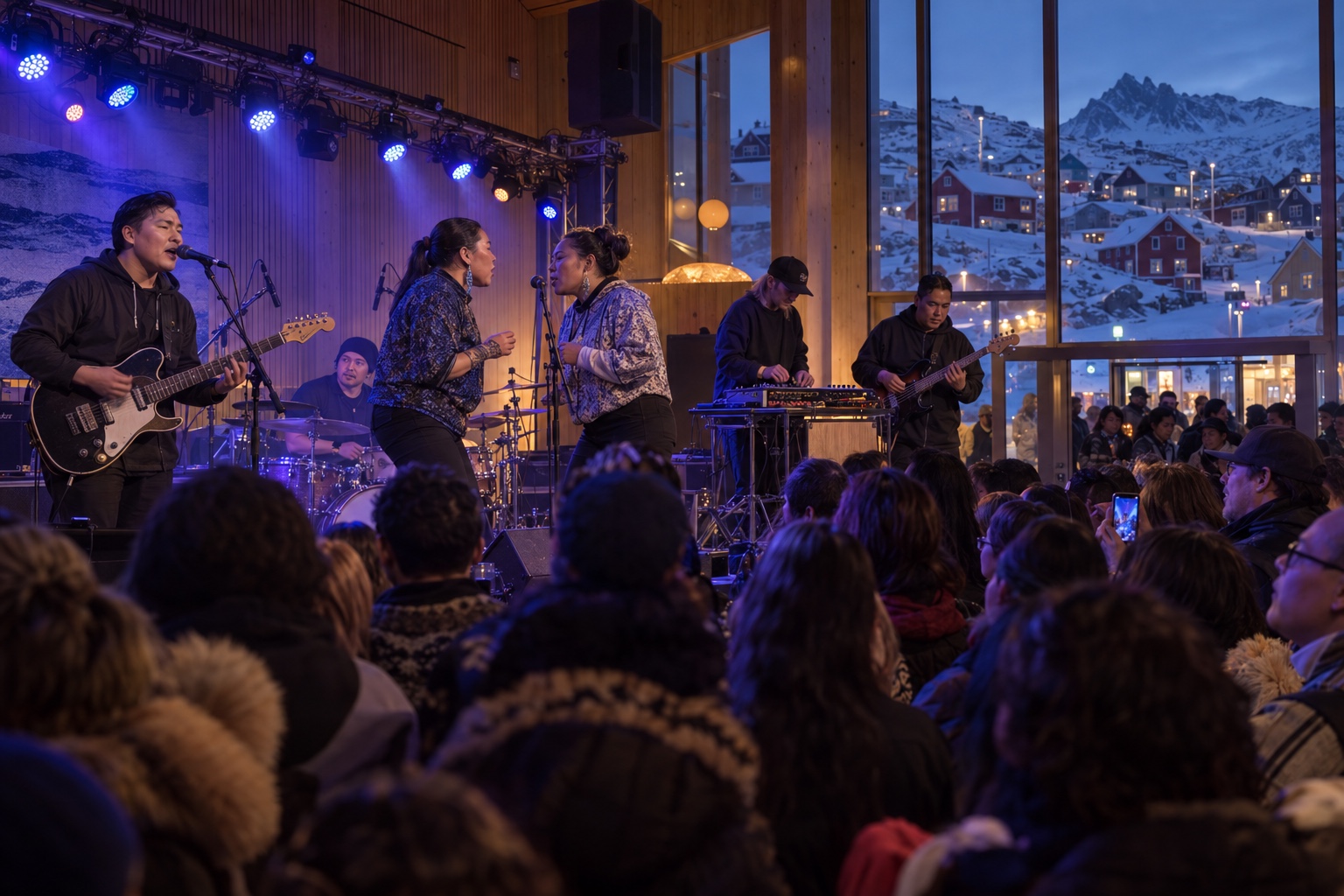
A concert in Sisimiut can feel both geographically remote and artistically connected. Greenlandic musicians share stages with artists from other Nordic and Arctic regions, then continue the exchange in workshops, informal sessions and conversations that are small enough to become real relationships. Arctic Sounds treats performance as one part of a larger creative network.

The festival is volunteer-led and deliberately collaborative. Its Nordic Playgrounds framework emphasizes co-creation, professional exchange and playful approaches to serious cultural work. Planned concerts coexist with spontaneous music around town, while winter excursions place visitors inside the landscape that governs daily life.

Nature retains authority. Flights can change, excursions depend on conditions and the schedule must remain responsive. Travelers who demand frictionless certainty will struggle. Those who arrive with warm equipment, buffer days and curiosity encounter a festival where Greenland is not an exotic background. Sisimiut’s people, language, music scene and Arctic spring determine how every exchange unfolds.

Why This Festival Is Special

Arctic Sounds is special because small scale produces real exchange. Artists do not simply fly in, play and disappear. They rehearse, travel, teach, meet and sometimes create work that continues across borders. The audience can hear collaboration forming, not only its polished result.

Sisimiut also prevents the festival from becoming abstract. Snow, weather, language, volunteer labor and limited transport remain visible. A delayed flight changes the lineup; a guided journey changes a song; a spontaneous set changes the evening. The place participates in artistic production.

The program refuses a single Arctic identity. Greenlandic, Inuit, Sámi, Nordic and international voices meet while retaining differences in history and cultural authority. That makes listening more demanding and more valuable.

The festival’s warmth is earned against environmental severity. People create temporary closeness because cooperation is practical here. Music becomes both expression and a way of building the relationships needed to keep Arctic creativity moving.

Festival Experience

What to Expect

Expect a small festival where the boundary between performer, delegate, volunteer and audience is porous. A concert may lead directly into conversation with the artist, while workshops and professional sessions place music inside questions of production, technology, education and cultural exchange.

Programming can include Greenlandic, Inuit, Sámi, Nordic and international artists across rock, electronic, folk, hip-hop, experimental and traditional forms. Do not arrive expecting one uniform “Arctic sound.” The festival’s value lies in hearing distinct languages and histories interact without being reduced to a single regional aesthetic.

Schedules respond to transport and weather. An artist may be delayed, an excursion moved or a spontaneous set added. Carry the current program offline but remain ready for change. Warm hospitality contrasts with severe outdoor conditions. Dress for the journey between venues, eat before late concerts and treat flexibility as participation, not inconvenience.

Festival Highlights

  • Greenlandic Artist Set – Local musicians place contemporary language, identity and genre at the festival’s center. Read translations when available and listen beyond familiar stylistic labels.
  • Circumpolar Collaboration – Artists from different Arctic regions build shared work through rehearsal and exchange. Attend both the performance and any conversation that explains the process.
  • Nordic Playgrounds Session – Talks, meetings and co-creation turn the festival into working infrastructure. Enter with a specific question and contribute without dominating a small room.
  • Spontaneous Town Concert – Informal performances make Sisimiut feel like a temporary music network. Confirm access, support the host venue and allow the set to remain unpolished.
  • Taseralik Concert – The cultural center provides a focused stage and a local audience. Arrive early, use cloakroom systems and stay for artists outside the original shortlist.
  • Dog-Sled or Snow Excursion – Guided travel reveals the physical environment behind the festival. Book locally, follow clothing guidance and accept cancellation without pressuring operators.
  • Technical or Skills Workshop – Training strengthens local cultural capacity beyond the event. Participate only when eligible and respect spaces designed for specific communities or career stages.
  • Closing Gathering – Artists, volunteers and visitors recognize work completed under uncertain conditions. Attend rested enough to listen, thank organizers and leave room for the relationships that continue after the final set.

Getting There & Around

Where It Happens

Concerts and festival activity take place across Sisimiut, with Taseralik cultural center and other local venues providing different scales of performance. Hotels, bars and community spaces may host warm-ups, informal sets or gatherings. The town’s compact size encourages overlap among artists, volunteers and audiences.

Outdoor experiences extend the festival into snow-covered terrain through dog sledding, snowmobiling, skiing, sailing or guided trips when conditions permit. These are not casual add-ons. They require operators, equipment, weather judgment and respect for local practice.

Sisimiut’s hills and winter surfaces affect walking time. A short map distance can involve packed snow, ice and wind. Learn the route between accommodation, cultural center, food and transport during daylight.

The airport is outside the emotional center but controls the itinerary. Transfers and flight status should be confirmed repeatedly. The festival feels intimate because town and program remain close; nature ensures that closeness never becomes complete control.

Getting Around

Travel to Sisimiut is normally by air, with connections through Greenlandic hubs and weather-sensitive schedules. There is no road network linking the town to other settlements. Coastal ship travel may form part of some journeys, but timing and seasonal operation must be verified independently.

Book flights with buffer days and avoid placing an international departure immediately after the festival. Confirm baggage allowances, especially when carrying winter equipment. Airport transfers should be arranged through accommodation or a local provider.

Within town, many venues are walkable, but hills, snow, ice and wind change the effort. Ice grips and insulated waterproof boots can be more useful than a taxi plan. Taxis are limited and demand rises around flights and late events.

Outdoor excursions must use qualified local operators. Snowmobile and dog-sled routes are transport environments, not theme-park rides. Follow instructions, wear supplied safety gear and never leave the group. Movement in Sisimiut becomes easy only after the traveler respects how much local knowledge supports it.

Visitor Guide

Festival Food & Drink

Sisimiut’s limited restaurant scene requires planning around opening hours and festival demand. Eat a complete meal before evening concerts and carry an emergency snack. Hotel breakfasts can be valuable because weather or a delayed excursion may compress the rest of the day.

**Must Try**
• Greenlandic seafood – Shrimp, halibut or other local catch connects meals to the surrounding waters.
• Musk ox – Lean game meat served in stews, burgers or carefully prepared restaurant dishes.
• Reindeer – A regional meat with a distinct flavor, best tried through a reputable kitchen.
• Mattak – Whale skin and blubber with deep cultural significance; approach sourcing and personal choice respectfully.
• Suaasat – Traditional soup commonly made with meat, onion and simple seasoning.
• Coffee and cake – Warm café time becomes practical recovery between cold walks and events.

Menus and availability change, so ask what is local that day. Hydrate even when cold reduces thirst. Alcohol is expensive and undermines warmth and judgment; finish excursions and walking plans before drinking.

Budget & Costs

Flights are the largest cost and the greatest financial risk. Book early, compare fare flexibility and include travel insurance that addresses weather disruption. An extra buffer night may look expensive but can protect the entire international itinerary.

Accommodation and restaurant capacity are limited, so advance reservations reduce both price pressure and uncertainty. Festival passes or individual tickets should be matched to the final program. Excursions such as dog sledding or snowmobiling require a separate substantial allowance.

Groceries and simple lunches can balance restaurant spending, but visitors should not assume urban variety or late opening. Alcohol is costly. Budget for warm equipment before departure because replacing inadequate boots or gloves in Greenland may be difficult.

Keep contingency for a changed flight, extra hotel night or altered transfer. The trip is not a bargain festival break; its value comes from access to a rare creative community and Arctic setting. Financial resilience is part of responsible planning, not unused padding.

Tips for First-Time Visitors

Build travel around uncertainty. Add arrival and departure buffers, purchase suitable insurance and keep essential medication and one warm layer in hand luggage. Download reservations, flight contacts and the festival program before leaving reliable internet.

Dress in a true layering system: moisture-managing base, insulating middle and windproof waterproof shell. Add warm hat, mittens, neck protection, insulated boots and traction. Cotton and fashionable city shoes create avoidable problems. Ask local operators for exact excursion equipment and follow their guidance.

Learn respectful terminology and avoid treating Greenlandic or Inuit artists as representatives of one unified culture. Listen to language choices, read artist biographies and ask specific questions about the work. Photography of people requires permission.

Support the volunteer structure. Arrive on time, follow venue rules and respond calmly when a schedule changes. One spontaneous conversation or rescheduled set may become the trip’s defining experience. Flexibility is not a lowered standard here; it is what Arctic logistics demand.

Safety

Cold exposure, ice and travel disruption require serious preparation. Wear layered clothing, protect extremities and learn the signs of frostbite and hypothermia. Traction matters on town streets. Tell someone the route when walking late and use a taxi if conditions exceed ability.

Outdoor excursions must be guided by qualified local operators. Follow weather decisions without argument, remain with the group and carry the required safety gear. Sea ice, snowfields and winter water cannot be assessed through appearance alone.

Monitor flight status and official local information. Keep medication, documents and basic essentials available during delays. Alcohol increases heat loss and poor judgment, so drink only after outdoor movement is complete.

Sisimiut’s welcome can make the setting feel easy, but infrastructure is limited and emergency response operates within Arctic reality. Good safety behavior is quiet: proper equipment, conservative choices, respect for local expertise and enough time that delay never becomes pressure to take a risk.

Cultural Significance

Arctic Sounds strengthens connections among Greenlandic, Nordic and wider circumpolar music communities. Greenland’s artists work within a vast geography and a small market, so touring relationships, production knowledge and professional networks have practical importance.

The festival creates a place where initial connections can develop into durable projects. Greenlandic music carries histories of drum traditions, hymn and choral influence, rock, hip-hop, electronic experimentation and political expression. The program’s diversity resists a tourist expectation of timeless Indigenous sound. Contemporary artists choose how language and tradition enter their work.

Workshops, technical training and the volunteer organization extend impact beyond concert nights. Skills remain in Sisimiut after visiting artists depart. Exchange also moves outward as collaborators carry Greenlandic work into other festivals and scenes.

The cultural significance rests in agency. Sisimiut is not a remote location visited by a traveling industry; it is a place assembling its own international conversation under Arctic conditions.

Plan Your Journey

When to Go

Arctic Sounds is typically held during Arctic spring, when Sisimiut remains deeply wintry but daylight has returned strongly. Exact dates and programming should be confirmed each year. Concerts, industry sessions, workshops and excursions may occupy different parts of the festival, so travelers should identify whether music, professional exchange or outdoor activity is the primary goal. Arrive at least a day before the first essential event and keep a buffer after the final night. Greenlandic flights are vulnerable to weather, and a missed connection can erase a tightly packed itinerary. Flexible tickets and travel insurance deserve serious consideration.

Conditions can range from bright sun on snow to wind, low visibility and sharp cold. Pack for outdoor waiting even when the main plan is indoors. Excursions should be booked with local operators and accepted as conditional. The strongest schedule protects concerts while leaving room for nature to cancel, delay or unexpectedly improve the day.

Where to Stay

Sisimiut has a limited selection of hotels, guesthouses and hostels, so early booking is essential. A central base near Taseralik, shops and common festival venues reduces outdoor exposure and makes spontaneous events easier to join. Exact venue patterns can change, so confirm the current map before selecting a room solely by last year’s program.

Hotels may help coordinate airport transfers, excursions and weather updates. That operational value can justify a higher rate. Budget lodging works for prepared travelers, but verify shared facilities, luggage storage, breakfast timing and whether winter clothing can dry overnight.

Do not split the stay unless necessary. Sisimiut is compact, yet snow, hills and gear make repeated moves inconvenient. Ask about cancellation terms because transport disruption may alter arrival.

A warm room, dependable shower and space for boots are part of festival performance. Recovery enables attention during late concerts and safe judgment on the next day’s excursion. Location and practical support matter more than decorative luxury.

Bottom Line & Key Days

Bottom Line

After a late concert, musicians and audience members pull on heavy coats before stepping into Sisimiut’s cold. The transition is immediate: artistic exchange inside, Arctic conditions outside. Neither cancels the other. Together they explain why this small festival carries unusual weight. Plan with humility. Add travel buffers, book a central room, bring correct clothing and allow local experts to decide whether an excursion can proceed. Choose several concerts across Greenlandic and circumpolar voices, then leave space for workshops, conversations and spontaneous music. A rigid checklist would miss the festival’s creative method.

Arctic Sounds reveals Greenland as a contemporary cultural producer connected to the world on its own terms. The lasting memory may be a song, but it may also be the moment when a delayed plan becomes collaboration. Sisimiut teaches that uncertainty does not prevent serious work. With preparation and trust, it can become part of how people listen, create and meet.

Key Days

• Booking and Buffer Phase – Secure flexible flights, lodging and insurance before concert tickets. Protect an extra day on both sides of the festival.

• Arrival Day – Collect baggage, confirm flight status, learn icy walking routes and test every clothing layer before the first essential event.

• Opening Concert – Local and visiting artists establish the festival’s range. Stay for unfamiliar acts and note schedule updates announced in the room.

• Nordic Playgrounds Day – Workshops, meetings and co-creation deepen the professional exchange. Participate with a clear purpose and respect access boundaries.

• Outdoor Experience Day – Dog sledding, snowmobiling, skiing or sailing depends on weather and operators. Accept changes and keep the evening program flexible.

• Spontaneous Music Night – Informal town sets reveal the network beyond official stages. Follow local announcements and support the host venue.

• Closing and Departure Phase – Thank volunteers, pack before the final night and monitor flights. Keep the post-festival buffer intact until leaving Sisimiut safely.

Ready to Experience Arctic Sounds Festival?

You've explored what makes this festival special. Now it's time to plan your trip. Compare flights, book your hotel, arrange transportation, and take care of your travel essentials—all in one place.

✈ Find Flights

Loading booking widget...

Booking is completed on Expedia in a new tab.

🏨 Find Hotels

Search places to stay

Powered by Booking.com

Booking is completed on Booking.com in a new tab.

Rail & Bus Travel

Compare train and coach routes for the journey.

Compare Routes

Things to Do

Discover tours and attractions before or after the festival.

Explore Experiences

eSIM Mobile Data

Stay connected abroad without traditional roaming charges.

Get an Airalo eSIM

Travel bookings are provided by our trusted partners. We may earn a commission when you book through these links, at no additional cost to you.

Independent Editorial Standards

Every Follow the Festivals guide is independently researched and regularly reviewed using official festival information, destination resources, and trusted travel references. We also welcome verified updates from festival organizers, destination marketing organizations, tourism partners, and local experts to help keep our guides accurate, current, and useful for travelers.

Represent this festival or have a verified update to share? We'd love to hear from you through our contact page.