
Follow the Festivals

Bronx Week

Bronx Week

Bronx, United States

2026-12-30 - 2026-12-30

The Story

Festival Overview

Hills, parkways, apartment blocks, cultural institutions, waterfront edges, and distinct neighborhoods give the Bronx a scale often flattened in outside narratives. Bronx Week answers with public pride.

Ceremonies, performances, family events, community programs, and a culminating parade or festival gathering recognize local achievement while inviting residents to occupy civic space together. The week does not function like a ticketed attraction with one central gate; its meaning is distributed across neighborhoods and institutions.

Hip-hop history, Caribbean and Latin American culture, immigrant enterprise, art, education, sports, and advocacy all belong to the story. For a traveler, the value lies in following the borough's own frame rather than treating it as a brief extension of a Manhattan itinerary.

Why This Festival Is Special

What distinguishes the week from a generic borough fair is its insistence on local authorship. Recognition ceremonies, cultural institutions, neighborhood performance, and public celebration form a civic counterweight to simplified outside images.

The borough's influence is enormous, yet the program keeps attention on present-day residents and organizations rather than turning history into a museum piece. Travelers choose it to encounter community pride on local terms and to understand New York beyond its most marketed center.

Festival Experience

What to Expect

The program can move from formal honors and community recognition to outdoor music, family activities, performances, vendors, and parade energy. Local elected leaders, nonprofit groups, schools, artists, entrepreneurs, and neighborhood organizations share the platform, so the atmosphere feels civic rather than commercially curated.

A parade day brings curbside families, marching groups, sound systems, and traffic changes; smaller events may be intimate and discussion-led. Not every activity is designed for tourists, and some require advance registration.

Expect travel time between neighborhoods, food as a strong social connector, and repeated references to local history and achievement. The most rewarding moments often come from staying for the speeches and community context rather than arriving only for entertainment.

Festival Highlights

  • A borough parade placing neighborhood groups, music, and civic pride directly into local streets
  • Public honors recognizing residents whose work has shaped culture, service, business, or advocacy
  • Performances reflecting the borough's hip-hop, Caribbean, Latin American, African American, and immigrant traditions
  • Family activities and community organizations turning a festival gathering into a practical neighborhood resource
  • Cultural institutions opening routes into local art, history, gardens, and architecture beyond the headline events
  • Local food vendors showing how migration and entrepreneurship continue to shape the borough's identity

Getting There & Around

Where It Happens

Bronx Week is borough-wide. Public ceremonies and cultural programs may use the Grand Concourse, civic buildings, parks, schools, museums, business corridors, and neighborhood venues. Culminating parade and festival activity has historically gathered along major streets and public spaces. The distributed footprint reflects the borough itself, making subway lines and neighborhood geography essential to understanding the celebration.

Getting Around

Subway and bus combinations are essential because the borough is large and event sites are dispersed. The 2, 4, 5, 6, B, D, and other lines serve different corridors; a station that looks close geographically may require an indirect trip.

Group activities along one subway branch or within one neighborhood and use buses for the final east-west connection. Parade closures can reroute buses and make rideshare pickups slow.

Walking is valuable on the Grand Concourse, around cultural campuses, and inside commercial districts, but not as a substitute for cross-borough planning. Save addresses offline, check the station entrance direction, and leave additional time on weekends when maintenance changes normal service.

Visitor Guide

Festival Food & Drink

Eating across the neighborhoods is more revealing than searching for one official menu. Arthur Avenue's Italian bakeries, cheese shops, pasta counters, and markets represent one historic food district; southern corridors contribute Puerto Rican, Dominican, Mexican, West African, and newer immigrant kitchens; Jamaican and other Caribbean cooking appears across several avenues. Chopped cheese belongs to New York bodega culture, while cuchifritos provide crisp Puerto Rican snacks for a street-day appetite. Plan one sit-down meal and one vendor or counter stop near the chosen events rather than crossing the borough for a famous address. The best meal explains a neighborhood's migration history and present community, not merely a social-media checklist.

Must Try
• Cuchifritos — Puerto Rican fried snacks such as alcapurrias, bacalaítos, or rellenos served from neighborhood counters.
• Dominican mofongo — Mashed fried plantain seasoned with garlic and served with meat, seafood, or broth.
• Arthur Avenue mozzarella — Fresh cheese from a longstanding Italian market or specialty shop.
• Chopped cheese — Griddled chopped beef, cheese, onions, and condiments served on a hero roll.
• Jamaican beef patty — Flaky turmeric-colored pastry filled with deeply seasoned beef or vegetables.

Budget & Costs

Many public events are free, making accommodation, transit, food, and paid cultural attractions the main expenses. Staying in Manhattan expands hotel choice but can raise rates; a carefully selected local or Upper Manhattan room may offer better value without eliminating travel time.

Use subway and bus service rather than repeated rideshares, especially during street closures. Neighborhood counter meals can remain affordable, while destination dining and major attractions increase the day quickly.

Budget to purchase from local vendors, pay museum admission where requested, and tip service workers. Keep a transport reserve for late events or disrupted subway service, but do not assume taxis will save time across the entire borough.

Tips for First-Time Visitors

Begin with a neighborhood, not a list of borough-wide attractions. Pair a South Bronx event with the Bronx Museum or Grand Concourse, a Fordham-area program with Arthur Avenue, or a northern outing with the Botanical Garden.

Read the event description for registration and audience expectations before arriving. Stay through civic remarks rather than treating them as filler; they explain why the gathering matters locally.

Ask before photographing children or small community groups, and support vendors without blocking their service area.

Carry a transit card or contactless payment method, water, and weather layers. Do not repeat outdated stereotypes or approach residents as evidence for a predetermined story about the borough.

Safety

Ordinary city awareness and precise navigation matter more than broad assumptions about the borough. Know the exact station, avenue, and event entrance rather than wandering while focused on a phone.

Keep valuables secured in parade crowds, stand behind barriers, and use designated street crossings. Summerlike sun can affect long outdoor gatherings, while rain makes painted pavement and subway stairs slick.

After evening events, remain on active commercial streets toward a known station or use an established pickup point. Check weekend subway changes before departure.

If uncertain, ask event staff, transit personnel, or a local business for route guidance rather than following an isolated shortcut.

Cultural Significance

The week is an act of self-definition. It celebrates a borough whose creativity—from hip-hop to visual art, dance, food, activism, and sports—has influenced the world while its communities have often been described through deficit and crisis.

Public honors connect individual achievement to shared place, and neighborhood organizations use the celebration to strengthen local networks. The occasion matters because it lets residents name what deserves pride and transmits that pride across generations.

Plan Your Journey

When to Go

Choose the closing weekend when the parade, outdoor festival, and major public recognition events typically concentrate, then arrive a day earlier for a museum, neighborhood walk, or community program. One day captures civic spectacle, but two or three allow the borough's scale and diversity to become legible.

Spring weather can shift from cool rain to strong sun, and outdoor schedules may respond accordingly. Attend daytime family and cultural programs for the broadest community atmosphere; evening events may be more formal or venue-specific.

Because locations and formats vary across the week, build each day around one geographic cluster. Avoid planning a rapid sequence from the South Bronx to the northern edge simply because both addresses share the same borough name.

Where to Stay

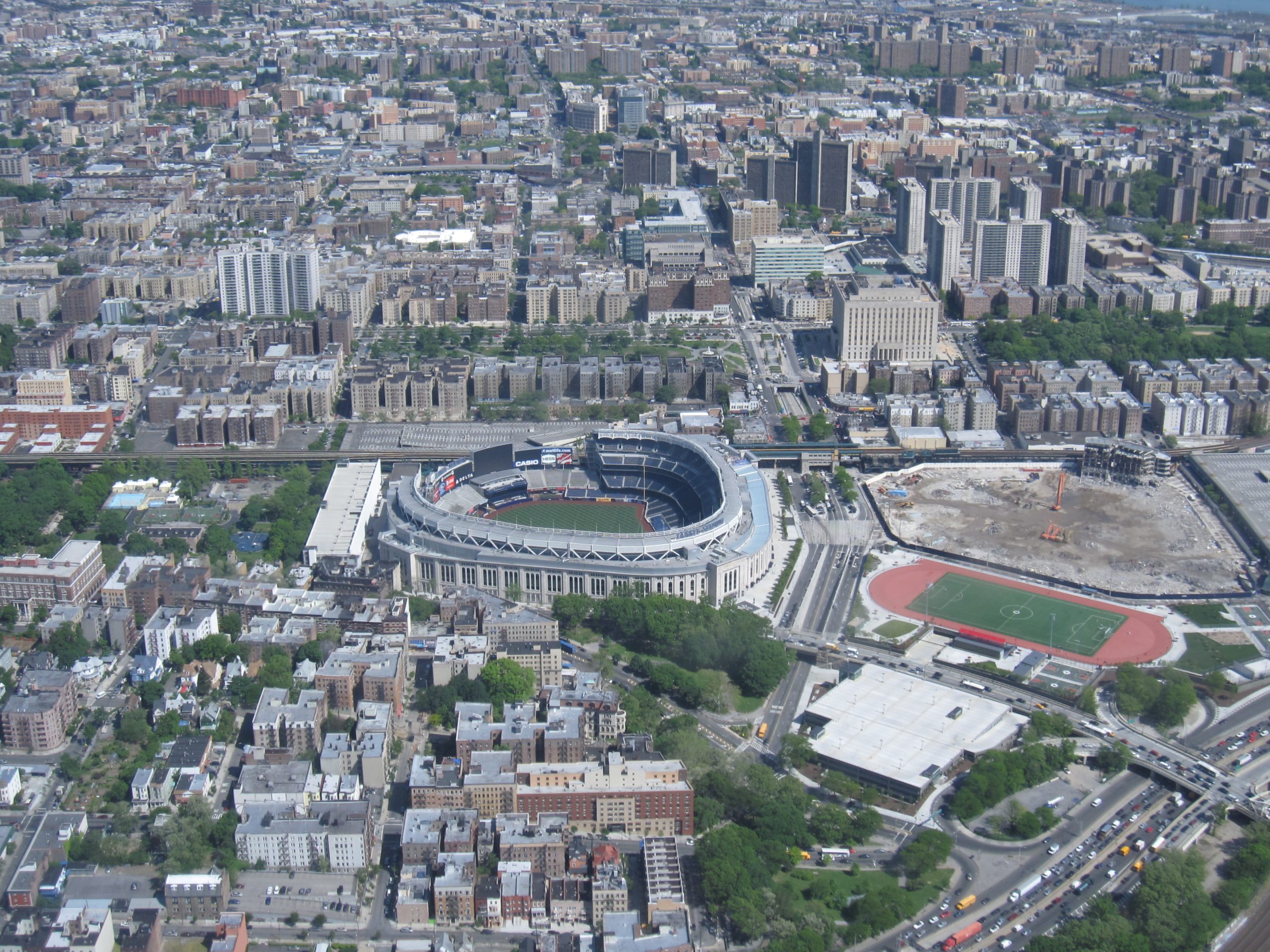
The South Bronx offers the strongest connection to Yankee Stadium, the Bronx Museum, Grand Concourse, and several cultural corridors, with subway access into Manhattan and within the borough. Hotel inventory is limited compared with Midtown.

Staying near Fordham or the New York Botanical Garden places northern attractions closer, but travel to southern events takes longer and neighborhood lodging choices vary. Upper Manhattan provides broader accommodation and direct subway links across the Harlem River, though it sacrifices the feeling of waking inside the borough.

Choose southern neighborhoods for immersion, northern transit nodes for garden and university access, or Upper Manhattan for hotel choice. The exact event cluster should decide the base.

Bottom Line & Key Days

Bottom Line

The week makes the borough's scale feel personal. A parade group, a food counter, a museum wall, and an honoree's speech can reveal different versions of the same insistence: this is a place of authorship, not a backdrop for someone else's story.

Travel slowly enough to stay within a neighborhood and listen through the formal recognition as well as the music. The reward is a New York experience defined by residents who understand local difficulties, hard-won achievements, humor, pride, and creative power from the inside.

Key Days

Orientation
Choose the primary neighborhood cluster, check subway changes, and visit a nearby cultural institution before the largest events.

Community Program
Attend a local ceremony, discussion, or family event and remain for the civic context surrounding it.

Recognition
Hear the stories of local honorees whose work connects individual achievement with borough identity.

Parade Day
Reach the route early, support local vendors, and allow street closures to shape the entire afternoon.

Neighborhood Close
End with a meal and a deliberate walk in the same district rather than rushing back across the city.

Ready to Experience Bronx Week?

You've explored what makes this festival special. Now it's time to plan your trip. Compare flights, book your hotel, arrange transportation, and take care of your travel essentials—all in one place.

✈ Find Flights

Loading booking widget...

Booking is completed on Expedia in a new tab.

🏨 Find Hotels

Search places to stay

Powered by Booking.com

Booking is completed on Booking.com in a new tab.

Rail & Bus Travel

Compare train and coach routes for the journey.

Compare Routes

Things to Do

Discover tours and attractions before or after the festival.

Explore Experiences

eSIM Mobile Data

Stay connected abroad without traditional roaming charges.

Get an Airalo eSIM

Travel bookings are provided by our trusted partners. We may earn a commission when you book through these links, at no additional cost to you.

Independent Editorial Standards

Every Follow the Festivals guide is independently researched and regularly reviewed using official festival information, destination resources, and trusted travel references. We also welcome verified updates from festival organizers, destination marketing organizations, tourism partners, and local experts to help keep our guides accurate, current, and useful for travelers.

Represent this festival or have a verified update to share? We'd love to hear from you through our contact page.