
Follow the Festivals

Carnival of Veracruz City

Carnival of Veracruz City

Veracruz, Mexico

2027-02-02 - 2027-02-10

The Story

Festival Overview

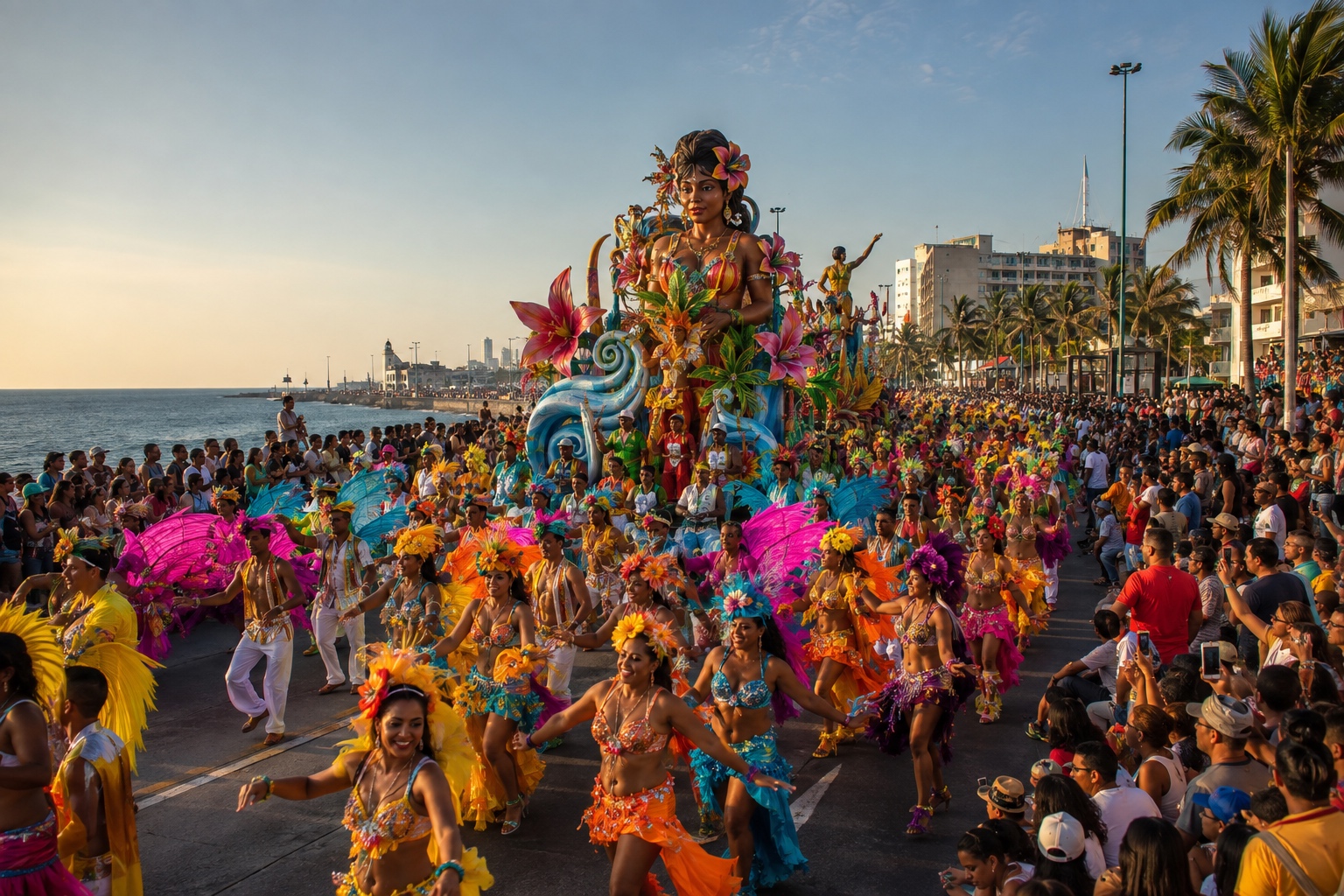
Veracruz meets the Gulf with an easy swagger: cargo ships beyond the harbor wall, marimba and son jarocho in the plazas, café tables under the arcades, and salt air moving across the malecón. During Carnival, that everyday port-city rhythm becomes louder and more theatrical. Comparsas sweep through the waterfront streets, brass and percussion ricochet between buildings, and elaborate costumes flash beneath the coastal light.

The celebration is public and porous rather than sealed inside a showground; families, dancers, musicians, and visitors share the same avenues before regrouping around the historic center. Travelers come for the parades, but the deeper pleasure is watching Veracruz perform its own identity—Afro-Caribbean, Indigenous, Spanish, maritime, and unmistakably jarocho. Days begin with seafood and a slow walk through the center, then gather force as the heat softens and the waterfront fills. By night, the Gulf breeze, music, and moving crowd turn the city into one long communal dance floor.

Why This Festival Is Special

Travelers choose Veracruz because the carnival’s identity cannot be separated from the port. Other great carnivals may offer larger floats or more formal sambadrome spectacle, but Veracruz gives the celebration a maritime, jarocho rhythm: the Gulf is beside you, son and tropical music shape the soundscape, seafood anchors the day, and the old port remains part of every route.

Comparsas feel like civic participants rather than supporting decoration, carrying neighborhood wit and collective pride into the procession. The freedom to move between monumental waterfront spectacle and a café table on the Zócalo adds unusual texture. This is not simply Carnival staged in Veracruz; it is Veracruz explaining itself through movement, mixture, and music.

Festival Experience

What to Expect

Expect heat, humidity, music at close range, and crowds that expand rapidly as parade time approaches. Daylight brings families, children in costume, rehearsing dance groups, and the best chance to study float work before darkness flattens the details.

Once a procession starts, movement along the waterfront slows and the experience becomes delightfully collective: spectators call to performers, percussion rolls down the avenue, and vendors thread carefully through the edges. Concerts and dancing extend the celebration beyond the parade itself.

The city remains active between headline moments, so a satisfying day combines one major procession with a plaza break, a seafood meal, and unplanned time around the center. Rain, wind, or route controls can change the pace without diminishing the carnival mood.

Festival Highlights

  • Waterfront Parades — Floats, dance troupes, comparsas, and costumed performers turn the Gulf-facing avenues into Carnival’s grandest stage.
  • Comparsa Rhythm — Coordinated neighborhood groups bring choreography, percussion, humor, and local pride to the route.
  • Zócalo Evenings — The historic square offers music, café life, and a more intimate place to absorb the celebration between major events.
  • Jarocho Sound — Son, tropical music, brass, and Caribbean-influenced rhythms connect the spectacle to Veracruz’s musical identity.
  • Port-City Promenade — Walking from the old center toward the harbor reveals how completely the celebration belongs to the destination.

Getting There & Around

Where It Happens

Carnival unfolds across Veracruz rather than within a single fenced ground. The malecón and broad waterfront avenues hold the largest processions, where grandstands, barriers, music, and tightly packed spectators create the event’s most spectacular scale.

The Centro Histórico provides a more intimate counterpoint: the Zócalo, arcaded streets, cafés, and plazas become gathering places before and after the route comes alive. Smaller performances and informal dancing can surface wherever a band or comparsa finds room.

Boca del Río may also enter a visitor’s route through lodging and coastal dining, but the emotional center remains the historic port and its Gulf-facing promenade. Distances can look short on a map yet take time once parade controls redirect foot and road traffic.

Getting Around

Walking is the most rewarding way to experience the historic center and nearby waterfront, but parade barriers can turn a direct route into a long detour. Choose one side of the main procession before the crowd locks in, and avoid planning frequent crossings once floats begin moving.

Taxis and app-based rides are useful for Boca del Río or distant hotels, though pickup points closest to the malecón become congested after major events. Ask your lodging to identify a reliable meeting place several blocks from the busiest avenue.

Driving into the center adds parking and road-closure problems without improving the experience. Comfortable closed shoes matter on uneven paving, and a small daily radius will reveal more than repeatedly chasing activity across the metropolitan coast.

Visitor Guide

Festival Food & Drink

Veracruz cooking gives Carnival its essential counter-rhythm: bright, saline, and built for lingering after hours in a moving crowd. Seafood reflects the city’s relationship with the Gulf, while tomatoes, olives, capers, chiles, herbs, and tropical fruit reveal centuries of exchange through the port. Begin with a substantial lunch before taking a parade position, then use picadas or a chilled seafood cocktail for shorter breaks. Pescado a la veracruzana deserves a proper table because its tomato, olive, and caper sauce is a compact history of the city on one plate. Arroz a la tumbada, a loose seafood rice, works especially well for sharing. Finish with a torito, the creamy local drink flavored with peanut or fruit, but treat it as a drink to savor rather than a substitute for water in the coastal heat.

Must Try
• Pescado a la veracruzana — Fish cooked in a tomato sauce sharpened with olives, capers, herbs, and chiles.
• Arroz a la tumbada — Brothy coastal rice filled with shrimp, shellfish, fish, and deep seafood flavor.
• Picadas — Thick corn rounds pinched at the edges and topped with salsa, cheese, onion, or meat.
• Coctel de camarón — Chilled shrimp in a tangy tomato-based sauce with citrus, onion, and avocado.
• Torito — A sweet, creamy Veracruz drink commonly flavored with peanut, coffee, coconut, or tropical fruit.

Budget & Costs

Carnival can be experienced across several spending levels because much of its atmosphere lives in public space. Waterfront or historic-center lodging carries the greatest premium, especially when booked late, while Boca del Río may offer more hotel choice at the cost of additional transport.

Reserve separately for any grandstand, concert, or hospitality experience you choose, but do not underestimate the pleasure available through walking, plaza music, and street viewing. Seafood restaurants range from casual family spots to polished waterfront dining.

Rides become less efficient at peak times, so a walkable base often offsets a higher room rate. Keep small cash for snacks and vendors while using secure payment methods for larger purchases.

Tips for First-Time Visitors

Choose one principal parade and shape the day around it instead of trying to follow every float, concert, and dance group. Reach your viewing area early enough to see where shade, restrooms, and exits sit, then accept that leaving will be gradual.

Carry water, sun protection, a light rain layer, and only the valuables you need. Learn the difference between the malecón’s large-scale spectacle and the Zócalo’s more social rhythm; experiencing both makes the carnival feel like Veracruz rather than a generic parade.

A few words of Spanish improve food ordering and everyday exchanges. Leave room for a late seafood meal, when the route begins to clear and the city exhales without going quiet.

Safety

Treat the densest parade sections as you would any major urban gathering. Keep your phone, wallet, and documents secured against the body, establish a meeting point before signals become unreliable, and avoid pushing toward an exit while a float is passing.

Coastal heat and humidity create more routine risk than drama, so alternate water, shade, food, and rest throughout the day. Use staffed transport or a reputable ride service after late events, and wait in a bright, populated location away from moving barriers.

Watch for slick pavement after rain or spray. Families should write contact details for children and identify uniformed event or emergency personnel on arrival.

Cultural Significance

Carnival expresses Veracruz’s historic role as Mexico’s Caribbean-facing port. Indigenous, African, Spanish, and wider Atlantic influences meet in the city’s music, dance, food, and public humor, and the celebration makes those layers visible at street scale.

Comparsas are more than decorative entertainment: they represent collective rehearsal, neighborhood identity, and the pleasure of performing for one’s own city. The festival also extends a long tradition of using masquerade, rhythm, and satire to loosen everyday hierarchies.

For travelers, its value lies in seeing cultural mixture presented as a living civic language rather than a museum theme. The harbor is not scenery behind the event; it is the reason Veracruz developed the outward-looking character Carnival celebrates.

Plan Your Journey

When to Go

Arrive before the main parade cycle so Veracruz can register as a destination before it becomes a spectacle. A quiet morning around the Zócalo, the port, and the waterfront gives context to the streets that will later carry the densest crowds.

Parade afternoons reward an early position and a patient pace; evenings are cooler, louder, and more celebratory, with music continuing after the largest processions pass. Travelers who want costume detail and family atmosphere should prioritize daylight hours, while those drawn to dancing and concert energy will prefer the waterfront after dark.

Build in a slower morning after the peak celebration rather than planning an early departure.

Where to Stay

The Centro Histórico is the strongest base for travelers who want atmosphere and the freedom to walk between the Zócalo, cafés, and sections of the malecón. Rooms here place the port-city character outside the door, though carnival nights can remain noisy well after a parade ends.

The waterfront hotel zone offers Gulf views and convenient access to evening activity, but its busiest roads and entrances may move slowly during major processions. Boca del Río has larger modern hotels, beach access, and a calmer retreat from the center; choose it if resort comfort matters more than walking home. Wherever you stay, favor a property with round-the-clock reception and a clearly managed pickup point.

Bottom Line & Key Days

Bottom Line

Come to Veracruz when you want Carnival to feel less like a performance viewed from a distance and more like a current moving through an entire city. The richest itinerary pairs the float-lined waterfront with the quieter rituals that give it meaning: coffee under the arcades, fish in a tomato-and-olive sauce, son jarocho near the square, and a late walk with the harbor lights beyond the crowd.

What lingers is not one costume or headline concert, but the sensation of a Gulf port turning its layered history into public joy. Few festival journeys make destination and celebration feel this inseparable.

Key Days

Arrival

Settle near the historic center or waterfront, walk the Zócalo and malecón, and learn the city’s geography before barriers alter familiar routes.

Opening

Use the gentler early atmosphere for costume details, family programming, and a first comparsa before the largest crowds arrive.

Parade Peak

Choose a waterfront position early, remain through the principal procession, and expect the avenue to empty slowly afterward.

Evening

Move toward plaza music, dancing, and a late seafood meal once the formal spectacle gives way to Veracruz nightlife.

Closing

Return for a final promenade and quieter city meal, letting the port’s everyday rhythm reappear beneath the Carnival afterglow.

Ready to Experience Carnival of Veracruz City?

You've explored what makes this festival special. Now it's time to plan your trip. Compare flights, book your hotel, arrange transportation, and take care of your travel essentials—all in one place.

✈ Find Flights

Loading booking widget...

Booking is completed on Expedia in a new tab.

🏨 Find Hotels

Search places to stay

Powered by Booking.com

Booking is completed on Booking.com in a new tab.

Rail & Bus Travel

Compare train and coach routes for the journey.

Compare Routes

Things to Do

Discover tours and attractions before or after the festival.

Explore Experiences

eSIM Mobile Data

Stay connected abroad without traditional roaming charges.

Get an Airalo eSIM

Travel bookings are provided by our trusted partners. We may earn a commission when you book through these links, at no additional cost to you.

Independent Editorial Standards

Every Follow the Festivals guide is independently researched and regularly reviewed using official festival information, destination resources, and trusted travel references. We also welcome verified updates from festival organizers, destination marketing organizations, tourism partners, and local experts to help keep our guides accurate, current, and useful for travelers.

Represent this festival or have a verified update to share? We'd love to hear from you through our contact page.