
Follow the Festivals

Christmas Village in Philadelphia

Christmas Village in Philadelphia

Philadelphia, United States

2026-11-26 - 2026-12-24

The Story

Festival Overview

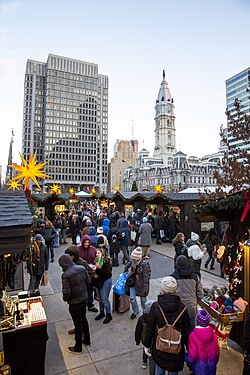
Philadelphia's winter center brings European-style market stalls into a distinctly American civic landscape of City Hall stone, LOVE Park, transit entrances, office towers, and holiday crowds moving between shopping, ice skating, museums, and restaurants. Christmas Village gathers makers, ornaments, food, gifts, and seasonal lighting in an open-air market whose strongest feature is location rather than fantasy. The skyline and public squares remain visible between wooden booths. It is less a transported German town than a Philadelphia holiday ritual shaped by walkability, local vendors, regional food, and the monumental presence of City Hall. The market also sits within a city that has long connected commerce and public life, from Reading Terminal to neighborhood commercial corridors. Its credibility grows when temporary holiday retail joins that existing culture instead of replacing it.

Why This Festival Is Special

Holiday markets appear across American cities, but Philadelphia's gains identity from its placement beneath City Hall and beside LOVE Park, transit, Reading Terminal, museums, and historic neighborhoods. The village remains part of a real civic center rather than a self-contained themed compound. Travelers choose it because gift browsing can become one chapter in a broader urban day. The strongest version feels unmistakably local: Pennsylvania food, regional makers, monumental architecture, and winter street life sharing the same compact walk.

Festival Experience

What to Expect

Daytime offers easier conversations with vendors, clearer views of handmade goods, and less pressure around food. As darkness falls, office workers, families, tourists, lights, and holiday music intensify the public squares. Stalls range from regional makers to imported crafts and familiar seasonal products, requiring discernment rather than assuming every item is locally made. Expect cold, limited seating, food queues, bags, strollers, and wet pavement. A strong visit includes deliberate shopping, one warming dish, and time to see City Hall and the surrounding civic center as part of the scene.

Festival Highlights

  • Wooden market stalls framed by Philadelphia City Hall's monumental architecture.
  • Regional makers offering gifts with clearer local connection than generic holiday retail.
  • German and Central European foods reinforcing the market tradition in cold weather.
  • Evening lights linking LOVE Park to nearby public holiday spaces.
  • Easy transit allowing the village to join museums, history, and Center City dining.
  • Weekday browsing creating genuine conversations with craftspeople before weekend crowds.

Getting There & Around

Where It Happens

The market uses LOVE Park and adjacent Center City public spaces near Philadelphia City Hall, with holiday programming extending toward Dilworth Park and nearby streets. Wooden stalls, food, seating, performance areas, and pedestrian crossings create several connected zones divided by busy roads and transit entrances. The layout is compact but not one sealed enclosure. Begin at the less crowded edge, cross only at signals, and treat skating or other neighboring attractions as separate reservations rather than assuming instant access from the market aisle.

Getting Around

SEPTA subway, regional rail, bus, trolley, and walking make Center City access easier than driving. City Hall and Suburban Station place several entrances near the market, while garages charge holiday rates and downtown traffic slows after dark. Begin at one transit edge, walk the market in a single loop, and cross toward Dilworth Park only at controlled intersections. After weekend closing, use an entrance away from the busiest food corner. Wet or icy pavement makes short blocks slower, so avoid chaining distant reservations too tightly. Build the day around one transit spine: arrive near City Hall, walk the market and adjacent attraction in sequence, then depart from Suburban Station or the chosen subway. Crossing the same busy streets repeatedly adds little value.

Visitor Guide

Festival Food & Drink

Market food should provide warmth and a point of comparison rather than replace Philadelphia's wider table. Try one Central European specialty at the village, then use Reading Terminal Market, Chinatown, or a Center City restaurant for a fuller meal. Ask whether baked goods and prepared foods are made locally, and eat before peak evening lines. Hot drinks warm the hands but require care in crowded aisles.

Must Try
• Bratwurst — Grilled German sausage served in bread with mustard and optional sauerkraut.
• Raclette — Melted cheese scraped over potatoes, bread, or vegetables.
• Potato pancakes — Crisp grated-potato cakes served with applesauce or sour cream.
• Soft pretzel — Philadelphia staple with a chewy interior, browned crust, and coarse salt.
• Shoofly pie — Pennsylvania Dutch molasses pie with a crumb topping and deep caramel flavor.

Budget & Costs

Entry is generally accessible, so purchases, food, Center City lodging, parking, skating, and related attractions determine spending. University City or outer transit-connected hotels can reduce room cost, while driving may erase savings through garages. Set a gift budget before entering and reserve money for one well-made local item instead of several generic decorations. Public transit and a meal beyond the market stabilize the day. Spend on craftsmanship, warmth, and a convenient route; premium holiday packages are unnecessary for the central experience. Shipping a genuine artisan piece may be more sensible than buying several portable generic items. Include packaging and delivery in the comparison, especially when air travel or a crowded train follows the market visit.

Tips for First-Time Visitors

Visit on a weekday if vendor conversation and thoughtful gifts matter. Ask where an item was made and what process or material distinguishes it; market architecture alone does not guarantee artisan production. Carry a reusable bag, dress for standing outdoors, and keep hands free on wet pavement. Eat before the evening rush and step out of the aisle before comparing purchases. Combine the village with one nearby Philadelphia institution rather than racing among every holiday attraction. Keep receipts and ask vendors about shipping for fragile or oversized work. Carrying delicate purchases through dense evening crowds and transit can damage the object and create unnecessary obstruction in narrow stall aisles.

Safety

Cold, rain, ice, traffic, hot drinks, crowd congestion, and pickpocketing require ordinary city awareness. Wear footwear with grip, keep bags closed, and move out of aisles before stopping. Children need close supervision near streets and transit entrances. Use marked crossings between holiday zones and never follow crowd shortcuts through traffic. Alcohol should remain measured in cold weather. After dark, choose busy well-lit transit routes and wait inside a station or hotel lobby for rideshare rather than beside a congested curb. Cold stress can build gradually during slow browsing. Schedule an indoor warming break before hands become numb, since reduced dexterity makes hot drinks, stairs, phones, packages, and children's clothing harder to manage safely.

Cultural Significance

Christmas Village is a contemporary seasonal market rather than an inherited Philadelphia folk festival. Its importance comes from how Center City uses public space in winter, giving small businesses and makers access to heavy pedestrian traffic while linking City Hall, transit, retail, and civic gathering. The German-market model is imported, but local food, vendors, architecture, and regional visitors reshape it. The event matters as an evolving urban tradition whose credibility depends on supporting makers rather than reproducing generic holiday merchandise.

Plan Your Journey

When to Go

Weekday afternoons from Tuesday through Thursday provide the easiest stall conversations and clearest browsing, while Friday and Saturday evenings bring full lighting and the densest queues. The week after Thanksgiving carries fresh inventory and opening energy; early December balances atmosphere and availability; the final pre-Christmas days feel urgent and crowded. Two visits are worthwhile for serious shopping, but one afternoon-to-evening progression is enough for most travelers. Cold rain and wind make daylight browsing more comfortable. Arrive before dusk, eat early, and finish near the transit used to return. A second weekday visit suits gift buyers who want to reconsider craftsmanship after comparing stalls. Evening-only visitors lose the best vendor conversations, while daylight-only visitors miss the urban lighting that gives the village its civic atmosphere.

Where to Stay

Center City near City Hall offers immediate market access, broad transit, and walkability to museums and restaurants at holiday premiums. Rittenhouse Square provides elegant streets, dining, and a short westward walk with a calmer evening. Old City adds historic atmosphere and Independence sites but requires a subway or longer walk to the village. University City offers broader hotel value on direct transit. Choose Center City for convenience, Rittenhouse for balance, Old City for history, or University City for price. A station entrance close to the hotel matters in freezing rain. Families may prefer suite-style lodging in Center City or University City for storage and warm breaks, while couples focused on dining gain more from Rittenhouse. Compare elevator access and luggage handling if purchases may become bulky.

Bottom Line & Key Days

Bottom Line

The village is most persuasive when City Hall rises beyond the stall roofs and a purchase carries a maker's story rather than only seasonal packaging. Philadelphia earns the trip by refusing to disappear behind the imported market form. Arrive before dusk, choose craftsmanship carefully, and continue into the city's food or history. The lasting holiday memory comes from the civic landscape around the lights, not from pretending Center City is somewhere in Europe. The strongest purchase carries the city home through material, maker, or flavor rather than a logo. That standard turns the village from seasonal consumption into a more meaningful encounter with how Philadelphia gathers, sells, eats, and celebrates in winter.

Key Days

Center City Arrival

Settle near transit and walk the market perimeter before evening crowds.

Maker Afternoon

Browse slowly, ask where goods were made, and choose one meaningful local purchase.

Holiday Evening

Eat before peak queues and see City Hall, LOVE Park, and nearby lights together.

Weekend Peak

Use a single walking loop and keep crossings, children, and bags carefully managed.

Philadelphia Close

Finish with a museum, market hall, or neighborhood meal beyond the village stalls.

Ready to Experience Christmas Village in Philadelphia?

You've explored what makes this festival special. Now it's time to plan your trip. Compare flights, book your hotel, arrange transportation, and take care of your travel essentials—all in one place.

✈ Find Flights

Loading booking widget...

Booking is completed on Expedia in a new tab.

🏨 Find Hotels

Search places to stay

Powered by Booking.com

Booking is completed on Booking.com in a new tab.

Rail & Bus Travel

Compare train and coach routes for the journey.

Compare Routes

Things to Do

Discover tours and attractions before or after the festival.

Explore Experiences

eSIM Mobile Data

Stay connected abroad without traditional roaming charges.

Get an Airalo eSIM

Travel bookings are provided by our trusted partners. We may earn a commission when you book through these links, at no additional cost to you.

Independent Editorial Standards

Every Follow the Festivals guide is independently researched and regularly reviewed using official festival information, destination resources, and trusted travel references. We also welcome verified updates from festival organizers, destination marketing organizations, tourism partners, and local experts to help keep our guides accurate, current, and useful for travelers.

Represent this festival or have a verified update to share? We'd love to hear from you through our contact page.