
Follow the Festivals

Fiesta de la Patria Gaucha

Fiesta de la Patria Gaucha

Tacuarembo, Uruguay

2027-02-27 - 2027-03-07

The Story

Festival Overview

At Laguna de las Lavanderas, Tacuarembó builds a temporary country of criollo societies, campamentos, horses, fires, skills, and stories. Riders compete, traditionalists reconstruct rural settlements, cooks tend asado, and music carries the gathering after arena dust settles.

The festival is not a costume pageant detached from work. Its strongest material lies in technique—saddling, riding, roping, cooking, building, mate preparation—and in the societies that argue over how gaucho memory should be represented.

Why This Festival Is Special

Patria Gaucha creates heritage at full scale. Campamentos are not small display booths; they form lived environments where food, craft, animals, and social roles can be examined together.

The lagoon grounds make memory competitive and communal. Tradition is defended through precision, argued through reconstruction, and renewed around shared fires.

Festival Experience

What to Expect

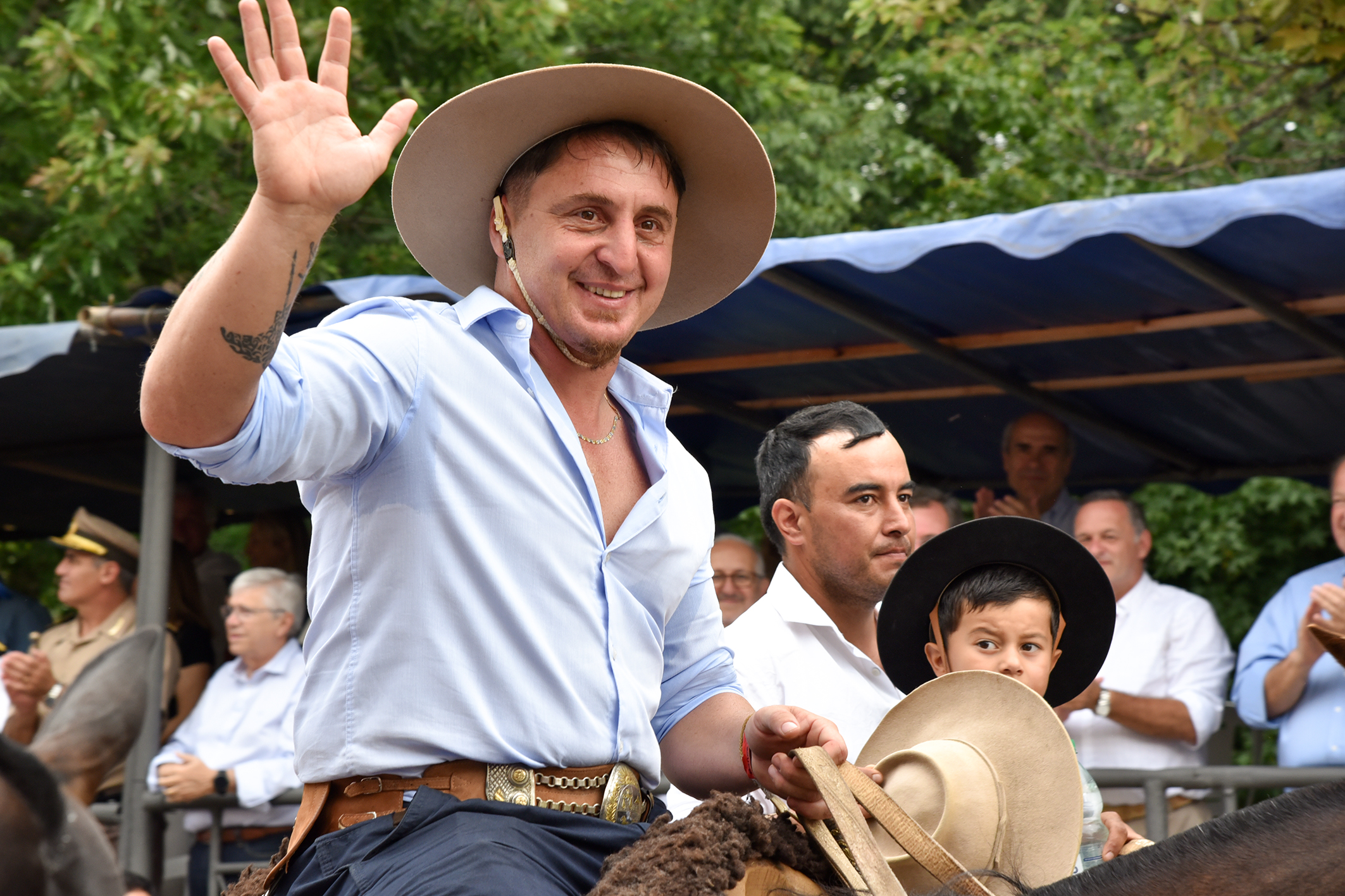
Expect equestrian contests, jineteadas, demonstrations of rural skill, historical reconstructions, folk music, dancing, grills, mate, national dress, and a crowd with deep knowledge of horses and tradition.

Arena events involve risk to riders and animals. Watch from designated areas and avoid romanticizing injury. The campamentos reward slow observation and questions asked when participants are not preparing to compete.

Uruguayan gaucho identity shares a wider borderland with Argentina and southern Brazil, but local societies emphasize their own national histories and rural memory.

Festival Highlights

  • Criollo societies constructing detailed campamentos around the lagoon
  • A horse-and-rider skill contest where control matters more than theatrical speed
  • The main parade of horses, societies, and traditional dress
  • Asado smoke gathering around long communal meals
  • Folk song and dance carrying rural repertoire into the night
  • Conversations with craftspeople preserving leatherwork, saddlery, and domestic skills

Getting There & Around

Where It Happens

The principal grounds surround Laguna de las Lavanderas, where reconstructed campamentos, arenas, stages, food areas, and society spaces create a large walking circuit.

The city participates through arrivals, shops, streets, and public celebration, yet the emotional center remains the campfire-and-horse landscape beside the lagoon.

Getting Around

Tacuarembó is reached by intercity bus or road, and local taxis connect town with the grounds. Festival traffic slows the final approach.

Inside, walking distances and horse routes require attention. Wear closed shoes and never cross an active equestrian lane.

Visitor Guide

Festival Food & Drink

Food belongs to the camp as much as the concession row. Beef and sausage cook over wood, mate circulates through long periods of watching, and tortas fritas answer weather, appetite, and rural habit. The fire is a social center.

Choose an asado stall that cooks steadily and can identify its cuts. Share meat, add bread or salad, and pace portions across the day. Mate is personal equipment; do not assume a shared gourd is open to strangers.

#### Must Try

• **Asado de tira:** Cross-cut beef ribs over wood fire express Uruguay’s cattle culture and patient grilling.

• **Choripán:** Sausage in bread is the practical arena meal, especially with chimichurri or salsa criolla.

• **Torta frita:** Fried dough belongs to rural gatherings and becomes especially welcome in cool or wet weather.

• **Empanada criolla:** Meat, onion, egg, and seasoning turn ranch ingredients into a portable festival dish.

• **Mate:** The bitter infusion structures conversation and waiting, reflecting everyday social ritual beyond refreshment.

Budget & Costs

Budget: Stay in town, use buses or shared taxis, focus on daytime grounds, and eat one communal grill meal.

Mid-Range: Add a comfortable hotel, reserved transport, arena tickets, and several full days.

Higher Spend: A private regional guide and rural extension deepen context. Spend on knowledge and access logistics, not staged authenticity.

Tips for First-Time Visitors

Study the day’s horse program and campamento judging before arrival. Ask participants about the skill or object in front of you, not an abstract idea of “the gaucho.”

Bring sun, rain, and dust protection. Respect animals, working zones, and the concentration required before competition.

Safety

Horses, dust, heat, fires, and dense arena exits require awareness. Stay behind barriers and supervise children near animals.

Use a sober driver after evening music, protect against sun, and follow officials during storms or equestrian incidents.

Cultural Significance

The fiesta gives Uruguay’s traditionalist societies a national forum for preserving and interpreting gaucho heritage. Reconstruction, competition, music, and craft turn rural memory into public practice.

It also raises questions about whose labor appears in the national story. Women, Indigenous histories, Afro-Uruguayan culture, ranch workers, and border influences complicate the solitary horseman icon.

Plan Your Journey

When to Go

The March gathering develops across several days, with early camp life, skill contests, equestrian programs, parades, and final competitions producing different moods.

Attend at least one weekday and the principal weekend. Daylight reveals craft and horse work; evenings bring national music and social intensity. Confirm the annual program and arena timetable.

Where to Stay

Central Tacuarembó offers hotels, restaurants, and a calmer sleep away from the grounds. Rural lodging adds landscape but requires dependable transport.

Rooms become scarce, so reserve early. A property with secure parking and realistic late return arrangements matters more than decorative gaucho styling.

Bottom Line & Key Days

Bottom Line

This is Uruguay’s gaucho inheritance treated as practiced knowledge, not decorative folklore.

Spend less time chasing the loudest arena moment and more time reading the camps, hands, horses, and fires that sustain it.

Key Days

Campamento opening — Societies establish reconstructed rural worlds and daily routines.

Skill competitions — Horsemanship and practical knowledge move into judged public form.

Main parade — Riders and societies present a collective national image.

Final arena and music program — Competition resolves as the gathering turns toward farewell.

Ready to Experience Fiesta de la Patria Gaucha?

You've explored what makes this festival special. Now it's time to plan your trip. Compare flights, book your hotel, arrange transportation, and take care of your travel essentials—all in one place.

✈ Find Flights

Loading booking widget...

Booking is completed on Expedia in a new tab.

🏨 Find Hotels

Search places to stay

Powered by Booking.com

Booking is completed on Booking.com in a new tab.

Rail & Bus Travel

Compare train and coach routes for the journey.

Compare Routes

Things to Do

Discover tours and attractions before or after the festival.

Explore Experiences

eSIM Mobile Data

Stay connected abroad without traditional roaming charges.

Get an Airalo eSIM

Travel bookings are provided by our trusted partners. We may earn a commission when you book through these links, at no additional cost to you.

Independent Editorial Standards

Every Follow the Festivals guide is independently researched and regularly reviewed using official festival information, destination resources, and trusted travel references. We also welcome verified updates from festival organizers, destination marketing organizations, tourism partners, and local experts to help keep our guides accurate, current, and useful for travelers.

Represent this festival or have a verified update to share? We'd love to hear from you through our contact page.