
Follow the Festivals

Overview

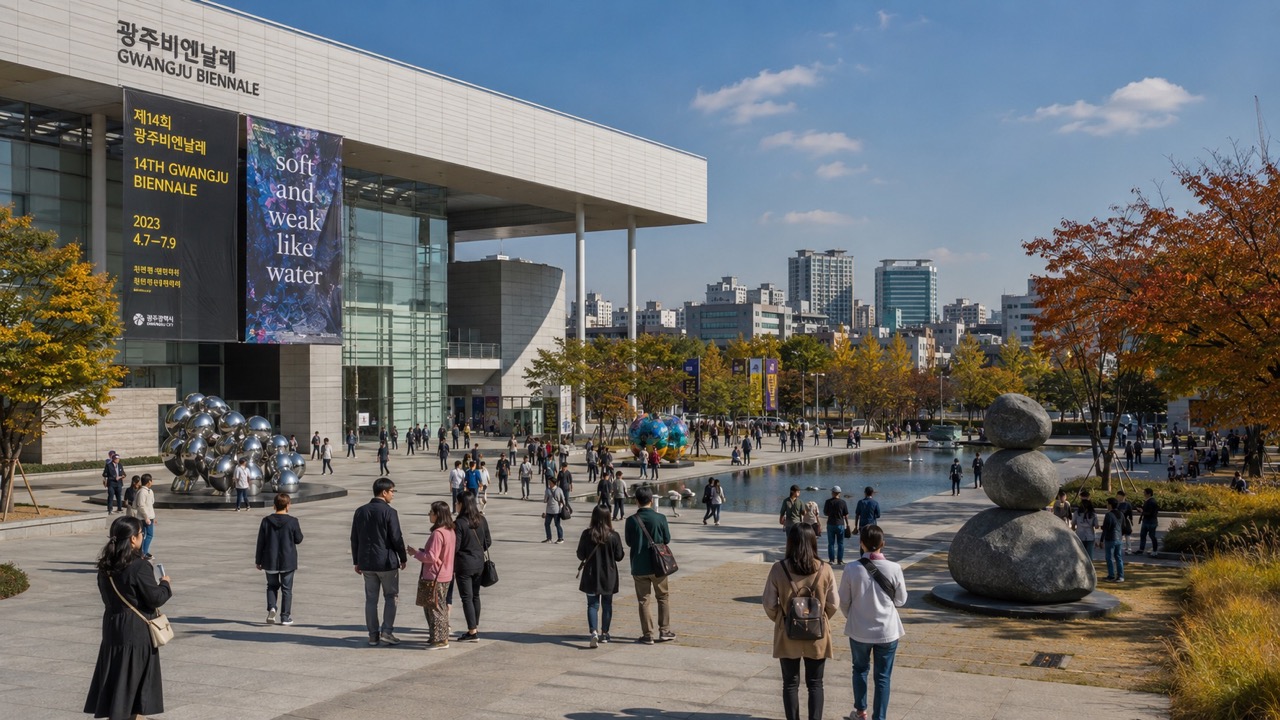
In Gwangju, Gwangju Biennale is known for contemporary art on an international scale with exhibitions, ideas, and civic context tied to Gwangju's history. Even first time visitors can understand the festival quickly because the main experiences are concentrated and memorable. Visitors who arrive with a loose plan will enjoy it more, particularly once the evening crowds build.

Cultural Significance

Gwangju Biennale is culturally important because it helps frame how Gwangju participates in contemporary film, art, design, or performance culture. The event often works as both a public festival and a statement about creative identity.

Why it's special

What makes Gwangju Biennale special is the way Gwangju and the festival reinforce each other. The event does not feel interchangeable. Its strongest moments only really make sense in this place, with this crowd, and in this specific seasonal window.

What to Expect

What it feels like: expect contemporary art on an international scale with exhibitions, ideas, and civic context tied to Gwangju's history, busy peak periods, and a city rhythm that shifts noticeably around the festival. Crowd intensity usually rises in the late afternoon and evening, so build in extra transit and food time.

Festival Highlights

  • Contemporary art on an international scale with exhibitions
  • the key festival setting around the Biennale halls
  • a stronger atmosphere during the busiest dates of September 4 to November 29, 2026
Explore guided experiences.

Food & Drink

Korean set meals

  • market food
  • eat near the Biennale halls and partner spaces across Gwangju for the easiest festival day logistics
Discover local food tours.

Where It Happens

The main action centers on the Biennale halls and partner spaces across Gwangju. Depending on the edition, smaller related events may spread into surrounding neighborhoods, side venues, or public gathering points.

Find hotels near these areas.

Getting Around

Use public transport whenever it is practical, then switch to walking for the final stretch in the busiest zones. During Gwangju Biennale, rides can take longer than maps suggest, especially near parade routes, riverfronts, old towns, or major entry gates.

Book airport transfer.

Tips for First Timers

  • book accommodation early and keep it close to the main action
  • check the official program before each day because timings and access points can change
  • arrive earlier than you think on peak dates to avoid the worst queues and transport bottlenecks

Budget

Often one of the more flexible options in the dataset, though the best located rooms and festival dates still reward advance planning.

Safety

Expect heavy crowds on the main days. Keep valuables secure, follow local event guidance, and build in extra time at entry points, transport hubs, and after dark departure periods. For religious or ceremonial moments, dress and behave respectfully.

Key Days

September 4 to November 29, 2026

Festival window

September 4 to October 2, 2026

Opening stretch

around October 17, 2026

Peak period

November 1 to 29, 2026

Closing stretch

When to Go

The strongest time to go is September 4 to November 29, 2026. That window usually brings the fullest program, the clearest festival atmosphere, and the most complete version of what makes Gwangju Biennale worth the trip.

Booking is completed on Expedia in a new tab.

Check typical flight pricing for your preferred travel window before the busiest arrival days fill up.

Where to stay

Stay in central Gwangju with subway or bus access if you want easier mornings, simpler late returns, and less friction moving between core festival areas and the rest of the city.

Booking is completed on Expedia in a new tab.

Check typical hotel pricing for your preferred travel window before the busiest arrival days fill up.

Extend Your Trip

Nearby Festivals

Seasonal Festivals