
Follow the Festivals

Hong Kong Arts Festival

Hong Kong Arts Festival

Hong Kong, Hong Kong SAR

2027-02-18 - 2027-03-21

The Story

Festival Overview

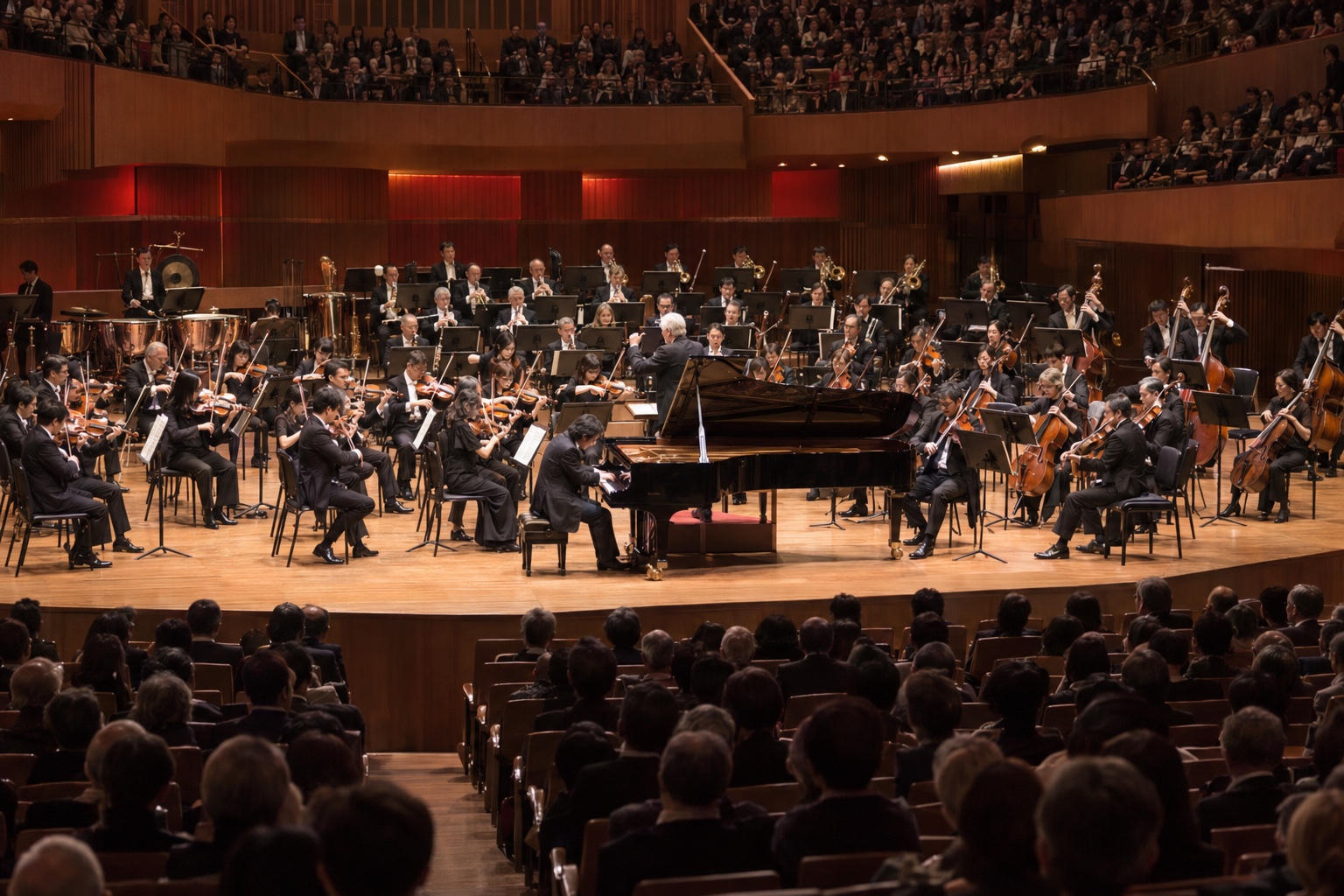
Hong Kong Arts Festival is experienced through crossings. A visitor leaves a symphonic concert beside Victoria Harbour, rides beneath the city and reaches an experimental work in West Kowloon or an intimate theatre in Wan Chai. The program brings international companies and leading regional artists into venues whose locations reveal different versions of Hong Kong.

The festival is not one continuous public gathering. It is a curated season of opera, music, theatre, dance, Chinese opera and arts technology, with ticketed performances spread across several weeks. Its energy accumulates through choices, conversations and the contrast between stage time and city time.

Planning is therefore part of the artistic experience. A strong trip selects a few essential works, leaves travel space between venues and uses each district as more than a transfer point. The governing idea is attention: Hong Kong moves quickly, while performance asks the traveler to become still. When the itinerary respects both rhythms, the festival turns a collection of bookings into a cultural journey across the city.

Why This Festival Is Special

Hong Kong Arts Festival is special because the destination remains active around every performance. A harbour crossing can precede an opera, a dense commercial street can lead into experimental theatre, and a late bowl of noodles can extend discussion after dance. Art does not seal the traveler away from Hong Kong; it changes how the city is read.

The program’s breadth creates meaningful friction. Different languages, performance traditions and ideas of audience behavior appear close together. A visitor must adjust, not simply consume. That adjustment is where cultural travel becomes more than attendance.

Venue geography contributes its own narrative. Established halls carry decades of public memory, while newer cultural districts announce future ambition. The festival allows both to function inside one itinerary.

Its deepest achievement is sustained attention in a city famous for speed. When lights fall, thousands of individual journeys pause for the same work. They emerge into motion again with a shared reference that did not exist before the curtain. The festival becomes memorable because stillness and velocity sharpen one another across Hong Kong.

Festival Experience

What to Expect

Expect formal excellence without a single dress code. Audiences may arrive from offices, universities, international travel or neighborhood homes. Smart casual clothing works for most performances, while gala occasions may invite greater formality. The essential etiquette is punctuality. Late seating can be delayed until an interval or refused for some works.

Programs move across languages and artistic traditions. Surtitles may be provided, but their placement varies by hall. Read the production notes before choosing a seat if translation is important. Contemporary work can use standing, immersive movement or unusual sound; check access and content information when comfort needs are specific.

Ticket collection and venue security require extra time. Arrive early enough to find the correct entrance, use facilities and let the street’s pace fall away. Phones should be silenced completely, and photography is normally prohibited during performance.

The most valuable expectation is intellectual range. A renowned company may deliver technical mastery, while a smaller regional collaboration changes how the city itself is understood. Avoid ranking value only by fame or ticket price. The festival becomes coherent when curiosity is given the same planning weight as prestige.

Festival Highlights

  • Opening Concert – A major musical event establishes the festival’s international scale. Arrive early, study the program and let the first performance set an attentive pace for the trip.
  • Landmark Opera – Large vocal and theatrical forces reveal the capabilities of Hong Kong’s principal stages. Confirm surtitles, running time and interval arrangements before selecting seats.
  • Contemporary Dance – Choreographers often use sound, bodies and technology to challenge conventional narrative. Read the work description, then leave interpretive space without demanding a literal plot.
  • Chinese Opera – Stylized movement, music and inherited repertoire connect the festival to regional performance history. Use introductory notes or talks to understand gesture, role type and musical structure.
  • Theatre Premiere – New productions reward audiences willing to meet unfamiliar language and form. Prioritize limited runs and allow discussion time after the curtain before rushing to another booking.
  • Arts Technology Work – Immersive or digital pieces can alter ordinary audience behavior. Check arrival windows, standing requirements and accessibility because the venue may function differently from a seated hall.
  • Festival PLUS Event – Talks, workshops and backstage encounters deepen one chosen production. Select events linked to existing tickets so context accumulates around a genuine artistic priority.
  • Closing Performance – The finale gathers emotional weight from the weeks before it. Attend if the work itself appeals, then let the ending close the journey without forcing one final late-night itinerary.

Getting There & Around

Where It Happens

The festival uses Hong Kong’s principal cultural venues as a distributed campus. Hong Kong Cultural Centre faces the harbour in Tsim Sha Tsui and hosts large music, opera and dance productions. Hong Kong City Hall in Central carries concert and theatre traditions close to the business district. The Academy for Performing Arts and Hong Kong Arts Centre anchor important work in Wan Chai.

West Kowloon Cultural District introduces a different scale through Freespace and other contemporary spaces. Its open waterfront and newer architecture encourage visitors to arrive early, though station exits and venue walks require attention. Smaller studios can place audiences much closer to performers.

Venue names are not interchangeable. One institution may contain several halls with separate entrances, acoustics and late-seating rules. Save the exact hall, address and ticketing instruction offline. Confirm whether tickets require collection and where accessibility services begin.

The city between venues completes the geography. Star Ferry crossings, MTR interchanges, elevated walkways and neighborhood streets all shape the evening. Pair each performance with one nearby meal or walk. That decision lets Hong Kong remain present around the art without turning curtain time into a transport gamble.

Getting Around

The MTR provides the most reliable framework for festival movement. Cultural Centre, City Hall, Wan Chai institutions and West Kowloon each connect to rail, but the final walk can involve tunnels, footbridges or large station complexes. Save the venue entrance, not only the institution name, and allow enough time to correct one wrong exit.

The Star Ferry is a memorable link between Central and Tsim Sha Tsui when weather and schedule cooperate. It turns a transfer into a harbour experience, though it should not carry a tight curtain deadline. Trams add local texture on Hong Kong Island but move slowly.

Taxis are useful after late performances or for mobility needs. Official queues can lengthen when several venues release together. Cross-harbour road traffic is unpredictable, so rail usually protects punctuality better before a show.

Build each evening backward from curtain time. Include the walk, ticket collection, security and a calm arrival buffer. Avoid pairing venues on opposite sides of the city with only a meal-length gap. The strongest festival itinerary recognizes that mental transition matters too; a short waterfront walk may prepare the audience more effectively than one additional attraction.

Visitor Guide

Festival Food & Drink

Performance dining in Hong Kong succeeds through timing. A bowl of noodles near the venue can be a better pre-curtain choice than an ambitious reservation across the harbour. Eat early, choose a restaurant that understands a deadline and keep the meal light enough for a long theatre. Afterward, use late dining for conversation when transport and energy allow.

**Must Try**
• Dim sum – Shared steamed and fried dishes make a rewarding festival-day lunch with time to spare.
• Wonton noodles – A fast Cantonese meal suited to tight pre-performance schedules.
• Roast goose – Crisp skin and rich meat offer a classic destination meal on an open evening.
• Claypot rice – A cooler-season specialty with savory toppings and a prized crisp base.
• Egg tart – A portable bakery pause between museum, ferry and venue.
• Milk tea – Strong black tea softened with evaporated milk, useful well before a late curtain.

Major cultural districts have polished dining, but neighborhood restaurants often provide greater character. Confirm closing times after long productions. Alcohol can dull attention and complicate late transfers, so save extended drinks for a night without an early performance.

Budget & Costs

Tickets span accessible seats, subscription offers and premium categories, so the main budget decision is selection. Begin with artistic priorities, compare sightlines and surtitles, then choose the least expensive seat that still supports the work. An obstructed or translation-poor location can make a bargain costly. Authorized advance booking may reward multiple performances, but discounts should not encourage weak choices.

Accommodation is often the largest expense. A hotel near a useful MTR line can offset taxi costs and protect punctuality. Late dining, program books and booking fees deserve their own allowance. Many museums, waterfront walks and neighborhood explorations provide rich daytime context at modest cost.

Set aside funds for one higher-priced anchor and several discoveries. Smaller productions can deliver the strongest memory when the traveler arrives curious. Avoid speculative resale channels.

Budget time with the same discipline as money. Crossing the city for a cheap seat can consume an afternoon and reduce attention for the evening. The most valuable plan pays for works that matter, lodging that supports movement and enough unscheduled space to experience Hong Kong between curtains.

Tips for First-Time Visitors

Create the itinerary from the official program, then verify every booking through the authorized ticketing channel. Similar production titles, added performances and several halls inside one venue create room for mistakes. Store the full ticket, seat, hall and access instruction offline, while keeping the original app or account available if dynamic entry is required.

Read running times and interval information before arranging dinner or transport. Some productions exceed an ordinary evening, and late seating policies can be strict. Arrive with time to locate surtitles and accessibility services.

Balance the program across scale. One celebrated orchestra, one theatre or dance work and one form rooted in the region can produce a more distinctive journey than several similar prestige bookings. Festival talks deserve attention when they illuminate an unfamiliar tradition.

Carry a light layer because air-conditioned halls can feel cool after humid streets. Silence alarms and watches as well as the phone. Do not photograph performers unless explicitly invited.

Most importantly, leave unscheduled space. Hong Kong Arts Festival rewards reflection between works. A hurried audience can collect tickets while missing the citywide conversation those tickets were meant to create.

Safety

Hong Kong’s cultural venues are professionally managed, and the main risks arise from ordinary city movement: crowded platforms, wet pavements, late-night fatigue and rushed road crossings. Keep valuables secure in station interchanges and use marked pedestrian routes. Stand clear of train doors and allow extra time after major performances when audiences release together.

Typhoons, heavy rain or other disruptions can change transport and performance arrangements. Monitor official festival, venue and weather channels. Never assume a ticketing message from an unofficial account is genuine. Follow the stated refund or exchange process when a performance changes.

Carry necessary medication and note the nearest accessible exit inside large halls. Tell venue staff early if assistance is required. During any alarm or evacuation, follow staff instructions and leave belongings behind if directed.

After late curtains, use the MTR while service remains available or join an official taxi queue. Avoid unlicensed transport and isolated shortcuts. Alcohol should remain moderate when navigating unfamiliar districts. A safe festival trip protects concentration: sufficient sleep, a realistic schedule and calm transfers reduce more risk than any complicated emergency plan.

Cultural Significance

Hong Kong Arts Festival has long functioned as a meeting point for international touring companies, Chinese performing traditions, regional artists and local audiences. Its significance lies in curation across boundaries. Opera can sit beside arts technology, classical music beside experimental theatre, and globally recognized names beside work that requires discovery.

The festival also maps Hong Kong’s cultural infrastructure. Historic halls, training institutions, contemporary arts centers and the West Kowloon district become visible as parts of one ecosystem. Traveling between them shows how artistic life occupies both established civic buildings and newer waterfront investment.

Local collaborations and education programs matter because cultural exchange is not complete when a company merely arrives, performs and leaves. Talks, workshops, commissions and shared productions create knowledge that remains with artists and audiences.

For visitors, the festival challenges a narrow image of Hong Kong as finance, shopping or skyline. It reveals a city capable of sustained listening and argument. The audience may change language, neighborhood and performance convention across one week, yet the underlying act remains communal attention. That capacity to hold difference in public is the festival’s cultural force.

Plan Your Journey

When to Go

The festival usually unfolds from late winter into early spring, a comfortable period for moving between indoor venues and exploring Hong Kong on foot. Opening weeks often carry major orchestral, dance or theatre arrivals, while later weeks develop long-running productions and festival finales. The best travel window follows the specific program, not a generic promise that every night offers the same choice.

Begin with two anchor performances that justify the journey. Add smaller work only after checking venue geography, running times and dark nights. A concentrated long weekend can succeed when productions sit in compatible districts. A full week permits contrast across forms and leaves room for museums, neighborhoods and recovery.

Book high-demand international companies and limited-run premieres early. Keep one evening uncommitted until the program settles; recommendations often emerge after arrival. Weather is generally mild, though rain and damp air remain possible. Confirm performance dates directly with the festival and ticketing outlet before travel. The editorial decision is simple: arrive early enough to inhabit the city, not only rush from the airport toward the first curtain.

Where to Stay

Tsim Sha Tsui works especially well for performances at Hong Kong Cultural Centre and for cross-harbour access. It provides dense hotel inventory, late food and waterfront orientation. Tourist volume can feel relentless, yet the ability to walk back after a major concert has real value.

Central and Admiralty suit travelers combining the festival with business, galleries and Hong Kong Island dining. Wan Chai places the Academy for Performing Arts and Hong Kong Arts Centre close at hand, with strong rail links to other venues. The district stays active late, which helps after evening performances but can add noise.

West Kowloon is appealing when several priorities sit at Freespace or the wider cultural district. Hotel choice is less intimate than older neighborhoods, and the walk from stations can feel exposed in rain. Jordan and Yau Ma Tei offer richer street life with short rail connections.

Choose a base by the hardest repeated journey. One distant performance is manageable; several late returns across multiple interchanges can drain attention. Check the walk from station to hotel after midnight, elevator access and dining hours. Festival lodging should protect sleep and simplify curtains, not merely provide a famous view.

Bottom Line & Key Days

Bottom Line

A final curtain in Hong Kong rarely ends the evening. Audiences spill toward harbour promenades, rail platforms and late restaurants, carrying fragments of music, argument or stage image into the city. The performance remains private for a few moments, then becomes part of public movement again.

Plan the festival so that transition has room. Choose essential work, understand every venue, arrive before the doors become urgent and keep at least one open period for discovery. Base the hotel around repeated journeys and let food or waterfront time support the program.

The strongest trip will not have the highest ticket count. It will contain a sequence with emotional and geographic shape: perhaps a formal concert, an unfamiliar regional form, a contemporary challenge and one conversation that continues after midnight. Hong Kong supplies the connective tissue.

The festival ultimately asks the traveler to practice attention across difference. Listen carefully inside the hall, then notice how the same discipline changes the ferry, street and skyline outside. When the city and stage begin interpreting each other, the journey has reached its real conclusion.

Key Days

• Program Release – Study artistic priorities, languages, running times and venues before purchasing. Build the trip around scarce productions, then test every transfer against the actual city map.

• Advance Booking – Secure anchor performances through authorized channels and select seats with sightlines and surtitles in mind. Discounts should support a strong program, not inflate the ticket count.

• Arrival Day – Collect any required tickets, test the route to the first venue and keep the evening light. A calm orientation protects every later curtain.

• First Performance – Arrive early, read the program and learn the venue’s entry rhythm. Let this event establish attention without forcing an immediate second booking.

• Mid-Festival Contrast – Choose a different form or district and allow time for a related talk, exhibition or neighborhood meal. The journey deepens when one work changes the reading of another.

• Open Evening – Preserve one unbooked period for rest, a recommendation or a newly discovered production. Flexibility prevents the itinerary from becoming a mechanical attendance list.

• Final Curtain – Select an ending with genuine artistic weight and leave the post-performance hour open. Use the city journey afterward to let the festival settle before departure.

Ready to Experience Hong Kong Arts Festival?

You've explored what makes this festival special. Now it's time to plan your trip. Compare flights, book your hotel, arrange transportation, and take care of your travel essentials—all in one place.

✈ Find Flights

Loading booking widget...

Booking is completed on Expedia in a new tab.

🏨 Find Hotels

Search places to stay

Powered by Booking.com

Booking is completed on Booking.com in a new tab.

Rail & Bus Travel

Compare train and coach routes for the journey.

Compare Routes

Things to Do

Discover tours and attractions before or after the festival.

Explore Experiences

eSIM Mobile Data

Stay connected abroad without traditional roaming charges.

Get an Airalo eSIM

Travel bookings are provided by our trusted partners. We may earn a commission when you book through these links, at no additional cost to you.

Independent Editorial Standards

Every Follow the Festivals guide is independently researched and regularly reviewed using official festival information, destination resources, and trusted travel references. We also welcome verified updates from festival organizers, destination marketing organizations, tourism partners, and local experts to help keep our guides accurate, current, and useful for travelers.

Represent this festival or have a verified update to share? We'd love to hear from you through our contact page.