
Follow the Festivals

Milan Design Week

Milan Design Week

Milan, Italy

2027-04-12 - 2027-04-18

The Story

Festival Overview

Milan Design Week is not one fair but a citywide argument about how people might live, work, build, and consume next. The Salone del Mobile fills the vast pavilions of Fiera Milano Rho, while Fuorisalone installations, showrooms, courtyards, palazzi, workshops, and temporary exhibitions transform districts across the city.

The narrative runs on contrast. At Rho, design appears as an international industry of brands, buyers, prototypes, and polished launches. Back in the city, the same questions surface inside historic architecture and former industrial spaces, often through smaller studios with fewer commercial filters.

A satisfying visit moves between those scales without pretending to cover everything. One fairground day establishes the global system; several carefully chosen city districts reveal how Milan turns design into public culture.

Why This Festival Is Special

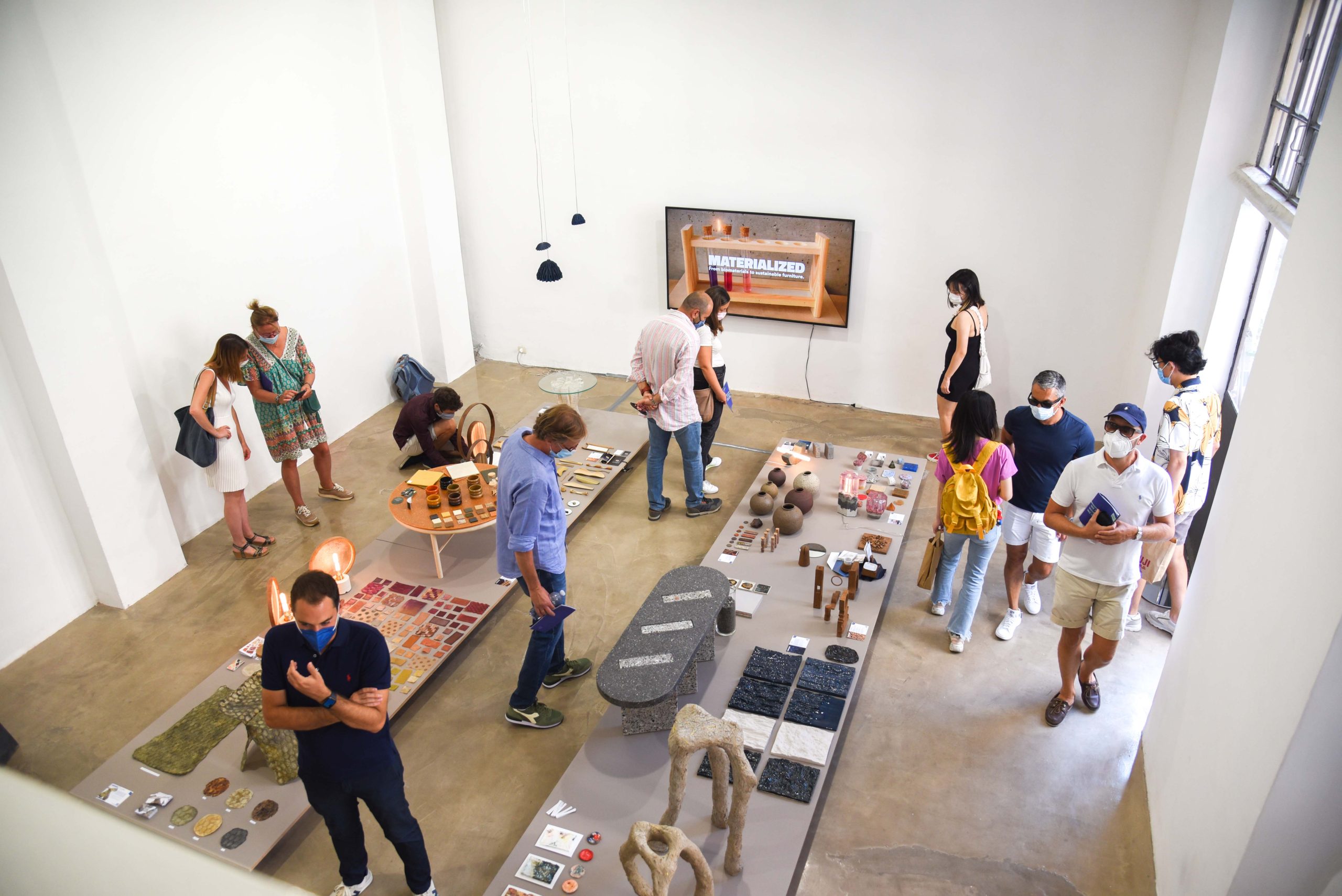
Milan Design Week makes an abstract discipline physically legible. A chair becomes a manufacturing decision, a lamp becomes an argument about energy, and a temporary room becomes a proposal for how strangers might share space.

The city prevents those ideas from remaining sealed inside a convention center. Renaissance courtyards, rationalist buildings, workshops, rail yards, and contemporary districts place new objects against layers of existing urban life.

Its distinction lies in the dialogue between system and surprise: global industry at Rho, then a single experimental object encountered through an ordinary Milan doorway.

Festival Experience

What to Expect

At Rho, expect trade-fair scale: registration gates, long pavilion axes, highly finished brand environments, scheduled meetings, and thousands of objects competing for attention. The strongest visits follow a question—lighting, materials, domestic life, circular production—rather than trying to record every stand.

Fuorisalone feels less orderly. A quiet student project may sit near an elaborate luxury installation; a queue can consume an hour; an unplanned courtyard can become the day’s clearest idea. Evenings shift toward talks, aperitivo, launches, and invitation-only gatherings, though much of the worthwhile public programme remains accessible.

Fatigue is intellectual as well as physical. Leave blank space between districts so observation does not collapse into image collection.

Festival Highlights

  • Trace one material idea across Rho and a city district
  • Give SaloneSatellite sustained attention
  • Enter a Brera courtyard early in the day
  • Explore an emerging studio beyond the major brands
  • Pair one industrial space with a historic interior
  • End with an object or argument worth remembering

Getting There & Around

Where It Happens

The institutional anchor is Fiera Milano Rho, a large exhibition complex northwest of the center reached by the M1 Metro and regional rail. Its pavilions contain the Salone del Mobile, Euroluce in 2027, and SaloneSatellite, with distances substantial enough to require a deliberate hall plan.

Fuorisalone spreads through Brera, 5Vie, Tortona, Isola, Porta Venezia, Alcova’s chosen sites, and other changing clusters. Each district has its own texture: noble courtyards, galleries, workshops, modern showrooms, or reused industrial buildings. The city is the second venue, and its architecture shapes how every object is read.

Getting Around

Metro and suburban rail are the practical backbone. Rho Fiera sits well outside the center, so load a transit card, confirm the correct fare zone, and allow time for the walk from platform to pavilion. Trams are useful inside central districts but slow when streets fill with events.

Cluster Fuorisalone stops on foot and resist crossing Milan for every headline installation. Taxi and rideshare demand spikes after evening launches. Comfortable shoes matter more than stylistic performance: fair halls, cobbles, staircases, and standing receptions can produce a fifteen-kilometer day without warning.

Visitor Guide

Festival Food & Drink

Design Week strains the obvious restaurants, so food is easiest when treated as part of the district plan. Begin with coffee and a pastry near the first venue, reserve a proper lunch outside the exhibition rush, and use aperitivo as a pause rather than the only meal of a long day.

In Brera and the center, book ahead. Around Tortona and Navigli, compare temporary event catering with established trattorie on quieter side streets. Near Rho, pavilion food is convenient but functional; carrying water and a small snack protects attention when meetings run late.

Look for risotto alla milanese, mondeghili, cotoletta, seasonal northern Italian cooking, and contemporary bakeries, while remembering that the city’s dining culture extends far beyond branded hospitality.

Budget & Costs

Budget: stay outside the most fashionable districts on a direct Metro line, prioritize free Fuorisalone exhibitions, use transit, and eat away from launch corridors.

Mid-Range: combine a central hotel with one public-admission day at Rho, reserved meals, and selected ticketed cultural events.

Higher Spend: premium central lodging, trade access, private transfers, collectible purchases, and invitation-driven hospitality can raise the week’s cost sharply. Accommodation is the largest predictable pressure, while spontaneous design purchases are the least predictable one.

Tips for First-Time Visitors

Choose one organizing question and no more than two districts per day. Reserve timed installations first, then place flexible studios, shops, and cafés around them. Screenshot addresses because temporary venues are sometimes hidden behind courtyards or unmarked doors.

At Rho, download the hall map and select priority exhibitors before arrival. Give SaloneSatellite a real block rather than a hurried final pass. In the city, leave any queue that threatens the rest of the day unless the work itself—not its social visibility—justifies the wait.

Carry water, a charger, and a light layer. Most important, take notes about ideas and materials; photographs alone turn a week of design into an indistinct camera roll.

Safety

The main risks are crowd pressure, fatigue, pickpocketing on packed transit, and distraction around phones or cameras. Keep valuables controlled in dense queues and avoid stepping into cycle or tram lanes while checking maps.

Temporary installations may involve dark rooms, narrow stairs, uneven floors, or long standing periods. Follow capacity instructions and identify exits. Late receptions can blur alcohol and exhaustion; eat properly and preserve a clear route home. April weather may shift between sun and rain, making a compact umbrella and light layer useful.

Cultural Significance

The Salone del Mobile, founded in 1961, helped consolidate Milan’s position within furniture, architecture, publishing, manufacturing, and visual culture. Fuorisalone expanded that professional gathering into an urban phenomenon, allowing design to occupy streets and buildings beyond the fair.

The week exposes both the strength and contradictions of the design economy: craft beside mass manufacture, ecological claims beside temporary construction, emerging talent beside luxury spectacle, and public curiosity beside private commerce. Milan supplies the institutions, labor, media, and architectural memory that hold those tensions together.

Plan Your Journey

When to Go

The 2027 Salone del Mobile runs April 13–18. Trade visitors have the broadest access across the week, while public admission to the main fair is concentrated on the final weekend; SaloneSatellite is open more broadly. Fuorisalone schedules follow their own rules, and popular installations may require reservations.

Tuesday and Wednesday offer the freshest exhibitions but the heaviest professional rhythm. Thursday and Friday are strong for city districts, talks, and emerging studios. The weekend opens more of Rho to general visitors while increasing queues across the center.

Where to Stay

Porta Venezia and the central east side balance rail and Metro access with evening exhibitions. Brera is atmospheric and convenient but expensive and crowded. Navigli and Tortona place you near former-industrial venues and nightlife; Isola suits northern districts and contemporary architecture. Lodging near Cadorna or Porta Garibaldi simplifies the long ride to Rho.

Choose a base by the first and last appointment, not by a single famous installation. During Design Week, a room one Metro change closer can save more energy than a fashionable address. Book early and verify late access to the building, since evening events continue after normal reception hours.

Bottom Line & Key Days

Bottom Line

Milan Design Week rewards curiosity with discipline. Follow one question through the fair and the city, and let a few objects earn sustained attention instead of turning the week into a race for visible launches.

The lasting impression is Milan thinking through things—materials, rooms, light, labor, and the possible shapes of everyday life.

Key Days

Tuesday, April 13 — Begin at Rho with a focused fairground route.

Wednesday–Thursday — Follow Fuorisalone districts and emerging studios.

Friday, April 16 — Pair SaloneSatellite with one evening programme.

Saturday–Sunday — Use public access selectively and close with a quieter district.

Ready to Experience Milan Design Week?

You've explored what makes this festival special. Now it's time to plan your trip. Compare flights, book your hotel, arrange transportation, and take care of your travel essentials—all in one place.

✈ Find Flights

Loading booking widget...

Booking is completed on Expedia in a new tab.

🏨 Find Hotels

Search places to stay

Powered by Booking.com

Booking is completed on Booking.com in a new tab.

Rail & Bus Travel

Compare train and coach routes for the journey.

Compare Routes

Things to Do

Discover tours and attractions before or after the festival.

Explore Experiences

eSIM Mobile Data

Stay connected abroad without traditional roaming charges.

Get an Airalo eSIM

Travel bookings are provided by our trusted partners. We may earn a commission when you book through these links, at no additional cost to you.

Independent Editorial Standards

Every Follow the Festivals guide is independently researched and regularly reviewed using official festival information, destination resources, and trusted travel references. We also welcome verified updates from festival organizers, destination marketing organizations, tourism partners, and local experts to help keep our guides accurate, current, and useful for travelers.

Represent this festival or have a verified update to share? We'd love to hear from you through our contact page.