
Follow the Festivals

Montreux Jazz Festival

Montreux Jazz Festival

Montreux, Switzerland

2027-07-02 - 2027-07-17

The Story

Festival Overview

Lake Geneva narrows beneath vineyard terraces and Alpine slopes, placing Montreux in one of Europe's most theatrical natural amphitheaters. The jazz festival turns that promenade into a long musical corridor of ticketed halls, free stages, boats, terraces, workshops, late sessions, and constant movement between station and shore.

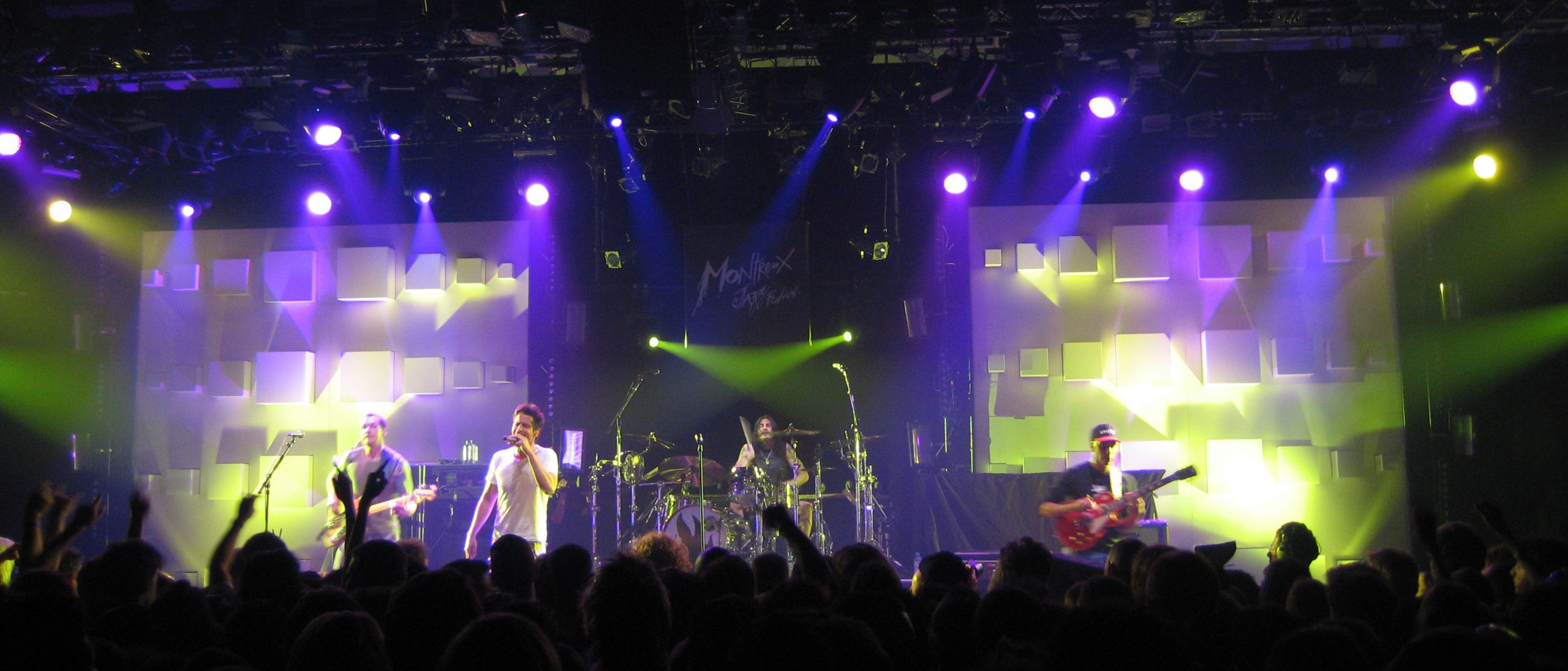
Auditorium Stravinski delivers the largest productions, while smaller rooms preserve intimacy and improvisation. Jazz remains the historical and curatorial foundation, but the program reaches into soul, rock, electronic music, hip-hop, global traditions, and artists who resist genre.

The destination gives the event its elegance without making it remote: musicians, dedicated listeners, casual waterfront crowds, and industry guests share a compact lakeside town where music continues long after a formal concert ends.

Why This Festival Is Special

Its distinction comes from the union of musical history, curatorial range, and an extraordinary lakeside setting. Major productions, intimate improvisation, free public stages, preserved archives, and late collaborations coexist within a compact town.

Lake Geneva and the Alps are not decorative extras; they shape the pace between concerts and make the entire stay feel composed. Travelers choose this festival to hear serious music inside a living continuum rather than a lineup assembled on neutral ground.

Festival Experience

What to Expect

Afternoons begin with workshops, emerging artists, free sets, and an easy promenade crowd. Evening introduces ticket lines, dinner pressure, and movement toward major halls, where production ranges from seated jazz concentration to arena-scale shows.

Afterward, listeners spill back toward lakefront stages, jam sessions, clubs, and bars that may continue deep into the night. Artists sometimes appear in unexpected combinations or smaller settings beyond their headline performance.

The audience mixes collectors, musicians, tourists, and local families. Expect expensive restaurants, crowded waterside paths, powerful indoor sound, and schedule conflicts improved by one guiding priority rather than frantic venue-hopping.

Festival Highlights

  • Auditorium Stravinski performances pairing major artists with exceptional production and lakefront proximity
  • Intimate rooms where improvisation and acoustic detail remain central to the listening experience
  • Free promenade stages introducing emerging musicians to broad public audiences
  • Late jam sessions creating collaborations that cannot be predicted from the printed program
  • Lake Geneva sunsets and mountain silhouettes framing the transition into evening concerts
  • The festival archive and educational work connecting current performances with decades of recorded music history

Getting There & Around

Where It Happens

The principal circuit follows the lakefront and central streets between the railway station, major concert halls, promenade stages, and hospitality spaces. Auditorium Stravinski anchors large ticketed performances, while smaller venues, terraces, boats, parks, and temporary rooms extend music along the shore. The compact geography keeps Lake Geneva visible and makes the walk between formal and free programming part of the experience.

Getting Around

Rail is the most effective approach, with the station above the center and frequent links along the Lake Geneva shore. The descent toward concert halls is straightforward; the uphill return after midnight takes more effort.

Walking connects nearly all core venues, though promenade crowds and security queues add time. Regional trains and buses make Clarens or Vevey practical, provided the final departure is saved offline.

Driving creates parking difficulty and removes flexibility around wine or late sessions. Boats can add a scenic daytime transfer but should not be the sole night plan.

Group concerts geographically and allow the first crowd surge to leave before climbing toward the station.

Visitor Guide

Festival Food & Drink

Festival eating should connect the waterfront to Vaud rather than rely only on venue concessions. Filets de perche—small lake fish served fried with lemon or sauce—belong to a seated shoreline meal. Papet vaudois combines leeks and potatoes with regional sausage, while fondue suits a cooler evening more than a hot afternoon. Chasselas, the local white grape, produces subtle wines that pair naturally with cheese and fish. A substantial lunch before the evening schedule is wiser than attempting dinner in a short concert gap. Promenade stalls provide snacks, but reserve one slow table in Montreux or Vevey and alternate every alcoholic drink with water during long nights.

Must Try
• Filets de perche — Delicate Lake Geneva perch fillets fried or sautéed and served with lemon or sauce.
• Papet vaudois — Creamy leeks and potatoes served with a smoked Vaud sausage.
• Cheese fondue — Melted Swiss cheese and wine shared from a communal pot with bread.
• Malakoff — Crisp fried cheese fritter associated with the Lake Geneva region.
• Chasselas — Dry Vaud white wine whose understated character reflects nearby vineyard terraces.

Budget & Costs

Headline tickets, central lodging, Swiss dining, and regional transport make this an expensive trip. Free stages and public programming add substantial value, so a carefully selected paid concert often serves better than several premium seats purchased from fear of missing out.

Vevey or Clarens accommodation may lower room cost while adding train fares and a fixed night schedule. Eat a quality lunch and use simpler evening snacks to control restaurant spending.

Include lockers, merchandise, wine, boat travel, and one late taxi contingency in the budget. Advance rail products help when plans are firm, but a missed final service can erase those savings quickly.

Tips for First-Time Visitors

Build the trip around one essential paid performance and treat free stages, workshops, and late sessions as equally important sources of discovery. Collect tickets early, learn the vertical route between station and shore, and arrive before small rooms reach capacity.

Bring hearing protection, sun protection, water, and a light rain layer despite a clear afternoon forecast. Reserve dinner well outside the concert transition or eat a substantial late lunch.

Do not assume the word jazz limits the program, but spend time with improvisational and archival work that explains the festival's identity. Keep one lakeside morning unscheduled so the destination does not disappear beneath the timetable.

Safety

Crowded promenades, heat, thunderstorms, prolonged sound, alcohol, and late station climbs require awareness.

Hydrate during sunny afternoons, carry a storm layer, and follow instructions when lightning approaches the exposed waterfront. Protect hearing in both large halls and small amplified rooms.

Keep valuables secured in dense free-stage crowds and never stop suddenly in the center of a moving promenade. Lakeside barriers and docks require care after drinking.

Use lit routes toward the station, know the final train, and choose a verified taxi if fatigue makes the uphill walk unsafe. Venue medical staff should be contacted promptly for collapse, confusion, or severe discomfort.

Cultural Significance

Founded in the twentieth century and shaped by extraordinary live recordings, the festival has become part of global music history. Its archives preserve performances and collaborations that changed how jazz and related genres are remembered.

Educational programs, workshops, commissions, and an audience willing to cross stylistic boundaries keep that heritage active rather than nostalgic. For the Vaud Riviera, the event connects international creative reputation with a lakeside resort tradition and makes serious listening part of public summer life.

Plan Your Journey

When to Go

Choose a three- or four-night window containing one essential ticketed concert and enough free programming to permit discovery. Opening weekend brings ceremonial energy, later weekends draw the greatest visitor pressure, and weekdays usually offer easier hotels, promenade movement, and smaller-room access.

Arrive before the first important evening to learn the station-to-lake route and collect tickets without a concert deadline. July days can be hot and bright beside the water, while thunderstorms and cool mountain air appear quickly after dark.

A single night is possible but leaves little room for jams or shoreline atmosphere. Protect the following morning after a late session rather than scheduling an early panoramic train or flight.

Where to Stay

Central accommodation between the station and lakefront offers unmatched access to the principal halls, free stages, restaurants, and late walks, but rates rise sharply and nightlife noise continues. Clarens provides a quieter lakeside base west of the center with bus and rail connections.

Vevey expands hotel choice and dining along the same shore, requiring a short train ride and attention to the final service. Lausanne offers far more inventory but turns each festival day into a longer commute.

Choose the center for immersion, Clarens for rest, or Vevey for destination balance. A room near a useful station often provides more value than a scenic property dependent on taxis after midnight.

Bottom Line & Key Days

Bottom Line

The most memorable set may end inside a dark hall, but the journey continues when the doors open onto Lake Geneva and music rises from another stage along the shore. That movement between concentration and public summer life is the festival's enduring gift.

Choose concerts carefully, remain open to the free program, and leave room for a late collaboration no timetable can promise. The result is a music trip inseparable from vineyards, water, and mountain light—a rare destination where listening and landscape continually deepen each other.

Key Days

Arrival
Settle near a useful rail stop, walk from the station to the lake, and collect tickets before the first concert.

Discovery Afternoon
Explore workshops, archives, and free stages while the promenade remains easy to navigate.

Concert Night
Eat early, attend one essential hall performance, and continue toward a smaller room or waterfront set.

Late Session
Protect hearing and energy for jams or collaborations, then time the climb against the final train.

Lake Morning
Return to the promenade, share a Vaud meal, and let the destination settle before departure.

Book Your Festival Trip

You've explored what makes this festival special. Now it's time to plan your trip. Compare flights, book your hotel, arrange transportation, and take care of your travel essentials—all in one place.

Tickets

Check current ticket availability and prices.

Check Tickets →

✈ Find Flights

Loading booking widget...

Booking is completed on Expedia in a new tab.

🏨 Find Hotels

Search places to stay

Powered by Booking.com

Booking is completed on Booking.com in a new tab.

Rail & Bus Travel

Compare train and coach routes for the journey.

Compare Routes

Things to Do

Discover tours and attractions before or after the festival.

Explore Experiences

eSIM Mobile Data

Stay connected abroad without traditional roaming charges.

Get an Airalo eSIM

Travel bookings are provided by our trusted partners. We may earn a commission when you book through these links, at no additional cost to you.

Independent Editorial Standards

Every Follow the Festivals guide is independently researched and regularly reviewed using official festival information, destination resources, and trusted travel references. We also welcome verified updates from festival organizers, destination marketing organizations, tourism partners, and local experts to help keep our guides accurate, current, and useful for travelers.

Represent this festival or have a verified update to share? We'd love to hear from you through our contact page.