
Follow the Festivals

Salon du Chocolat Paris

Salon du Chocolat Paris

Paris, France

2026-10-28 - 2026-11-01

The Story

Festival Overview

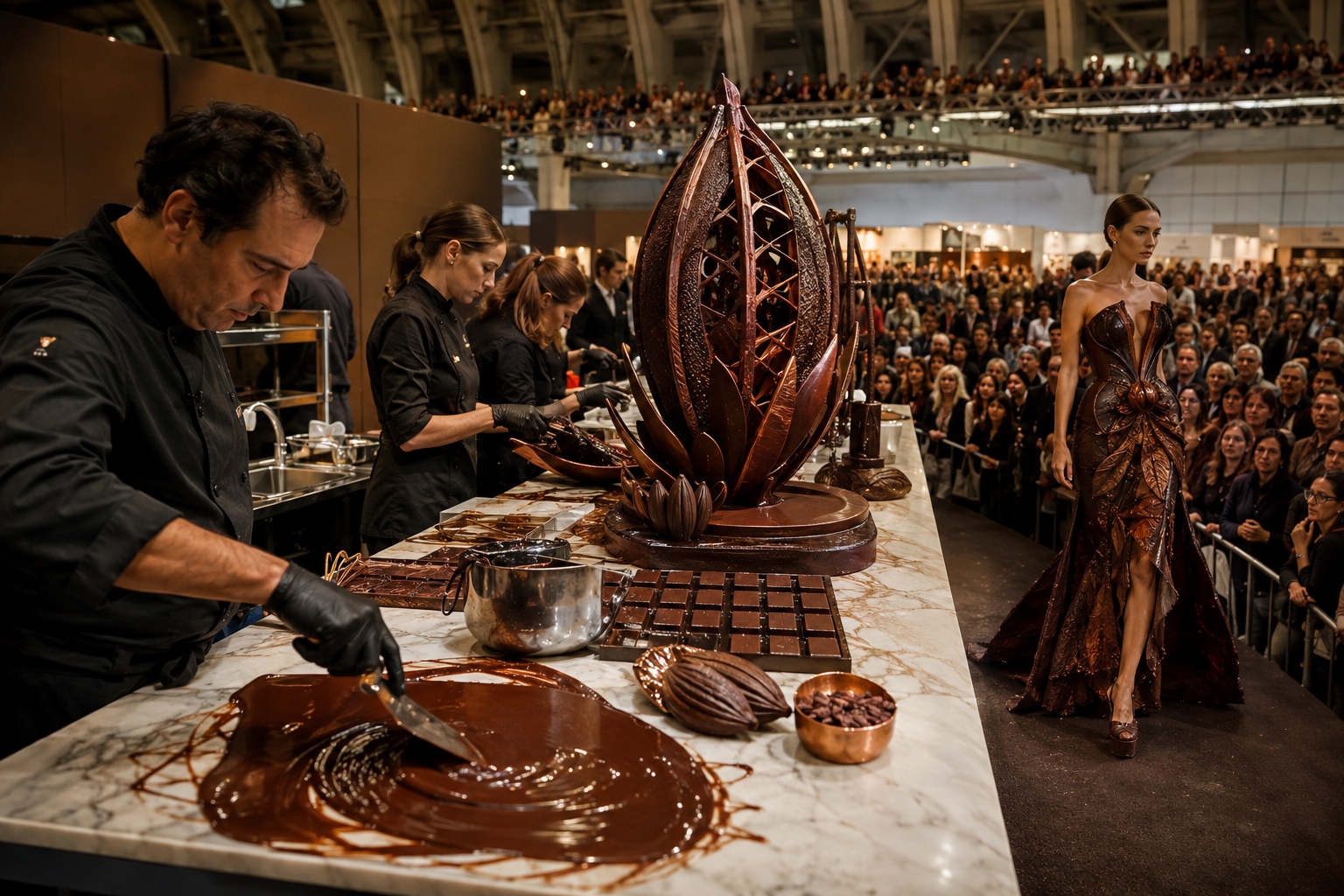
Paris treats chocolate as agriculture, craft, luxury, fashion, and pleasure, and Salon du Chocolat gathers those identities under one exhibition roof. The halls bring plantation origins, bean-to-bar makers, historic maisons, pastry chefs, equipment, packaging, and exuberant showmanship into close proximity. This is commercial terrain, but comparison gives it editorial value: origin bars can be tasted beside elaborate bonbons, while a chef demonstration reveals the labor hidden inside a polished display case. The capital beyond the venue supplies the counterpoint through neighborhood pâtisseries, cafés, markets, and a culture that takes technique seriously. Seen in that wider frame, chocolate becom

es a way to read both Parisian standards and the distant landscapes on which those standards depend.

Why This Festival Is Special

Few food fairs make the entire chocolate chain so visible in one place. A grower’s origin story, a maker’s roast decision, a pastry chef’s technique, and a luxury house’s presentation can be compared within hours. Paris adds a demanding culinary context that rewards craft while remaining skeptical of mediocrity.

The event stands apart when approached as a tasting seminar and marketplace rather than unlimited sampling: it offers the rare chance to connect global cacao agriculture with the capital’s exacting culture of finish, texture, and display.

Festival Experience

What to Expect

Opening hours begin with orderly tasting, sharper conversations, and easier access to technical displays. By midday, shoppers carry bags through increasingly crowded aisles and demonstration audiences form well before prominent chefs appear.

Samples range from tiny origin comparisons to rich pastry bites, so palate fatigue arrives earlier than physical fatigue. Fashion, sculpture, competition, and packaging add spectacle beyond flavor.

The most rewarding progression moves from cacao origin and plain bars toward fillings and pastry, pauses for water and savory food, then returns to purchases only after preferences have become clear.

Festival Highlights

  • Bean-to-bar makers explaining origin, fermentation, roasting, and texture
  • Pastry chefs demonstrating technique before a close public audience
  • Plain chocolate comparisons revealing differences among cacao regions
  • Elaborate bonbons and sculptures joining flavor with Parisian presentation
  • Independent artisans sharing aisles with internationally known maisons
  • A final neighborhood pâtisserie visit testing exhibition discoveries in context

Getting There & Around

Where It Happens

Paris Expo Porte de Versailles provides the vast indoor setting, with exhibitor aisles, demonstration stages, workshops, and retail areas spread across halls that can blur together after hours of tasting. Porte de Versailles metro and tram stops carry the main arrival load.

The event’s wider meaning emerges elsewhere: independent chocolate shops, pastry boutiques, and cafés across the capital allow quieter comparison after the show. Map the hall by producer type, complete one circuit, and avoid walking repeatedly between distant stages for minor sessions.

Getting Around

Metro line 12 and tram services make Porte de Versailles accessible without a car, although platforms and exits become busy at closing. Travel before the public peak, use the staffed cloakroom when operating, and keep both hands free for tasting and purchases.

Inside, organize movement by hall zones rather than individual brands scattered across the map. Afterward, choose one pâtisserie along the return route instead of crossing the capital with temperature-sensitive boxes. Taxis face exhibition traffic, and bicycles are poorly suited to delicate chocolate. Rain protection should cover purchases as carefully as the traveler.

Visitor Guide

Festival Food & Drink

Chocolate is the subject, yet order determines how much can actually be understood. Begin with high-cacao plain bars and origin comparisons, move toward pralines and ganaches, then leave pastry and sweet drinks for later. Water, bread, and a savory lunch reset the palate. Ask makers about cacao source, fermentation, roast, sugar, and shelf life rather than accepting luxury packaging as proof of quality. Save fragile purchases for departure and follow the exhibition with one carefully chosen Paris pastry shop, where service and a complete dessert restore scale.

Must Try
• Single-origin dark chocolate — A plain bar expressing one growing region and production approach.
• Praliné — Caramelized nuts ground into a smooth or textured chocolate filling.
• Ganache bonbon — Chocolate shell enclosing an emulsion of chocolate and cream.
• Drinking chocolate — Dense hot chocolate whose texture depends on cacao and dairy balance.
• Paris-Brest — Choux pastry, praline cream, and nuts offering a classic test of technique.

Budget & Costs

Admission is only the beginning. Workshops, premium tastings, chef sessions, gift boxes, and café visits can multiply the day’s cost quickly. Set a purchase allowance before entering and compare products before spending it.

Staying on a direct metro line outside the exhibition district often saves more than booking beside the halls, while a savory meal nearby prevents expensive grazing from becoming lunch. A restrained visit combines one ticket, one reserved learning experience, and a few carefully selected bars.

Collectors and professionals should budget separately for shipping or temperature-safe transport.

Tips for First-Time Visitors

Complete an orientation lap before buying, photograph labels instead of relying on memory, and carry a short list of origins or makers worth comparing. Share samples and stop while flavors remain distinct. Book workshops or celebrated demonstrations before building the rest of the day.

Ask about allergens at every counter because nuts, dairy, gluten, and cross-contact vary widely. Bring a structured tote and an insulated layer for purchases, but avoid overpacking the bag. One thoughtful box from a producer who explained the craft will outlast several impulse buys chosen through sugar fatigue.

Safety

Crowded aisles create pickpocketing and collision risk, while dehydration, sugar fatigue, and allergens are the more distinctive concerns. Keep valuables closed, step aside before examining purchases, and do not block tasting counters. Ask directly about nuts, dairy, gluten, alcohol, and shared equipment.

Water and a savory break help prevent nausea or dizziness after repeated sampling. Chocolate melts inside warm halls and transit, so protect purchases from heat and crushing. At demonstrations, respect queue barriers rather than forcing into a full standing area with bags in hand.

Cultural Significance

The salon makes France’s highly codified pastry and chocolate culture accessible to a mass audience while giving producers a stage for technical education and commercial exchange. Parisian luxury is present, but so are questions of cacao origin, farmer relationships, processing, and the distinction between decoration and flavor.

Public demonstrations transmit professional knowledge beyond restaurant kitchens. The event matters most when it connects the capital’s appetite for refinement with the global agricultural chain behind every bonbon, encouraging consumers to see chocolate as a crafted food rather than an anonymous indulgence.

Plan Your Journey

When to Go

Enter near opening on a weekday for the clearest palate, shorter conversations, and easier access to small producers. Weekend afternoons create the greatest energy around demonstrations and family programming, but aisles, cloakrooms, and tasting queues become demanding.

One deliberate day is enough for most travelers; a second session suits professionals, serious buyers, or workshop participants. Eat a savory breakfast, reserve one demonstration, and schedule a café pause after several hours. Autumn weather rarely affects the indoor program, though rain can complicate the metro and the transport of fragile purchases.

Where to Stay

Montparnasse and the southern arrondissements provide convenient metro access to the exhibition district and a broad range of restaurants, with less postcard atmosphere than the Seine-side center.

Saint-Germain offers classic cafés and pastry addresses at higher rates, while the Marais supports boutique shopping and evening dining with a longer cross-city transfer. Choose the south for efficient event days, Saint-Germain for culinary continuity, or the Marais for a wider city break.

A direct metro route and a cool room for chocolate storage are more useful than proximity to a landmark.

Bottom Line & Key Days

Bottom Line

The best purchase is not necessarily the grandest box, but the bar whose flavor can be traced back through a conversation about soil, fermentation, roasting, and judgment. Salon du Chocolat gives Parisian polish more substance by placing agriculture and technique beside spectacle.

Arrive with a clear palate, taste in an intentional order, and carry one discovery into a neighborhood pâtisserie after the halls close. The capital then becomes more than a glamorous backdrop; it becomes the place where chocolate’s global journey is examined, refined, and finally savored.

Key Days

Palate Arrival
Settle on a direct metro route and begin with a savory meal before the first exhibition session.

Origin Opening
Taste plain bars and speak with smaller makers while attention and aisle space remain clear.

Technique Session
Anchor the middle of the day around one workshop or chef demonstration with genuine learning value.

Confectionery Peak
Move toward pralines, ganaches, pastry, and final purchases only after the comparison round.

Parisian Close
Finish at a neighborhood pâtisserie or café where one complete dessert restores perspective.

Ready to Experience Salon du Chocolat Paris?

You've explored what makes this festival special. Now it's time to plan your trip. Compare flights, book your hotel, arrange transportation, and take care of your travel essentials—all in one place.

✈ Find Flights

Loading booking widget...

Booking is completed on Expedia in a new tab.

🏨 Find Hotels

Search places to stay

Powered by Booking.com

Booking is completed on Booking.com in a new tab.

Rail & Bus Travel

Compare train and coach routes for the journey.

Compare Routes

Things to Do

Discover tours and attractions before or after the festival.

Explore Experiences

eSIM Mobile Data

Stay connected abroad without traditional roaming charges.

Get an Airalo eSIM

Travel bookings are provided by our trusted partners. We may earn a commission when you book through these links, at no additional cost to you.

Independent Editorial Standards

Every Follow the Festivals guide is independently researched and regularly reviewed using official festival information, destination resources, and trusted travel references. We also welcome verified updates from festival organizers, destination marketing organizations, tourism partners, and local experts to help keep our guides accurate, current, and useful for travelers.

Represent this festival or have a verified update to share? We'd love to hear from you through our contact page.