Dragon Boat Festival (Duanwu
China (multiple cities), China
19 June 2026

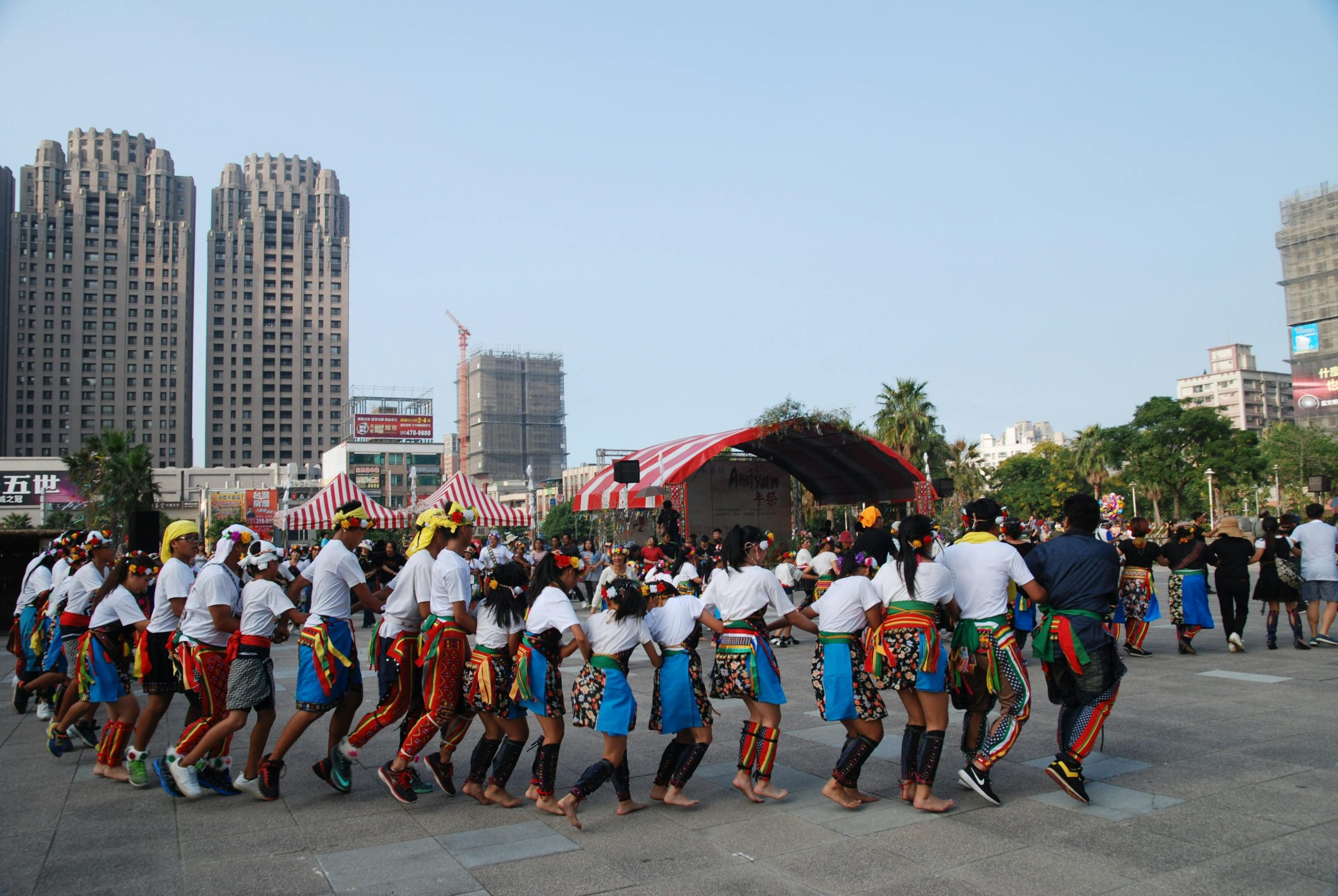
Across Auckland waterfront, Aotea Square, Silo Park and Wynyard Quarter, and community venues across central Auckland, Matariki Festival marks the Maori new year through remembrance, language, performance, and shared public gathering rather than a single-stage format. The feel of the festival comes from moving between civic spaces and local venues, with te reo Maori and cultural performance programming giving the city a different rhythm through late June and early July.
Matariki Festival matters because it expresses more than entertainment. It reflects local identity, community memory, and the way Auckland presents itself to residents and visitors through ritual, creativity, food, music, or seasonal tradition.
What gives Matariki Festival its own character is the way Matariki dawn events is absorbed into the broader movement pattern around Auckland waterfront and Aotea Square, instead of being sealed off as a standalone spectacle.
Morning and pre-dawn periods can center on Matariki dawn events, with people heading early to selected gathering points before the city settles into a lighter daytime pace of talks, exhibitions, whanau activity, and smaller community remembrance and storytelling events. By afternoon, movement spreads between Aotea Square, the Auckland waterfront, and community venues across central Auckland, then builds again in the evening around performances and waterfront public gatherings; after dark, the strongest atmosphere sits in shared public spaces, with colder winter air, denser crowd pockets, and slower movement near headline programming.
Food at Matariki Festival leans into winter comfort and Maori-influenced flavors, with stalls and nearby vendors around the Auckland waterfront and central-city event spaces serving warming plates between dawn observances and evening programming. Expect practical festival eating rather than formal dining, with hangi-inspired dishes, seafood, and kawakawa drinks fitting the cold June and July setting. Must Try:
Matariki Festival is centered around Auckland waterfront and community spaces. Depending on the edition, activity can spill into nearby streets, squares, secondary stages, public gathering zones, and partner venues across Auckland.
Find hotels near these areas.Matariki Festival is easier when you move with the active crowd flow instead of cutting across it repeatedly. In practice, most people end up circulating between Auckland waterfront and Aotea Square, with busy waterfront gathering areas at peak times creating the main bottleneck.
Book airport transfer.Check the day-by-day schedule before you land because Matariki dawn events, evening performances, and smaller community venues across central Auckland do not follow one simple daily pattern. Stay close enough to the Auckland waterfront or Aotea Square to handle an early start and a late finish, carry a warm waterproof layer for outdoor winter programming, and leave extra transfer time when moving between Silo Park and Wynyard Quarter and indoor events elsewhere in the city centre.
Central Auckland rooms near the Auckland waterfront, Aotea Square, and Wynyard Quarter carry the clearest convenience premium during the opening period and on nights with major public programming, because staying nearby cuts down on repeated transport between dispersed venues. Lower-cost stays farther out can work, but the tradeoff is extra public transport or short taxi trips for pre-dawn starts and late returns, so the real budget question is whether you want to pay more for a walkable base during the busiest festival dates.
The main issues are crowd density in busy waterfront gathering areas at peak times, petty theft risk in central public spaces during headline programming, and cold wind or rain at outdoor dawn or evening events. Keep valuables secured when the Auckland waterfront or Aotea Square fills up, dress for wet winter conditions, and plan your late-night return in advance if you are finishing at community venues across central Auckland rather than staying near the city centre.
The main travel window is June 2026. Arrive one day early if you want breathing room before the busiest programs, and stay through the strongest public days if you want the most complete version of Matariki Festival.
Check typical flight pricing for your preferred travel window before the busiest arrival days fill up.
Stay in or near Auckland's central districts so you can move easily between the main event areas, evening activity, and food options. The best choice is usually a walkable base with public transit or short taxi access rather than the cheapest room far outside the core.
Check typical hotel pricing for your preferred travel window before the busiest arrival days fill up.
China (multiple cities), China
19 June 2026
Kyoto, Japan
1 July 2026 – 31 July 2026
Kyoto, Japan
15 May 2026