
Follow the Festivals

Bali Spirit Festival

Bali Spirit Festival

Ubud, Indonesia

2027-04-22 - 2027-04-25

The Story

Festival Overview

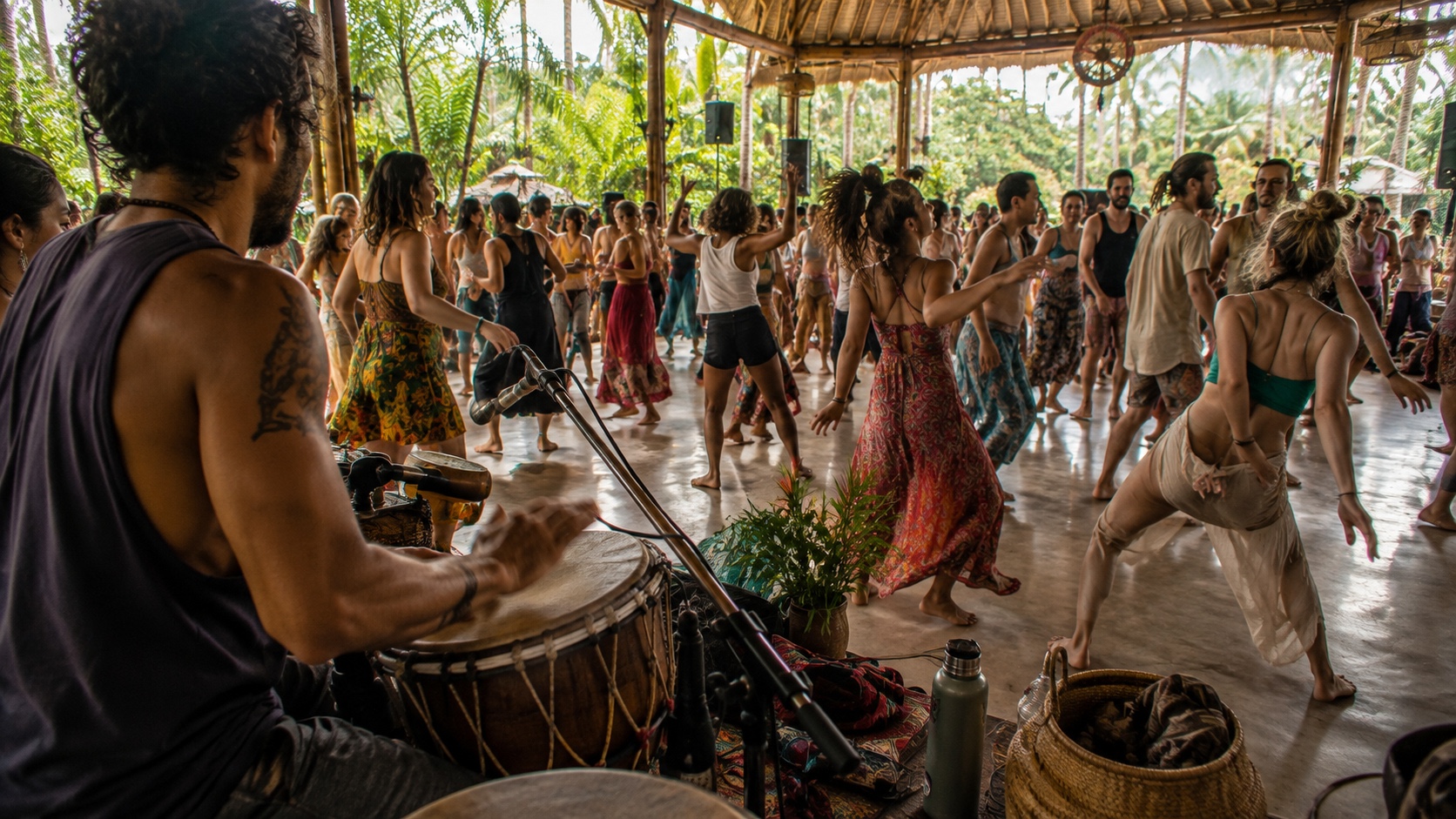
BaliSpirit Festival gathers yoga, dance, healing practices, workshops, music, and community activity in the green landscape around Ubud. Days begin with breath and movement, spread into seminars and markets, then shift toward ecstatic dance, devotional music, DJs, and social connection after dark.

The setting carries both beauty and responsibility. Bali is a living Hindu society, not a wellness metaphor, and Ubud’s international yoga economy exists beside temples, family compounds, rice cultivation, traffic, labor, and daily offerings. Festival language about transformation should never erase those realities.

The most grounded experience balances personal practice with cultural humility. Choose teachers carefully, respect physical limits, and leave room to learn how Balinese ideas of relationship, community, and place differ from the global wellness vocabulary circulating through the grounds.

Why This Festival Is Special

The festival’s arc moves through the body: quiet morning attention, shared learning, fatigue, recovery, and collective music after dark. When well chosen, those stages create continuity across practices that otherwise might feel like a marketplace of disconnected promises.

Bali gives that arc consequence. Rice landscapes, offerings, temple calendars, and community obligations reveal forms of relationship deeper than wellness branding. The event gains distinction when personal exploration becomes more accountable to place, labor, consent, and living culture.

Festival Experience

What to Expect

A single day may offer asana, breathwork, meditation, sound practice, dance, lectures, bodywork, market browsing, and live music. Class sizes, intensity, teacher background, and spiritual claims vary considerably. Read descriptions and choose by method, not by promise.

Participation is active and cumulative. Mats, bare feet, sweat, weather, close group contact, and amplified sound all shape comfort. Consent applies in partner exercises, touch, photography, healing sessions, and dance spaces; a clear refusal requires no explanation.

Festival Highlights

  • Take one Balinese-led session with cultural context
  • Follow a skilled teacher through a complete practice
  • Hear devotional music without treating it as décor
  • Rest through one programme slot before fatigue decides
  • Ask consent before touch or close photography
  • Support a locally rooted maker in the community market

Getting There & Around

Where It Happens

The festival uses a purpose-organized campus in the Ubud area, with yoga spaces, workshop rooms, healing areas, a market, food vendors, children’s activity, and evening stages distributed through a tropical landscape.

The grounds are only one part of the geography. Lodging and town may sit across congested roads, so the daily journey must be planned. Temple and village spaces outside the site follow their own customs and are not festival extensions.

Getting Around

Festival shuttles, arranged drivers, and walking from nearby lodging are safer choices than learning to ride a scooter during a crowded week. Ubud traffic makes short distances unpredictable.

Confirm pickup points in daylight, keep a driver contact offline, and allow a wide margin before the first class. After rain or late music, narrow roads and uneven shoulders demand extra care.

Visitor Guide

Festival Food & Drink

Food at BaliSpirit sits where global wellness eating meets Balinese agricultural and ceremonial life. Plant-forward bowls and juices may dominate festival stalls, but rice, coconut, banana leaf, herbs, spice pastes, tempeh, and village cooking connect nourishment to a much older local ecology. The meaningful plate names its producers and techniques, not only its health claims.

Eat a substantial breakfast before intensive practice, choose a balanced lunch during the longest workshop break, and keep dinner lighter before dance. Use the festival to try Balinese food from locally rooted vendors, while respecting that temple offerings are sacred objects and never samples or props.

#### Must Try

• **Nasi campur Bali:** A composed rice plate introduces several Balinese preparations without reducing local food to wellness branding.

• **Lawar:** Vegetables, coconut, spice, and careful chopping reveal a communal Balinese technique with ceremonial associations.

• **Tempeh manis:** Sweet soy and fermented soybean make a sustaining local dish that fits an active workshop day.

• **Jaje Bali rice cakes:** These colorful traditional sweets connect a festival break to Balinese market and ceremonial food culture.

• **Jamu herbal drink:** The Indonesian tonic offers cultural context for plant-based wellbeing beyond a generic juice counter.

Budget & Costs

Budget: choose a limited pass, simple nearby lodging, local meals, and shared arranged transport.

Mid-Range: add a full programme pass, comfortable Ubud accommodation, workshops, bodywork, and dependable drivers.

Higher Spend: retreat-style lodging, private sessions, premium transport, extensive shopping, and a longer Bali stay increase costs sharply.

Tips for First-Time Visitors

Build each day around one physical practice, one learning session, and one evening experience. More sessions do not guarantee greater insight, and recovery is part of responsible participation.

Research teacher qualifications, disclose relevant injuries privately, bring a refillable bottle and modest cover-up, and decline touch freely. Outside the grounds, dress respectfully near temples and never step on offerings placed along paths.

Safety

Heat, humidity, dehydration, overexertion, slippery paths, and unfamiliar movement practices are common risks. Pace intensity, use clean drinking water, and stop when pain, dizziness, or breathing difficulty appears.

Verify practitioner credentials for any health-related session and keep prescribed care unchanged without medical advice. Use trusted transport after dark, secure belongings, and treat consent boundaries as nonnegotiable.

Cultural Significance

BaliSpirit reflects Ubud’s role in an international wellness economy where Balinese cultural imagery, global yoga traditions, contemporary healing practices, and tourism meet. That exchange can support artists, teachers, businesses, and community projects, yet it can also flatten Hindu ritual into a marketable atmosphere.

Tri Hita Karana—the Balinese principle often summarized through harmony among people, the divine, and the natural world—offers context only when treated with seriousness. The festival’s cultural credibility depends on local participation, fair exchange, ecological care, and recognition that Balinese spiritual life belongs to communities beyond the ticketed campus.

Plan Your Journey

When to Go

The programme is usually concentrated across several days, with morning practice, daytime workshops, a community market, and evening music following separate rhythms. Confirm the full timetable before selecting a pass because access can differ by session type.

Arrive at least a day early to recover from travel and learn the venue route. Humidity, rain, and accumulated physical fatigue affect participation; one lighter afternoon can protect the quality of the entire festival.

Where to Stay

Central Ubud offers restaurants and cultural life but heavy traffic. Lodging nearer the festival grounds shortens transfers, while rice-field stays may require narrow roads, scooters, or a long walk that feels different after rain.

Choose around transport, sleep, and recovery. Ask about nighttime noise, stairs, air conditioning or fans, drinking water, and the exact pickup point a driver can reach.

Bottom Line & Key Days

Bottom Line

Choose fewer sessions, question grand claims, and let recovery protect attention. The festival has depth when practice, music, and community are approached with discernment.

The lasting value is not a borrowed spiritual image, but a more responsible relationship to body, people, and the Balinese place hosting the gathering.

Key Days

Arrival pause — Learn the transport route, settle physically, and resist beginning in exhaustion.

Practice day — Follow one teacher deeply, add one seminar, and keep a true recovery interval.

Music night — Enter the evening programme rested enough to listen as well as move.

Integration morning — Choose a quiet session and identify what can continue after departure.

Ready to Experience Bali Spirit Festival?

You've explored what makes this festival special. Now it's time to plan your trip. Compare flights, book your hotel, arrange transportation, and take care of your travel essentials—all in one place.

✈ Find Flights

Loading booking widget...

Booking is completed on Expedia in a new tab.

🏨 Find Hotels

Search places to stay

Powered by Booking.com

Booking is completed on Booking.com in a new tab.

Rail & Bus Travel

Compare train and coach routes for the journey.

Compare Routes

Things to Do

Discover tours and attractions before or after the festival.

Explore Experiences

eSIM Mobile Data

Stay connected abroad without traditional roaming charges.

Get an Airalo eSIM

Travel bookings are provided by our trusted partners. We may earn a commission when you book through these links, at no additional cost to you.

Independent Editorial Standards

Every Follow the Festivals guide is independently researched and regularly reviewed using official festival information, destination resources, and trusted travel references. We also welcome verified updates from festival organizers, destination marketing organizations, tourism partners, and local experts to help keep our guides accurate, current, and useful for travelers.

Represent this festival or have a verified update to share? We'd love to hear from you through our contact page.

Photo Credits