
Follow the Festivals

Overview

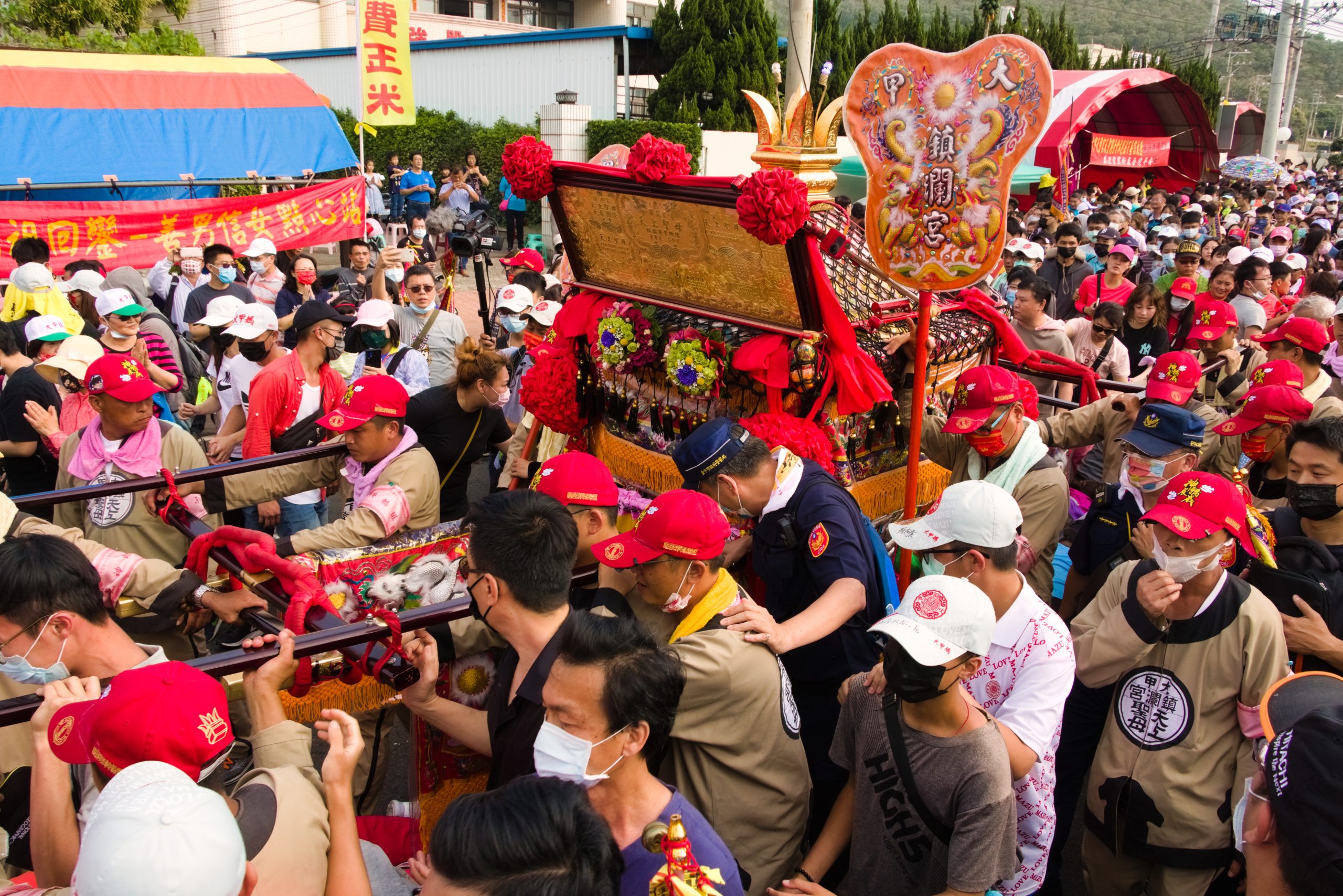
This is not a temple visit with a parade attached; it is a long, living pilgrimage that begins at Zhenlan Temple in Dajia, pushes south toward Chaotian Temple in Beigang, and then returns to Dajia for the closing rites. What stays with you is the mix of devotion and endurance: incense drifting out of temple gates, firecrackers cracking over the road, pilgrims walking for hours, and residents stepping forward with offerings, snacks, and places to rest. The event feels largest near the temple approaches, but its real character is in the road itself, where belief keeps moving.

Cultural Significance

Dajia Mazu Pilgrimage reflects the identity of Taichung through shared public participation, local custom, and a festival atmosphere that feels rooted in place rather than interchangeable.

Why it's special

Dajia Mazu Pilgrimage feels special because the celebration is lived by the local community and pilgrims, which gives the event depth, gravity, and a sense of authenticity that cannot be manufactured.

What to Expect

Pre-dawn and morning bring assembly around Zhenlan Temple, with worshippers gathering early as the streets in Dajia tighten up around the temple gates. By daytime, the pilgrimage march to Beigang stretches out across the route, and the experience shifts from standing in one place to following sections of the road where incense, roadside offerings, temple stops, and bursts of firecrackers mark the day. Evening is when the atmosphere thickens again near temple arrivals and pauses, with louder sound, denser crowds, and a stronger sense of anticipation. The return procession to Dajia brings another surge of emotion, and the closing ceremonies at Zhenlan Temple draw some of the most packed and intense hours of the entire pilgrimage.

Festival Highlights

  • departure from Zhenlan Temple
  • pilgrimage march to Beigang
  • arrival rites at Chaotian Temple
  • return procession to Dajia
  • closing ceremonies at Zhenlan Temple
Explore guided experiences.

Food & Drink

Food during the Dajia Mazu Pilgrimage is tied to the road and the temple atmosphere: quick bowls eaten between procession stretches, vegetarian temple meal boxes handed out or sold near worship areas, peanut candy for a fast sugar lift, and cold grass jelly drinks or tea when the heat starts to bite. Around Dajia and along the route, simple local staples make more sense than long sit-down meals because the day keeps moving. Must Try:

  • vegetarian temple meal boxes
  • danzai noodles
  • braised pork rice
  • peanut candy
  • grass jelly drinks
Discover local food tours.

Where It Happens

Dajia Mazu Pilgrimage is best experienced in and around Taichung's main festival zones, ceremonial routes, public squares, landmark venues, or historic core rather than a single isolated site.

Find hotels near these areas.

Getting Around

Public transit is usually the safest default on peak days, and walking is often faster than trying to force short taxi rides through closures or dense crowds. Build in a little extra time for moving between key locations.

Book airport transfer.

Tips for First Timers

Pick one or two key moments instead of trying to chase the whole pilgrimage. If you want the emotional send-off, be in Dajia well before the departure from Zhenlan Temple; if you want temple intensity, focus on the arrival rites at Chaotian Temple or the final return to Dajia. Wear shoes you do not mind getting dusty, carry water and tissues, and keep a light scarf or mask for smoke from incense and firecrackers. When people are praying or the palanquin pauses, step back and let worshippers move first.

Budget

Taichung room prices can tighten around the opening and closing days in Dajia, especially if you want to stay close enough to reach Zhenlan Temple before dawn or walk back after the return procession. A lower-cost plan is to sleep outside Dajia and spend more time on trains or local transport into Taichung, while a mid-range plan is to base yourself in Taichung with easier rail access and only make targeted trips to Dajia or onward sections of the route. Spending more mainly buys you a better-located room on the key nights and less stress around the very early start and late finish.

Safety

The tightest crush is on the streets immediately around Zhenlan Temple during departure and return, so keep your bag zipped and avoid stopping dead near temple gates. Along active procession sections, firecrackers can be loud and close, with smoke, flying debris, and sudden jolts in the crowd, so give them space and protect your ears if you are sensitive to noise. On the road between towns, watch carefully at crossings where scooters, support vehicles, and redirected traffic mix with pilgrims on foot, and do not underestimate heat, thirst, and the lack of shade on long roadside stretches.

Key Days

2026-04-17 to 2026-04-26

Festival window

2026-04-17

Opening stretch

usually the main central days

Peak period

2026-04-26

Closing stretch

When to Go

The current working edition in this dataset runs from 2026-04-17 to 2026-04-26. Dajia Mazu Pilgrimage is primarily a april event, and the strongest atmosphere usually lands on the main public days rather than the quieter edges of the schedule.

Booking is completed on Expedia in a new tab.

Check typical flight pricing for your preferred travel window before the busiest arrival days fill up.

Where to stay

Stay in Taichung if you want the easiest logistics and the fullest sense of the event. Central neighborhoods usually work best, especially where you can walk back after evening activity or use reliable public transport without depending on long taxi rides.

Booking is completed on Expedia in a new tab.

Check typical hotel pricing for your preferred travel window before the busiest arrival days fill up.

Extend Your Trip

Nearby Festivals

Seasonal Festivals