
Aoi Matsuri (Hollyhock Festival
Kyoto, Japan
15 May 2026
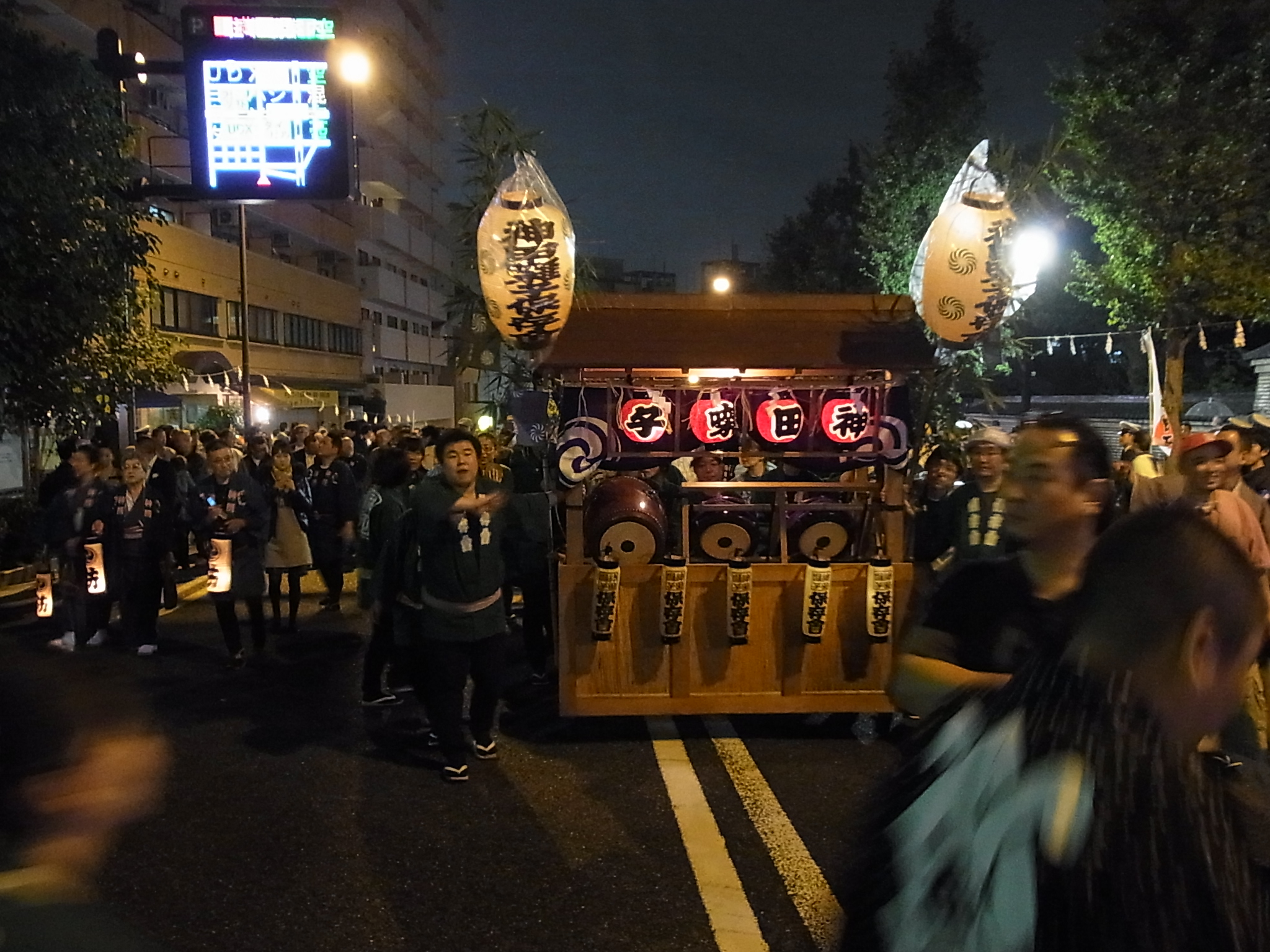
Kanda Matsuri unfolds through central Tokyo as a shrine festival with real street presence, anchored by Kanda Myojin Shrine and extending into Kanda, Nihonbashi, and parts of Akihabara. The week combines formal observances with portable shrine movement, so the experience shifts between ritual space, curbside procession watching, and neighborhood participation rather than staying in a single enclosed venue.
Kanda Matsuri carries cultural weight because it preserves ceremonial forms, local memory, and public participation in ways that remain visible to visitors.
What makes Kanda Matsuri special is the balance between spectacle and continuity. It feels tied to place, history, and community rather than built only for visitors.
Early festival days lean more toward shrine-based rites around Kanda Myojin Shrine, with a calmer rhythm before the largest street scenes build. As the main weekend approaches, parade buildup becomes visible across central districts and crowd density rises around route edges, intersections, and station exits. Late morning through afternoon is the key window for watching mikoshi and accompanying groups move through Kanda and Nihonbashi, while Akihabara adds a striking contrast between festival passage and modern streetscape. By evening, the pace tapers from major movement into shrine grounds, nearby streets, and food-stall browsing, with slower circulation but still heavy foot traffic in the core areas.
Kanda Myojin ceremonies at the shrine precincts; Mikoshi processions moving through central Tokyo streets; Nihonbashi route viewing for a traditional urban procession setting; Akihabara festival passage where historic ritual cuts through a modern commercial district; Parish community participation visible in the carrying teams, attendants, and neighborhood presence along the route.
Explore guided experiences.Eating around Kanda Matsuri is tied to shrine approaches, side streets, and the evening taper after the main daytime movement, when quick festival foods are easier to grab than sit-down meals. The strongest picks fit the setting: hot, portable, and easy to eat between route changes near Kanda Myojin Shrine, Kanda, and nearby procession areas. Must Try:
The main activity for Kanda Matsuri is centered in Tokyo, usually around the primary park, ceremonial route, festival grounds, or core public venue area. Staying close to the main access points reduces friction on event days.
Find hotels near these areas.Public transit is usually the safest default in Tokyo, especially on peak event days when closures, congestion, or surge pricing can slow everything down.
Arrive by train and expect the last stretch on foot, because the festival core compresses near shrine approaches and procession streets. Pick one or two viewing zones in advance—Kanda Myojin Shrine, Nihonbashi, or Akihabara—rather than trying to chase every movement across Chiyoda. Reach major route areas before late morning if you want a stable curbside spot, carry water for long standing periods, and keep your phone and wallet secure in dense queues and station exits.
Tokyo prices can rise around central festival dates, and the biggest cost difference comes from how close you stay to the core districts. A mid-range hotel with direct rail access into Kanda or nearby central stations keeps the day manageable without paying for the closest rooms, while budget travelers can save by staying a few stops out and walking the final approach. Food spending can stay moderate if you rely on stalls, casual noodle shops, and short meal stops between procession periods.
The tightest pressure points are the shrine approaches at Kanda Myojin, major procession streets in Kanda and Nihonbashi, Akihabara viewing stretches, and rail stations before and after peak movement. Watch for restricted crossings, sudden crowd surges near moving mikoshi, and long periods in sun or heat at curbside spots. Keep valuables secured, avoid stepping into the street for photos, and do not count on being able to reposition quickly once sidewalks fill.
The current edition in your dataset runs May 11 to 17, 2026.
Kanda Matsuri is primarily a may event. The most rewarding visit usually centers on the main procession or signature ceremonial day, with extra time on either side for the city itself.
Check typical flight pricing for your preferred travel window before the busiest arrival days fill up.
Stay in Tokyo if you want the smoothest logistics and the most complete festival experience. The best options are usually hotels near the historic center, station, or main parade route, with enough nearby food, late return options, and walkable access where possible.
If central prices rise, look at neighborhoods just outside the core with strong public transit back into Tokyo. That usually gives a better balance of cost, sleep, and access than staying too far out.
Check typical hotel pricing for your preferred travel window before the busiest arrival days fill up.
Kyoto, Japan
15 May 2026
Tokyo, Japan
15 May 2026 – 17 May 2026
Tokyo, Japan
20 March 2027 – 6 April 2027