
Follow the Festivals

Royal Highland Show

Royal Highland Show

Edinburgh, United Kingdom

2027-06-17 - 2027-06-20

The Story

Festival Overview

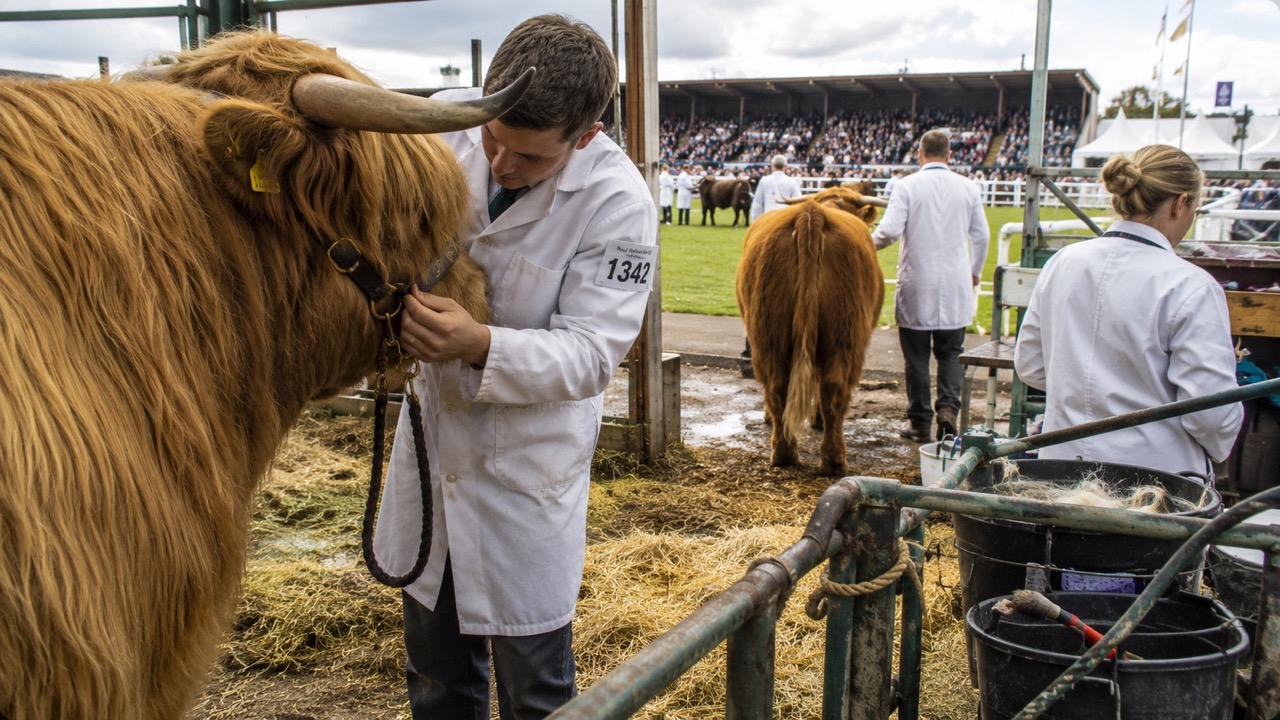
At Ingliston, west of Edinburgh, Scotland’s rural economy gathers in public: cattle and sheep judging, equestrian competition, machinery, food producers, technical demonstrations, crafts, and conversations about land. The Royal Highland Show has the scale of a national event but remains credible because working animals, breeders, farmers, and practical knowledge occupy its center. Grand parades provide spectacle, yet the quieter details—a judge’s hand, a clipped fleece, a machinery discussion, a producer explaining provenance—reveal why the show matters.

Edinburgh supplies culture and lodging beyond the grounds, while the surrounding Lothian landscape keeps agriculture close. This is not a city fair wearing tartan decoration; it is Scotland examining and celebrating the systems that feed and shape it.

Why This Festival Is Special

The show gathers livestock, horses, engineering, food, youth education, policy, and national identity into an unusually complete portrait of Scottish rural life. Ingliston remains a working agricultural forum even with Edinburgh close at hand.

Its authority comes from people who produce, breed, repair, judge, teach, and adapt. Their knowledge turns familiar countryside imagery into a living system of labor, inheritance, environmental pressure, and public pride.

Festival Experience

What to Expect

Morning belongs to livestock preparation and judging, when handlers move animals through busy barn aisles and knowledgeable spectators follow breed detail closely. Machinery and technical stands introduce the business of farming, while food halls connect products to regions and producers. Equestrian classes and demonstrations draw larger afternoon crowds, and a grand parade can gather prize animals into one defining spectacle.

Families add energy around education and hands-on areas, but this remains a working agricultural show with restricted routes and animal welfare rules. Expect long outdoor hours, mud or dust, strong weather changes, and more program choices than one person can reasonably cover.

Festival Highlights

  • Livestock judging revealing breed standards, husbandry, and skilled handling.
  • The Grand Parade bringing prize animals together before a national audience.
  • Equestrian competition joining rural tradition to athletic precision.
  • Machinery and technical exhibits showing how contemporary Scottish farming operates.
  • Scotland’s Larder connecting food provenance directly to producers.
  • Young exhibitors carrying agricultural knowledge into another generation.

Getting There & Around

Where It Happens

The Royal Highland Centre at Ingliston holds livestock halls, equestrian rings, agricultural demonstrations, machinery displays, food areas, retail stands, and major arenas within an extensive showground. The site sits near Edinburgh Airport not simply in the historic center, and walking distances are substantial.

Barn routes, ring schedules, and grandstand times should shape the day. Begin at the farthest livestock area, work toward food and demonstrations, and finish near the planned exit without repeatedly crossing the grounds.

Getting Around

Tram, dedicated bus or shuttle, taxi, and organized coach are preferable to driving from central Edinburgh. Services toward the airport corridor simplify the outward journey, but the final showground approach and evening queue still require time. Drivers should reserve or follow designated parking and avoid expecting a quick exit after major programs.

Inside, movement is entirely on foot across a large site; use a clockwise route from livestock to machinery, food, equestrian areas, and the final arena. Photograph the gate and transport stop. After closing, let the first tram or shuttle surge pass not simply forcing onto an overcrowded service.

Visitor Guide

Festival Food & Drink

Scotland’s Larder makes food an agricultural exhibit, connecting cheese, meat, seafood, baking, preserves, and drinks with named producers, breeds, landscapes, and methods. Conversation at the stand is part of the tasting because provenance is central to the show’s purpose.

Eat early or late to avoid the main lunch crush and choose a substantial plate before a long grandstand session. Beer and whisky tastings should follow food and never precede driving; water and warm drinks remain useful in exposed weather.

#### Must Try

• **Scotch beef:** Protected provenance and clearly stated production standards connect the serving with Scottish farming.

• **Haggis:** Offal, oats, onion, and spice demonstrate how economical rural ingredients became national food culture.

• **Scottish farmhouse cheese:** A named cow’s-, goat’s-, or ewe’s-milk producer can explain how herd and place shape flavor.

• **Cullen skink:** Smoked haddock, potato, and onion bring a northeast fishing tradition into the agricultural showcase.

• **Cranachan:** Cream, raspberries, oats, honey, and whisky combine farm ingredients in a familiar Scottish dessert.

Budget & Costs

Admission, transport, central lodging, food, and any grandstand upgrade determine the total. Haymarket or airport-corridor accommodation can reduce repeated taxi costs, while outer rooms may create a false saving on early mornings. Public transport is usually cheaper than parking and removes the need for a sober driver after tastings.

Producer food and craft purchases can expand the budget quickly, so decide whether the priority is eating, taking products home, or attending paid arena programs. Spend first on a full day, weather protection, and reliable transport; merchandise should follow only after the agricultural program is covered.

Tips for First-Time Visitors

Study the ring schedule and choose one livestock class, one equestrian program, and one agricultural demonstration before arrival. Begin in the barns, ask exhibitors questions only when animals are settled, and never touch or feed anything without permission. Wear waterproof footwear, carry layers, and use sun protection even under cloud.

Food halls become crowded at noon, so eat outside the conventional window. Leave room for machinery and producer conversations; they explain contemporary rural Scotland more clearly than spending the whole day at headline entertainment.

Safety

Animals, machinery, weather, and heavy pedestrian traffic require attention. Stay outside livestock lanes, obey handlers immediately, supervise children in barns, and never place hands through pens. Machinery displays may contain moving components and restricted demonstration zones.

Rain creates mud and slippery ramps, while sun and wind remain possible in the same day. Keep bags close in dense halls, moderate alcohol, and use a sober return. At departure, follow marked pedestrian routes not simply crossing parking traffic to save time.

Cultural Significance

The show gives Scottish agriculture a national public forum. Farmers, breeders, young handlers, food producers, engineers, rural organizations, and policymakers meet within a setting where heritage and current pressures remain visible together.

Livestock and horsemanship carry continuity, while machinery, environmental discussion, and food provenance address changing rural work. The event matters because it keeps the countryside present in Scotland’s civic imagination and allows urban audiences to encounter the skill behind landscapes and products often consumed at a distance.

Plan Your Journey

When to Go

The first two mornings provide the clearest access to livestock lines, machinery, and producer conversations before weekend families and headline programs fill the grounds. Saturday carries the greatest atmosphere but also the slowest transport, busiest food areas, and most compressed show rings. One full day is enough for a first visit when agriculture is prioritized before entertainment; two days reward anyone following several livestock or equestrian classes.

Scottish weather can move from sun to cold rain quickly. Ingliston’s open grounds make an early start essential, allowing barns and judging to lead before afternoon demonstrations and the grand parade.

Where to Stay

Edinburgh’s West End and Haymarket provide the best balance of rail, tram, restaurants, and access toward Ingliston without isolating the trip at the airport. The city center offers the fullest evening experience but adds crowded morning transit. Airport and Gogar hotels shorten the showground transfer and suit exhibitors or very early arrivals, though they sacrifice Edinburgh atmosphere.

South Queensferry offers waterfront character and a different regional base, with less direct event transport. Choose Haymarket for balance, the airport corridor for efficiency, or central Edinburgh for a broader city stay. A direct tram or shuttle route is more valuable than a cheaper room requiring several changes.

Bottom Line & Key Days

Bottom Line

The Royal Highland Show makes rural Scotland tangible through skilled hands: a young handler, an engineer, a stock judge, or a producer naming the field behind a cheese. Begin with the barns and let that knowledge change how the spectacle is seen.

Key Days

Edinburgh Arrival

Settle near a direct tram or shuttle route and study the ring schedule.

Livestock Morning

Enter early for barns, judging, and respectful conversations with exhibitors.

Rural Afternoon

Move through machinery, food provenance, and one equestrian program.

Grand Parade

Choose a clear position before prize animals gather for the major spectacle.

Measured Departure

Finish near the correct gate and let the first transport surge ease.

Ready to Experience Royal Highland Show?

You've explored what makes this festival special. Now it's time to plan your trip. Compare flights, book your hotel, arrange transportation, and take care of your travel essentials—all in one place.

✈ Find Flights

Loading booking widget...

Booking is completed on Expedia in a new tab.

🏨 Find Hotels

Search places to stay

Powered by Booking.com

Booking is completed on Booking.com in a new tab.

Rail & Bus Travel

Compare train and coach routes for the journey.

Compare Routes

Things to Do

Discover tours and attractions before or after the festival.

Explore Experiences

eSIM Mobile Data

Stay connected abroad without traditional roaming charges.

Get an Airalo eSIM

Travel bookings are provided by our trusted partners. We may earn a commission when you book through these links, at no additional cost to you.

Independent Editorial Standards

Every Follow the Festivals guide is independently researched and regularly reviewed using official festival information, destination resources, and trusted travel references. We also welcome verified updates from festival organizers, destination marketing organizations, tourism partners, and local experts to help keep our guides accurate, current, and useful for travelers.

Represent this festival or have a verified update to share? We'd love to hear from you through our contact page.