
Follow the Festivals

Istanbul Film Festival

Istanbul Film Festival

Istanbul, Turkey

2027-04-01 - 2027-04-01

The Story

Festival Overview

Istanbul's film culture unfolds across a city divided by water and joined by ferries, bridges, steep streets, and fierce habits of public conversation. During the film festival, Beyoğlu's cinemas become the principal current, with additional screenings drawing audiences toward Kadıköy, Nişantaşı, and other cultural districts. Turkish premieres share the program with international discoveries, restored cinema, documentaries, and director conversations. The experience is urban rather than sealed off: a day passes through auditoriums, coffeehouses, bookshops, ferry decks, and evening crowds on İstiklal Avenue. Moving between films reveals as much as the screen does, from the European-side theater tradition to the Asian-side neighborhood audience. The festival's importance lies in that dialogue between local film history and a wide international program, staged in a metropolis where every transfer changes the view and every post-screening debate seems capable of lasting past midnight.

Why This Festival Is Special

Few film festivals make the host metropolis so active in the act of viewing. A Turkish debut in Beyoğlu, an international film in Kadıköy, and the ferry between them create one continuous cultural experience. The program's breadth matters, but so does the audience: informed, vocal, and connected to a deep national cinema tradition. Travelers choose this festival because it allows them to enter Istanbul through its filmgoing habits, with each district and crossing changing the meaning of the next screen.

Festival Experience

What to Expect

The day begins with ticket checks and quieter audiences, then accelerates through afternoon sessions, sold-out evening films, and discussions spilling onto the pavement. Turkish and international work appear side by side, with subtitle languages varying by title. Director appearances can turn an ordinary screening into a charged public exchange. Expect queues, steep walks, tea breaks, last-minute schedule decisions, and traffic that makes optimistic transfers fail. The strongest itinerary favors complete attention over maximum count: two or three films, one conversation, and enough city between them to keep each work distinct.

Festival Highlights

  • Turkish Cinema — New national work meets a knowledgeable home audience in the country's largest city.
  • International Discoveries — Festival-circuit films gain context through local programming and discussion.
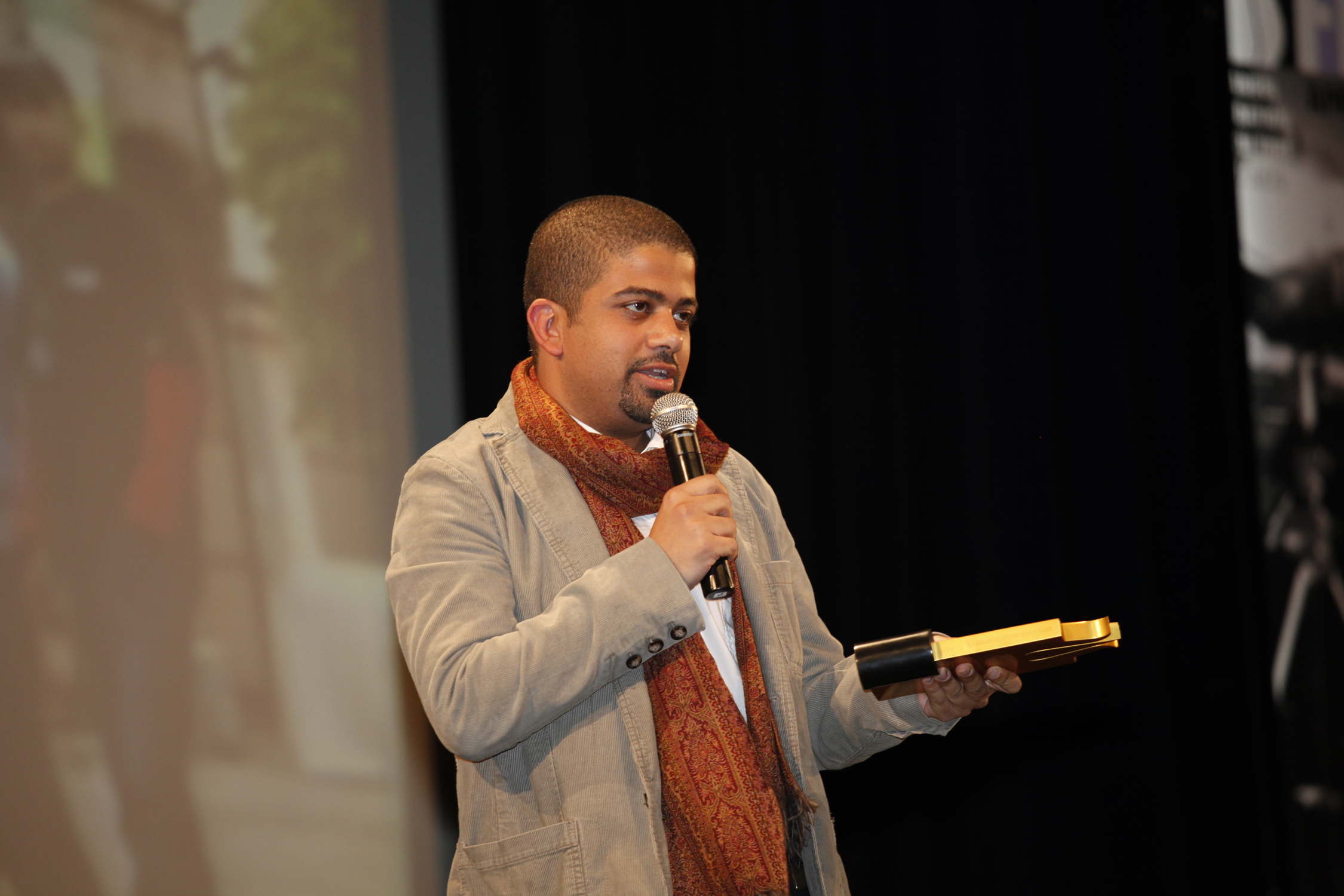
  • Director Conversations — Filmmaker appearances extend screenings into serious public exchange.
  • Beyoğlu Film Culture — Historic cinemas, passages, cafés, and bookshops sustain the event's urban heart.
  • Bosphorus Transfers — Ferries turn movement between cinema districts into a defining part of the day.

Getting There & Around

Where It Happens

Beyoğlu cinemas form the historic center of gravity, while theaters and cultural spaces in Kadıköy, Nişantaşı, and other districts broaden the map. Each cluster has its own street life and transport logic. A short geographic distance can involve a hill, crowded tram, or ferry timetable. Venue entrances may sit inside passages or shopping buildings rather than announce themselves grandly. Group screenings by district, learn the final return route, and regard the Bosphorus crossing as part of the festival rather than dead travel time.

Getting Around

Metro, tram, funicular, ferry, and walking are more reliable than road vehicles for cinema hopping. Ferries connect Kadıköy with the European side while providing a natural pause. Hills around Beyoğlu and long station passages add time invisible on a map. Never schedule a cross-city transfer at the minimum estimate. Load a transit card, save venue addresses offline, and know the final ferry or metro option before entering a late film. Taxis can be slow precisely when urgency is greatest.

Visitor Guide

Festival Food & Drink

Screening days favor quick food with real character. Simit is a sesame-crusted bread ring sold from street carts, sturdy enough for a morning queue. Börek layers thin pastry around cheese, spinach, potato, or minced meat, while balık ekmek places grilled fish, onion, and greens in bread near the waterfront. Mercimek çorbası is a smooth red-lentil soup that restores warmth after a wet transfer. Turkish coffee arrives unfiltered and intense, better after a meal than as a substitute for one. Use lokantas for a substantial daytime plate and save meze and rakı for after the final film, when no running time remains to threaten.

Must Try
• Simit — Circular bread coated in sesame seeds, crisp outside and chewy within.
• Börek — Flaky layered pastry filled with cheese, greens, potato, or seasoned meat.
• Balık ekmek — Grilled fish sandwich with onion, herbs, and lemon near the waterfront.
• Mercimek çorbası — Silky red-lentil soup seasoned with pepper, mint, and lemon.
• Türk kahvesi — Strong unfiltered coffee brewed in a small pot and served with its grounds.

Budget & Costs

Individual screenings are often easier to manage than lodging in the most convenient districts. Reserve the room early, set a daily ticket limit, and use ferries and rail rather than repeated taxis. Simit, soup, börek, and lokanta meals keep food affordable without flattening the experience. Gala events and last-minute cross-city rides raise costs quickly. Leave a small discovery fund for an unexpected film, but do not buy overlapping sessions that geography makes impossible.

Tips for First-Time Visitors

Build the schedule by district first and artistic ambition second. Check subtitle language, auditorium address, and Q&A details before purchasing. Arrive early at smaller theaters, where foyer space can be limited. Keep one flexible slot for a recommendation from an audience member or critic. Carry water, a charger, and rain protection, but travel light on steep streets. If a transfer crosses the Bosphorus, let the ferry become an interval rather than a race. Post-film discussion is part of the culture; leave room for it.

Safety

Crowded streets, pickpocketing, steep wet paving, late ferries, and rushed road crossings are the practical concerns. Keep valuables closed and in front around İstiklal Avenue and transit hubs. Step aside before reading a phone, and avoid running for a tram or screening. Use well-lit routes after late sessions and remain aware of changing public conditions. Ferry decks can be windy and slippery. Fatigue accumulates invisibly across dark auditoriums, so eat, hydrate, and rest.

Cultural Significance

The festival has long connected Turkish filmmakers and audiences with international cinema, giving local work visibility while sustaining access to films outside mainstream distribution. Its retrospectives and restored titles deepen film memory, and its public discussions make criticism a civic practice. The event also helps preserve the idea of collective cinema-going in districts facing commercial and architectural change. In a country with a rich, contested screen history, the program functions as exhibition, archive, meeting place, and argument about what national cinema can become.

Plan Your Journey

When to Go

Allow four days if possible, anchoring each one in a single cinema district. Opening weekend carries premieres and public excitement; weekdays often provide better access to smaller films and repeat screenings. Late morning starts leave room for breakfast and transit, while evening sessions bring the strongest audience energy. Preserve one ferry crossing in daylight and one meal interval long enough for real conversation. Spring weather can move between sun, wind, and rain, so a compact layer belongs in the day bag.

Where to Stay

Beyoğlu gives the most immediate filmgoing rhythm, with central cinemas, cafés, and late food nearby, though noise and hills require careful hotel choice. Karaköy offers tram, ferry, and walking connections below the main ridge. Kadıköy suits visitors drawn to the Asian side and its independent cultural life, but cross-water screening transfers need generous time. Choose a property near a metro or ferry rather than relying on taxis. Late reception and a quiet room matter after several consecutive auditorium days.

Bottom Line & Key Days

Bottom Line

The final credits rise, the audience returns to a steep night street, and another continent glows across the water. In that moment, cinema and city become impossible to separate. Istanbul Film Festival offers more than a strong program; it turns ferries, passages, coffeehouses, and neighborhood theaters into part of the viewing experience. The lasting reason to travel is the sense of a vast metropolis thinking about film together.

Key Days

Arrival

Settle near rapid transit, collect tickets, and walk the principal cinema district before the first screening.

Opening

Begin with a Turkish premiere or major international work and remain for the audience conversation.

Beyoğlu Day

Keep consecutive films within the historic cinema district, leaving time for coffee and bookshops.

Bosphorus Day

Cross by ferry for an Asian-side screening and let the water provide a deliberate interval.

Closing

Choose one final film, then finish with a late meal rather than another impossible transfer.

Ready to Experience Istanbul Film Festival?

You've explored what makes this festival special. Now it's time to plan your trip. Compare flights, book your hotel, arrange transportation, and take care of your travel essentials—all in one place.

✈ Find Flights

Loading booking widget...

Booking is completed on Expedia in a new tab.

🏨 Find Hotels

Search places to stay

Powered by Booking.com

Booking is completed on Booking.com in a new tab.

Rail & Bus Travel

Compare train and coach routes for the journey.

Compare Routes

Things to Do

Discover tours and attractions before or after the festival.

Explore Experiences

eSIM Mobile Data

Stay connected abroad without traditional roaming charges.

Get an Airalo eSIM

Travel bookings are provided by our trusted partners. We may earn a commission when you book through these links, at no additional cost to you.

Independent Editorial Standards

Every Follow the Festivals guide is independently researched and regularly reviewed using official festival information, destination resources, and trusted travel references. We also welcome verified updates from festival organizers, destination marketing organizations, tourism partners, and local experts to help keep our guides accurate, current, and useful for travelers.

Represent this festival or have a verified update to share? We'd love to hear from you through our contact page.