Follow the Festivals

New Orleans Wine and Food Experience

New Orleans Wine and Food Experience

New Orleans, United States

2027-06-09 - 2027-06-13

The Story

Festival Overview

New Orleans already treats cooking, drinking, hospitality, and performance as interdependent arts. The Wine & Food Experience concentrates that culture into several days of wine dinners, tastings, seminars, celebratory walks, and restaurant showcases across the city’s dining core.

Rather than asking chefs to imitate a neutral convention format, the event lets Creole and contemporary Louisiana kitchens meet winemakers at the table. A grand tasting provides breadth; an intimate dinner reveals how a chef builds a progression around acidity, spice, seafood, smoke, and richness. Between events, wrought-iron balconies, hotel lobbies, bars, and music venues keep the evening moving.

The festival’s most persuasive quality is that the city does not disappear behind the ticket—it continues the meal.

Why This Festival Is Special

Wine events exist in many cities, but New Orleans supplies a culinary grammar strong enough to challenge every pairing. The traveler is not merely comparing bottles; they are testing how wine responds to roux, Gulf salinity, Creole mustard, smoke, pepper, and a dining culture built around generosity. Distributed venues allow the architecture and nightlife to continue each tasting.

That inseparability of plate, pour, room, and city is the reason to choose NOWFE over a conventional expo.

Festival Experience

What to Expect

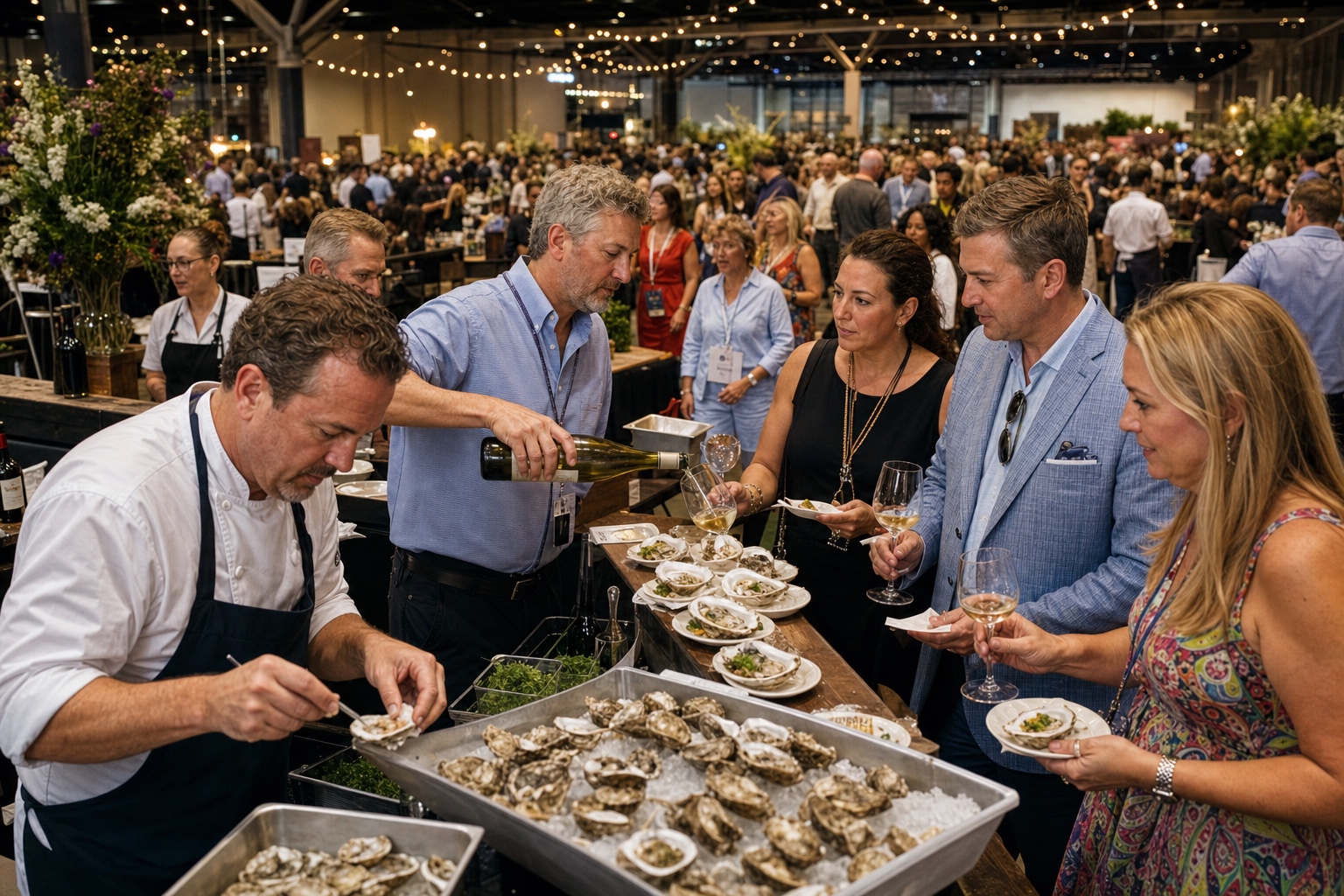
A grand tasting moves quickly: small plates, short pours, producer conversations, chef appearances, and lines that change as word spreads about a dish or bottle. Wine dinners are slower and more interpretive, with paired courses explaining a kitchen’s relationship to a region or varietal.

Seminars reward focused attention before drinking fatigue sets in. Dress tends toward celebratory rather than formal, yet standing comfort matters. The most successful visitors taste selectively, take notes, drink water, and resist turning access into a volume challenge.

Festival Highlights

  • The Grand Tasting allows Louisiana chefs and wineries to be compared in one energetic room.
  • A wine dinner offers the counterpoint, giving a single culinary team time to develop seafood, roux, smoke, and seasonal produce through multiple courses.
  • A French Quarter stroll adds architecture and street life to the tasting format.
  • Educational sessions can sharpen the palate before the larger events, while the festival’s charitable dimension gives the indulgence a lasting connection to culinary and hospitality communities.

Getting There & Around

Where It Happens

Flagship tastings often use large downtown event spaces, while wine dinners unfold in individual restaurants across several neighborhoods. Royal Street and the French Quarter can become a progressive social setting, whereas the Warehouse District handles larger indoor crowds efficiently.

The geography is intentionally distributed because participating kitchens are part of the subject. Plan each day around one cluster and allow the route between events to reveal architecture, bars, galleries, and the city’s everyday hospitality culture.

Getting Around

Walk within the French Quarter and Warehouse District, use the streetcar for planned daytime links, and rely on taxis or rideshare after substantial drinking. Old sidewalks, heat, and rain make short map distances slower in dress shoes. Do not stack distant reservations with narrow transfer windows.

Save venue addresses before leaving the hotel, agree on the final ride in advance, and avoid driving entirely on tasting nights.

Visitor Guide

Festival Food & Drink

This is the rare festival where food and drink must be considered together rather than as parallel lists. Gulf oysters need a wine that preserves salinity; gumbo challenges pairings with roux, smoke, spice, and texture; shrimp remoulade brings acid and mustard into the conversation. Ask why a pairing was chosen, then taste the dish again after the wine. Small portions accumulate quickly, so skip anything generic and reserve attention for plates that could only come from South Louisiana.

Must Try
• Charbroiled oysters — Gulf oysters cooked under garlic butter, herbs, and cheese until their liquor meets the smoky grill.
• Shrimp remoulade — Chilled shrimp dressed in a sharp Creole mustard sauce with herbs and spice.
• Gumbo — A roux-based stew layered with seafood or meat, aromatics, stock, and regional seasoning.
• Crawfish étouffée — Crawfish tails smothered in a rich seasoned sauce and spooned over rice.
• Bread pudding with whiskey sauce — Custardy baked bread finished with a warm sauce that rewards a thoughtful dessert pairing.

Budget & Costs

This is a premium culinary trip, with separate tickets for tastings, dinners, seminars, lodging, tax, tips, and transportation. Control costs by selecting one expensive anchor event and building the remaining days around ordinary restaurants and free city exploration.

A downtown hotel may cost more but reduce late rides and missed reservations. Budget for gratuities even when food is included, and keep a reserve for the unexpected bottle, bar, or breakfast that becomes the trip’s best memory.

Tips for First-Time Visitors

Choose one flagship tasting, one serious dinner, and one educational or neighborhood event instead of buying every possible ticket. Eat a light breakfast, begin hydrated, and use the dump bucket without embarrassment; tasting is not an obligation to finish.

Ask producers a specific question rather than collecting labels. Leave room for a non-festival po’boy, bar, or music set, because the destination’s culinary life extends beyond the scheduled rooms.

Safety

Alcohol pacing is the central safety responsibility. Drink water between wines, eat throughout the event, use dump vessels, and stop tasting when sensory judgment declines. Uneven sidewalks and summer downpours add risk after dark, particularly in dress shoes.

Keep valuables close in crowded rooms and arrange a sober return before the first pour. Anyone with seafood or other food allergies should ask the serving team directly rather than infer ingredients from a short menu title.

Cultural Significance

The event supports and showcases an ecosystem of chefs, servers, restaurateurs, distributors, winemakers, and hospitality workers central to New Orleans’s identity and economy. It presents Creole and Louisiana foodways as evolving professional traditions rather than nostalgic dishes alone.

By drawing visitors during a slower, hotter season and directing them into restaurants, the festival provides economic value beyond one ballroom. Charitable giving further links celebration to the community that produces it.

Plan Your Journey

When to Go

The experience generally takes place in early summer over several days, with wine dinners and specialty events leading toward the largest tasting. Arrive before the opening evening if restaurant reservations matter, then leave one unscheduled meal for discoveries outside the ticketed program.

Heat and sudden rain favor light clothing with polished details. Pace the itinerary; consecutive tastings without rest or real food diminish both palate and pleasure.

Where to Stay

The Central Business District and Warehouse District provide practical access to hotels, major tasting venues, and many acclaimed restaurants. The French Quarter offers atmosphere and late-night continuity but can be noisier.

The Garden District gives a more residential base with streetcar connections, though event-to-event transfers take longer. Stay where walking can replace at least one ride each day, and choose reliable air-conditioning, elevators, and breakfast over decorative charm alone.

Bottom Line & Key Days

Bottom Line

The lasting moment may be a celebrated vintage, but it is just as likely to be an oyster lifted from a hot shell while a winemaker explains why the pairing survived the garlic and smoke.

New Orleans gives the festival what no tasting grid can manufacture: a culinary language, a sense of occasion, and another bar or song waiting after dinner. Travel for the access, then let the city teach the more important lesson—that eating and drinking are forms of memory practiced together.

Key Days

Arrival

Settle downtown, hydrate, and eat a straightforward local meal before the tasting schedule begins.

Seminar

Start with a focused educational session while the palate is fresh and the room remains conversational.

Wine Dinner

Give one chef and producer a full evening, listening to the logic connecting each course and pour.

Grand Tasting

Choose priorities, taste selectively, use water and dump vessels, and return to promising tables rather than chasing volume.

City Evening

Continue with music or a neighborhood bar only after food, rest, and a safe return plan are established.

Closing

Reserve the final morning for coffee, a simple breakfast, and reflection before purchasing bottles or departing.

Ready to Experience New Orleans Wine and Food Experience?

You've explored what makes this festival special. Now it's time to plan your trip. Compare flights, book your hotel, arrange transportation, and take care of your travel essentials—all in one place.

✈ Find Flights

Loading booking widget...

Booking is completed on Expedia in a new tab.

🏨 Find Hotels

Search places to stay

Powered by Booking.com

Booking is completed on Booking.com in a new tab.

Rail & Bus Travel

Compare train and coach routes for the journey.

Compare Routes

Things to Do

Discover tours and attractions before or after the festival.

Explore Experiences

eSIM Mobile Data

Stay connected abroad without traditional roaming charges.

Get an Airalo eSIM

Travel bookings are provided by our trusted partners. We may earn a commission when you book through these links, at no additional cost to you.

Independent Editorial Standards

Every Follow the Festivals guide is independently researched and regularly reviewed using official festival information, destination resources, and trusted travel references. We also welcome verified updates from festival organizers, destination marketing organizations, tourism partners, and local experts to help keep our guides accurate, current, and useful for travelers.

Represent this festival or have a verified update to share? We'd love to hear from you through our contact page.

Photo Credits