Follow the Festivals

Capital Pride Festival

Capital Pride Festival

Washington, United States

2027-03-23 - 2027-03-23

The Story

Festival Overview

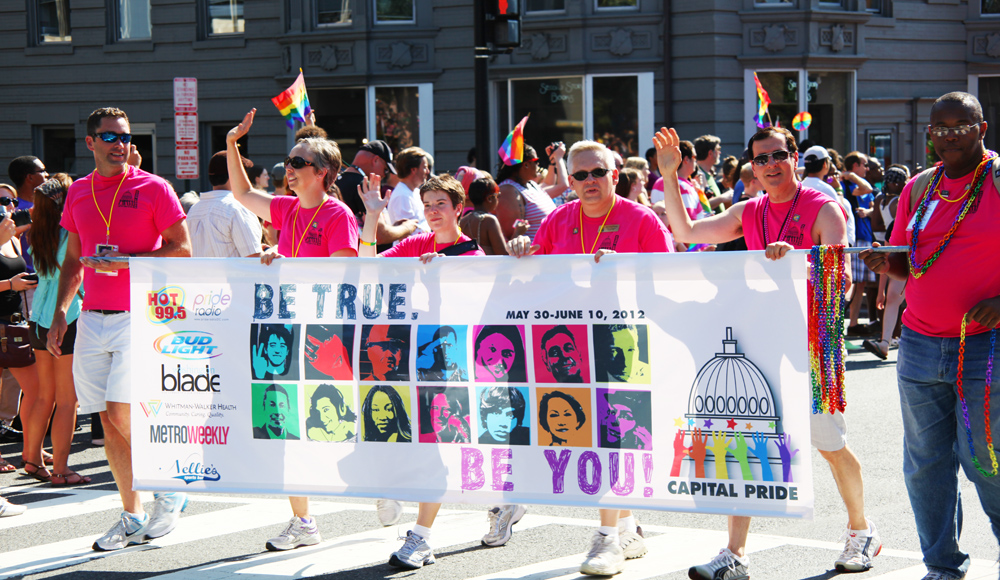
Washington reveals one of its most resonant public faces when Pride colors fill the monumental downtown corridor. Along Pennsylvania Avenue, the formality of federal architecture meets a celebration shaped by local LGBTQ+ communities, advocacy groups, performers, families, and friends. Capital Pride Festival is not simply a concert with booths around it; it is a civic gathering in which visibility carries unusual weight because of the setting. Music pulls crowds toward the stages, conversations unfold beside community tables, and strangers exchange compliments as they move through the avenue. The city remains recognizably itself—ceremonial, political, and international—but becomes warmer and more personal for the day. Travelers experience Pride against a backdrop associated with national power while seeing how residents turn that symbolic space into one of welcome, memory, protest, and joy.

Why This Festival Is Special

Many Pride festivals animate entertainment districts or parks; this one places LGBTQ+ visibility within the capital's monumental core. That geography changes the emotional register. A drag performance, health-resource conversation, family photograph, or handmade protest sign carries added force against buildings that symbolize national authority. Travelers choose Capital Pride for that convergence of celebration and citizenship: the festival is joyful without losing sight of the political work that made such public joy possible.

Festival Experience

What to Expect

Late morning into early afternoon, people start arriving from downtown Metrorail stations and the blocks along Pennsylvania Avenue NW fill with flags, music, booth browsing, and long social laps up and down the avenue. By afternoon, the busiest stretch is around live stage performances and community areas, with louder energy, thicker lines for food, and more people stopping to watch, dance, or reconnect. If Pride parade activity is part of the day’s schedule, attention shifts toward the route first and then spills back into the festival blocks afterward. By late afternoon and early evening, the pace eases, with shorter waits, more room to move, and a looser end-of-day atmosphere.

Festival Highlights

  • The Pennsylvania Avenue festival grounds, where monumental Washington becomes a pedestrian Pride gathering.
  • Main-stage performances that bring drag, dance, pop, and community voices into the same program.
  • Community and advocacy booths offering conversations with local organizations rather than passive displays.
  • The moving street crowd itself, full of handmade signs, celebratory fashion, reunions, and spontaneous photographs.
  • The contrast between national landmarks and the personal stories carried through the festival blocks.

Getting There & Around

Where It Happens

Pennsylvania Avenue NW is the spine of Capital Pride Festival, with the main festival blocks laid out so you move back and forth between live stage performance areas and the community and advocacy booth rows rather than staying in one fixed spot. Most people come in from nearby downtown Metrorail stations and walk straight into the central Washington downtown event area, then spend the day making long social laps along the avenue, peeling off toward a stage when music pulls a crowd or slowing down where the booth rows get dense. If parade activity is part of the schedule, the flow briefly shifts toward the viewing route and then folds back into the Pennsylvania Avenue festival blocks afterward.

Getting Around

Metrorail is the most dependable approach, followed by walking once inside the downtown footprint. Pick a station based on the end of the grounds you want to enter rather than automatically following the largest crowd. Street closures can reroute buses and make rideshare pickups awkward, so arrange any meeting point several blocks beyond the busiest corridor. Inside the festival, travel slowly along one side, cross only at open points, and use visible landmarks for reunions. At departure, walking to a less crowded station often saves more time than waiting at the nearest entrance.

Visitor Guide

Festival Food & Drink

Festival eating here follows the pace of a long downtown day: portable food between stage sets, something cold during the afternoon, and a proper meal once the avenue begins to thin. Trucks and temporary stands handle the immediate appetite, but the richer choice lies in nearby Penn Quarter, Chinatown, Shaw, and Logan Circle, where the capital's dining culture reflects immigrant communities and regional traditions. A half-smoke connects the day to local street-food history, while Ethiopian platters speak to one of the metropolitan area's most influential culinary communities. Treat the festival stalls as fuel, then let dinner widen the experience beyond the barricades.

Must Try
• Half-smoke — A coarsely ground smoked sausage, usually grilled and dressed with chili, onions, and mustard.
• Ethiopian combination platter — Spiced stews, lentils, and vegetables shared on tangy injera flatbread.
• Mumbo-sauced wings — Fried chicken coated in the sweet, tangy red sauce associated with local carryouts.
• Chesapeake crab cake — Seasoned crab meat formed into a delicate cake and broiled or fried.
• Sweet tea or lemonade — A cold, practical counterpoint to an afternoon on open pavement.

Budget & Costs

The central festival can be enjoyed on a moderate day budget when travelers use Metrorail and treat food, drinks, and vendor purchases as the main expenses. Downtown lodging commands a premium for walkability; a hotel farther along a direct rail line often provides better value. Set aside extra funds for an evening meal or community event beyond the avenue, since that extension adds depth to the visit. Free public programming does not mean a cost-free day once transport, refreshments, and Pride merchandise are included.

Tips for First-Time Visitors

Begin with the community booths while representatives still have time to talk; later, the same aisles become social thoroughfares. Choose a recognizable landmark just outside the controlled blocks as the group reunion point, because stage noise makes phone calls difficult. If a performance matters, approach from the side rather than trying to push forward through the center. Carry water and a small rain layer, but keep bags compact for security and crowded transit. Most importantly, allow room for conversations—the festival's Washington character is clearest where civic work and celebration meet.

Safety

The avenue becomes tightly packed near major stages and popular booth rows, so keep valuables secured and establish a reunion point before entering. Sun, humidity, and reflected heat from the pavement can be more taxing than expected; water and periodic shade breaks are essential. Follow staff directions at crossings and temporary barriers, particularly when crowd movement changes. On departure, use well-traveled routes to rail stations and avoid standing in vehicle lanes while trying to arrange a pickup.

Cultural Significance

Pride in the nation's capital carries a dual responsibility: it celebrates local LGBTQ+ life while placing demands for dignity and equality in a setting associated with national decision-making. Community organizations use the day to recruit volunteers, share health and legal resources, honor earlier activists, and reach people who may not encounter those networks elsewhere. The gathering also makes visible the region's racial, cultural, and international diversity. For residents, occupying a ceremonial avenue with joy is both festive and declarative, linking personal freedom to public life.

Plan Your Journey

When to Go

Plan for the main festival period when downtown Pride activity is at its fullest. Arrive near opening for easier booth browsing and a calmer first look at the avenue; the strongest performance energy and densest crowds usually build through the afternoon. Leave time on either side for neighborhood events, exhibitions, and nightlife elsewhere in the district. Warm, humid conditions and sudden rain are both possible, so a flexible schedule is more useful than trying to account for every hour in advance.

Where to Stay

Penn Quarter and Downtown offer the simplest walk to the festival corridor, along with quick access to multiple Metrorail lines. Dupont Circle places travelers closer to longstanding LGBTQ+ nightlife and community history, while Logan Circle balances restaurants, evening energy, and a manageable trip to the avenue. Capitol Hill suits visitors who prefer residential streets after the crowds. Choose a hotel near more than one rail option if possible, since temporary street controls can make surface transport slower than the map suggests.

Bottom Line & Key Days

Bottom Line

Capital Pride Festival lets travelers encounter Washington beyond museums and institutions, as a living city whose communities claim the center with music, candor, and color. The lasting image is not only a stage or landmark but an avenue transformed by thousands of individual stories. Come for the celebration, and leave with a sharper sense of how public space can hold both national symbolism and deeply personal freedom.

Key Days

Arrival

Settle near a useful rail line and explore LGBTQ+ history or neighborhood nightlife before the central crowds gather.

Opening

Enter early for unhurried conversations at community booths and a clear first walk along the avenue.

Festival Day

Alternate stage performances with advocacy areas, food stops, and time to absorb the moving street scene.

Peak

Expect the largest audience and strongest performance energy through the heart of the afternoon.

Evening

Follow the celebration into nearby dining districts or community events after the downtown grounds begin to close.

Closing

Walk to a less crowded station and leave space for a final neighborhood meal rather than rushing with the first departure wave.

Ready to Experience Capital Pride Festival?

You've explored what makes this festival special. Now it's time to plan your trip. Compare flights, book your hotel, arrange transportation, and take care of your travel essentials—all in one place.

✈ Find Flights

Loading booking widget...

Booking is completed on Expedia in a new tab.

🏨 Find Hotels

Search places to stay

Powered by Booking.com

Booking is completed on Booking.com in a new tab.

Rail & Bus Travel

Compare train and coach routes for the journey.

Compare Routes

Things to Do

Discover tours and attractions before or after the festival.

Explore Experiences

eSIM Mobile Data

Stay connected abroad without traditional roaming charges.

Get an Airalo eSIM

Travel bookings are provided by our trusted partners. We may earn a commission when you book through these links, at no additional cost to you.

Independent Editorial Standards

Every Follow the Festivals guide is independently researched and regularly reviewed using official festival information, destination resources, and trusted travel references. We also welcome verified updates from festival organizers, destination marketing organizations, tourism partners, and local experts to help keep our guides accurate, current, and useful for travelers.

Represent this festival or have a verified update to share? We'd love to hear from you through our contact page.