
Follow the Festivals

Tour Down Under

Tour Down Under

Adelaide, Australia

2027-01-16 - 2027-01-24

The Story

Festival Overview

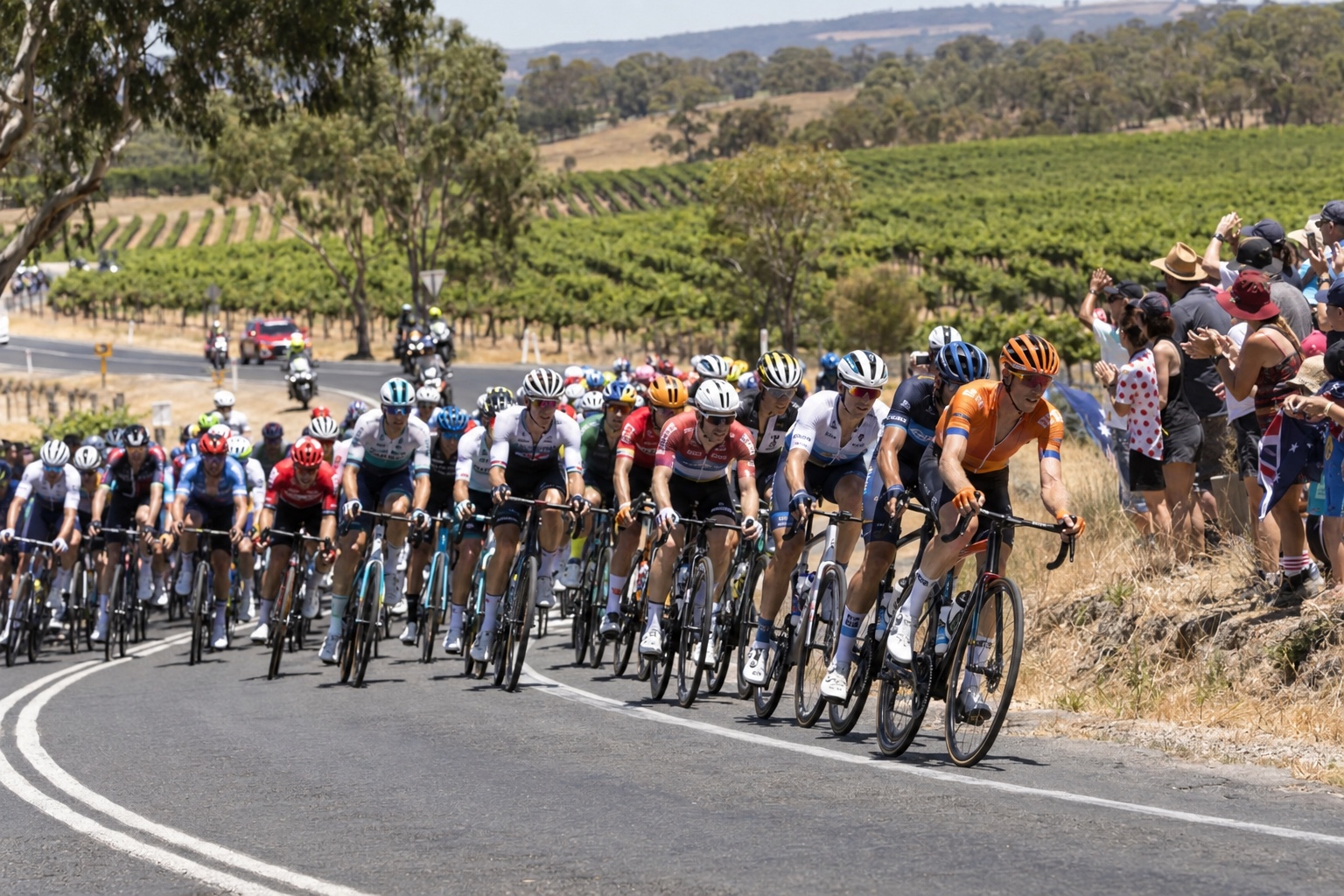
The Tour Down Under makes Adelaide a base camp and South Australia a moving grandstand. Elite riders launch from city streets, coastal suburbs, wine towns and hill communities, while spectators build each day around a start, a roadside position or a finish. Racing lasts minutes at any one viewpoint, but anticipation gives the landscape a long dramatic arc.

The event opens the international road cycling season and combines women’s and men’s racing with a broader festival program. Its closeness is distinctive. Riders pass within meters, team vehicles occupy ordinary roads and the peloton’s speed becomes understandable only when it has already gone.

Travelers must choose between depth and pursuit. One excellent roadside position can reveal the race more clearly than repeated driving, while selected transfers can show how terrain changes across the region. Adelaide provides the urban rhythm; coast, vineyards and hills explain the sporting test. The best trip allows cycling to teach South Australia through heat, distance, gradient and the communities gathered beside the road.

Why This Festival Is Special

The Tour Down Under is special because elite sport remains physically close to ordinary roads. There is no distant upper tier separating a roadside spectator from the sound of gears, breath and tires. The peloton appears, compresses months of preparation into seconds and leaves the landscape suddenly quiet again.

South Australia gives that encounter variety. Sea wind can split a race, vineyard roads can favor escape and steep hills can expose every weakness. A traveler learns the destination through the same forces that govern competition.

Adelaide provides continuity between stages. The Tour Village, team sightings and evening discussion let separate roadside moments accumulate into one narrative. Women’s and men’s racing expand the number of stories without requiring spectators to treat either field as secondary.

The event’s deepest quality is generosity of access paired with a demand for discipline. A free place beside the road can deliver world-class sport, but only after planning, waiting and respectful restraint. When the peloton passes safely and the crowd releases its held breath, the traveler understands why a brief view can justify an entire day.

Festival Experience

What to Expect

Road cycling delivers long preparation followed by a very short live encounter. At a start, spectators may watch riders, mechanics and officials for an extended period. At a roadside point, police, promotional vehicles and race cars announce the peloton before it arrives at astonishing speed. A finish adds screens and commentary, allowing the result to remain understandable after the riders disappear.

The race itself is strategic. Breakaways, time gaps, crosswinds, bonus seconds and team protection determine meaning. Follow official timing or commentary so the visible group has context. One passing bunch may contain several separate contests.

Summer conditions are serious. Expect strong sun, dry heat, glare and sudden wind. Shade can be limited, especially on rural climbs and coastal roads. Bring more water than seems necessary and protect skin before arrival.

Crowd atmosphere varies by stage. City circuits feel social and accessible; hill finishes become dense and emotionally intense; remote roads may stay quiet until the race arrives. Each setting rewards a different style of attention. The traveler’s task is to prepare patiently, watch completely and leave without damaging the place that hosted the view.

Festival Highlights

  • Team Presentation – Riders appear before competition begins, giving newcomers faces and stories to follow. Arrive early, learn several teams and use the moment to understand the coming race.
  • Tour Village – Exhibits, broadcasts, mechanics and public programming make cycling culture accessible in Adelaide. Visit during a lower-pressure period and gather official stage information before leaving.
  • Coastal Start – Beach communities combine summer atmosphere with visible team preparation. Watch sign-on, then choose one safe roadside position beyond the busiest assembly zone.
  • Breakaway Passage – A small group often reaches the spectator before the peloton. Track the time gap and notice cooperation, because the pursuit story gives the brief sighting meaning.
  • Adelaide Hills Climb – Gradient slows riders and exposes effort at close range. Walk or ride in before closure, carry all supplies and keep the racing line completely clear.
  • Wine-Country Stage – Vineyards and town centers connect elite sport to regional travel. Build one local meal or cellar visit around the race without drinking before a difficult drive.
  • Sprint Finish – Lead-out trains turn a broad road into a high-speed tactical contest. Use screens or commentary, remain behind barriers and stay for podium presentations.
  • Final Classification – The last stage resolves days of accumulated seconds and team work. Follow the standings beforehand so attacks, bonuses and the final podium carry their full weight.

Getting There & Around

Where It Happens

Adelaide functions as the operational heart, with the Tour Village, team activity and festival programming connecting spectators to the race. Stage routes then extend through metropolitan streets, the Adelaide Hills, coastal communities, wine districts and regional roads. The event’s identity comes from this movement; no single venue represents the whole tour.

Starts provide long access to teams, sign-on and preparation. Finishes concentrate speed, commentary and celebration but also produce the largest access pressure. Mid-route positions reveal tactics and landscape with fewer facilities. Climbs slow the riders enough to show expression, while exposed flat roads make wind and formation visible.

Every roadside location has practical limits. Roads close before the race, mobile coverage varies and shade may be scarce. Toilets, water and legal parking can sit far from the ideal view. Study the official stage map, road closure schedule and spectator guidance together.

Respect private property and environmental restrictions. Stand behind barriers where provided and never enter the road for a photograph. The route is a working sporting field. Its openness is a privilege created by disciplined spectatorship.

Getting Around

Adelaide’s center is easy to navigate on foot, by tram and through selected public transport. The Tour Village and city activity can usually be reached without a car. Regional stages require more deliberate choices because road closures can isolate an apparently convenient route before the race arrives.

Official spectator transfers offer the lowest-stress path to some key locations. They remove parking uncertainty, though departure times may require a long stay. Driving provides flexibility only when the parking zone and closure boundary are understood. Arrive early, park legally and expect to walk farther than the map implies.

Cycling to a stage is part of the event culture and may bypass vehicle congestion. The rider must be comfortable in heat, carry repair supplies and obey closures and descent controls. Do not assume that a professional race route is safe for an unprepared recreational ride.

Avoid chasing the peloton by car. Closing roads, local traffic and compressed timing make repeated interception unreliable and unsafe. Choose a start, one roadside point or a finish. A successful day has a clear entry, a complete viewing experience and a patient exit after official vehicles reopen the road.

Visitor Guide

Festival Food & Drink

The Tour Down Under crosses one of Australia’s strongest food and wine regions, but race timing can make careless dining plans fail. Eat a substantial breakfast, carry a roadside lunch and reserve destination meals for evenings or stages with a predictable finish. Rural cafés face sudden crowds, so patience and advance bookings matter.

**Must Try**
• South Australian seafood – Oysters, prawns and local fish suit a coastal rest day or post-stage dinner.
• Pie floater – A meat pie served with pea soup, linked to Adelaide’s late-night food history.
• Barossa smallgoods – Cured meats reflect German-influenced regional traditions and picnic well when kept safely chilled.
• Adelaide Hills cheese – Local dairy producers offer a useful connection between stage landscape and table.
• Haigh’s chocolate – An Adelaide-made sweet that travels easily when protected from heat.
• Regional wine – Shiraz, Riesling and other varieties express distinct nearby growing areas.

Wine tasting requires a transport plan. Use a tour, designate a sober driver or taste after the day’s movement is complete. Hydration comes first at every stage. Heat, alcohol and cycling are a dangerous combination, even for spectators.

Budget & Costs

Roadside race viewing is often free, making the Tour Down Under accessible at entry. The meaningful costs arise from accommodation, regional transport, food, bicycle logistics and any hospitality package. Adelaide room prices rise with demand, so book early with cancellation terms that match travel risk.

Official transfers may appear expensive beside self-driving, but parking, fuel, road closures and driver fatigue change the comparison. Hospitality offers shade, food, facilities and a guaranteed location. It can provide good value on one critical stage, especially for travelers who cannot stand in heat all day.

Set separate budgets for city days, regional stages and optional riding. Bicycle transport, rental, repairs and secure storage require planning. Wine purchases and destination meals belong outside the core race allowance.

The best economy comes from choosing fewer locations well. A free roadside position still needs water, sun protection and safe access. Do not save money by parking illegally, skipping heat supplies or relying on an uncertain late return. Invest in one excellent regional day and use Adelaide’s public festival activity to keep the wider itinerary both rich and controlled.

Tips for First-Time Visitors

Learn enough race structure to recognize the day’s question. Is the stage designed for sprinters, climbers, breakaway riders or general-classification contenders? Check standings and route profile before leaving. That small preparation turns a few seconds of live racing into a comprehensible contest.

For roadside viewing, bring water, food, sunscreen, hat, light long sleeves, power bank and a compact seat if permitted. Shade structures must be secure and positioned well away from riders. Pack out all rubbish and avoid glass.

Arrive early and watch the full convoy sequence. Stand behind barriers, control children and keep pets away from the course. Never lean into the road, run beside riders or hold a phone beyond the barrier. A rider moving at race speed cannot correct for a spectator’s mistake.

Pick fewer stages and experience them fully. Starts offer access, climbs show effort and finishes provide information; no location does everything. Use official commentary on a radio or phone, but preserve battery for transport.

The first-time temptation is constant movement. Resist it. South Australia becomes more memorable when one community, landscape and race story are allowed to develop across the day.

Safety

Heat is the primary hazard. Check official warnings, carry ample water, use high-protection sunscreen and wear a hat and breathable covering. Seek shade before symptoms begin. Confusion, faintness, stopped sweating or severe headache require immediate medical attention. Race operations may change when conditions threaten riders or spectators.

The course must remain completely clear. Stand behind barriers or well off the sealed roadway, supervise children and secure flags, chairs and shade equipment. Never cross after official vehicles begin the race sequence. Do not touch riders or run alongside them.

Rural locations add fire danger, uneven ground, wildlife and limited mobile coverage. Obey restrictions, avoid smoking and keep vehicles away from dry vegetation. Carry necessary medication and tell someone the selected viewing location.

Drivers should expect fatigue and alcohol enforcement. Wine tasting requires a sober transport plan. Cyclists need helmets, lights, repair gear and a realistic route back after closures lift.

Exit patiently. Roads reopen in stages, and official vehicles or later groups may still be moving. The safest spectator treats every roadside choice as temporary occupation of a community and leaves it clean, unobstructed and undamaged.

Cultural Significance

The Tour Down Under opens the international road cycling season in the southern summer, giving South Australia unusual visibility within a sport historically centered in Europe. Teams arrive to race seriously, while local riders and spectators encounter the highest level of the discipline on familiar roads.

The event also presents regional identity through route design. Coast, hills, vineyards and town centers become more than scenery because terrain shapes tactics. A climb explains settlement and geography at the same time it tests a rider. Communities host starts and finishes as public civic occasions.

Cycling culture spreads beyond the professional peloton. Group rides, volunteers, clubs, mechanics and everyday commuters make the festival legible as local participation, not imported entertainment. Equal attention to women’s and men’s racing strengthens that public message when scheduling and coverage treat both competitions as essential.

Its broader significance lies in making landscape readable through effort. Spectators learn distance, heat and gradient by watching bodies move across them. South Australia is not a backdrop placed behind sport. It determines the race, and the race gives visitors a disciplined reason to understand the region.

Plan Your Journey

When to Go

The Tour Down Under takes place in the height of South Australian summer. The festival period begins before the principal stage racing, with Adelaide activity, public rides and team appearances building toward the competitive program. Travelers who arrive early can collect information, explore the Tour Village and understand the field before road closures become the daily clock.

Stay through the final weekend if the general classification and hill stages matter. A shorter visit should select stages by terrain: coast for atmosphere and accessible scenery, wine country for destination depth, or steep finishing roads for concentrated sporting drama. One city day and one regional day create a useful minimum contrast.

Heat determines every choice. Morning starts may feel manageable before exposed roads and finish zones become severe. Check the official schedule, weather warnings and transport plans each day. Race organizers can modify operations for safety. Avoid an arrival that depends on reaching a regional stage directly from the airport. Adelaide deserves one orientation day, and the body needs time to adjust before standing in sun or riding long distances.

Where to Stay

Central Adelaide is the most flexible base. It provides access to the Tour Village, restaurants, tram and rail connections, plus pickup points for selected transfers. The city grid is walkable, yet hotels near active festival streets may carry noise. Choose a property with secure bicycle storage if bringing a bike and confirm whether elevators can accommodate it.

North Adelaide offers a quieter neighborhood feel with convenient access to park lands and some race activity. Glenelg works well for coast-focused travelers and provides a tram connection to the center, though regional hill stages still require separate planning. Staying in a wine region or coastal town can deepen one stage experience but reduces flexibility across the wider program.

Split lodging only when the regional stay has a clear purpose, such as several nights around riding and local food. Packing and moving during the race can consume the best viewing hours.

Select accommodation by the hardest morning departure and the likely return after a finish. Parking, early breakfast, laundry, air conditioning and bicycle policy matter more than decorative amenities. In summer heat, a reliable room becomes recovery infrastructure for the next day’s roadside attention.

Bottom Line & Key Days

Bottom Line

After the peloton disappears, the road keeps evidence for only a moment: fading cheers, disturbed dust and spectators checking the result. The landscape returns quickly, yet it no longer feels neutral. Gradient, wind and distance have become part of a sporting argument the traveler can now read.

Build the trip around that transformation. Use Adelaide to learn teams and race structure, select one coastal or regional stage, and give a hill or finish enough time to unfold. Carry serious heat protection, trust official closure information and never sacrifice safety for a photograph.

The Tour Down Under is not best experienced through maximum pursuit. Its maturity lies in choosing where to stop. A start reveals preparation, a roadside position reveals speed and a finish reveals consequence. Combine only what the day can honestly hold.

The final reward is a more exact understanding of South Australia. Towns, coast, vineyards and hills have not decorated the race; they have created it. A traveler leaves with sporting memories tied to real geography, which is why the tour can anchor a journey long after the final classification is settled.

Key Days

• Festival Opening – Visit the Adelaide hub, collect official guidance and learn the teams before regional travel begins. Use the day to test transport, heat supplies and communication.

• Team Presentation – Riders and leaders become recognizable before racing intensity takes over. Follow several stories across both fields so later roadside moments carry personal meaning.

• First Race Day – Choose an accessible start or finish and learn the convoy sequence. Avoid an ambitious chase while stage logistics are still unfamiliar.

• Coastal Stage – Sea breeze, open roads and beach communities shape tactics and atmosphere. Arrive early, secure shade and connect the race with one local meal or walk.

• Hills Stage – Gradient creates the clearest view of effort and classification pressure. Walk or ride into position before closure and carry every required supply.

• Final Weekend – Crowds and sporting stakes reach their peak. Protect one excellent sightline, follow time gaps and remain through podium presentations.

• Departure Day – Leave enough recovery after heat, driving or celebratory evenings. Clean equipment, return rentals and avoid a tight flight connection after a distant finish.

Ready to Experience Tour Down Under?

You've explored what makes this festival special. Now it's time to plan your trip. Compare flights, book your hotel, arrange transportation, and take care of your travel essentials—all in one place.

✈ Find Flights

Loading booking widget...

Booking is completed on Expedia in a new tab.

🏨 Find Hotels

Search places to stay

Powered by Booking.com

Booking is completed on Booking.com in a new tab.

Rail & Bus Travel

Compare train and coach routes for the journey.

Compare Routes

Things to Do

Discover tours and attractions before or after the festival.

Explore Experiences

eSIM Mobile Data

Stay connected abroad without traditional roaming charges.

Get an Airalo eSIM

Travel bookings are provided by our trusted partners. We may earn a commission when you book through these links, at no additional cost to you.

Independent Editorial Standards

Every Follow the Festivals guide is independently researched and regularly reviewed using official festival information, destination resources, and trusted travel references. We also welcome verified updates from festival organizers, destination marketing organizations, tourism partners, and local experts to help keep our guides accurate, current, and useful for travelers.

Represent this festival or have a verified update to share? We'd love to hear from you through our contact page.