
Follow the Festivals

Africa Cup of Nations 2027

Africa Cup of Nations 2027

Multiple host cities, Kenya, Tanzania and Uganda

2027-06-19 - 2027-07-17

The Story

Festival Overview

Africa Cup of Nations in East Africa is bigger than a football tournament. It is a month in which national teams, traveling supporters and three neighboring host countries turn sporting allegiance into a regional journey. The matches provide the timetable, but the character of the trip comes from the movement around them: shirts appearing at airport gates, predictions exchanged over breakfast and unfamiliar songs becoming recognizable by the second match.

This edition is especially ambitious because Kenya, Tanzania and Uganda share the hosting. That scale creates possibility and friction. A supporter can encounter several cities and football cultures, yet distance, borders and an evolving schedule make casual improvisation expensive.

My strongest advice is to resist treating the tournament as a checklist of fixtures. Choose a team, a city base or one phase of the competition and follow its story properly. The emotional reward comes from repetition: seeing the same supporters again, learning the route to the ground and understanding what a result changes. AFCON becomes memorable when the visitor stops hovering above East Africa and settles into the public life that the tournament temporarily reorganizes.

Why This Festival Is Special

Most international tournaments ask a destination to host football. This one asks three countries to construct a shared stage while supporters create dozens of smaller national worlds inside it. That produces a rare tension between regional cooperation and fierce sporting allegiance.

The event also changes scale constantly. A match can feel continental in the stadium, then personal at a roadside café where one missed chance is debated by five people. Music, clothing and movement make support visible in ways television cannot fully translate.

Its special quality will not come from flawless operation. A new regional hosting model will inevitably demand patience. The value lies in seeing ambition become lived experience: a volunteer directing visitors, rival supporters sharing transport and a city discovering how it sounds when the continent arrives.

For me, AFCON becomes distinct when the football stops being detachable from place. The humidity, altitude, meal, journey and local argument all enter the memory of the goal. The result still matters intensely. Yet the traveler leaves understanding that the tournament’s deepest achievement is the community it creates among people who remain proudly, productively different.

Festival Experience

What to Expect

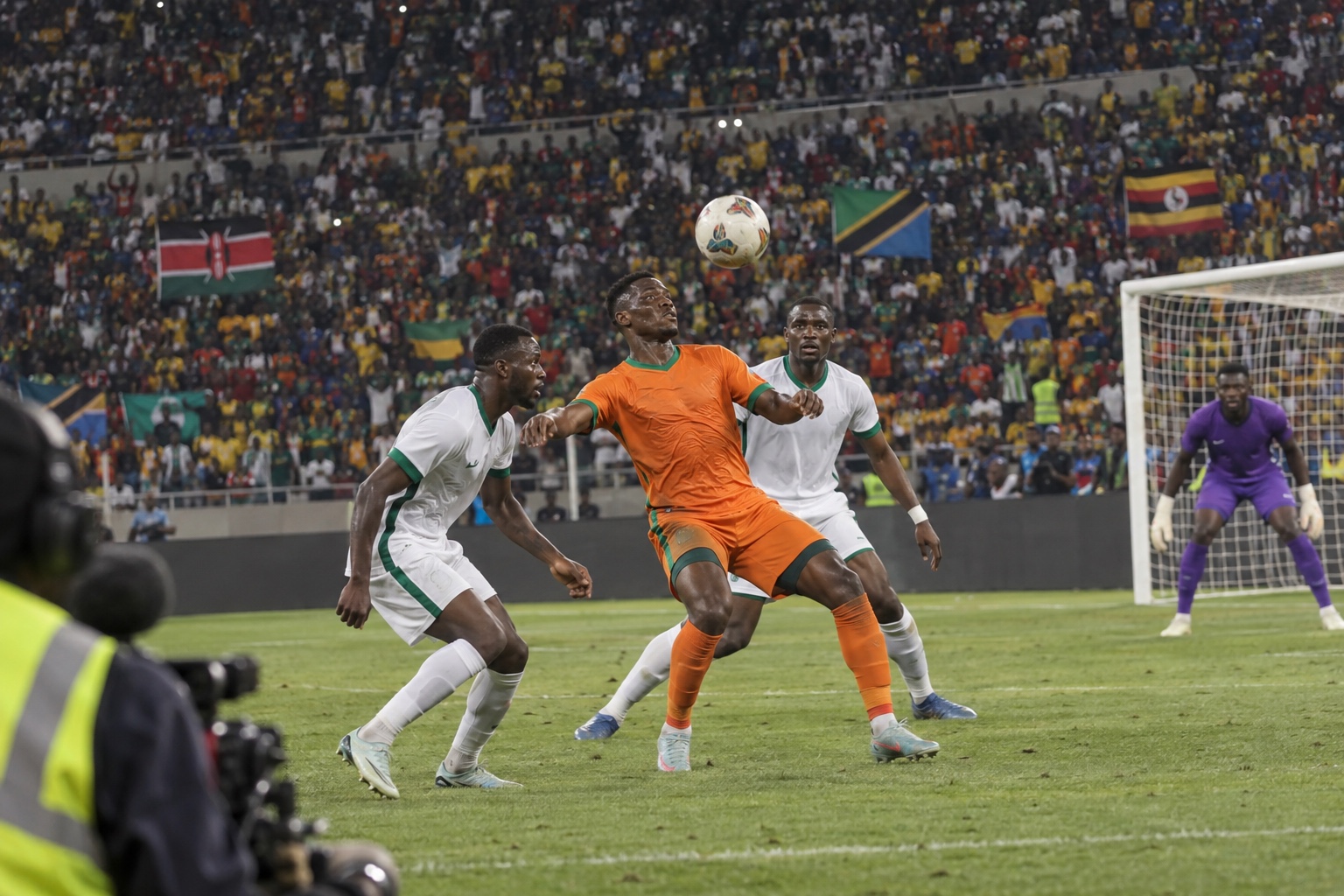
Expect football to spill beyond the stadium. On match days, shirts, flags, music and argument move through hotels, streets and transport hubs long before the turnstiles open. Inside, organized supporter groups bring drums, choreography and songs that can make a neutral fixture feel personally consequential.

The operational experience will vary. Security checks may be layered, gates may open early and roads may close with limited warning. Queues can be energetic without moving quickly. Carry patience, water where permitted and only the essentials. Mobile connectivity can weaken when a full crowd tries to use the same network.

Tournament football has uneven rhythms. Some matches are technically cautious; others change through one mistake, substitution or surge from the stands. Learn the group situation before kickoff so a draw, goal difference or late equalizer carries its proper weight.

What surprised me most about major international football is how quickly neutrality disappears. A song, an underdog or the generosity of nearby supporters gives the match an emotional direction. Stay open to that attachment. The best AFCON evening is not always the fixture with the most famous players; it is often the one whose tension the crowd teaches you to feel.

Festival Highlights

  • Opening Match – The first fixture introduces the host presentation, tournament anthem and emotional scale. Arrive early enough to watch the crowd assemble and remain through the ceremony so the occasion has a beginning.
  • Group-Stage Doubleheader – Two matches in one city reveal contrasting supporter cultures and offer strong value. Protect recovery time between them, eat properly and avoid a transfer that depends on perfect traffic.
  • A Host-Nation Match – Local anticipation changes streets, transport and the stadium hours before kickoff. Join public celebration respectfully and secure the return plan before the result alters the city’s mood.
  • Supporters’ Gathering – Fan zones and informal meeting points turn songs and predictions into shared language. Visit before darkness, keep valuables controlled and let established supporter groups set the tone.
  • Knockout Football – Elimination gives every substitution and delay greater force. Choose one decisive match, learn the bracket and leave the following morning flexible in case the evening runs long.
  • The Final – The closing match concentrates a month of travel, disappointment and belief into one stadium. Attend the full ceremony and resist booking a tight departure; the final deserves an ending, not an escape.

Getting There & Around

Where It Happens

The competition is shared across Kenya, Tanzania and Uganda, with matches distributed among confirmed host cities and stadiums once the final operational plan is released. That regional footprint is central to the event. It also means there is no single festival district or universal transport answer.

Each venue will create its own match-day geography: security perimeters, fan approaches, shuttle points and gathering areas. Official maps should outrank old stadium guides because construction, access and crowd controls can change. Arrive during daylight for a first visit and notice where local families and regular supporters enter. The easiest exit is often established before kickoff.

The wider setting matters. Nairobi, Dar es Salaam and Kampala each have distinct urban rhythms, while any additional host location will bring its own scale and travel logic. Do not describe a cross-border transfer as a commute. It is a separate travel day involving aviation or long-distance roads, immigration and schedule risk.

I see the three-country format as an invitation to choose depth carefully. Experience at least one host city beyond its stadium. A market morning, neighborhood meal or ordinary bus ride supplies the context that a seat alone cannot provide.

Do not assume the final tournament map until the organizing bodies publish it. Stadium readiness, competition assignments and transport plans can evolve. The honest itinerary begins with confirmed fixtures and leaves unconfirmed possibilities unpurchased. This is especially important when a visually short route crosses a border or relies on limited flight inventory.

Once locations are firm, read the geography in layers. The stadium determines match-day movement. The city determines daily life. The country determines entry rules and the larger transfer. Keeping those layers separate prevents a common planning error: choosing an appealing hotel in the right city that remains functionally wrong for the gate, airport or next destination.

Getting Around

Movement is the hardest planning problem because the tournament operates at three scales: within a host city, between host cities and across national borders. Solve each separately. For local match travel, follow official shuttles and traffic notices. For domestic moves, compare flights with long-distance roads honestly. For international legs, protect time for immigration and delay.

Do not assume ride-hailing will function normally around a security perimeter. Pickup points can move and mobile networks can strain. Save the accommodation address offline, carry a backup payment method and agree on a reunion location before companions separate.

Flights save time but become expensive around decisive fixtures. Coaches and private vehicles reveal more of the region, yet road duration can be unpredictable. Night road travel deserves particular caution. Use reputable operators and avoid creating a connection that fails after one late departure.

My preferred plan is one host-city base per tournament phase, with a full day assigned to every major relocation. That can look conservative on a spreadsheet. In practice, it protects matches, sleep and judgment. East Africa rewards movement with perspective, but the tournament punishes the traveler who confuses ambition with feasible distance.

Build a movement ledger before purchasing the complicated route. For every transfer, record the hotel checkout, station or airport, border requirement, realistic arrival and the next fixed commitment. If one delayed road leg threatens the following match, the sequence is too tight.

Local transport deserves the same precision. Ask whether an official shuttle serves the ticketed gate, where it returns after the match and what happens when service ends. A driver arranged by a hotel can be valuable, but only with a confirmed pickup point outside closures. Share the vehicle details with companions and never rely on finding the same driver inside a moving crowd.

The most satisfying itinerary may cover fewer host cities than the map invites. Repeated journeys through one capital build competence and recognition. By the third match, the supporter knows the safe late meal, the useful route and the point where traffic releases. That familiarity is not a failure of adventure. It turns a collected itinerary into a lived tournament.

Visitor Guide

Festival Food & Drink

Tournament eating should connect the supporter to each host country without turning match day into a culinary expedition. Use mornings and non-match afternoons for restaurants and markets. Before kickoff, choose familiar food, drink water and leave enough time for security. Stadium concessions solve hunger; they rarely explain the destination.

**Must Try**
• Nyama choma – Charcoal-grilled meat shared with accompaniments in Kenya and across the region.
• Ugali – A firm maize staple that anchors many everyday meals.
• Rolex – A Ugandan street wrap of eggs, vegetables and chapati, portable and satisfying.
• Matoke – Cooked green bananas, especially associated with Ugandan home cooking.
• Zanzibar pilau – Fragrant spiced rice showing the Swahili coast’s layered influences.
• Mishkaki – Tanzanian skewered meat grilled over charcoal and served as a quick meal.

Eat at busy places with visible turnover, and use bottled or safely treated water. Alcohol rules and availability differ by venue and country. A match-day drink can be social, but heat, crowds and an unfamiliar return route reward restraint.

I would choose one unhurried local meal in every base. That table often produces better football conversation than a branded fan zone and leaves the traveler with a memory attached to the city, not only the score.

Budget & Costs

The ticket price is only one part of the budget. International flights, regional connections, accommodation near high-demand matches, visas where applicable, local transport, connectivity and insurance can exceed the cost of stadium entry. Build the plan from major movements outward, then add football.

A single-city group-stage trip is usually the clearest value. It reduces flights, exposes the traveler to several teams and makes ordinary restaurants and transport easier to use. Following one nation through knockout rounds requires a larger contingency because the next location may be known late. Final-week travel carries premium accommodation and ticket pressure.

Keep a separate reserve for a missed connection, safe late transport or an additional hotel night. That money is not wasted if unused; it purchases calm when the schedule changes. Use official channels and distrust a bargain that requires urgency or secrecy.

My spending priority would be a sound location, dependable regional transport and one or two excellent match seats. I would economize on constant upgrades and unnecessary city changes. The richest tournament experience comes from continuity and attention, neither of which can be bought back after an overloaded itinerary fragments them.

Tips for First-Time Visitors

Start with the official fixture list, ticket portal and host guidance. Screenshots, social posts and resale promises should never outrank those sources. Keep digital and offline copies of tickets, passport details, insurance and accommodation contacts, while protecting the originals.

Choose an organizing principle. Following one team creates emotional continuity. Remaining in one host city offers logistical confidence. Chasing famous fixtures across three countries produces the greatest risk. Any approach can work, but combining all three usually exhausts time and money.

Learn the group table and a few supporter songs. Wear national colors with awareness, ask before photographing people and follow local leadership around celebrations. Football passion does not suspend ordinary respect.

Pack light rain protection, sun protection, a modest power bank and clothing suitable for varied settings beyond the stadium. Arrange connectivity soon after arrival and keep emergency cash separate.

The mistake I would avoid is planning every hour around the headline match. Leave room for an unexpected invitation, a delayed conversation or a slower city morning. Those moments are not distractions from AFCON. They are how the competition acquires place, generosity and a human scale.

Safety

Begin with current government travel advice, official tournament information and local guidance for every country on the route. Conditions can differ among cities and can change. Register travel where appropriate, carry suitable insurance and understand how to contact emergency services and the accommodation.

Match crowds require ordinary discipline: secure phones and wallets, avoid isolated shortcuts, use managed transport areas and agree on a meeting point. Visible intoxication weakens judgment. Political demonstrations and unrelated gatherings deserve distance, even when they occur near a celebration.

Road safety is a major consideration. Use reputable operators, wear seat belts when available and avoid unnecessary night travel. Protect against sun, dehydration and mosquitoes according to medical advice. Food and water choices should become more conservative before an important transfer.

The safest traveler is attentive without becoming fearful. I would watch how local families move, ask the hotel about routes and leave before uncertainty becomes urgency. Hospitality is one of the region’s great strengths, but friendliness does not remove the need for boundaries. Good preparation makes it easier to accept generosity while keeping control of documents, transport and decisions.

Cultural Significance

AFCON is one of the continent’s most visible declarations that football belongs to local histories, languages and forms of celebration. European club reputations enter the conversation, but national shirts rearrange status. A player known globally returns to a story shaped by family, migration and collective expectation.

The Pamoja hosting idea adds another layer. Kenya, Tanzania and Uganda are presenting the tournament together, making regional cooperation part of the spectacle. That ambition should not be reduced to marketing. It asks infrastructure, institutions and supporters to coordinate across borders while allowing each country to remain distinct.

For visitors, the cultural lesson is not that Africa shares one football identity. The pleasure lies in contrast among songs, colors, languages and public rituals. Listen before generalizing. Ask supporters what a qualification means to them and which older match still hurts.

I find the tournament most powerful when the stadium connects public joy with ordinary life outside it. The same flag appears on a taxi, balcony and market stall. Football becomes a temporary vocabulary through which people discuss belonging, confidence and the place their country should occupy in the world.

Plan Your Journey

When to Go

The tournament occupies several weeks, beginning with the group stage and narrowing through knockout rounds toward the final. That progression should determine the trip. Early travel offers more teams, frequent matches and a generous sense of possibility. Later rounds bring higher stakes, scarcer tickets and greater uncertainty about who will play where.

Supporters attached to one nation need flexible bookings because qualification changes the route. Neutral visitors can make firmer plans by choosing a host city and attending whatever fixtures land there. A shorter trip during the group stage usually produces more football for the money. A semifinal-and-final journey offers concentrated drama but demands a larger budget and tolerance for last-minute changes.

East African weather varies by city, altitude and coast. Warm afternoons can turn into rain or cool evenings, so pack for conditions beyond the forecast icon. Build an arrival day before the first match and keep a recovery day after the last.

I would plan the tournament in chapters. Commit to one opening base, then leave only one major move dependent on results. That preserves the adventure without making every hotel, border and flight a fresh gamble.

Where to Stay

Choose accommodation around the confirmed venue and transport corridor, not the city name alone. In large East African capitals, a short map distance can become a long match-day transfer. Once the official stadium list and fixtures are published, identify the gate approach, public transport plan and likely road controls before paying for a nonrefundable room.

Central districts often give first-time visitors the best access to restaurants, services and daytime culture. A stadium-adjacent base can simplify match night while limiting the rest of the stay. Airport hotels are useful for a single transit night, not as an automatic tournament headquarters. Security, late reception, backup power and dependable internet matter more than decorative amenities when tickets and transfers change.

For a multi-country itinerary, use fewer bases and stay longer in each. Constant relocation consumes the hours that should belong to football and the destination. Confirm whether a property can arrange a trusted late pickup and store luggage after checkout.

My preference is a lived-in neighborhood with reliable movement and food within walking distance. The tournament will already create uncertainty. The hotel should remove decisions, offer genuine rest and make an unscheduled afternoon feel like part of the journey.

Supporters following a team need a cancellation strategy as much as a lodging strategy. Reserve the known group-stage base first, then identify refundable possibilities for the next round without pretending advancement is certain. Read cancellation deadlines in the property’s local time and keep every confirmation accessible offline.

The three host countries also require separate judgment. A district that works beautifully in one capital says nothing about the best base in another. Ask each property a practical question: how would a guest return after a late match under event traffic controls? The quality of that answer reveals more than a generic promise of central location.

Bottom Line & Key Days

Bottom Line

Africa Cup of Nations in East Africa deserves to be approached as a journey with football at its center, not as a race among stadiums. The three-country format offers exceptional range, but it rewards limits. Choose a base, a team or a tournament phase, then give that choice enough time to become familiar.

The practical work matters: official tickets, realistic border movements, trusted transport and a financial reserve. Once those are secure, attention can move toward what makes the tournament alive. Notice how a city changes before its national team plays. Learn which song begins softly and takes over a stand. Accept that an unheralded match may become the one you discuss years later.

My final measure would not be the number of fixtures attended. It would be whether the traveler understood one place more deeply because football opened it. AFCON can provide spectacle, rivalry and elite competition. Its greater gift is permission to enter conversations that begin with a score and expand into history, pride and hospitality. Plan firmly enough to be safe, then leave enough space for East Africa to complete the story.

Key Days

• Opening Phase – The first days establish transport systems, fan zones and public confidence. Arrive early, learn the venue while pressure is lower and attend the opening match as a full ceremony.

• First Group Round – Every team appears and optimism remains broad. This is the best period for neutral visitors seeking variety, supporter culture and multiple fixtures from one base.

• Final Group Round – Simultaneous matches and qualification calculations sharpen the atmosphere. Study the table before entering and avoid transfers that depend on knowing the next opponent immediately.

• Round of Sixteen – The tournament becomes unforgiving while several teams remain accessible. Choose a city with consecutive fixtures and keep bookings flexible around advancement.

• Quarterfinals and Semifinals – Scarcity, travel demand and emotional pressure increase. Confirm tickets and movement before adding sightseeing, then preserve recovery time after late eliminations.

• Final Weekend – The host region presents its closing statement and two teams carry a month of expectation. Arrive before the final day, remain for the presentation and depart only after the crowd and experience have had time to settle.

Ready to Experience Africa Cup of Nations 2027?

You've explored what makes this festival special. Now it's time to plan your trip. Compare flights, book your hotel, arrange transportation, and take care of your travel essentials—all in one place.

✈ Find Flights

Loading booking widget...

Booking is completed on Expedia in a new tab.

🏨 Find Hotels

Search places to stay

Powered by Booking.com

Booking is completed on Booking.com in a new tab.

Rail & Bus Travel

Compare train and coach routes for the journey.

Compare Routes

Things to Do

Discover tours and attractions before or after the festival.

Explore Experiences

eSIM Mobile Data

Stay connected abroad without traditional roaming charges.

Get an Airalo eSIM

Travel bookings are provided by our trusted partners. We may earn a commission when you book through these links, at no additional cost to you.

Independent Editorial Standards

Every Follow the Festivals guide is independently researched and regularly reviewed using official festival information, destination resources, and trusted travel references. We also welcome verified updates from festival organizers, destination marketing organizations, tourism partners, and local experts to help keep our guides accurate, current, and useful for travelers.

Represent this festival or have a verified update to share? We'd love to hear from you through our contact page.