
Follow the Festivals

Canadian Tulip Festival

Canadian Tulip Festival

Ottawa, Canada

2027-05-07 - 2027-05-17

The Story

Festival Overview

Months before Ottawa sees a flower, someone lowers a bulb into cold soil.

The ground will freeze above it. Snow will cover Commissioners Park, skaters will cross the nearby canal, and winter will occupy the capital so completely that spring can feel theoretical. Beneath all of it, the next Canadian Tulip Festival has already begun.

Held each May beside Dow’s Lake, the Canadian Tulip Festival fills Ottawa’s principal tulip beds with colour while commemorating a relationship formed during the Second World War. The Dutch royal family found refuge in Canada during the occupation of the Netherlands. Princess Margriet was born in Ottawa, Canadian forces played a decisive role in the liberation of the Netherlands, and the Dutch royal family later sent tulip bulbs as an expression of gratitude.

The gift was living rather than permanent.

Tulips rise, flower and disappear. Their meaning survives only because gardeners return to the soil and plant again. That repeated care distinguishes the festival from a memorial carved in stone. Ottawa does not preserve this history by preventing it from changing. The city allows it to bloom, fade and be renewed.

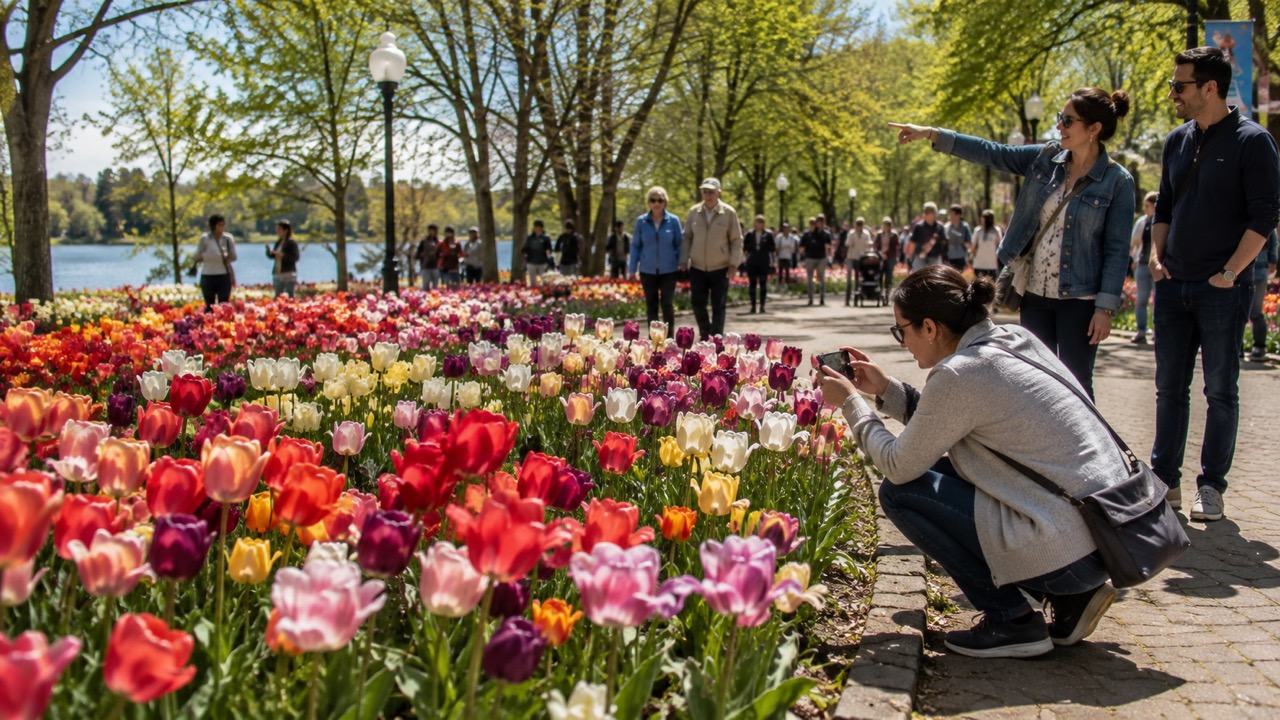
Commissioners Park is the centre of the public celebration. Tulip beds curve beside the lake, flowering trees soften the paths, and visitors move between historical interpretation, photography, family activities and long walks through the gardens. The principal display is free to enter, although selected tours, activities and services may carry separate charges.

At first, the experience appears effortless.

Only gradually does the work beneath the colour become visible.

Why This Festival Is Special

Ottawa is a capital filled with structures intended to endure. Parliament, monuments, government buildings and memorials all use permanence to carry public memory.

The tulips do something different.

Their connection to the Netherlands began with wartime refuge, liberation and gratitude, but the flowers cannot hold that history by themselves. Each generation must decide whether to plant them again, explain them again and make room for the relationship to remain visible.

That decision happens through ordinary work. Bulbs are selected and positioned. Beds are prepared. Soil is monitored. Paths are maintained. Damaged plants are tended. After the crowds leave and the petals fall, another cycle begins beyond public attention.

The festival also changes the scale of remembrance. History is not confined to a ceremony or monument. It appears beside a stroller, behind a family photograph and along a path used by runners and neighborhood residents. Visitors can encounter beauty before learning what it represents.

That sequence matters.

The flowers attract attention without demanding understanding. Ottawa then gives visitors the opportunity to look beneath them.

Festival Experience

What to Expect

Commissioners Park becomes busiest wherever the beds narrow beside the paths. Families stop for portraits, photographers wait for clear sightlines, children compare colours, and volunteers help visitors understand why these particular flowers became part of Ottawa’s identity.

The tulips do not follow the festival calendar precisely. Early varieties may open while later beds remain green. A warm spell can accelerate several gardens at once. Cold weather may preserve the display or delay it. Rain deepens the colours, wind loosens petals, and an unexpectedly hot afternoon can change a bed that looked nearly perfect the previous morning.

A complete visit does not require every tulip to be at peak bloom. Some of the most revealing moments occur at the edges of the display: tightly closed buds beside fully opened flowers, petals collecting beneath a stem, or gardeners tending beds while visitors frame photographs around them.

The park is long enough that a hurried circuit can become tiring, particularly when crowds slow the pathways. Begin with the beds nearest Dow’s Lake, then continue only as far as attention remains genuine. Benches, lawns and views across the water provide natural pauses.

Daylight reveals the individual varieties, planting patterns and condition of the flowers. Evening changes the atmosphere as the paths cool, the crowds begin to thin and any scheduled illumination or programming draws attention toward selected areas. Visitors who care deeply about photography may find that two shorter visits reveal more than one exhausting afternoon.

The festival is public, popular and exposed to Ottawa’s spring weather. Expect wet ground after rain, strong sun on clear days, cool air near the water and temperatures that can change quickly after sunset.

Nothing about the flowers is guaranteed except that they will be changing.

Festival Highlights

  • Commissioners Park holds the festival’s central display beside Dow’s Lake. Follow the beds slowly enough to notice how varieties differ in height, shape and timing. Some stand in disciplined blocks of colour; others create softer transitions along the curves of the park. The design becomes clearer when viewed from several steps back rather than directly above the flowers.
  • Historical interpretation gives the display its foundation. The strongest exhibits and tours connect the Dutch royal family’s years in Ottawa, Princess Margriet’s birth, Canada’s role in liberating the Netherlands and the subsequent gift of bulbs without allowing the flowers to turn war into a sentimental backdrop. Spend time with this material before returning to the beds. The same colour will carry more weight.
  • Dow’s Lake changes the pace of the visit. Water opens the landscape after the visual density of the gardens, and the paths invite visitors to continue toward the Rideau Canal or pause along the shoreline. This is where Ottawa begins to emerge beyond the official display: cyclists pass, residents walk dogs, university students cross the area, and spring resumes its ordinary life around the festival.
  • Photography is part of the public experience, but the most memorable images are not always the widest beds. Look for hands held behind backs to avoid touching a bloom, volunteers answering the same question patiently, or several generations arranging themselves beside flowers connected to events none of them experienced directly.
  • Festival programming may introduce Dutch culture, military history, music, guided interpretation and family activities. Programmes change, so choose events because they deepen the visit rather than because they fill an itinerary. One thoughtful historical walk can alter the entire afternoon.
  • Nearby Little Italy carries the day beyond the gardens. Preston Street provides cafés, restaurants and places to sit after several hours outside. Moving between the flower beds and the neighborhood prevents Commissioners Park from becoming an isolated attraction detached from the city that maintains it.
  • Return to one bed before leaving. Flowers that initially blended into a broad field will have become individual: one still closed, another leaning after rain, several at full colour and one beginning to lose its petals. The garden never occupies a single moment, even when viewed on the same day.

Getting There & Around

Where It Happens

Commissioners Park beside Dow’s Lake is the heart of the Canadian Tulip Festival. Its long beds, waterfront setting and relationship with the Rideau Canal allow visitors to experience the flowers as part of Ottawa’s landscape rather than inside an enclosed botanical garden.

The park’s shape matters. The display extends along pathways instead of concentrating everything around one central square. Visitors who begin without looking at a map may walk farther than expected or spend most of their energy in the first crowded area.

Start near Dow’s Lake and study the overall route before committing to the full length. Visitors with limited mobility, young children or a narrow schedule can choose a smaller group of beds and still experience the festival completely.

The wider capital contains additional tulip plantings, but these should complement rather than fragment the visit. Downtown gardens, public buildings and neighborhood displays show how widely the flower has entered Ottawa’s spring identity. Commissioners Park remains the place where the history, public programming and concentrated display meet most clearly.

The Rideau Canal connects the festival landscape to the rest of the city. Following part of its route reveals why the park feels both ceremonial and ordinary. The same waterway that frames national celebrations also belongs to commuters, skaters, cyclists and residents moving through daily life.

Ottawa stands on the traditional, unceded territory of the Algonquin Anishinaabe people. The tulip story is an important chapter in the capital’s public identity, but it is not the beginning of the land’s history. Holding both truths prevents one powerful international relationship from becoming the city’s entire cultural memory.

Getting Around

Public transit, walking and cycling are generally more dependable than driving directly to Commissioners Park during the festival.

Transit services can bring visitors toward Dow’s Lake without requiring them to search for scarce parking near the gardens. Routes, stops and temporary changes should be checked shortly before departure, particularly on busy weekends.

Walking from central neighborhoods takes longer but allows the canal to introduce the park gradually. The change from government and commercial streets to water, pathways and gardens makes the arrival feel connected to Ottawa rather than compressed into a parking decision.

Cycling works well for confident riders because the canal pathways link several parts of the city. Crowds near the tulip beds require patience, and riders should dismount wherever pedestrian density makes cycling intrusive or unsafe. Bicycle parking should be identified before entering the busiest area.

Visitors who must drive should use official transportation information and select a legitimate parking area before leaving. Circling the neighborhood wastes time, increases congestion and can lead drivers into residential streets poorly suited to festival traffic.

Inside the park, movement slows naturally. Wheelchairs, strollers, photographers, tour groups and families share the same paths. Passing every delay is neither possible nor necessary.

The flowers have taken months to arrive.

The visitor can give them an hour.

Visitor Guide

Festival Food & Drink

Ottawa’s tulips invite a picnic, but the weather decides whether one is possible.

On a warm afternoon, food carried to Dow’s Lake extends the visit without forcing the gardens into a rigid schedule. A sandwich can wait while sunlight reaches a particular bed. Coffee can travel along the path. Lunch becomes part of watching spring rather than an interruption from it.

Cold wind changes the plan. The cafés and restaurants of nearby Little Italy provide shelter, warm plates and enough distance from the crowds to restore attention before an evening return. Preston Street is especially useful because the meal remains connected to the geography of the festival rather than requiring a retreat across the city.

Dutch treats may appear through festival vendors or special programming. When offered, they carry the historical relationship into the present without needing to turn every meal into commemoration. Ask what has been prepared locally and what has been imported; the distinction often begins a better conversation than the purchase itself.

Ottawa contributes its own appetite. The city’s shawarma counters reflect generations of immigration and everyday life, while a warm BeaverTails pastry belongs naturally beside the canal that helped make it famous. Neither needs to be presented as part of the Dutch story. They reveal the capital that received the gift and continued growing around it.

Eat away from the flower beds themselves. Crowded paths, open containers and attempts to balance food above the plants create avoidable damage. A bench, lawn or nearby table allows the garden to remain a garden.

**Must Try**

• **Stroopwafel:** Two thin waffle biscuits joined with caramel syrup, available through Dutch vendors or specialty shops when offered.

• **Poffertjes:** Small Dutch pancakes traditionally served warm with butter and powdered sugar when they appear in festival programming.

• **Ottawa-style shawarma:** Spiced meat or vegetables wrapped with garlic sauce, pickles and other fillings from one of the city’s many Lebanese restaurants.

• **BeaverTails pastry:** Fried dough served warm with sweet toppings, particularly welcome after a cool walk beside the canal.

• **Italian coffee:** An espresso or cappuccino along Preston Street provides a natural pause between the gardens and the rest of the city.

• **Ontario spring produce:** Asparagus, greenhouse vegetables and early seasonal ingredients appearing on local menus as the region leaves winter behind.

• **Picnic lunch:** Bread, cheese, fruit and pastries assembled in the city and eaten beside Dow’s Lake when weather and park rules allow.

The tulips began as a gift.

Ottawa’s tables reveal the many communities that learned how to receive it together.

Budget & Costs

Access to Commissioners Park and the principal public tulip display is free. This makes the festival unusually approachable, but it does not make the entire visit costless.

Guided experiences, selected activities, transportation services, food, merchandise and special programming may require payment. Confirm individual charges rather than assuming that every event within the festival period is included.

Accommodation is likely to be the largest expense. Spring weekends can increase demand across Ottawa, particularly when government, sports, conference and festival calendars overlap. Booking a refundable room early provides flexibility while bloom conditions remain uncertain.

Travelers using public transit can avoid parking costs and the frustration of searching around Dow’s Lake. Those driving should include legitimate parking in the day’s budget rather than treating nearby residential streets as an informal alternative.

Food can range from an inexpensive picnic to a full meal in Little Italy or downtown. Because admission to the gardens is free, spending on a warm lunch, historical tour or donation can deepen the visit without making it extravagant.

A meaningful festival day requires little more than transportation, suitable clothing and enough time to walk.

The most expensive mistake is paying for proximity and still arriving too rushed to notice the flowers.

Tips for First-Time Visitors

Check both the festival programme and the bloom conditions. They answer different questions. The programme explains what people have organized; the bloom report describes what the weather has allowed.

Arrive early if photography matters. Later in the day, the park belongs increasingly to the full public celebration, and expecting empty paths becomes unreasonable.

Choose two priorities before entering: perhaps the principal beds and a historical tour, or a slow garden walk followed by lunch in Little Italy. The festival becomes less rewarding when every activity must be completed.

Photograph from established paths. Do not step into soil, cross barriers, sit among the flowers or place children inside a bed. A single portrait lasts longer than the damage it conceals.

Bring layers, water and protection from both rain and sun. Ottawa in May can move through several seasons during one visit, especially beside the lake.

Look at the flowers before reading every sign. Then read the history and return to the same beds. The second encounter is where the festival begins to separate itself from an ordinary spring garden.

Allow other visitors their photographs. A brief pause outside someone’s frame costs little, and no person can hold a clear view indefinitely in a public park.

Do not chase a promised peak so aggressively that every imperfect flower becomes a disappointment. Buds, full blooms and fallen petals all belong to the same event.

Safety

Commissioners Park is a public outdoor landscape beside water, roads and busy multi-use pathways. Most risks come from congestion, changing weather and attempts to reach places not intended for visitors.

Remain on established paths and obey barriers around the beds. Entering planted areas can damage bulbs, create uneven ground and place other visitors under pressure to repeat the same behavior for photographs.

Watch for bicycles and other wheeled traffic along shared routes. Photographers stepping backward while looking through a viewfinder are particularly vulnerable near path edges and crossings.

Children should be supervised around Dow’s Lake, roads and crowded display areas. The bright beds can draw attention away from water boundaries and moving traffic.

Prepare for rapid weather changes. Cool wind near the lake can follow a warm afternoon, while clear spring sun can cause dehydration or sunburn during a longer walk. Rain may leave grass, soil and paved surfaces slippery.

Visitors with limited mobility should study the park layout, accessible facilities and transportation options before arrival. Distances can feel longer when crowds reduce walking speed, and benches may be occupied during peak periods.

Do not pick flowers or handle the plants. Preservation here is not abstract.

It begins with leaving the next visitor’s view intact.

Cultural Significance

During the Second World War, members of the Dutch royal family lived in Ottawa while the Netherlands was occupied. Princess Margriet was born in the city under special legal arrangements intended to protect her place in the Dutch line of succession.

Canadian forces later played a major role in the liberation of the Netherlands. Thousands of Canadian service members died during the campaign, and Dutch memories of occupation, hunger, resistance and liberation remain connected to Canada through family histories as well as national commemoration.

After the war, the Dutch royal family sent tulip bulbs to Canada in gratitude for the refuge provided in Ottawa and to honor Canada’s role in liberation. Continued gifts helped establish the flower as a lasting symbol of friendship between the two countries.

The Canadian Tulip Festival grew from that relationship and began presenting Ottawa’s spring display as a public celebration. Its longevity does not make the history static. Veterans disappear, firsthand memories become rarer, and new visitors arrive knowing the tulips primarily through photographs.

The gardens therefore carry two responsibilities. They must remain beautiful enough to invite attention and honest enough to lead beyond beauty.

That honesty includes recognizing the difference between commemoration and simplification. Flowers cannot contain every experience of war, occupation or liberation. They can create a place where those histories are approached with gratitude and care.

Each bulb enters the ground without any guarantee that a particular visitor will see it bloom.

The planting continues anyway.

Plan Your Journey

When to Go

The Canadian Tulip Festival takes place during Ottawa’s spring tulip season, traditionally in May. Festival dates provide the period of organized programming; they cannot promise the precise condition of every garden.

Visitors with flexible travel plans should follow official bloom reports and local weather patterns shortly before arrival. Even then, conditions can change. Different varieties open at different times, allowing the display to unfold across several stages rather than reaching one universal moment of perfection.

Weekday mornings usually provide the calmest experience. The light is softer, pathways are easier to navigate, and individual beds can be observed without a continuous line of people waiting behind the camera.

Weekend afternoons bring the fullest public atmosphere. Families, tour groups, performers and special activities make the festival feel like a civic celebration rather than a garden visit. They also bring the largest crowds.

After rain, the tulips may appear intensely coloured, but paths and lawns can be wet. Warm, bright days are comfortable for walking but can shorten the life of flowers already fully open. Cooler conditions often preserve the beds while requiring another layer of clothing.

Choose the stage of spring Ottawa is willing to offer.

The festival was created to renew a relationship, not to guarantee a flawless photograph.

Where to Stay

Downtown Ottawa is the most practical base for visitors who want the tulips to form part of a wider exploration of the capital. Parliament Hill, the National War Memorial, national museums and the Rideau Canal can then deepen the historical and civic context surrounding the festival.

Staying near the southern edge of downtown or around Centretown shortens the journey toward Commissioners Park while preserving easy access to the city centre. These areas work particularly well for travelers who prefer to reach the festival by transit, bicycle or a long walk beside the canal.

Little Italy places visitors closest to the main gardens. The neighborhood suits those who want to arrive early, return in the evening or leave the park easily for a meal. Accommodation choices may be more limited than downtown, so proximity should be weighed against availability.

The Glebe offers a residential atmosphere with shops and restaurants along Bank Street. It is a useful base for travelers who want spring in Ottawa to feel like part of neighborhood life rather than a sequence of major attractions.

Visitors arriving by car should not choose accommodation solely by its advertised distance from Commissioners Park. Festival traffic, limited parking and road controls can make a nearby hotel less convenient than one with a direct transit connection.

The strongest location is the one that allows the car to remain still.

Bottom Line & Key Days

Bottom Line

By late spring, Ottawa appears to have produced the tulips effortlessly.

The beds curve beside Dow’s Lake in broad ribbons of colour. Families lean together for photographs. Children choose favorites. Visitors who arrived knowing only that the flowers were beautiful begin reading about refuge, liberation and a gift carried across the Atlantic in the form of bulbs.

Then the display changes.

A warm afternoon opens flowers that were closed that morning. Wind releases the first petals. Gardeners continue moving through the beds, caring for something they know cannot be held in its perfect moment.

That impermanence does not weaken the tribute.

It explains why the tribute has endured.

Gratitude expressed through flowers must be renewed before anyone can admire it. Someone must remember what to plant, where to place it and why the work still matters. Someone must enter the cold soil months before spring and trust that another generation will eventually walk beside the colour.

The photographs will preserve the tulips as they appeared for a fraction of the season.

Ottawa preserves their meaning by planting them again.

Key Days

The opening days often reveal the greatest contrast between preparation and completion. Some beds may already be full while others still hold tight buds, making the park’s dependence on temperature especially visible.

Weekday mornings offer the most contemplative encounter. Gardeners, early walkers and photographers share the paths before the larger public rhythm takes over.

The principal weekend programmes generally bring the strongest festival atmosphere. Historical activities, cultural presentations and family programming can make the Dutch-Canadian relationship more visible, although crowds require a slower route and fewer expectations.

The peak bloom period cannot be fixed permanently to one day. Weather, variety and location determine which beds reach their strongest display first. Official bloom information is more valuable than an old photograph or a prediction made months before travel.

The final days can be deeply rewarding. Some petals may have fallen and certain beds may be past their photographic peak, but the changing flowers expose the truth that gives the festival its meaning.

A living gift cannot remain unchanged.

It can only be cared for and returned.

Ready to Experience Canadian Tulip Festival?

You've explored what makes this festival special. Now it's time to plan your trip. Compare flights, book your hotel, arrange transportation, and take care of your travel essentials—all in one place.

✈ Find Flights

Loading booking widget...

Booking is completed on Expedia in a new tab.

🏨 Find Hotels

Search places to stay

Powered by Booking.com

Booking is completed on Booking.com in a new tab.

Rail & Bus Travel

Compare train and coach routes for the journey.

Compare Routes

Things to Do

Discover tours and attractions before or after the festival.

Explore Experiences

eSIM Mobile Data

Stay connected abroad without traditional roaming charges.

Get an Airalo eSIM

Travel bookings are provided by our trusted partners. We may earn a commission when you book through these links, at no additional cost to you.

Independent Editorial Standards

Every Follow the Festivals guide is independently researched and regularly reviewed using official festival information, destination resources, and trusted travel references. We also welcome verified updates from festival organizers, destination marketing organizations, tourism partners, and local experts to help keep our guides accurate, current, and useful for travelers.

Represent this festival or have a verified update to share? We'd love to hear from you through our contact page.

Photo Credits