
Follow the Festivals

Goodwood Revival

Goodwood Revival

Chichester, United Kingdom

2027-09-17 - 2027-09-19

The Story

Festival Overview

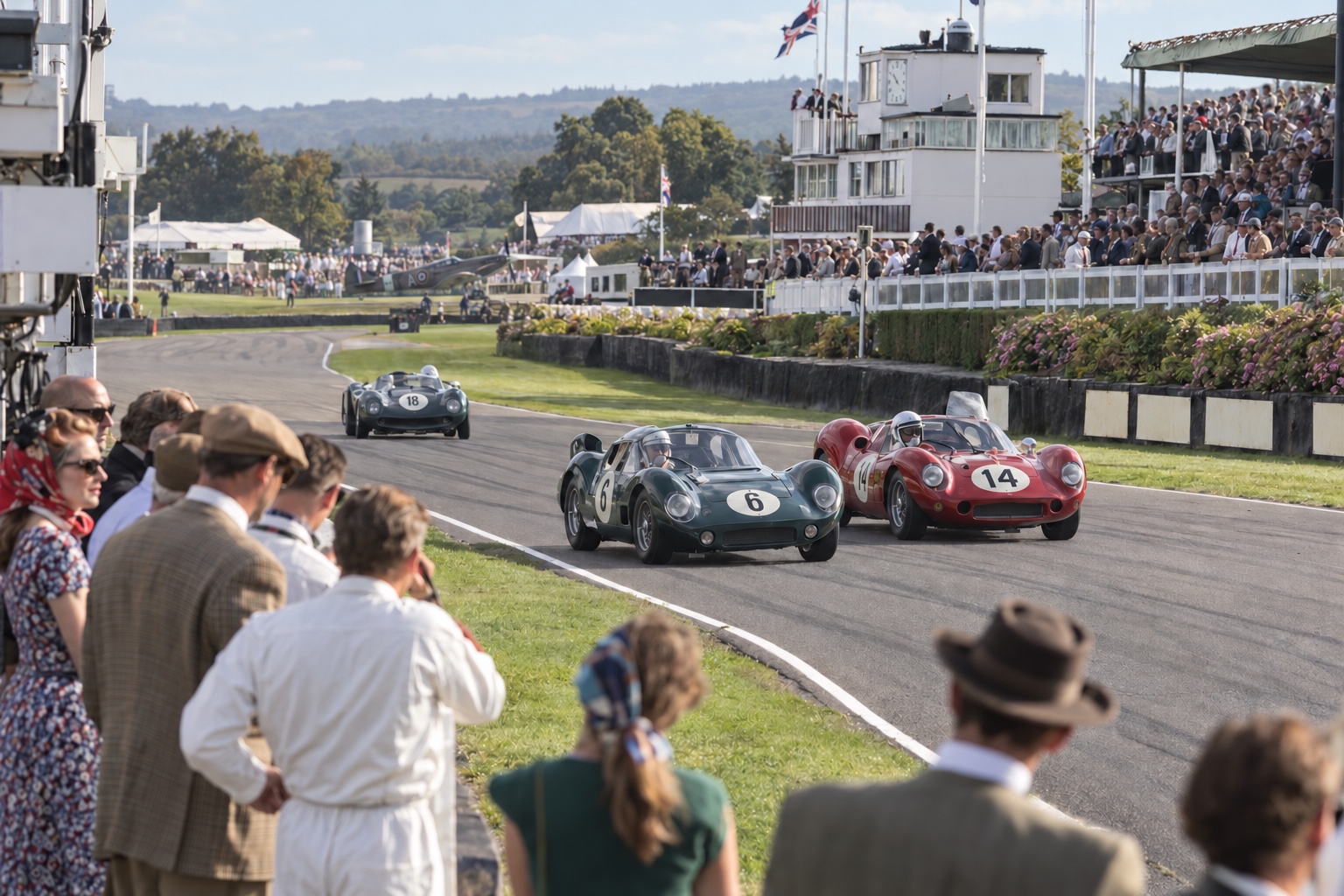
Goodwood Revival does not place historic racing behind museum glass. Cars from the motor circuit’s original era compete at speed, mechanics work in period-style paddocks and spectators arrive dressed as if the decades after the Second World War have temporarily reclaimed West Sussex. Aircraft above the former wartime airfield add another layer of living machinery.

The period theme extends through shops, music, advertising, food spaces and fashion, yet racing provides the essential credibility. These cars carry value and history, but they are being braked, overtaken and pushed through corners. The danger and skill remain visible.

Travelers must decide how deeply to participate. Period dress can transform social access to the event, while grandstand choices and paddock privileges determine the sporting view. A successful visit balances track action, aviation, fashion and craftsmanship without reducing Revival to costume theater. Goodwood becomes special when the past feels useful: machines run, clothes circulate again and inherited skills prove they can still command a modern crowd.

Why This Festival Is Special

Goodwood Revival is special because preservation is tested through use. A restored racing car is not celebrated only for surviving; it must start, brake, corner and endure competition. Mechanics and drivers reveal the knowledge contained inside the object, giving history sound, heat and consequence.

The circuit’s period environment changes how spectators participate. Clothing, signage, music and transport encourage people to notice materials and manners usually hidden by modern convenience. A well-worn jacket or repaired machine can command more respect than something new.

Aviation deepens the setting because the track grew from an airfield. The sky and asphalt carry connected histories, and the event can move from intimate paddock work to enormous airborne motion within minutes.

The achievement is not perfect illusion. Modern spectators know they are visiting a constructed weekend. What matters is the seriousness of the craft inside it. When a priceless car is fought through a corner and a crowd dressed for another era reacts without irony, past and present meet through genuine risk, expertise and delight.

Festival Experience

What to Expect

Expect historic vehicles to race with genuine commitment. Mechanical fragility, close competition and limited modern safety systems create a different tension from contemporary motorsport. Engines are loud, fuel and oil scents are present, and incidents can alter the timetable. Ear protection remains sensible, especially for children.

Period dress is strongly embraced and contributes to the social experience, though authenticity is not a license for caricature. Visitors draw from several postwar decades, military history, workwear and formal race-day style. Comfort, weather and cultural sensitivity should guide the choice.

The event day is long. Racing, demonstrations, aircraft, parades, shopping and music overlap. A program and commentary are necessary to understand what is on track. Mobile service may be strained, so save schedules offline.

Food and toilet queues grow at peak times, and grass surfaces can become muddy. Crowds move slowly around famous cars or personalities. The event rewards early arrival and deliberate pauses. Trying to consume every recreated detail can make the day feel artificial; following one race story and one craft story gives the spectacle human depth.

Festival Highlights

  • Early Paddock Walk – Mechanics prepare valuable cars before crowds thicken. Use any permitted access quietly, keep working routes clear and notice the practical labor beneath the glamour.
  • Historic Practice – Drivers learn conditions and machines reveal their sound before major races. Attend on the opening day to connect later competition with visible preparation.
  • Sports Car Race – Powerful machines and close multi-class traffic deliver the weekend’s central sporting drama. Choose a braking zone and follow the full race through commentary.
  • Motorcycle Competition – Period bikes expose riders and mechanical movement with unusual clarity. Wear hearing protection and watch how lines differ from the cars.
  • Air Display – Goodwood’s aerodrome history comes alive above the circuit. Listen for official announcements, remain within viewing zones and accept weather-related changes.
  • Revival High Street – Period shops, signs and performances create social texture beyond the track. Visit during a planned racing gap and seek makers whose work reflects durable craft.
  • Style Gathering – Spectators turn clothing into a participatory archive. Observe construction, reuse and personal interpretation without treating strangers as unconsenting props.
  • Final Race and Parade – Closing track action gathers the weekend’s sporting memory. Stay through the final ceremony, then allow rural transport queues to release gradually.

Getting There & Around

Where It Happens

Goodwood Motor Circuit and the adjoining aerodrome form the event’s physical and historical core. The track was created around the perimeter of a wartime airfield, so motor racing and aviation share one landscape. Grandstands, banks and enclosures provide different views of starts, braking zones and flowing corners.

The paddock reveals preparation, drivers and machinery at close range, subject to ticket access. Lifestyle areas recreate period high streets, workshops, dance spaces and displays. The airfield supports aircraft activity and military history. Each zone deserves time, but they are spread across a large site.

Study the map before arrival and decide which gates serve the first priority. Crossing the circuit or moving between distant areas can take far longer during races. Use tunnels and controlled crossings exactly as directed.

The site’s immersion depends on visual discipline, including restrictions on modern vehicles within the central period environment. Respect barriers around cars and aircraft. Goodwood is not a static film set; engines run, aircraft move and service routes remain operational. The safest, richest experience recognizes working heritage everywhere.

Getting Around

Goodwood is a rural event with concentrated arrival pressure. Driving works when parking instructions and the correct gate are understood, but local roads become slow. Leave early, follow event signs over navigation shortcuts and never stop in villages or verges outside authorized areas. Free general parking may still involve a long grass walk.

Train travel to Chichester combined with an official shuttle is often the clearest alternative. Check rail engineering and the final return before travel. Queues form after closing races, so a flexible evening helps.

Classic-car display parking can become part of the experience but requires advance reservation and compliance. Owners should carry recovery contacts and weather protection. Chauffeur, taxi or private transfer arrangements need a legal, specific pickup point.

Inside the event, walking is extensive. Grandstands, paddock, airfield and lifestyle areas are not one compact cluster. Wear supportive period-appropriate shoes or carry a practical alternative. Group nearby activities and avoid crossing the site between consecutive races. Mobility support should be booked in advance. The best route begins with one morning priority and gradually returns toward the departure gate.

Visitor Guide

Festival Food & Drink

Revival dining ranges from quick trackside food to hospitality and period-themed spaces. The practical strategy is to eat an early breakfast, take one meal before peak race periods and carry only permitted snacks. Formal dining can add atmosphere, but no reservation should pull the traveler away from a priority race.

**Must Try**
• Sussex cheese – Regional varieties connect the event to surrounding farms and dairies.
• Pork pie – A sturdy British picnic food suited to a long outdoor day.
• Fish and chips – Familiar race-day comfort best eaten before queues reach their peak.
• Afternoon tea – Sandwiches, scones and cake match the event’s social period styling.
• Local ale – A Sussex-brewed pint for a spectator whose transport is already settled.
• English sparkling wine – A regional celebratory drink suited to hospitality or a measured evening meal.

Alcohol and historic motorsport require restraint. Designate the driver before arrival and use water throughout the day. September weather can hide dehydration under cool wind. Visitors in elaborate clothing should plan meals that are easy to manage without damaging garments or losing trackside attention.

Budget & Costs

Admission is only the first cost. Grandstands, paddock privileges, hospitality and premium enclosures can change both comfort and access. Compare products by the specific view or experience they deliver. A basic ticket with careful planning can still provide a rich day, while a poorly chosen upgrade may add status without serving the traveler’s priorities.

Regional lodging rises sharply and often requires early commitment. Train and shuttle travel may reduce parking stress; driving adds fuel and the risk of slow rural routes. Period clothing can be inexpensive when built from existing or second-hand pieces.

Set allowances for the program, food, weather supplies and one meaningful vintage or craft purchase. Impulse shopping is easy inside an immersive retail environment. Favor objects with clear provenance and future use.

Hospitality can justify its price through seating, shelter and food, especially for mobility or weather concerns. The best value remains attention: arrive early, use all ticket access and stay for complete races. Do not cut costs by ignoring hearing protection, legal transport or suitable footwear. Those items preserve the weekend itself.

Tips for First-Time Visitors

Start with the race timetable. Select several contests or demonstrations that matter and build lifestyle exploration around them. Without priorities, the recreated world can absorb hours while the best machinery races unseen. Learn a few car classes and drivers so commentary becomes meaningful.

Period dress improves immersion but does not require an expensive costume. Second-hand tailoring, dresses, knitwear, workwear and accessories can create a credible silhouette. Avoid medals, uniforms or cultural markers you do not understand. Comfort and weather protection belong inside the design.

Arrive at opening, collect or download the program and walk the paddock early if access allows. Crowds and working teams make later visits slower. Ask before photographing people closely and never touch a car, motorcycle or aircraft.

Bring hearing protection, portable power, sunscreen and discreet waterproof layers. Check bag and chair rules. Grass can become deep mud after rain.

Stay through at least one complete race from formation to result. Revival becomes more than visual nostalgia when the traveler understands what the machines and drivers have actually achieved.

Safety

Historic racing is loud, fast and mechanically unpredictable. Remain behind barriers, obey marshals and never enter a track, paddock lane or aircraft area without authorization. Ear protection is strongly recommended for children and useful for adults near the circuit. If an incident occurs, follow announcements and keep emergency routes open.

Weather creates additional risk. Grass and temporary surfaces become slippery in rain, while sun exposure remains possible. Wear stable shoes, carry water and use layers. Elaborate garments must not obstruct vision, movement or safe boarding of transport.

Keep children close around vehicles and dense crowds. Agree on a reunion point and secure valuables in busy enclosures. Ask consent before photographing identifiable spectators. Report harassment or unsafe conduct to staff.

Drivers should remain completely sober and patient in rural queues. Never use an unofficial verge or blocked village road. Train travelers must verify the final service.

Aircraft displays depend on conditions and can change without notice. Accept official cancellations. Goodwood’s immersion is convincing, but modern safety instructions always take priority over maintaining a period appearance or capturing a photograph.

Cultural Significance

Goodwood Revival returns motor racing to the circuit’s original era and asks historic machines to perform the work for which they were built. This distinguishes living heritage from display. Mechanical knowledge, driving technique and restoration standards remain visible because the cars must function under pressure.

The aerodrome adds wartime and aviation history, requiring careful interpretation. Period atmosphere can invite nostalgia, but the past contained conflict, hierarchy and exclusion as well as design achievement. Mature engagement appreciates craftsmanship without simplifying history.

Revival style also supports reuse. Second-hand clothing, repair, tailoring and durable objects fit the event’s period logic while offering a contemporary alternative to disposable fashion. The strongest outfits often come from personal adaptation, not newly purchased costume sets.

The gathering has cultural force because thousands of spectators participate in maintaining a visual world. Their effort changes how cars, buildings and social spaces are perceived. Goodwood’s challenge is to use immersion as an entry into history, not an escape from complexity. At its best, the event shows that preservation becomes meaningful when skills, stories and objects continue to circulate.

Plan Your Journey

When to Go

Revival occupies a three-day weekend in early autumn. Friday offers the easiest orientation, practice and qualifying atmosphere, and comparatively more room to understand the circuit. Saturday brings full racing, dense crowds and the most expansive social energy. Sunday carries major races, finals and the emotional weight of a closing day.

Attend at least two days if motorsport matters. A single day can deliver spectacle but forces difficult choices between paddock, track and lifestyle areas. Friday plus Saturday supports discovery and peak action; Saturday plus Sunday captures competition and conclusion.

Sussex weather can move from warm sun to cold rain and wind. Period clothing needs a practical hidden or integrated layer, waterproof footwear and protection for hats or delicate fabrics. Confirm gates, parking, rail conditions and daily timetables close to travel. Arrive in the region before the first chosen day because rural traffic punishes tight plans. The gates open early, and the quiet first hour often reveals more craft and atmosphere than a rushed midday entrance.

Where to Stay

Chichester is the most practical base, with rail connections, restaurants and event transport toward Goodwood. Rooms sell quickly and command a premium, but the ability to leave the car behind can justify the cost. Confirm the exact shuttle arrangement and late return before booking.

Country inns and guesthouses across West Sussex create a fitting setting, especially for travelers driving a classic car. Their charm comes with narrow roads, limited taxis and early breakfast schedules. Secure parking, weather protection and a sober driver matter more than picturesque distance.

Portsmouth, Arundel and other regional towns expand hotel inventory. London is possible for a day trip by rail, yet the early start, transfers and potential engineering works can drain the event’s pleasure. A weekend stay deserves a regional base.

Choose lodging around the hardest departure morning. Revival clothing, shoes and weather layers need space, so a room that supports preparation adds genuine value. If bringing a historic vehicle, verify secure parking and event display credentials. One dependable base across the weekend is better than changing rooms while traffic and clothing already demand attention.

Bottom Line & Key Days

Bottom Line

At the end of Revival, spectators in period coats walk toward modern shuttles and car parks while mechanics begin caring for machines that have just raced hard. The illusion dissolves unevenly. What remains is not a fantasy decade but evidence that old skills, objects and styles can still perform meaningful work.

Build the visit around that evidence. Choose important races, arrive early for the paddock, dress with care and carry practical weather protection. Use the train and shuttle or follow rural parking guidance without improvisation. Give complete attention to at least one contest.

Goodwood’s glamour is real, but it is earned by labor: restoration, tailoring, driving, marshalling and the collective discipline of spectators. Fashion and entertainment become richer when that work stays visible.

The festival should leave the traveler looking differently at age and value. A machine marked by use can be more alive than a perfect static object; a second-hand garment can hold greater personality than novelty costume. Revival succeeds when the past does not merely appear beautiful. It demonstrates why preservation, repair and continued use still matter.

Key Days

• Ticket Selection – Choose admission, grandstand and paddock access according to racing priorities. Secure accommodation and transport before regional inventory tightens.

• Clothing Preparation – Build a comfortable period look from reusable garments and test it with walking shoes, weather layers and any required bag.

• Friday Orientation – Enter early, study the circuit and visit the paddock while crowds are lighter. Use practice to identify cars and viewing positions for later races.

• Saturday Racing – Major competition and peak social energy fill the site. Protect selected race times, eat before queues rise and avoid repeated cross-site movement.

• Saturday Evening Reset – Dry clothing, charge devices and review the next timetable. A measured night preserves attention for the closing program.

• Sunday Finals – Follow complete races and any major demonstrations through their conclusion. Stay for presentations and let the weekend’s sporting stories resolve.

• Departure – Allow rural traffic or shuttle queues to ease, keep the driver sober and pack wet or delicate clothing carefully. Leave without rushing through active event routes.

Ready to Experience Goodwood Revival?

You've explored what makes this festival special. Now it's time to plan your trip. Compare flights, book your hotel, arrange transportation, and take care of your travel essentials—all in one place.

✈ Find Flights

Loading booking widget...

Booking is completed on Expedia in a new tab.

🏨 Find Hotels

Search places to stay

Powered by Booking.com

Booking is completed on Booking.com in a new tab.

Rail & Bus Travel

Compare train and coach routes for the journey.

Compare Routes

Things to Do

Discover tours and attractions before or after the festival.

Explore Experiences

eSIM Mobile Data

Stay connected abroad without traditional roaming charges.

Get an Airalo eSIM

Travel bookings are provided by our trusted partners. We may earn a commission when you book through these links, at no additional cost to you.

Independent Editorial Standards

Every Follow the Festivals guide is independently researched and regularly reviewed using official festival information, destination resources, and trusted travel references. We also welcome verified updates from festival organizers, destination marketing organizations, tourism partners, and local experts to help keep our guides accurate, current, and useful for travelers.

Represent this festival or have a verified update to share? We'd love to hear from you through our contact page.