
Follow the Festivals

Gothenburg Film Festival

Gothenburg Film Festival

Gothenburg, Sweden

2027-01-23 - 2027-02-02

The Story

Festival Overview

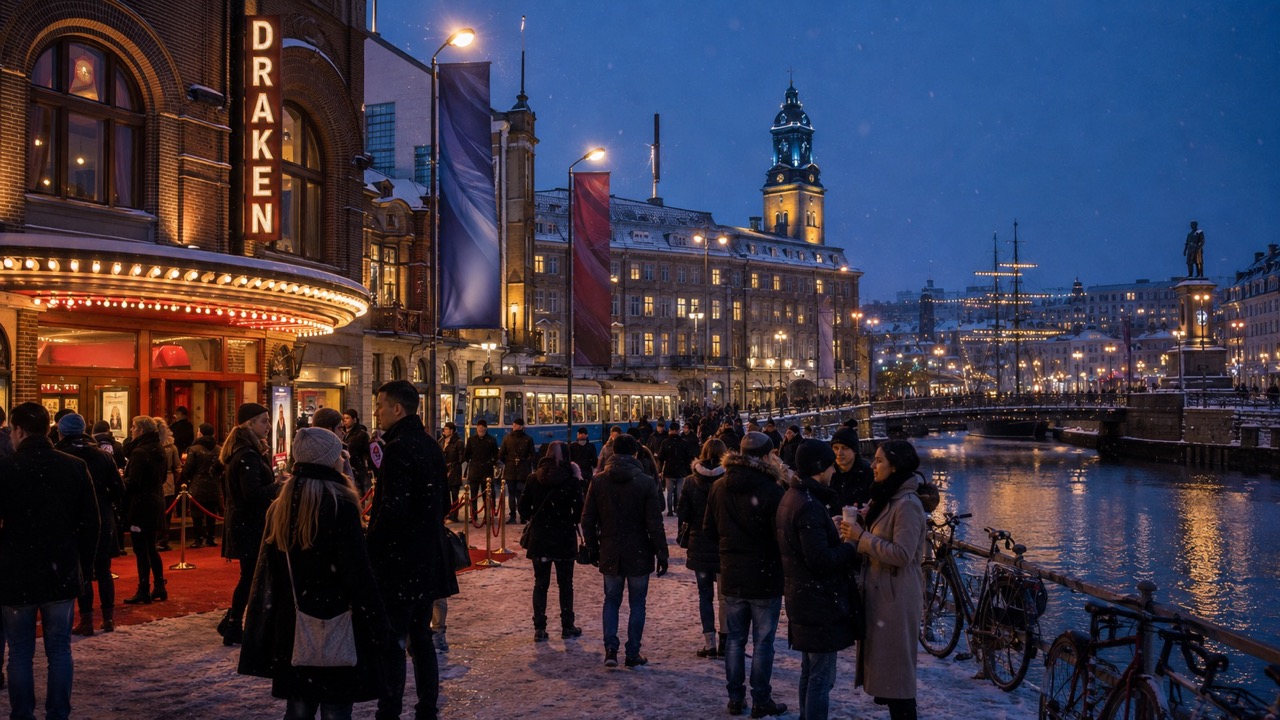
Gothenburg in winter settles into a rhythm that suits cinema unusually well. Trams glide between neighborhoods in the early darkness, cafés glow against harbor winds, and conversations begun inside theaters continue over coffee before the next screening. During the Gothenburg Film Festival, that rhythm becomes the city’s daily pulse. As the Nordic region’s largest public film festival and one of its most important industry gathering places, it fills cinemas across Gothenburg with premieres, emerging directors, established auteurs, filmmaker discussions, and the prestigious Dragon Awards.

What distinguishes the experience is how naturally professional cinema and public audiences share the same spaces. Filmmakers stand in the same ticket queues as local film lovers, recommendations spread from one screening to the next, and an unexpected conversation can reshape the rest of the day’s schedule. Nordic cinema remains at the heart of the program, offering one of the year’s richest opportunities to discover new work from Sweden, Norway, Denmark, Finland, and Iceland alongside carefully selected international films.

The city’s compact center encourages visitors to settle into a comfortable festival cadence rather than constantly racing between venues. A morning screening gives way to fika, an afternoon discovery leads to a lively discussion on the tram, and the final film often ends with streets reflecting winter rain beneath cinema marquees. By the second day, Gothenburg no longer feels like a collection of venues—it feels like one connected cinematic neighborhood.

Why This Festival Is Special

Travelers come to Gothenburg not simply to watch films but to experience one of the few festivals where discovery remains central from opening day through the closing awards. The Dragon Awards, major premieres, and industry presence give the festival international significance, yet the atmosphere never feels reserved for professionals alone. Audiences arrive prepared to engage with challenging work, filmmakers remain approachable, and conversations about the day’s screenings become an expected part of the experience rather than an occasional bonus.

Unlike glamour-driven festivals where attention often shifts away from the screen, Gothenburg allows the films themselves to shape the city. Experienced attendees quickly learn that the most memorable discoveries are not always the highest-profile premieres. A recommendation overheard after one screening may lead to the defining film of the trip only a few hours later. Combined with Gothenburg’s walkable center, dependable tram network, and unmistakable Scandinavian winter atmosphere, the festival creates a viewing experience that feels immersive from morning until well after the final credits.

Festival Experience

What to Expect

Expect your days to settle into a rhythm that becomes surprisingly natural after the first few screenings. Mornings often begin quietly before audiences spread across cinemas throughout the city, while afternoons gradually build toward the busiest period as premieres, filmmaker discussions, and evening screenings draw larger crowds. Between films, cafés fill with conversations that continue long after the credits, and recommendations passed between attendees frequently influence what people choose to watch next.

Nordic cinema forms the backbone of the program, balanced by international premieres, industry presentations, director conversations, and special events that keep the schedule varied without feeling overwhelming. Rather than trying to see everything, experienced festivalgoers tend to leave space for unexpected discoveries, allowing conversations, reviews, and festival buzz to shape the day as it unfolds.

The atmosphere remains focused but welcoming. Queues move efficiently, trams connect venues with little difficulty, and the city’s compact layout encourages visitors to alternate naturally between cinemas, cafés, and short walks through Gothenburg’s winter streets. By evening, the pace becomes more energetic as audiences gather for headline screenings before drifting back into cafés, restaurants, and hotel lounges where discussions often continue well into the night.

Festival Highlights

  • Nordic premieres that frequently become the festival’s most rewarding discoveries through audience recommendations and post-screening conversation.
  • The Dragon Award competition, placing exceptional new Nordic cinema before one of Europe’s most engaged public audiences.
  • Filmmaker discussions and audience Q&A sessions that extend the experience beyond the screening room and often reshape the rest of the day’s viewing plans.
  • Gothenburg’s interconnected tram network, allowing visitors to move easily between cinema districts while experiencing the city as part of the festival itself.
  • Industry activity that shares the same venues as public audiences, creating an atmosphere where emerging filmmakers, critics, professionals, and film enthusiasts naturally cross paths.

Getting There & Around

Where It Happens

The Gothenburg Film Festival unfolds across a network of cinemas woven naturally into the city rather than inside a single festival complex. Venues are spread through central Gothenburg, with trams linking neighborhoods where independent theaters, larger cinemas, cafés, and public spaces create a festival footprint that feels both expansive and surprisingly manageable. Depending on the edition, filmmaker conversations, industry events, exhibitions, and community gatherings extend into nearby cultural venues, encouraging visitors to experience the city between screenings rather than simply moving through it.

One of the pleasures of Gothenburg is that the journey between cinemas becomes part of the festival itself. A short tram ride offers time to process the previous film before arriving at the next venue, while cafés and public squares naturally become places where audiences compare notes, exchange recommendations, and debate endings. After the first day, many visitors begin thinking less about individual theaters and more about neighborhoods, allowing each part of the city to develop its own cinematic character.

Getting Around

Gothenburg’s tram network is one of the festival’s greatest advantages. Most central venues are connected by short rides or comfortable walks, making it realistic to attend multiple screenings in different parts of the city without spending the day in transit. Purchasing a transit pass early removes the hesitation that comes with deciding whether another screening across town is worth the journey—often, it is.

Experienced festival attendees quickly discover that building a schedule around neighborhoods rather than individual films creates a more enjoyable pace. Two screenings within the same district leave time for coffee, conversation, and an unplanned recommendation instead of turning every connection into a race. Even venues that appear close together on a map deserve a little extra time during winter, when icy sidewalks, harbor winds, and slush can slow the final walk more than expected.

Comfort matters more than appearance. Waterproof footwear, warm layers, and a reliable outer shell make moving between venues effortless, allowing attention to remain on the films rather than the weather. Gothenburg’s winter is rarely an obstacle—it simply becomes another part of the festival rhythm.

Visitor Guide

Festival Food & Drink

A day at Gothenburg rarely revolves around long restaurant meals. Instead, it settles into a pattern that many returning attendees come to appreciate: coffee after the morning screening, a light lunch before the afternoon program, another fika between films, and an unhurried dinner once the final credits have rolled. The pauses become as important as the screenings themselves, providing space to reflect, compare opinions, or decide what to watch next.

Gothenburg’s west-coast identity naturally shapes the menu. Fresh seafood appears throughout the city, from elegant fish soup to open-faced shrimp sandwiches, while neighborhood cafés provide the cinnamon buns and strong coffee that make Sweden’s fika tradition feel perfectly suited to a film festival. Rather than interrupting the day, these breaks help maintain the concentration that a demanding program deserves.

Choosing cafés close to cinema clusters allows the schedule to breathe without sacrificing valuable screening opportunities. Some of the festival’s most memorable conversations begin over coffee between strangers who happened to leave the same theater only minutes earlier.

Must Try

• Räkmacka — A classic Swedish open-faced sandwich generously topped with shrimp, egg, mayonnaise, and fresh dill. Light enough between screenings while still distinctly Gothenburg.
• Fish Soup — Rich, creamy, or saffron-infused seafood soup that reflects the city’s long connection to Sweden’s west coast and offers welcome comfort on cold winter days.
• Kanelbulle — Sweden’s beloved cinnamon bun, best enjoyed during fika with strong coffee before heading to the next screening.
• Toast Skagen — Crisp toast topped with a creamy mixture of shrimp, dill, lemon, and roe, combining simple ingredients with refined Scandinavian flavors.
• Semla — A seasonal cardamom bun filled with almond paste and whipped cream that appears during the festival period and provides a distinctly Swedish winter indulgence.

Budget & Costs

Gothenburg is often more approachable than many visitors expect for a major Nordic film festival, particularly with some planning. Accommodation booked well before opening weekend generally offers the best value, while festival passes or multi-film ticket packages can significantly reduce costs for travelers intending to see several screenings each day.

Public transportation remains one of the city’s most economical advantages. With an inexpensive tram pass, nearly every central venue becomes easy to reach without relying on taxis or long winter walks. Food costs are easiest to manage by embracing the local rhythm: a relaxed fika between screenings, one substantial meal during the day, and perhaps a lighter dinner after the evening program.

Experienced attendees often budget for flexibility as much as certainty. Leaving room for one unexpected screening, an additional coffee while discussing a remarkable film, or a spontaneous recommendation frequently proves more rewarding than planning every hour in advance.

Tips for First-Time Visitors

Resist the temptation to fill every available time slot. Two or three carefully chosen screenings often create a richer day than chasing five films across the city. Leave enough time to enjoy Gothenburg itself, because conversations between screenings regularly become part of the festival experience.

Group films by neighborhood whenever possible. The schedule will feel less rushed, and you’ll naturally discover cafés, bookstores, and gathering places that experienced attendees return to year after year. Double-check subtitle information when selecting Nordic films, particularly if you’re exploring lesser-known directors or special presentations.

Most importantly, allow room for discovery. The film everyone is talking about when the program is released may not be the one people are discussing three days later. Some of the festival’s strongest recommendations spread audience to audience rather than headline to headline, and leaving one evening unscheduled gives you the freedom to follow them.

Safety

The Gothenburg Film Festival is well organized, but popular premieres and evening screenings naturally attract larger crowds around major venues and tram stops. Allow extra time before high-profile screenings, particularly during opening weekend and the closing days, when demand is at its highest.

Keep personal belongings secure while moving through busy cinemas, cafés, and public transport, and follow guidance provided by festival staff at individual venues. Winter conditions deserve equal attention. Harbor winds, wet streets, patches of ice, and early darkness can make short walks feel longer than expected, so sturdy waterproof footwear and warm layers contribute as much to a successful festival day as careful scheduling.

By planning for the weather instead of fighting it, visitors quickly discover that Gothenburg’s winter becomes one of the festival’s defining strengths, encouraging the satisfying rhythm of warm cinema, crisp streets, welcoming cafés, and another memorable screening just a tram ride away.

Cultural Significance

The Gothenburg Film Festival occupies a unique place in European cinema because it brings together two communities that do not always share the same space: the film industry and the public. As the Nordic region’s largest public film festival, it serves as a launch platform for new work while remaining deeply rooted in local audiences who arrive not simply to watch films, but to engage with them. That balance gives the festival an identity that feels remarkably open despite its international reputation.

The Dragon Award has become one of the most respected honors in Nordic filmmaking, drawing attention to directors and stories that often shape conversations well beyond Scandinavia. Yet the festival’s cultural importance extends beyond awards. It creates a place where Swedish, Norwegian, Danish, Finnish, and Icelandic cinema can be experienced together, allowing visitors to discover both the shared perspectives and distinctive voices that define contemporary Nordic storytelling.

Perhaps most importantly, Gothenburg has cultivated a festival culture built around curiosity rather than celebrity. Conversations continue long after screenings end, recommendations circulate through cafés and tram rides, and audiences willingly embrace unfamiliar filmmakers alongside established names. The result is a festival where discovery feels communal instead of competitive, reinforcing Gothenburg’s reputation as one of the world’s most thoughtful destinations for public cinema.

Plan Your Journey

When to Go

The Gothenburg Film Festival traditionally takes place from late January into early February, when Sweden’s short winter days naturally encourage long hours inside cinemas before giving way to evenings filled with conversation, coffee, and another screening. Each phase of the festival offers a different experience.

Opening weekend carries the greatest anticipation, with premieres, visiting filmmakers, and the busiest atmosphere throughout the city. Midweek often settles into a comfortable rhythm that many experienced attendees prefer, making it easier to secure tickets while still enjoying a full program of Nordic discoveries and international premieres. The closing days bring renewed excitement as award winners, audience favorites, and final screenings attract enthusiastic crowds eager to catch films that have generated strong festival buzz.

Rather than treating the schedule as a race, plan each day around two or three carefully chosen screenings. Allow time for tram journeys, fika, meals, and the conversations that often influence what you’ll watch next. Gothenburg rewards visitors who embrace its winter pace rather than trying to outrun it.

Where to Stay

Staying within central Gothenburg makes the festival remarkably easy to navigate. Neighborhoods such as Haga and Linné combine comfortable access to cinemas with welcoming cafés, restaurants, and lively evening streets, allowing visitors to remain immersed in the festival long after leaving the theater.

Hotels near Järntorget or other major tram interchanges provide particular flexibility, making it simple to move between venue clusters without lengthy transfers. The area around Gothenburg Central Station is another practical choice, especially for travelers arriving by train or continuing elsewhere in Sweden after the festival.

Winter accommodation can represent good value compared with other European film festivals, but opening weekend and the awards period remain the most competitive times to book. Reserving early provides the widest choice while keeping travel days focused on films rather than logistics.

Bottom Line & Key Days

Bottom Line

The Gothenburg Film Festival is not remembered because of a single premiere or celebrity appearance. It stays with you because of the rhythm that develops over several days—a morning tram filled with quiet anticipation, an unexpected film that becomes the highlight of the trip, a conversation over coffee that changes the evening’s plans, and another walk through Gothenburg’s winter streets toward a cinema glowing against the darkness.

The festival offers one of the clearest public windows into contemporary Nordic cinema, but its greatest achievement is making discovery feel shared. Local audiences, visiting filmmakers, critics, students, and travelers experience the city together, connected by curiosity more than spectacle. Gothenburg never asks visitors to chase the biggest title. It encourages them to remain open to the next remarkable story, wherever it appears on the program.

By the time the final credits roll, the lasting memory is rarely a single film. It is the feeling of having briefly lived inside a city where winter, conversation, and cinema naturally belong together.

Key Days

Arrival

Check into accommodation near a tram line, collect your festival materials, and spend the first evening learning the city rather than trying to fit in another screening. Becoming comfortable with Gothenburg’s neighborhoods pays dividends throughout the festival.

Opening

Choose one major premiere to experience the festival’s opening energy, then balance it with a smaller Nordic feature or debut director. Starting with both the headline and the discovery sets the tone for the days ahead.

Festival Day

Build your schedule around neighborhoods instead of individual screening times. Leave room for fika, conversations after the credits, and at least one spontaneous recommendation. Experienced attendees know the day’s best film is not always the one they planned to see that morning.

Closing

Let the Dragon Awards and audience buzz guide your final choices, then take one last walk through Gothenburg after your final screening. The city’s quiet winter streets provide a fitting conclusion to a festival that rewards thoughtful viewing as much as memorable cinema.

Ready to Experience Gothenburg Film Festival?

You've explored what makes this festival special. Now it's time to plan your trip. Compare flights, book your hotel, arrange transportation, and take care of your travel essentials—all in one place.

✈ Find Flights

Loading booking widget...

Booking is completed on Expedia in a new tab.

🏨 Find Hotels

Search places to stay

Powered by Booking.com

Booking is completed on Booking.com in a new tab.

Rail & Bus Travel

Compare train and coach routes for the journey.

Compare Routes

Things to Do

Discover tours and attractions before or after the festival.

Explore Experiences

eSIM Mobile Data

Stay connected abroad without traditional roaming charges.

Get an Airalo eSIM

Travel bookings are provided by our trusted partners. We may earn a commission when you book through these links, at no additional cost to you.

Independent Editorial Standards

Every Follow the Festivals guide is independently researched and regularly reviewed using official festival information, destination resources, and trusted travel references. We also welcome verified updates from festival organizers, destination marketing organizations, tourism partners, and local experts to help keep our guides accurate, current, and useful for travelers.

Represent this festival or have a verified update to share? We'd love to hear from you through our contact page.

Photo Credits