
Follow the Festivals

Hay Festival

Hay Festival

Hay-on-Wye, United Kingdom

2027-05-27 - 2027-06-06

The Story

Festival Overview

In Hay-on-Wye, ideas acquire the social density of weather. A tented village on Brecon Road hosts novelists, scientists, historians, poets, musicians, journalists, and public thinkers; a short walk away, secondhand bookshops turn formal sessions into private trails of discovery. Conversation moves between stage, signing queue, café table, river path, and pub.

The festival is broad, but the book town gives it coherence. Reading is not presented as a solitary retreat. It becomes a civic practice—argument, curiosity, performance, family ritual, and the pleasure of carrying a newly encountered idea into the Welsh border landscape.

Why This Festival Is Special

Hay joins the velocity of public debate to the slower habits of a book town. A global argument can end, minutes later, in a narrow shop where an older book complicates it. Hills, river, weather, and shelves keep intellectual ambition grounded in place.

The festival’s finest achievement is not the famous name on stage. It is the temporary conviction that curiosity can organize a town—and that a day shaped by listening may continue in every conversation afterward.

Festival Experience

What to Expect

Expect an immense program and the necessity of choosing. Literature shares the timetable with science, politics, history, environment, music, comedy, film, and children’s events. Most sessions are individually ticketed, while entry to the site, gardens, shops, and incidental music remains open.

Queues begin before popular events because seating is often unallocated. Signings follow many talks, and the bookshop can become an event in itself. Boardwalks improve movement across the field, though Welsh rain still affects shoes, temperature, and travel.

The atmosphere is intellectually alert but not hushed. Children play, friends compare schedules, broadcasters work, and arguments continue over coffee; the productive bustle is part of the form.

Festival Highlights

  • A major writer in close conversation, followed by a signing that extends the encounter
  • A science or current-affairs session that pushes the festival beyond a literary comfort zone
  • The vast festival bookshop, stocked around the speakers and alive with immediate recommendations
  • An afternoon browsing Hay’s independent and secondhand bookshops away from the stages
  • A guided walk into the Wye Valley or Bannau Brycheiniog landscape
  • An evening of music, comedy, poetry, or film after a day of concentrated discussion

Getting There & Around

Where It Happens

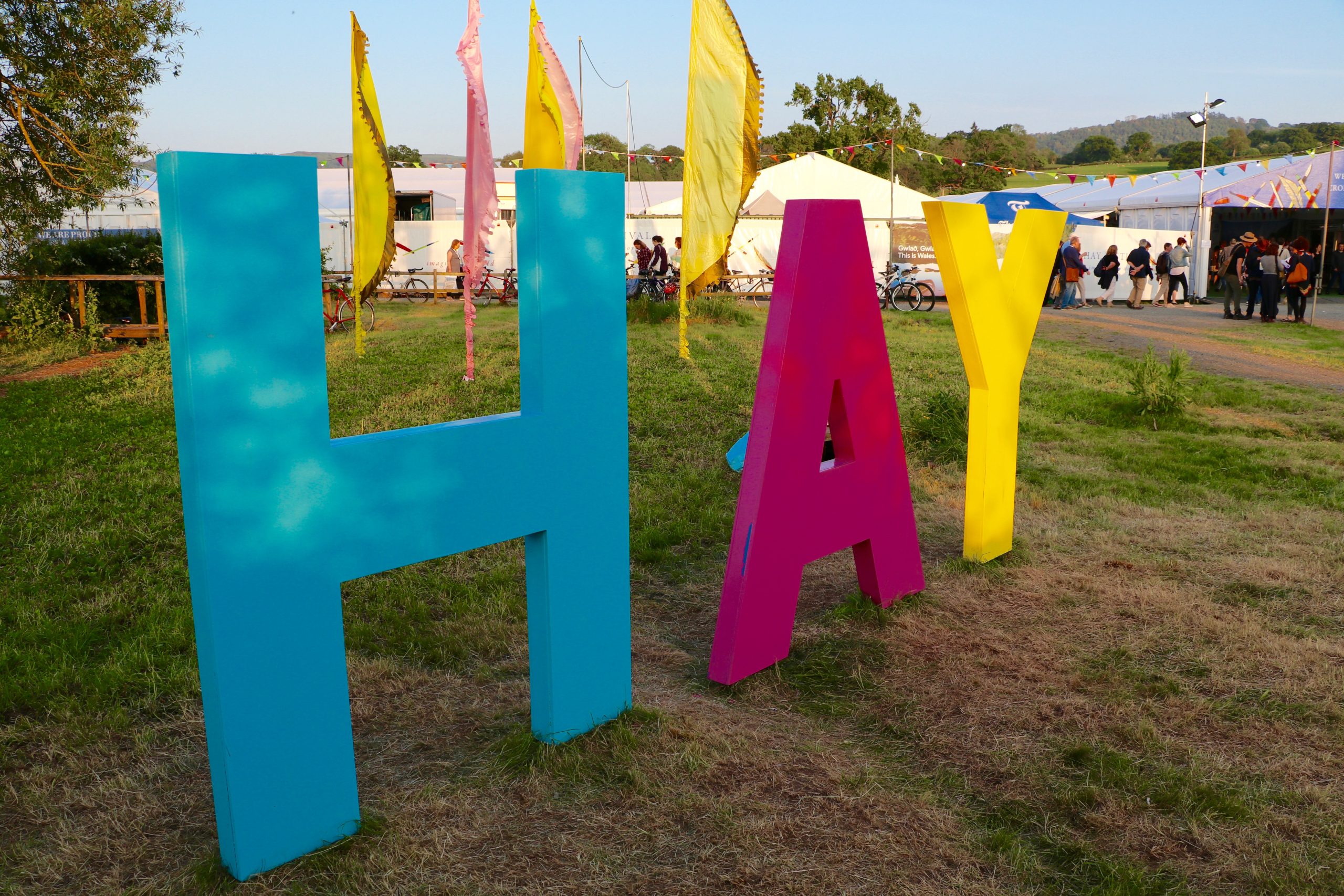
The principal site is a tented village on Brecon Road, a short walk from the town center. Stages of different sizes, a major bookshop, signing areas, cafés, food traders, gardens, a cinema, exhibitors, and family spaces create a campus built for movement between hour-long sessions.

Hay’s bookshops, castle, market spaces, pubs, and surrounding Bannau Brycheiniog landscape form the second venue. The shuttle closes the short gap, but walking it helps the formal program and the town remain in conversation.

Getting Around

Walking connects the main site and town in minutes, and a local shuttle supports the route. The nearest major rail connection is Hereford, with festival bus services typically linking onward to Hay.

Parking should be booked or planned through official guidance. Rural taxis are scarce at peak times. On site, boardwalks support access, but outdoor paths and the walk into town still call for weather-ready shoes.

Visitor Guide

Festival Food & Drink

Hay’s food rhythm alternates between the field and the book town. On site, coffee, pastries, street food, gardens, and quick lunches keep tightly ticketed days moving. In town, Welsh cakes, pub plates, local cheese, cider, and market produce return the appetite to border-country agriculture and independent hospitality.

Eat before the noon rush or reserve a long gap. Carry a small snack for back-to-back sessions, then give one meal enough time to become a real pause. Local pubs and cafés fill quickly, so a table booking matters more than a complicated culinary itinerary.

#### Must Try

• **Welsh cake:** The griddled fruit-studded cake is portable between talks and firmly rooted in Welsh domestic baking.

• **Bara brith:** Tea-soaked fruit loaf turns a simple café break into a taste of the country’s baking tradition.

• **Welsh rarebit:** Cheese, ale, mustard, and toast make a sustaining pub lunch connected to local dairy and brewing culture.

• **Wye Valley cheese plate:** Regional cheeses bring nearby farms into a festival often experienced through tents and book pages.

• **Local cider or ale:** A border-country pour gives the evening pub conversation a direct agricultural link to Herefordshire and mid Wales.

Budget & Costs

Budget: Stay in Hereford or camp, use festival buses, enter the site freely, choose a few low-cost sessions, and browse town without buying every book.

Mid-Range: Book a local inn, two or three events per day, regular café meals, and one guided walk or evening performance.

Higher Spend: A central cottage, lounge access, private transport, and a dense premium program add comfort. The intellectual return still depends on leaving enough space to think.

Tips for First-Time Visitors

Use one theme to narrow the program, then deliberately choose a speaker or subject outside it. Two or three ticketed sessions make a satisfying day; five can turn ideas into timetable noise.

Join queues with time to spare, bring a refillable bottle and waterproof layer, and photograph the day’s schedule. Browse the town’s shops without treating them as an obligatory checklist. A single unexpected book is a better souvenir than a rushed stack.

Safety

Rain, sun, field surfaces, and rural transport are the practical concerns. Wear waterproof shoes, carry layers, and keep medication and tickets protected. Use lit routes after evening events and know the last bus or arranged pickup.

Families should establish a meeting point on arrival. Follow accessibility guidance for boardwalks and viewing needs, and tell staff early if crowding or sensory load becomes difficult.

Cultural Significance

Hay Festival grew beside a town already transformed by secondhand bookselling. That relationship helped make a remote border settlement an international shorthand for public ideas, while the Welsh setting prevents the gathering from feeling like a metropolitan conference transplanted to a field.

Its cultural reach extends across genres and generations. Authors share space with scientists, artists, broadcasters, and children, presenting curiosity as a public good and conversation as something that belongs outside universities and publishing offices.

Plan Your Journey

When to Go

The main festival traditionally occupies an extended period around the late-May holiday, with opening days, busy weekends, and quieter midweek stretches offering different experiences. Weekends bring the widest public energy and strongest family atmosphere; weekdays make it easier to build a thoughtful sequence without constant crowd pressure.

Book two anchor sessions per day and leave space for signings, food, bookshops, and weather delays. Morning radio or current-affairs programs create a brisk start, while evening music and comedy shift the mood. Confirm the annual program and transport details before committing to individual speakers.

Where to Stay

Rooms in Hay-on-Wye place the town and festival site within walking distance, but supply is limited. Farm stays, inns, and cottages around Clyro, Glasbury, and the Wye Valley offer quiet and landscape, usually with a car or booked taxi.

Hereford provides rail access and a larger hotel base when festival buses operate. Camping and glamping suit travelers comfortable with field conditions. Reserve early and verify late-evening transport before choosing a remote property.

Bottom Line & Key Days

Bottom Line

Hay Festival turns a crowded program into a generous way of inhabiting a book town. Its depth appears when formal sessions, independent shops, landscape, and unplanned conversation receive equal room.

Choose less than the timetable permits, listen beyond your usual subjects, and carry one unsettled idea home.

Key Days

Opening sessions — First speakers establish the year’s public questions and bring the tented village to life.

Holiday weekend — Family events, major stages, broadcasting, and town activity create the largest shared audience.

Midweek program — Smaller crowds and specialist conversations allow a more reflective rhythm.

Closing weekend — Headline talks and evening performances gather the festival’s many disciplines into a final surge.

Ready to Experience Hay Festival?

You've explored what makes this festival special. Now it's time to plan your trip. Compare flights, book your hotel, arrange transportation, and take care of your travel essentials—all in one place.

✈ Find Flights

Loading booking widget...

Booking is completed on Expedia in a new tab.

🏨 Find Hotels

Search places to stay

Powered by Booking.com

Booking is completed on Booking.com in a new tab.

Rail & Bus Travel

Compare train and coach routes for the journey.

Compare Routes

Things to Do

Discover tours and attractions before or after the festival.

Explore Experiences

eSIM Mobile Data

Stay connected abroad without traditional roaming charges.

Get an Airalo eSIM

Travel bookings are provided by our trusted partners. We may earn a commission when you book through these links, at no additional cost to you.

Independent Editorial Standards

Every Follow the Festivals guide is independently researched and regularly reviewed using official festival information, destination resources, and trusted travel references. We also welcome verified updates from festival organizers, destination marketing organizations, tourism partners, and local experts to help keep our guides accurate, current, and useful for travelers.

Represent this festival or have a verified update to share? We'd love to hear from you through our contact page.