
Follow the Festivals

Kraków Film Festival

Kraków Film Festival

Kraków, Poland

2027-05-30 - 2027-06-06

The Story

Festival Overview

The documentary ends at the edge of the frame.

A face disappears. A room continues beyond the wall the camera could record. Somewhere outside the final image, the people whose lives entered the film return to lives that were never fully contained by it.

Kraków Film Festival is an annual international festival devoted to documentary films, short narrative films and animation. Held in Kraków at the turn of spring and summer, it combines Polish and international competitions with music documentaries, retrospectives, special programmes, filmmaker conversations, exhibitions, concerts and outdoor screenings.

KFF Industry operates alongside the public programme as a professional platform for documentary, animation and short-film creators. Its pitches, meetings and market activities require the appropriate credentials and should remain distinct from the experience available to an ordinary ticket holder.

The festival has grown from a Polish short-film event founded in the early 1960s into one of the longest-running gatherings of its kind. Its continued emphasis on concentrated forms gives it a different character from festivals built around red carpets and major commercial premieres.

A short film cannot include everything.

A documentary should never pretend it has.

Kraków gives the audience time to look at what was chosen, listen to the people who made those choices and step back into a city that continues beyond every frame.

Why This Festival Is Special

Kraków Film Festival asks audiences to practice concentrated attention.

Short films have limited time to establish a world. A gesture, sound or cut may need to carry what a longer film could develop across several scenes. Animation constructs movement one decision at a time, while documentary filmmakers shape real material without owning the lives it contains.

Placing these forms beside one another reveals how differently a frame can behave.

A documentary records what stood before the camera. Animation creates what could never have stood there. A short narrative may invent characters while expressing something entirely recognizable. None provides a complete world.

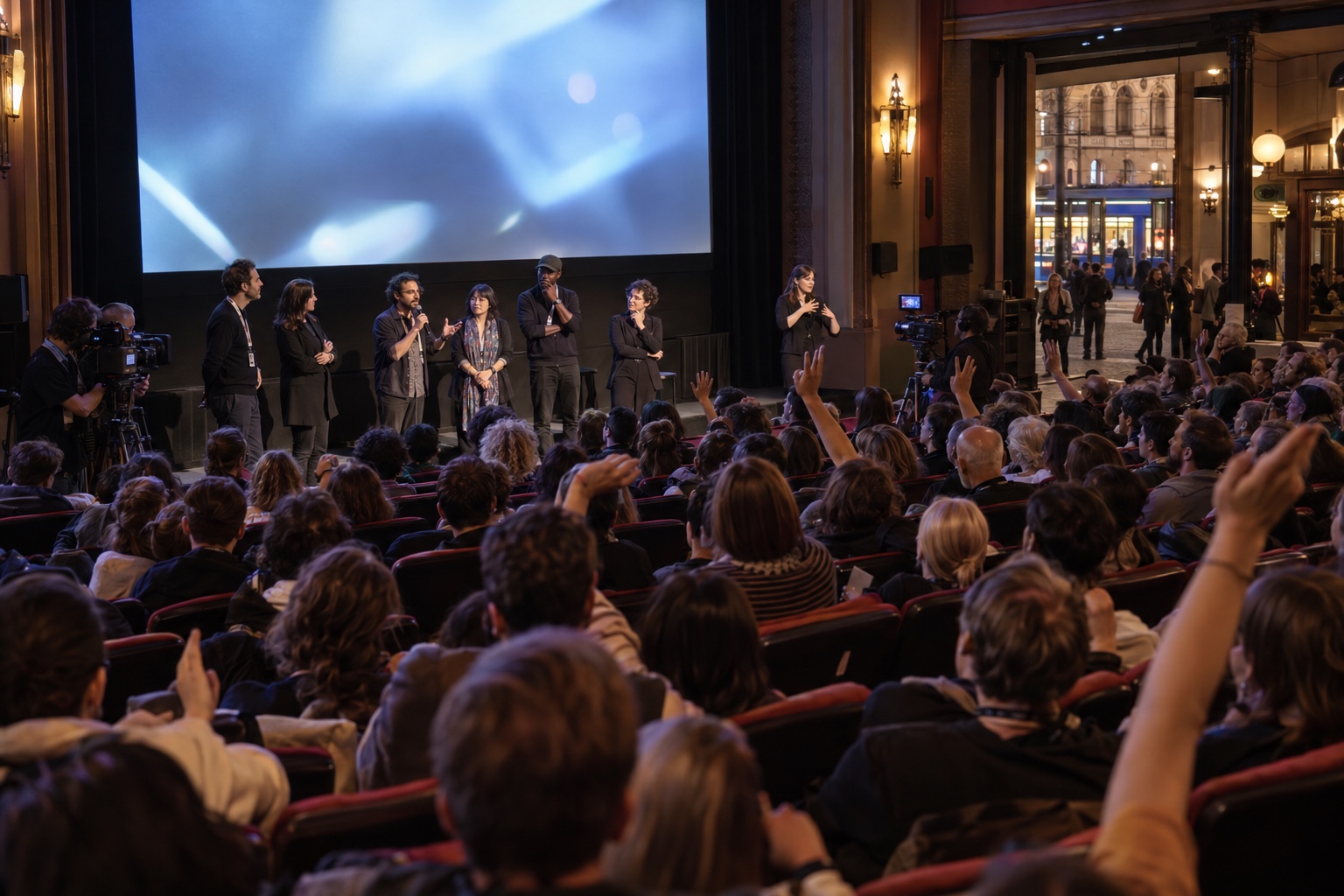
Kraków makes that incompleteness visible without treating it as failure. Filmmaker conversations reveal abandoned scenes, inaccessible people, ethical boundaries and editorial decisions. Audiences begin noticing not only what a film shows, but how it earned the right to show it.

The city continues that lesson. Historic streets carry Jewish, Polish, Austrian and Communist-era histories that cannot be reduced to a single route or voice. Contemporary Kraków lives among those inheritances without becoming a finished interpretation of them.

The cinema door opens.

The frame becomes larger than the screen.

Festival Experience

What to Expect

The programme is substantial but focused.

Documentary features, short documentaries, animated films, short narratives and music documentaries form its principal language. A single day may move from a Polish competition screening to an international shorts programme, a director conversation and an outdoor film beneath Wawel Castle.

Many screenings combine several short works. Read the complete programme rather than purchasing a ticket for one title without noticing what surrounds it. The emotional and stylistic movement between films is often part of the experience.

Feature documentaries require a different rhythm. Their subjects can be politically urgent, historically difficult or personally intimate. Leave enough time afterward for discussion or silence rather than rushing directly into another queue.

Tickets and passes usually provide several ways to attend. A visitor seeing only a few films may be better served by individual tickets, while a multi-screening pass can support a fuller week. Some festival films may also become available through a geographically restricted online platform, but digital access should supplement rather than replace time in Kraków.

KFF Industry is intended for professionals. Public tickets do not provide automatic entry to pitch meetings, markets or private networking events. Filmmaker discussions, exhibitions, concerts and other public activities still allow ordinary audiences to encounter the creative process directly.

Expect intimate cinemas, serious audiences and conversations that continue in foyers long after the scheduled running time. English subtitles or interpretation are common for international programming, but language information must be checked for every event.

Festival Highlights

  • Begin with an international short-film competition programme. Several works share one screening, forcing the audience to adjust quickly among countries, techniques and emotional registers. Read the language and content information, then allow at least one title to arrive without further research.
  • Attend a Polish competition screening. Local documentaries, animations and short narratives provide a route into contemporary Polish cinema that international distribution rarely supplies. The strongest visit does not treat Polish work as background to the global programme.
  • Choose one feature documentary because its question matters, not because its subject feels familiar. Stay for the filmmaker discussion when available. Listen for the difference between what the director hoped to record, what access allowed and what the completed film could responsibly contain.
  • See an animation programme from beginning to end. Drawing, stop-motion, puppetry, computer animation and experimental methods can coexist within the same session. Notice how material changes meaning: paper tears, paint shifts, fabric bends and digital forms move without hiding that someone designed every gesture.
  • A music documentary or concert-connected screening provides a valuable change of rhythm. Sound can carry history and identity differently from dialogue, while a live performance returns music from the recorded frame to a shared room. Choose the event for its subject rather than assuming every music film produces the same festival experience.
  • Join an outdoor screening when the programme offers one. The setting beneath or near Wawel changes the scale of the audience and places the film within a recognizably Kraków landscape. Arrive before darkness, bring a layer and verify weather arrangements before depending on it as the only opportunity to see a particular title.
  • Protect one interval for conversation. It may occur after a director Q&A, in a cinema café or during the walk toward Kazimierz. Do not fill that space automatically. A festival devoted to concentrated films needs time for one image to remain before the next begins.

Getting There & Around

Where It Happens

Kraków Film Festival uses cinemas and cultural spaces across the city rather than one enclosed complex.

Independent and art-house cinemas form the heart of the experience. Venue participation can change, so every screening should be checked against the current map before the schedule is finalized.

The Old Town contains several practical landmarks and provides a central route between accommodation, cinemas and festival meeting points. Planty Park circles the historic center and can offer a calmer walking path than the streets inside it.

Kazimierz contributes restaurants, cinemas, cultural spaces and late-night conversation. Its Jewish history and contemporary cultural life require more attention than a hurried walk between two screenings can provide.

Outdoor programmes may use spaces near the Vistula or Wawel Castle. These locations place cinema against one of Kraków’s most recognizable silhouettes, but seating, weather and access differ from indoor screenings.

KFF Industry activities may concentrate around a designated professional center. They remain separate from general public programming even when both groups share nearby cafés and streets.

The online festival component extends selected films beyond Kraków, often within territorial restrictions. It is a distribution channel, not another physical venue and not a reason to overlook the city that shaped the in-person event.

Kraków does not gather its histories into one building.

The festival should not be experienced that way either.

Getting Around

Walking and trams provide the strongest combination.

The Old Town is largely pedestrian, and several central venues may be close enough to connect through Planty or surrounding streets. Stone paving and crowds slow the apparent distance, especially when a screening ends near the Main Market Square.

Trams reach Kazimierz, Podgórze and other inner districts efficiently. Save the current network map and purchase or validate the appropriate ticket before travel. Temporary construction can reroute familiar lines.

Group screenings by neighborhood. Moving once between the Old Town and Kazimierz is reasonable; repeating the journey because the programme was selected without a map wastes valuable time.

Allow for queues and filmmaker discussions. A film listed to end at a particular time may be followed by questions, applause and a crowded exit. Do not schedule the next screening according to running time alone.

Kraków Airport connects with the city by train, bus and road. The rail journey to Kraków Główny is often the simplest arrival, but late-night and early-morning services should be checked in advance.

Taxis and ride-hailing vehicles are useful after late screenings or for distant accommodation. Confirm the correct vehicle and use an official or app-recorded service.

A bicycle can serve sightseeing beyond the screening schedule, though central pedestrian zones, rails in the road and the need for secure storage make it less convenient between cinemas.

The strongest route allows the film to finish before the traveler begins moving again.

Visitor Guide

Festival Food & Drink

Kraków returns the audience to the table.

After several hours of lives compressed into documentary frames, a milk bar provides something direct: soup, dumplings, potatoes and cutlets arriving without ceremony. The meal does not need interpretation. It needs enough time to be eaten warm.

Morning screenings favor an obwarzanek, the ring-shaped bread sold from street carts across the city. Its twisted surface and scattering of salt, sesame or poppy seeds make it portable, but coffee and a seated breakfast may serve a long day better.

Pierogi occupy the practical middle. Fillings range from potato and cheese to cabbage, mushrooms, meat or fruit, allowing a complete meal without sacrificing the entire interval between venues.

Kazimierz keeps eating late. Plac Nowy is associated with zapiekanka, an open-faced toasted baguette covered with mushrooms, cheese and an expanding range of toppings. It fits the return from an evening screening, though popular counters can develop their own queues.

A longer dinner should explore Polish cooking beyond the most recognizable dishes. Sour rye soup, braised meats, cabbage, forest mushrooms, freshwater fish and seasonal produce connect the city to a wider regional table.

**Must Try**

• **Obwarzanek krakowski:** A twisted ring of bread with a chewy crust, commonly finished with salt, sesame or poppy seeds.

• **Pierogi:** Dumplings filled with combinations such as potato and cheese, meat, cabbage and mushrooms, or seasonal fruit.

• **Żurek:** Sour rye soup often served with sausage and egg.

• **Zapiekanka:** A toasted open-faced baguette traditionally topped with mushrooms and cheese, strongly associated with Plac Nowy.

• **Gołąbki:** Cabbage leaves wrapped around a filling of meat, rice or grains and served with sauce.

• **Placki ziemniaczane:** Crisp potato pancakes served savory, sometimes with mushroom or meat sauce.

• **Sernik krakowski:** Kraków-style cheesecake distinguished by its rich cheese filling and lattice top.

• **Milk-bar lunch:** Soup, dumplings, cutlets and vegetables served in an affordable Polish cafeteria tradition.

The film asks the audience to enter another life.

Lunch places everyone back inside their own.

Budget & Costs

Accommodation usually carries the greatest cost, followed by transportation to Kraków.

Rooms near the Old Town provide walking convenience but cost more than accommodation in tram-connected districts. Kazimierz, Podgórze, Grzegórzki and the station area can offer useful alternatives depending on the venue map.

Individual tickets make a focused visit accessible. Multi-screening passes become valuable only when the traveler can use the included access without creating impossible overlaps.

Online viewing may extend access to selected films, but it should not justify paying for a pass whose in-person benefits will go unused. Territorial restrictions and viewing windows also require attention.

Kraków’s public transportation helps control daily costs. Repeated taxis are rarely necessary when the itinerary groups cinemas by neighborhood.

Food can remain affordable through milk bars, bakeries and casual Polish restaurants. Save more of the budget for one longer dinner rather than purchasing every meal beside the busiest tourist streets.

Industry credentials should be treated as professional expenses. Do not purchase access designed for business activity unless the meetings, market tools and networking opportunities serve a defined purpose.

The most effective savings come from choosing the right ticket structure, staying near a useful tram and resisting an overloaded programme.

Time lost crossing the city is the festival’s most expensive purchase.

Tips for First-Time Visitors

Choose one principal strand before attempting to understand the entire programme. Documentary, animation, short narrative and music film each offer enough depth to carry a visit.

Use individual tickets for a selective schedule and a pass only when its access can realistically be used. More screenings do not automatically create a better festival.

Read the complete short-film block. One ticket may include works with very different subjects, age guidance and emotional intensity.

Check subtitle information. International films may be accessible in English, but discussions, introductions and Polish productions can follow different language arrangements.

Attend filmmaker conversations without treating the director as the only authority in a documentary. The people depicted, the editor, the cinematographer and the conditions of access may be equally important to understanding what reached the screen.

Leave one full meal and one outdoor interval in every long day. Screen fatigue reduces attention before the audience notices it happening.

Carry a notebook or keep brief notes on each programme. Record one image, one question and one title. This prevents several short films from merging into a single memory.

Do not photograph or record the screen. Follow cinema rules and allow unfinished or unreleased work to remain protected.

When a documentary feels complete, ask what the camera could not follow.

Safety

Kraków’s central festival districts are generally busy and walkable, but normal urban awareness remains necessary.

Keep phones, wallets, passports and festival credentials secured in crowded trams, queues and tourist areas.

Use marked crossings and watch for trams, which move quietly and cannot stop quickly. Never stand on tracks while checking a venue map.

Late screenings may release audiences after public transportation becomes less frequent. Check the route home before entering the cinema and use an official taxi or recorded ride service when necessary.

Warm afternoons can lead to dehydration during long walks, while evenings may become cool. Carry water and a light layer.

Outdoor screenings depend on weather. Follow official instructions during storms, strong wind or electrical activity and do not shelter beneath unsafe trees or temporary structures.

Documentaries may contain war, violence, death, abuse or other distressing material. Review available content information and leave a screening if remaining becomes harmful.

Cinema rules protect both audiences and filmmakers. Do not record unreleased work, block aisles with bags or ignore staff instructions during entry and evacuation.

Alcohol can intensify fatigue after several screenings. Eat before late events and keep the journey back to the accommodation simple.

Cultural Significance

Kraków Film Festival began as a national celebration of Polish short cinema before developing an international programme.

Its history reflects the importance of documentary and animation within Polish filmmaking. These forms have provided artists with ways to observe public life, construct metaphor, work around material limitations and develop visual languages outside conventional feature cinema.

The festival now places Polish work beside films from around the world without asking either to serve as a universal explanation of the other.

Documentary carries particular responsibility. A camera can preserve testimony, reveal conditions and bring distant experience into public view. It can also simplify, intrude or create an authority the filmmaker has not earned.

Kraków’s programme gives audiences opportunities to examine those choices through discussion as well as projection. Short films and animation deepen the question by showing how compression, construction and omission can create meaning without claiming completeness.

KFF Industry supports work before it reaches an audience through pitches, development, professional meetings and distribution conversations. Those controlled spaces help determine which stories will eventually become public.

A film enters the festival as a completed object.

The questions around it are still moving.

Plan Your Journey

When to Go

The festival usually unfolds across several days around the end of May and beginning of June.

Arrive before the first important screening. Rail or air delays, accommodation check-in and ticket collection can consume an afternoon that looked generous on the programme.

Opening days carry premieres, ceremony and the first competitive screenings. They suit visitors who want to encounter films before awards and audience discussion begin influencing expectations.

The middle of the festival provides the strongest balance. All major competitions are active, filmmaker conversations have developed momentum and missed titles may still receive another screening. This is the best period for combining documentary, animation and short narrative work without forcing every category into one day.

Industry activity also becomes concentrated during the main festival week. Professionals should plan around accredited meetings rather than attempting to fit them between an already crowded public schedule.

Closing days bring awards and final opportunities. They can help recover a film missed earlier, but do not assume every title will return after receiving recognition.

Kraków is generous in late spring. Parks and river paths provide necessary distance from the cinemas, while evenings can remain cool after warm afternoons. Bring a light layer and rain protection.

A visitor staying beyond the festival can use the following day to revisit the streets crossed too quickly between screenings.

Where to Stay

The Old Town provides the most convenient base for a visitor attending screenings across central Kraków.

Hotels and apartments within or near Planty Park place several cinemas, restaurants and tram lines within easy reach. The location also supports late returns on foot, although streets near the Main Market Square can remain noisy.

Kazimierz offers a livelier evening atmosphere, strong dining and access to cultural venues. It works particularly well when the schedule includes events south of the Old Town or when conversations after screenings matter as much as an early night.

The area around Kraków Główny, the principal railway station, simplifies arrivals, airport connections and regional travel. It remains walkable to the historic center and reduces stress for travelers leaving early after the festival.

Podgórze provides a quieter base across the Vistula, with tram connections to central venues. Travel times remain reasonable when the chosen accommodation sits near a direct line.

Grzegórzki and other inner districts can offer better value without placing the visitor far from the programme. Check the route to actual cinemas rather than measuring distance only from the Main Market Square.

Avoid choosing accommodation solely because it is described as “central Kraków.” The city’s festival venues may be distributed, and a room beside a useful tram can outperform one trapped inside a pedestrian area with luggage.

Early booking matters, but the pressure is generally easier to manage than at celebrity-driven film festivals. Reserve flexibility first, then adjust when the venue programme is released.

Bottom Line & Key Days

Bottom Line

The lights rise inside a small cinema.

For several seconds, the final frame remains visible beneath them. Then the screen turns white.

Outside, Kraków has continued without waiting.

A tram passes the end of the street. Someone unlocks a bicycle. Restaurant tables fill beneath windows that never appeared in the film. Members of the audience leave in separate directions, carrying one recorded life into evenings of their own.

At the next corner, one person stops and looks back toward the cinema.

The screen is no longer visible.

The street is.

Key Days

Use the arrival day to understand the venue geography. Walk from the accommodation to the nearest cinema, identify the appropriate tram stops and collect any required pass or accreditation before the first essential screening.

Opening days introduce the competitions and establish the festival conversation. Choose one Polish programme and one international programme rather than allowing ceremonial attention to determine the entire schedule.

Middle days provide the greatest depth. Build them around one feature documentary, one short or animation block and one discussion, leaving enough time for food and movement.

Industry professionals should separate meeting-heavy days from ambitious public-screening days. Pitches and individual appointments require preparation and rarely end at the exact moment the timetable suggests.

An outdoor or music-documentary evening can break the repetition of indoor cinemas. Keep an alternative available if weather changes.

Closing days bring awards and final screenings. Use them to revisit a strand that became important during the week rather than beginning several entirely new ones.

A one-day visitor should choose no more than three fixed screenings. Let one be Polish, one unfamiliar and one followed by enough time to think.

Ready to Experience Kraków Film Festival?

You've explored what makes this festival special. Now it's time to plan your trip. Compare flights, book your hotel, arrange transportation, and take care of your travel essentials—all in one place.

✈ Find Flights

Loading booking widget...

Booking is completed on Expedia in a new tab.

🏨 Find Hotels

Search places to stay

Powered by Booking.com

Booking is completed on Booking.com in a new tab.

Rail & Bus Travel

Compare train and coach routes for the journey.

Compare Routes

Things to Do

Discover tours and attractions before or after the festival.

Explore Experiences

eSIM Mobile Data

Stay connected abroad without traditional roaming charges.

Get an Airalo eSIM

Travel bookings are provided by our trusted partners. We may earn a commission when you book through these links, at no additional cost to you.

Independent Editorial Standards

Every Follow the Festivals guide is independently researched and regularly reviewed using official festival information, destination resources, and trusted travel references. We also welcome verified updates from festival organizers, destination marketing organizations, tourism partners, and local experts to help keep our guides accurate, current, and useful for travelers.

Represent this festival or have a verified update to share? We'd love to hear from you through our contact page.