
Follow the Festivals

Holland Festival

Holland Festival

Amsterdam, Netherlands

2027-06-03 - 2027-06-27

The Story

Festival Overview

Amsterdam's canals, grand theaters, converted industrial spaces, and musically adventurous halls form the stage for the country's leading international performing-arts gathering that asks audiences to cross both the city and familiar artistic boundaries.

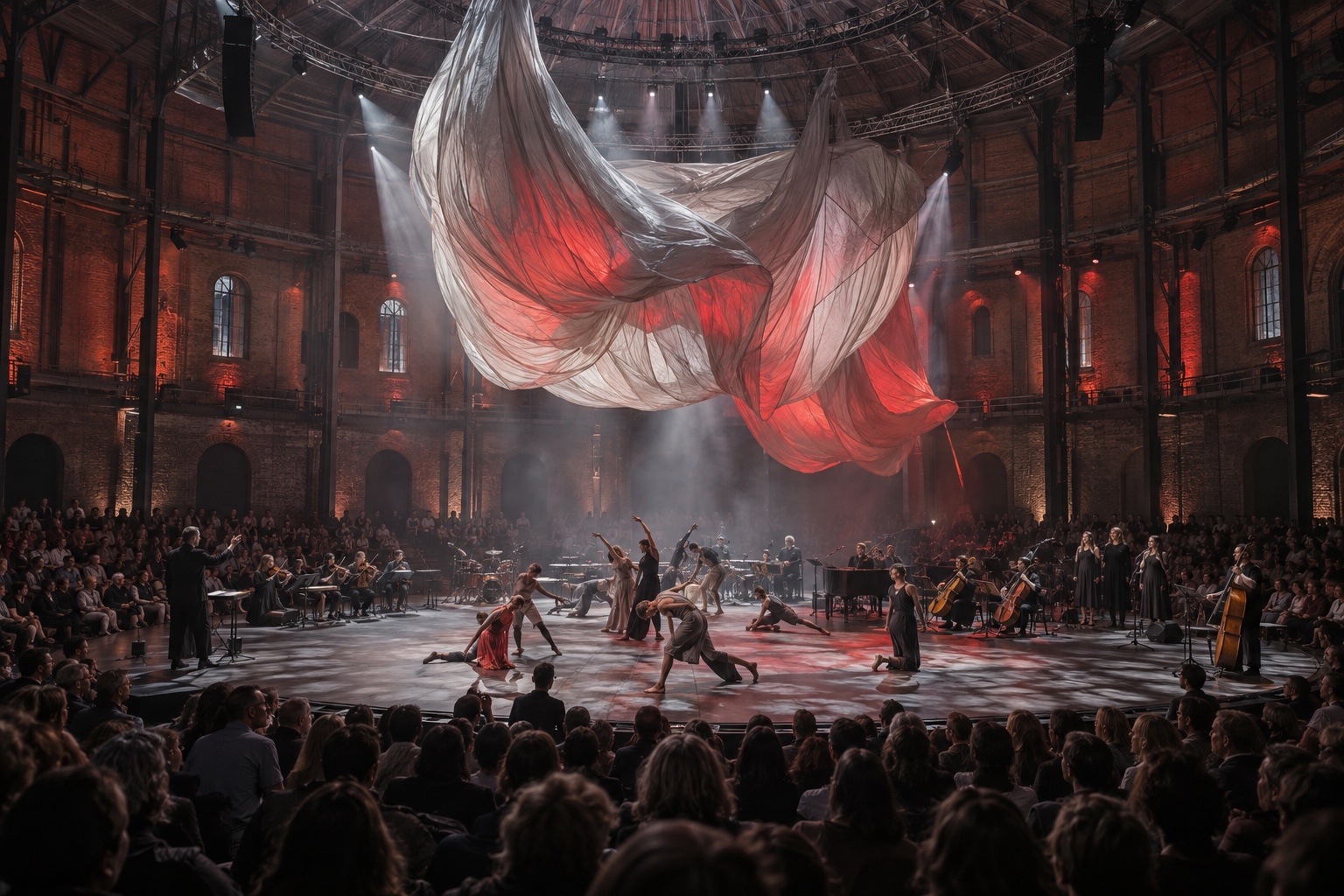
A visit may move from opera at Royal Theatre Carré to contemporary performance at Internationaal Theater Amsterdam, then toward the IJ waterfront for music that resists easy classification. The experience is deliberate, not casual: productions reward advance reading, sustained attention, and conversation afterward.

Between curtains, tram rides reveal how closely cultural institutions are woven into daily urban life. The festival belongs to a capital comfortable with experiment, where ambitious visiting artists meet strong Dutch companies and audiences prepared for work that may be beautiful, confrontational, technically daring, or unresolved.

Why This Festival Is Special

Holland Festival presents Amsterdam as an international laboratory for ambitious performing arts. Opera, theater, dance, music, and interdisciplinary work occupy rooms with sharply different histories, from Carré to Leidseplein and the IJ waterfront.

The citywide sequence demands deliberate choices and gives artists space ordinary touring schedules rarely permit. Amsterdam becomes an active partner in the work through transit, architecture, audiences, and debate after the curtain.

Festival Experience

What to Expect

Days often start quietly, with coffee, an artist talk, or a smaller contextual event, then the pace picks up from late afternoon as people head toward evening curtain times. Expect local festivalgoers to move across town in waves: an early dinner, a tram ride or bike trip, then a focused indoor performance, not an all-day outdoor crowd scene.

Some nights are built around a single headline production; others invite a double-header if the timing and distance between venues line up. After dark, the mood shifts to theatre foyers, waterfront concert halls, and post-show conversations, with the busiest moments landing just before performances begin and again when audiences spill back onto the streets at the end.

Festival Highlights

  • A major international production using Amsterdam's theater architecture as part of its language
  • Contemporary dance that places formal experiment before crowd-pleasing familiarity
  • Music crossing classical, electronic, global, and theatrical traditions within one program
  • Artists and audiences continuing difficult questions after the final applause
  • A venue journey from a grand hall to an industrial waterfront or intimate room
  • Dutch and international makers meeting inside a festival willing to defend artistic risk

Getting There & Around

Where It Happens

Across Amsterdam, the festival pulls you between a few key stages, never into one fenced site. A central thread runs through the Leidseplein area, where International Theater Amsterdam anchors a classic pre-show zone of bars, cafés, and theatre traffic, then stretches east toward Royal Theatre Carré for bigger opera, music theatre, and dance nights.

Another branch leads to Muziekgebouw aan 't IJ on the IJ waterfront, where the setting shifts from busy central streets to a more open waterside approach. For an attendee, the geography is part of the plan: dinner near Leidseplein, a tram or bike ride across town, then a different room and crowd mood by the water or at Carré.

Getting Around

Tram, metro, ferry, bicycle, and walking connect the venue network, but no single mode serves every production equally. Use cycling only with local traffic confidence and never after drinking; crowded theater districts make parking difficult.

Trams handle the central corridor, metro serves southeastern and northern routes, and free ferries connect Centraal with Noord. Save each exact entrance because cultural complexes may contain several halls.

Group daytime events geographically, return to the hotel once, then make one direct evening journey. Allow at least forty-five minutes for cross-city transfers and more when a ferry, rain, or post-show crowd is involved.

Visitor Guide

Festival Food & Drink

Amsterdam's festival table should support concentrated performance days while reflecting the city's Indonesian, Surinamese, Turkish, North African, Jewish, and Dutch food histories. A meal near the evening venue keeps the citywide program connected to the neighborhoods crossed between curtain calls.

Eat a substantial early dinner, save drinks for after the performance, and reserve long tasting menus for nights without a fixed curtain. A café interval is useful only when it protects attention without compressing the next journey.

#### Must Try

• **Indonesian rijsttafel:** The shared sequence reflects a colonial history that remains essential to understanding Amsterdam’s food culture.

• **Surinamese roti:** A specialist kitchen connects the festival route with one of the modern city’s defining communities.

• **Bitterballen:** The café snack belongs naturally after a performance when paired with conversation and measured drinking.

• **North Sea herring:** A reputable fish seller provides a compact Dutch reference grounded in freshness and season.

• **Aged Dutch cheese from a named maker:** Producer and maturation give a familiar food genuine regional specificity.

Budget & Costs

Budget: Choose one major production, use public transit, eat before the curtain, and stay near a direct line.

Mid-Range: Add several contrasting events, central lodging, neighborhood meals, and contextual talks.

Higher Spend: Premium seats and canal-ring accommodation add ease, though artistic risk and cross-city movement remain the defining experiences.

Tips for First-Time Visitors

Book the performance you care about most first, especially if it is at Internationaal Theater Amsterdam, Royal Theatre Carré, or another headline venue, then build the rest of your plan around that ticket. Leave more transfer time than the map suggests, particularly if you are going to Muziekgebouw aan 't IJ on the waterfront and trying to make another event the same day.

Read the running time before stacking two shows in one evening; long theatre and music works can wipe out your dinner window. If you want the fullest festival feel, mix one large-scale production with one smaller talk, concert, or interdisciplinary piece and avoid chasing only the biggest titles.

Safety

A missed curtain is the most immediate practical risk. Cross-city distances look manageable until you factor in tram waits, ferry timing toward Muziekgebouw aan 't IJ, and the rush to get seated before curtain.

At night, pay close attention to bikes and trams when leaving central venues, especially if you are walking while checking your ticket or map. Weather matters too: most events are indoors, but rain and wind can make venue-hopping less pleasant, so carry something light and waterproof; do not assume a dry dash between stops.

Cultural Significance

Holland Festival presents the Dutch capital as an international capital for ambitious performing arts, not only a heritage destination. Since the postwar period, it has brought major theater, music, opera, dance, and interdisciplinary work into Dutch cultural debate while supporting commissions and encounters that local institutions could not mount alone.

Its importance lies in artistic risk, scale, and exchange: unfamiliar forms receive serious venues and sustained attention. For residents, the event connects a dense network of theaters and audiences to global questions about power, identity, technology, migration, and artistic freedom.

Plan Your Journey

When to Go

Give the festival at least four nights, including one weekday and a central weekend. Opening programs establish the artistic argument, while later weeks can offer deeper immersion and fewer premiere crowds.

June weather shifts from warm sun to rain and cool canal-side evenings. One performance reveals a production, not the festival's international scale; combine theater, music, dance, or visual work across contrasting venues.

Build each day around one demanding event and leave space for discussion. A full week supports neighborhood exploration and recovery, while a two-night visit risks turning Amsterdam into a sequence of rushed trams and curtain times.

Where to Stay

Leidseplein and the Museum Quarter provide access to major theaters, museums, and trams; choose them for convenience, accepting premium rates and visitor traffic. The eastern docklands and Plantage suit venues around the waterfront and offer calmer evenings.

De Pijp adds restaurants and neighborhood life with straightforward transit, while Amsterdam Noord can offer space and ferry access but complicates late cross-city returns.

Select lodging from the fixed performances, not from a generic center map. A hotel near a direct tram or metro line matters more than canal frontage when productions end late in different districts.

Bottom Line & Key Days

Bottom Line

Holland Festival is strongest as a sequence of deliberate nights: a demanding production, a tram across the city, and conversation that continues because the work refuses an easy resolution. Its premium is not comfort but the public space Amsterdam gives artistic risk.

Key Days

Venue Orientation
Map the principal theaters and one direct transit route before the first production.

Opening Argument
Begin with a large-scale work that establishes the festival's international ambition.

Artistic Contrast
Choose another discipline in a smaller or less familiar venue.

City Interval
Protect one afternoon for neighborhoods, museums, food, and recovery; leave that space free of another ticket.

Reflective Close
Finish with a challenging performance and an unhurried final morning along the canals.

Ready to Experience Holland Festival?

You've explored what makes this festival special. Now it's time to plan your trip. Compare flights, book your hotel, arrange transportation, and take care of your travel essentials—all in one place.

✈ Find Flights

Loading booking widget...

Booking is completed on Expedia in a new tab.

🏨 Find Hotels

Search places to stay

Powered by Booking.com

Booking is completed on Booking.com in a new tab.

Rail & Bus Travel

Compare train and coach routes for the journey.

Compare Routes

Things to Do

Discover tours and attractions before or after the festival.

Explore Experiences

eSIM Mobile Data

Stay connected abroad without traditional roaming charges.

Get an Airalo eSIM

Travel bookings are provided by our trusted partners. We may earn a commission when you book through these links, at no additional cost to you.

Independent Editorial Standards

Every Follow the Festivals guide is independently researched and regularly reviewed using official festival information, destination resources, and trusted travel references. We also welcome verified updates from festival organizers, destination marketing organizations, tourism partners, and local experts to help keep our guides accurate, current, and useful for travelers.

Represent this festival or have a verified update to share? We'd love to hear from you through our contact page.