
Follow the Festivals

Karneval der Kulturen

Karneval der Kulturen

Berlin, Germany

2027-05-31 - 2027-05-31

The Story

Festival Overview

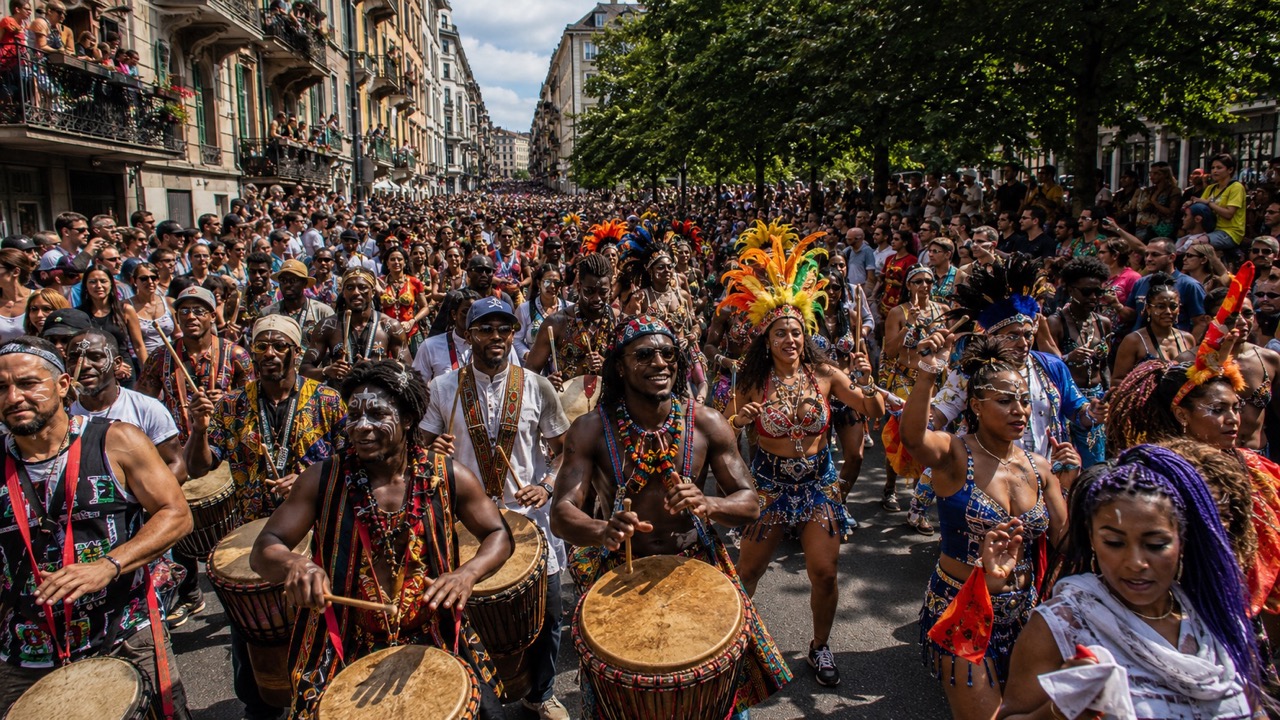
Berlin’s Kreuzberg district becomes a moving portrait of the city’s migration histories during Karneval der Kulturen. The street parade sends dance ensembles, musicians, costumed groups, community associations, and mobile performances along broad avenues, while the festival around Blücherplatz gathers stages, crafts, food, and conversation. The event grew from a city changed by Turkish, Arab, African, Asian, Latin American, European, and other communities whose cultural life cannot be reduced to one national story. Spectacle is immediate—drums, color, flags, choreography—but the deeper experience comes from noticing who is presenting themselves and on what terms. Kreuzberg’s political history and everyday diversity give the celebration both energy and tension. It is not a tour of exotic traditions; it is Berlin arguing, dancing, and eating through the question of what belonging looks like.

Why This Festival Is Special

Many multicultural festivals arrange traditions inside a neutral fairground. Karneval der Kulturen places them in Kreuzberg, where migration, activism, nightlife, housing pressure, and public debate are already inseparable. The parade’s scale impresses, but its identity comes from residents presenting culture within the city they have helped build. Travelers choose it to encounter the destination’s diversity as a living political and creative force rather than a decorative claim.

Festival Experience

What to Expect

Late morning is when people start lining Yorckstraße and Gneisenaustraße, picking a patch of curb and settling in before the Street Parade reaches them. From midday into the afternoon, the route is the focus: multicultural dance and music groups come through in waves, with bursts of percussion, amplified music, elaborate dress, and cheering from the crowd as each contingent passes. After the parade has moved on, many people drift back toward Blücherplatz for food and craft stalls, more music, and a looser street-party feel. By evening, the route begins to thin out, but Blücherplatz still holds lingering groups eating, drinking, and staying for the last stretch of performances.

Festival Highlights

  • Street Parade — Community groups transform dance, percussion, costume, and mobile performance into a long public procession.
  • Blücherplatz Festival — Stages, food, crafts, and organizations create a dense social hub beyond the parade.
  • Kreuzberg Setting — A district shaped by migration and activism gives every performance contemporary context.
  • Community Presentation — Participants define their own cultural presence rather than appearing as anonymous entertainment.
  • Global Berlin Sound — Musical traditions meet amplification, collaboration, and the city’s restless club-era energy.

Getting There & Around

Where It Happens

Most people experience Karneval der Kulturen between the parade stretches of Yorckstraße and Gneisenaustraße and the festival hub at Blücherplatz, all within the Kreuzberg side of the city before the route pulls on toward Hermannplatz and Neukölln. In practice, that means you choose between holding a curb spot along the Street Parade or slipping back to Blücherplatz, where food stalls, music, and a more stationary crowd take over once groups have passed. Yorckstraße and Gneisenaustraße are for watching the procession roll by at close range; Blücherplatz is where you regroup, eat, and stay longer, with the whole day shaped by the short but crowded movement between those points.

Getting Around

U-Bahn and S-Bahn should frame the day, with walking inside Kreuzberg once street controls begin. Stations nearest the parade can close temporarily or become too dense to enter, so learn two alternatives on different sides of the route. A bicycle is useful only before crowds form and with secure parking away from procession streets. Save the lodging route offline and let the first post-parade transit wave disperse before leaving Blücherplatz.

Visitor Guide

Festival Food & Drink

The food stands reveal Berlin as a migrant city more convincingly than any single local dish. Turkish gözleme layers thin griddled dough around cheese, spinach, or meat; Sudanese, West African, Thai, Polish, Arab, Latin American, and other vendors extend the menu according to participating communities. Currywurst—sausage cut beneath curry-spiced ketchup—remains a quick Berlin reference, while döner reflects the city’s Turkish-German food history. Choose stalls operated by community cooks, ask what a dish is called, and avoid treating every plate as a generic international sample. Eat before the parade ends, when Blücherplatz lines become deepest.

Must Try
• Gözleme — Thin Turkish flatbread folded around cheese, greens, potato, or seasoned meat.
• Döner kebab — Spit-roasted meat or vegetables in bread with salad, sauce, and herbs.
• Currywurst — Sliced sausage covered with curry-spiced tomato sauce and served with fries.
• Jollof rice — West African tomato-and-pepper rice served with meat, fish, or vegetables.
• Club-Mate — Caffeinated sparkling mate drink closely associated with contemporary Berlin culture.

Budget & Costs

You can do Karneval der Kulturen fairly cheaply because the parade itself is a public street event, but food and drink spending adds up fast around Blücherplatz and along the busy Kreuzberg sections of the route. A budget day might just mean U-Bahn fares and a couple of stall meals; a fuller day with repeated drinks, snacks, and time spent lingering at the street festival will cost noticeably more. Staying in Kreuzberg or Neukölln for the night is convenient, but rates can be higher than districts farther out, where you trade cheaper rooms for a longer ride back after the evening crowds.

Tips for First-Time Visitors

Choose one parade block on Gneisenaustraße or the wider route and learn which participating groups interest you before they arrive. Do not follow the procession expecting to overtake it; side streets and barriers make that exhausting. Visit community and advocacy stands before late-afternoon food crowds, and ask performers before close portraits. The event’s politics matter: approach cultural presentation as self-expression by Berlin residents, not a costume collection staged for visitors.

Safety

The tightest spots are major intersections on the parade route, the food queues around Blücherplatz, and transit stops affected by closures, so keep your phone and wallet secure and expect slow progress once the parade is underway. Bring water if the weather is warm, because much of the day can mean standing in open sun with little shade. If a section of Yorckstraße or Gneisenaustraße feels too packed, move a block or two rather than forcing your way through, and double-check your U-Bahn route before heading home since nearby stops can be busy and rerouted.

Cultural Significance

The carnival emerged as a response to racism and as a platform for the city’s many communities to claim visibility, creative authority, and public space. It celebrates cultural expression while also exposing debates about representation, commercialization, policing, and who is allowed to define Berlin. For participants, months of rehearsal and organization support networks that continue beyond the parade. The event matters because diversity is presented not as a tourism slogan but as lived civic reality with joy, conflict, and unequal power.

Plan Your Journey

When to Go

Experience the festival across two phases: the street-festival days around Blücherplatz and the principal parade day. Arrive at the parade route before midday if clear sightlines matter, then stay after the procession for food and smaller stages rather than chasing its entire length. A separate weekday in Kreuzberg gives context without crowd pressure. Late spring can bring heat, rain, or cool evenings, so carry layers and preserve enough energy for a slow public-transport exit.

Where to Stay

Kreuzberg places the event within walking or short transit range and keeps the trip connected to neighborhood food and nightlife, though rooms near the route can be noisy. Neukölln offers a strong cultural extension with simple U-Bahn access, while central Mitte broadens hotels at the cost of distance from the event’s social center. Choose lodging near a line that avoids parade closures and a return route that does not require crossing the procession.

Bottom Line & Key Days

Bottom Line

When the final percussion group passes, Kreuzberg does not return to a cultureless baseline; the languages, restaurants, associations, arguments, and friendships behind the parade remain. That continuity is the carnival’s lasting insight. the destination earns the journey by showing diversity not as a completed success story, but as daily civic work capable of producing extraordinary public joy. The parade is memorable because the city around it makes every costume, rhythm, and claim to belonging consequential.

Key Days

Arrival

Settle near resilient transit, walk Kreuzberg without crowds, and identify both sides of the parade route.

Street-Festival Day

Visit community stands, smaller stages, and food vendors before the principal procession dominates attention.

Parade Morning

Choose one viewing block, learn the participating groups, and arrive before crossings close.

Festival Evening

Return to Blücherplatz for music and food after the parade’s first exit wave.

Closing

Leave by an alternate station and carry the neighborhood’s migration history beyond the spectacle.

Ready to Experience Karneval der Kulturen?

You've explored what makes this festival special. Now it's time to plan your trip. Compare flights, book your hotel, arrange transportation, and take care of your travel essentials—all in one place.

✈ Find Flights

Loading booking widget...

Booking is completed on Expedia in a new tab.

🏨 Find Hotels

Search places to stay

Powered by Booking.com

Booking is completed on Booking.com in a new tab.

Rail & Bus Travel

Compare train and coach routes for the journey.

Compare Routes

Things to Do

Discover tours and attractions before or after the festival.

Explore Experiences

eSIM Mobile Data

Stay connected abroad without traditional roaming charges.

Get an Airalo eSIM

Travel bookings are provided by our trusted partners. We may earn a commission when you book through these links, at no additional cost to you.

Independent Editorial Standards

Every Follow the Festivals guide is independently researched and regularly reviewed using official festival information, destination resources, and trusted travel references. We also welcome verified updates from festival organizers, destination marketing organizations, tourism partners, and local experts to help keep our guides accurate, current, and useful for travelers.

Represent this festival or have a verified update to share? We'd love to hear from you through our contact page.