
Follow the Festivals

Port Fairy Folk Festival

Port Fairy Folk Festival

Port Fairy, Australia

2027-03-05 - 2027-03-08

The Story

Festival Overview

Before the first song, Port Fairy begins moving furniture.

Chairs enter church halls. Temporary stages rise beside sporting fields. Caravan parks fill. Volunteers learn their shifts, public rooms acquire new schedules, and handwritten signs begin directing strangers toward places normally known only to residents.

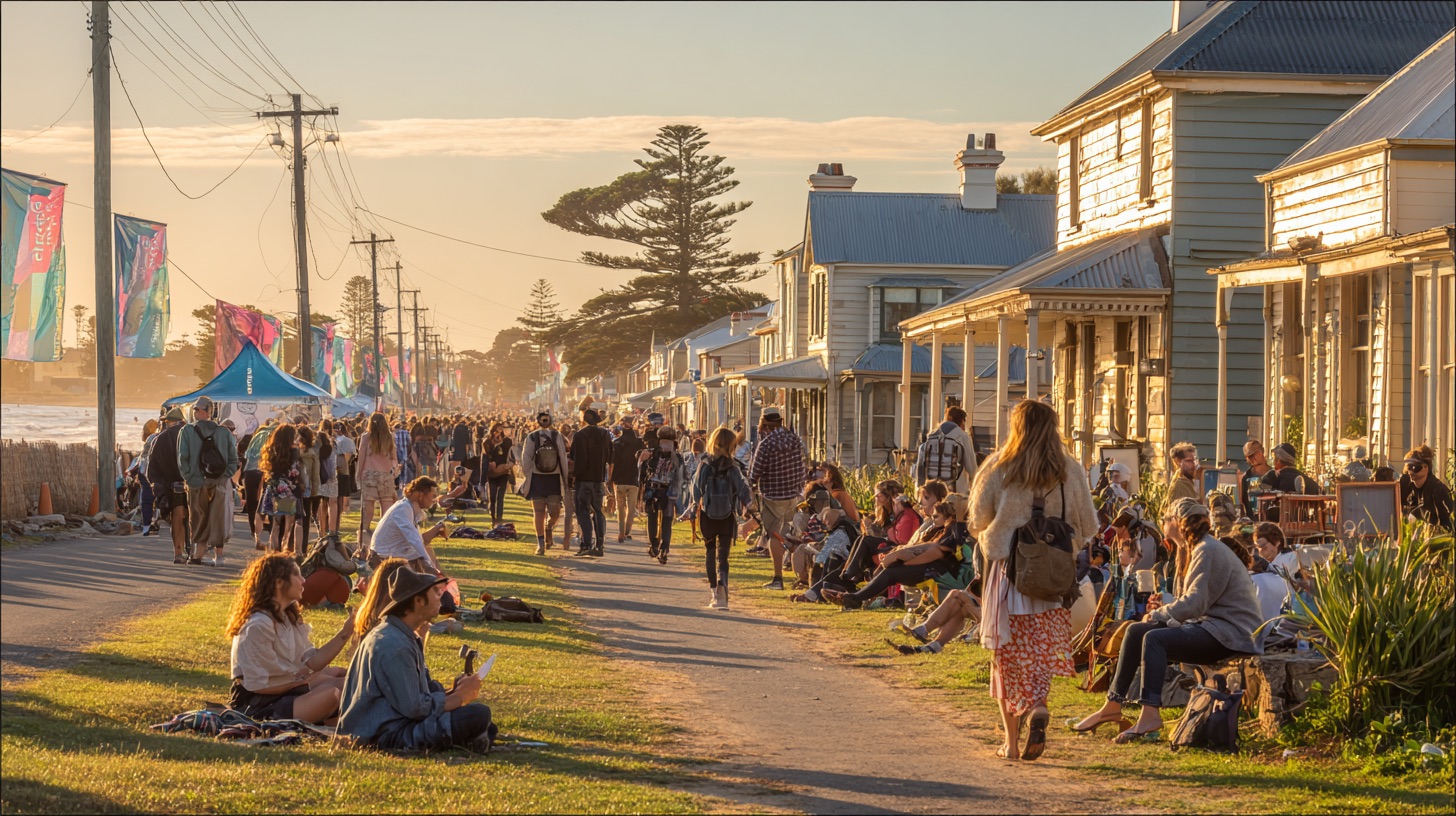
Soon, guitars appear along the footpaths. A melody leaves one venue while another begins behind a nearby door. People cross the town carrying instrument cases, folding chairs and programme grids covered with increasingly optimistic circles.

Port Fairy Folk Festival is a major Australian celebration of folk, roots, acoustic and traditional music held over Victoria’s Labour Day long weekend. Its programme brings Australian, First Nations and international performers into a ticketed festival arena and venues throughout the coastal town, alongside workshops, dances, conversations, street entertainment, family activities and collaborative concerts.

Founded in 1977, the festival began with traditional Australian and Irish music performed in local halls, pubs and gardens. It grew because Port Fairy possessed something as important as a stage: a community willing to lend its town to the idea.

That relationship remains visible.

The arena can hold thousands, but the festival becomes most itself when the distance between musician and listener begins shrinking—inside a church, during a workshop, around an informal session or while an unfamiliar voice finds an audience in a room small enough to hear everyone breathe.

Folk traditions survive because people carry them.

They also need somewhere to arrive.

For one long weekend, Port Fairy keeps opening doors.

Why This Festival Is Special

A folk song can cross an ocean with almost nothing.

It may survive through one remembered verse, a melody taught by ear or a chorus repeated until someone else knows it. When it reaches another place, the language may shift. New instruments enter. Local experiences alter the verses. The tradition continues because change and memory learn to travel together.

Port Fairy gives that movement a physical form.

The town’s Irish associations and maritime history helped shape the festival’s earliest character, but the programme has widened far beyond its beginnings. Australian songwriting, First Nations voices and traditions carried from many parts of the world now meet across its stages.

The festival does not require them to become alike.

A musician can preserve the particular rhythm, language or history of a tradition while placing it beside work created under entirely different circumstances. The audience moves between them, gradually hearing connections without losing distinctions.

Workshops bring the process closer. A performer who seemed complete beneath stage lights becomes a teacher demonstrating a tuning, rhythm, movement or story. Participants try it themselves. Expertise stops appearing effortless.

Younger musicians enter through development programmes, community performances and shared stages. Established artists return not only to perform, but to listen, collaborate and pass something forward.

Port Fairy first provides buildings and fields.

Then it provides attention.

Eventually, one artist begins making room for another.

Festival Experience

What to Expect

The festival has two interconnected landscapes.

The ticketed arena at Southcombe Park contains large covered stages, smaller performance spaces, food stalls, bars, craft areas and family programming. This is where audiences encounter major concerts, themed collaborations and the broadest sweep of the programme.

The Festival Village extends into Port Fairy itself. Music, talks and workshops enter theatres, halls, churches, bookshops, outdoor spaces and streets. Some events require a festival wristband; others belong to the free public programme.

The transition between them matters. A large concert may lead to an intimate songwriter session. A dance workshop may change how the next traditional performance is heard. Someone encountered briefly in a collaborative show may become the reason to cross town for a full set later.

“Folk” is interpreted generously. Traditional ballads, contemporary songwriting, blues, Celtic music, roots, country, global traditions, spoken word, dance and First Nations cultural expression can share the same programme. The strongest weekend is rarely built from one genre.

Popular venues may reach capacity even when a traveler holds a festival wristband. Many performers appear several times, but not always in the same format. Missing one set can lead to a workshop, collaboration or smaller performance that reveals considerably more.

Days begin early and can continue late. Coastal weather moves between sun, wind, rain and cold without asking whether the audience packed correctly.

The timetable appears to offer control.

By the second day, curiosity has usually taken some of it back.

Festival Highlights

  • The great pleasure of the programme is hearing the same artist under different conditions.
  • A musician may command a large arena stage, discuss songwriting in a smaller room and later join performers from other traditions for a concert that exists only because they have all arrived in the same town. Each appearance changes the others.
  • Themed concerts create some of the weekend’s most distinctive encounters. Rather than presenting isolated sets, they gather artists around a shared instrument, history, repertoire or question. Musicians listen from the side of the stage, adjust to one another and occasionally discover something neither audience nor programme could have predicted.
  • Workshops bring hands, breath and technique into view. Guitarists reveal tunings. Singers open harmonies one line at a time. Dancers separate steps that appeared inseparable from the music. Cultural practitioners determine what can be shared and how it should be taught.
  • The Festival Village loosens the boundary around the arena. Fiddlers’ Green, town halls, churches, the theatre, bookshops and street spaces allow music to inhabit Port Fairy at different volumes. The walk between them becomes part of the programme.
  • First Nations-led performances, workshops and conversations belong centrally within the weekend. The festival gathers on the traditional lands of the Peek Whurrong people, within Eastern Maar Country, and the strongest encounters allow artists and cultural practitioners to speak with their own authority.
  • Family spaces give children permission to approach tradition through making, singing, movement and play. Youth development performances show what follows when that invitation is sustained.
  • A headline may sell the first ticket.
  • The weekend is remembered through everything heard on the way toward it.

Getting There & Around

Where It Happens

The ticketed Festival Arena occupies Southcombe Park on Campbell Street, a short walk from central Port Fairy.

Large temporary venues, performance spaces, bars, food areas, craft stalls and family activities spread across a generally level grassed site. Covered stages protect much of the programme from changing weather, although walking routes and outdoor areas remain exposed.

The Festival Village reaches into the township.

Fiddlers’ Green provides an outdoor gathering point close to the center. The Reardon Theatre, community halls, churches, bookshops and other local spaces host performances, conversations and workshops according to the programme. Streets and public areas carry free entertainment and market activity beyond the wristbanded venues.

Port Fairy itself sits where the Moyne River reaches the Southern Ocean on Victoria’s southwest coast. Historic buildings, working wharves, residential streets and beaches remain part of the town while the festival occupies it. Residents still need doorways and roads. Fishing boats still move along the river. The destination does not become an empty stage set.

This coexistence gives the weekend its shape.

A sports ground becomes a concert arena.

A church becomes a listening room.

A patch of grass becomes a place where a young performer meets an audience.

Then each space returns to the community that made it available.

Getting Around

Walking is the natural way to experience the festival.

The arena sits close to the town center, and many Festival Village venues are separated by manageable distances. Moving on foot allows music, food, shops and unplanned performances to interrupt the route.

A low-floor shuttle usually circulates between festival locations and parts of Port Fairy. Additional services may connect accommodation areas, Koroit and Warrnambool. Routes and operating times change, so examine the transport plan before arrival rather than after the final concert.

V/Line services connect Melbourne and other Victorian cities with Warrnambool, followed by coach travel toward Port Fairy. The journey requires time, but it removes the need to manage a vehicle during a weekend of limited parking and road closures.

Drivers should secure accommodation parking and leave the car there whenever possible. Spaces near the arena are scarce, some streets close, and searching for a closer position can take longer than walking from the original one.

Cycling can work for visitors staying outside the center, though darkness, crowds, weather and instrument-carrying pedestrians require care. Use lights, follow temporary traffic instructions and park only in appropriate areas.

Accessible parking is provided near the arena entrance for permit holders. Accessible shuttle services, ramps and support are available, but individual requirements should be discussed with the festival before travel.

The town is small enough to cross.

The programme is dense enough to make every crossing take longer than expected.

Visitor Guide

Festival Food & Drink

Port Fairy fed people from the river and surrounding farmland long before festival stalls entered the arena.

The Moyne still carries fishing boats through town. Bakeries begin early. Pubs hold tables that have absorbed generations of local conversation. Cafés, fish-and-chip shops and restaurants prepare for a weekend in which the number of hungry people suddenly exceeds the scale of the streets serving them.

Inside the arena, food keeps the programme moving. A meal may need to fit between a workshop and a concert in another venue, but it should not disappear into hurried convenience. Sit down when possible. Compare discoveries. Let someone at the table redirect the next hour.

The town deserves at least one meal away from the stages. Fresh seafood connects the weekend to the working port, while beef, lamb, dairy and produce arrive from southwestern Victoria’s farming country. A pub meal places visitors inside one of the rooms that helped the early festival develop.

Breakfast becomes strategic without becoming joyless. Coffee, eggs, toast or something warm from a bakery can support a day that may continue past midnight. Buying early also avoids the rush that forms when an entire campground reaches town at once.

Carry a refillable water bottle. Water stations operate within the arena, and exposed walks between venues can feel longer in sun or wind. Alcohol must be purchased and consumed according to the festival’s licensed-area rules rather than carried inside.

Food performs the same work as the music.

Ingredients arrive with distinct origins. Hands prepare them. A table receives them. What one place produced becomes something several people can share.

### Must Try

• **Local fish and chips:** Fresh fish from the southern coast served with chips, preferably eaten near the Moyne River or shoreline while the weather permits.

• **Southern rock lobster:** A prized regional catch often presented simply enough for its sweetness and texture to remain clear.

• **Australian meat pie:** A bakery staple suited to an early start or the narrow space between performances.

• **Pub roast or grill:** Beef or lamb served with vegetables, gravy or chips, carrying the agricultural country surrounding Port Fairy onto the plate.

• **Cheese from southwestern Victoria:** Dairy country produces cheeses that work naturally on a shared board with bread, preserves and local wine.

• **Festival barbecue:** Sausages, burgers or grilled food prepared by community groups, where a practical meal can also support local fundraising.

• **Lamington:** Sponge cake coated in chocolate and coconut, often found in bakeries or community stalls.

• **Victorian beer, cider or wine:** Choose something produced within the state and drink it slowly enough that the evening programme remains possible.

Budget & Costs

The largest expenses are usually the festival pass and accommodation.

Multi-day admission provides the fullest value because it includes performances, workshops and ticketed town venues across the weekend. Single-day options may suit shorter visits, while free street programming allows travelers without arena admission to experience part of the town’s transformation.

Accommodation prices rise with demand, and nearby rooms disappear early. Camping is often the most economical way to remain close, though site fees, equipment and weather preparation must be included. Staying in Warrnambool may reduce the room cost but adds daily transport.

Food spending can remain flexible. Arena stalls make it easy to eat between performances, while self-catering accommodation and permitted personal food reduce costs. Reserve room in the budget for one local meal that connects the weekend to Port Fairy rather than eating every plate beside a stage.

Walking and festival shuttles keep local transport modest. Travelers arriving from Melbourne should compare the full cost of V/Line services with fuel, vehicle wear and the inconvenience of parking.

Merchandise deserves consideration. Buying an album, book or work from an instrument maker or craftsperson can direct money toward the people whose skill created the encounter. Decide on a limit before several excellent performances turn admiration into uncontrolled spending.

The weekend can be experienced without luxury.

Its scarce resource is not money alone.

It is time—and the programme will offer more ways to spend it than anyone can afford.

Tips for First-Time Visitors

Study the programme, then leave part of it undecided.

Choose a small number of performances that matter deeply and create open spaces around them. Those spaces allow for a full venue, an unexpected workshop, a recommendation from another traveler or a musician whose name meant nothing an hour earlier.

Do not assume a wristband guarantees entry to every performance. Venues have fixed capacities, and popular sessions may fill. Arrive early for essential shows and identify another nearby option rather than allowing one closed door to derail the day.

Follow artists across different formats. A large concert introduces the finished work. A workshop, interview or collaborative performance may reveal how it was built.

Bring a refillable bottle, sun protection, a waterproof outer layer and something warm for the evening. A compact low chair can be useful where festival rules permit personal seating. Mark it discreetly and place it in the designated area for its height.

Wear shoes suited to grass, pavement and possible rain. The festival is walkable because people repeatedly cross surfaces that may become soft, slippery or uneven.

Eat before hunger begins making programme decisions. Keep a portable snack available, but observe venue restrictions and never carry outside alcohol into the arena.

Visit the free town programme even with a full festival ticket. The public performances and street activity reveal how far the weekend extends beyond the main gates.

Most importantly, enter at least one room without knowing who is about to perform.

Folk music has traveled too far to be encountered only through names already recognized.

Safety

Port Fairy’s changeable coastal weather deserves serious preparation.

Use sunscreen even when cloud or wind makes the day feel cool. Drink water regularly, secure hats in strong gusts and carry a waterproof layer. Evening temperatures can fall quickly after a warm afternoon.

Grass within the arena may become wet or uneven. Wear shoes with dependable grip, keep walkways clear and position personal chairs only within designated seating zones. Never block exits or accessibility routes while trying to improve a view.

Crowded venues require patience. Follow capacity decisions made by staff and volunteers. If a room is full, move to another performance rather than waiting in a doorway or restricting movement.

Families should establish a meeting point and ensure children carry appropriate contact information. The arena, village and town remain compact, but thousands of visitors can make familiar paths look suddenly different.

Protect valuables in campsites and crowded public spaces without allowing vigilance to overwhelm the weekend. Carry only what is needed and keep phones, wallets and tickets secure.

Alcohol is restricted to licensed areas. Pace drinking across long days, eat properly and use shuttle transport when necessary. Drivers staying outside town should decide who is responsible before the first drink, not after the final set.

Accessible routes, toilets, viewing support, companion arrangements and mobility assistance are available. Advance contact gives the festival the best opportunity to prepare an appropriate solution.

Music can feel spontaneous.

The safest spaces holding it rarely are.

Cultural Significance

Port Fairy Folk Festival began with a small group of organizers, local halls, borrowed equipment and enough community confidence to try again the following year.

Its growth required infrastructure, but also trust.

Residents, sporting clubs, service organizations, venue managers and volunteers learned how to receive an audience far larger than the town. Stages improved. The arena developed. Local buildings continued opening. Responsibility for the festival moved into Port Fairy itself, strengthening the relationship between the event and the community carrying it.

That history reflects the traditions presented onstage.

Folk culture rarely survives through institutions alone. Songs, stories, dances and techniques continue because individuals remember them, communities value them and another person decides they are worth learning.

The responsibility is particularly important on Eastern Maar Country. First Nations music and cultural practice are not simply older contributions to an Australian folk collection. They carry living relationships to Country, family, language and authority that determine how knowledge can be shared. The festival is strongest when those voices shape their own spaces rather than entering someone else’s definition of tradition.

International artists bring other histories of movement, work, resistance, worship, celebration and migration. Australian performers answer with songs formed by this continent and its communities. Collaboration becomes meaningful when difference remains audible.

By supporting workshops, youth development and community participation, the festival moves beyond presenting culture after it has been perfected.

It allows visitors to witness the moment someone begins learning how to carry it.

Plan Your Journey

When to Go

Port Fairy Folk Festival is traditionally held over Victoria’s Labour Day long weekend in March.

Arrive before the main programme begins if possible. The town changes rapidly as visitors, performers and volunteers converge, and an earlier arrival allows time to collect a wristband, understand the route between accommodation and venues, buy supplies and walk through Port Fairy before the timetable takes over.

A complete visit deserves the full weekend. The opening establishes the scale, but the festival deepens after audiences begin recognizing artists around town and hearing connections between separate performances. Workshops and collaborative concerts make greater sense once some of the musicians are familiar.

Visitors with only one day should choose according to experience rather than headline count. A daytime visit offers workshops, family programming, street activity and movement between town venues. An evening leans toward major concerts and late sessions but reveals less of the community around them.

March sits at the beginning of autumn in southern Australia. Warm sunshine can arrive, but so can wind, rain and sharp temperature changes. The Southern Ocean shapes the weekend regardless of what the forecast promised several days earlier.

Pack for several versions of the same day.

Port Fairy already does.

Where to Stay

Port Fairy offers the most complete experience because accommodation within the town keeps the festival walkable.

Cottages, guesthouses, motels and apartments near the center allow visitors to move between the arena, town venues, meals and late performances without reorganizing the day around a car. Properties near the Moyne River or East Beach add water and morning quiet, though the route to the arena should be checked before booking.

Caravan parks suit the festival’s communal rhythm. Several lie within or near Port Fairy, and camping places visitors among people comparing schedules over breakfast and returning from performances at the same hour. Festival-associated options may include the showgrounds or temporary tent accommodation, while established caravan parks provide cabins, powered sites and camping according to availability.

Book early. Port Fairy has a permanent population of only a few thousand, while the festival brings many times that number into the town. Waiting for the programme announcement can mean surrendering both choice and proximity.

Warrnambool is the strongest alternative. The regional city lies roughly 30 kilometers away and offers a larger supply of hotels, motels and holiday accommodation. Festival buses may connect Warrnambool with Port Fairy, but schedules must be checked before reserving a room.

Koroit and smaller communities in the surrounding district may also provide accommodation. They work best with a confirmed shuttle route, a designated driver or prearranged transport.

The closest room is not always the most luxurious one.

At the end of a long musical day, being able to follow other listeners home on foot can feel like the finest amenity in town.

Bottom Line & Key Days

Bottom Line

After the final songs, Port Fairy begins returning its rooms.

Chairs leave the churches. Equipment comes down from temporary stages. Sporting grounds recover their open space. Volunteers remove signs from streets that residents will soon use without consulting a programme.

The town becomes quieter, but not unchanged.

A young musician leaves with a tuning learned from an older player. Someone who came for one famous performer carries home the recording of an artist encountered by accident. A child repeats part of a chorus whose history reaches farther than the weekend. Across several countries and communities, musicians continue journeys interrupted briefly by the same coastal town.

Port Fairy cannot keep all the music it receives.

It was never supposed to.

It opens its doors, gives each tradition somewhere to be heard, and sends it onward with more people able to carry it.

Key Days

The opening evening introduces Port Fairy at its most expectant.

Visitors are still learning the arena, volunteers are directing the first crowds, and artists are arriving with performances not yet shaped by the weekend’s collaborations. Choose one major concert, but leave enough time to understand the route home.

The first full day reveals the festival’s breadth. Begin with a workshop, conversation or smaller performance before entering the largest venues. Walk through the Festival Village, visit the public programme and allow the town to become part of the musical geography.

The middle of the weekend carries the greatest freedom. Artists have begun encountering one another, audiences recognize voices heard the day before, and collaborative concerts acquire emotional weight. This is the moment to follow a recommendation rather than a plan.

The final full day belongs to transmission. Youth performances, community gatherings, workshops and returning artists reveal which traditions are being carried forward and who is being invited to carry them.

The closing hours should not be overloaded. Choose somewhere to remain rather than attempting one last circuit of every stage. Listen as musicians and audiences acknowledge that the temporary gathering is ending.

The precise timetable changes with every programme.

The weekend’s deeper movement does not.

First the town receives the music.

Then the music introduces people to one another.

Finally, everyone must decide what they will take home.

Book Your Festival Trip

You've explored what makes this festival special. Now it's time to plan your trip. Compare flights, book your hotel, arrange transportation, and take care of your travel essentials—all in one place.

Tickets

Check current ticket availability and prices.

Check Tickets →

✈ Find Flights

Loading booking widget...

Booking is completed on Expedia in a new tab.

🏨 Find Hotels

Search places to stay

Powered by Booking.com

Booking is completed on Booking.com in a new tab.

Rail & Bus Travel

Compare train and coach routes for the journey.

Compare Routes

Things to Do

Discover tours and attractions before or after the festival.

Explore Experiences

eSIM Mobile Data

Stay connected abroad without traditional roaming charges.

Get an Airalo eSIM

Travel bookings are provided by our trusted partners. We may earn a commission when you book through these links, at no additional cost to you.

Independent Editorial Standards

Every Follow the Festivals guide is independently researched and regularly reviewed using official festival information, destination resources, and trusted travel references. We also welcome verified updates from festival organizers, destination marketing organizations, tourism partners, and local experts to help keep our guides accurate, current, and useful for travelers.

Represent this festival or have a verified update to share? We'd love to hear from you through our contact page.