
Follow the Festivals

Portola Festival

Portola Festival

San Francisco, United States

2026-10-19 - 2026-10-23

The Story

Festival Overview

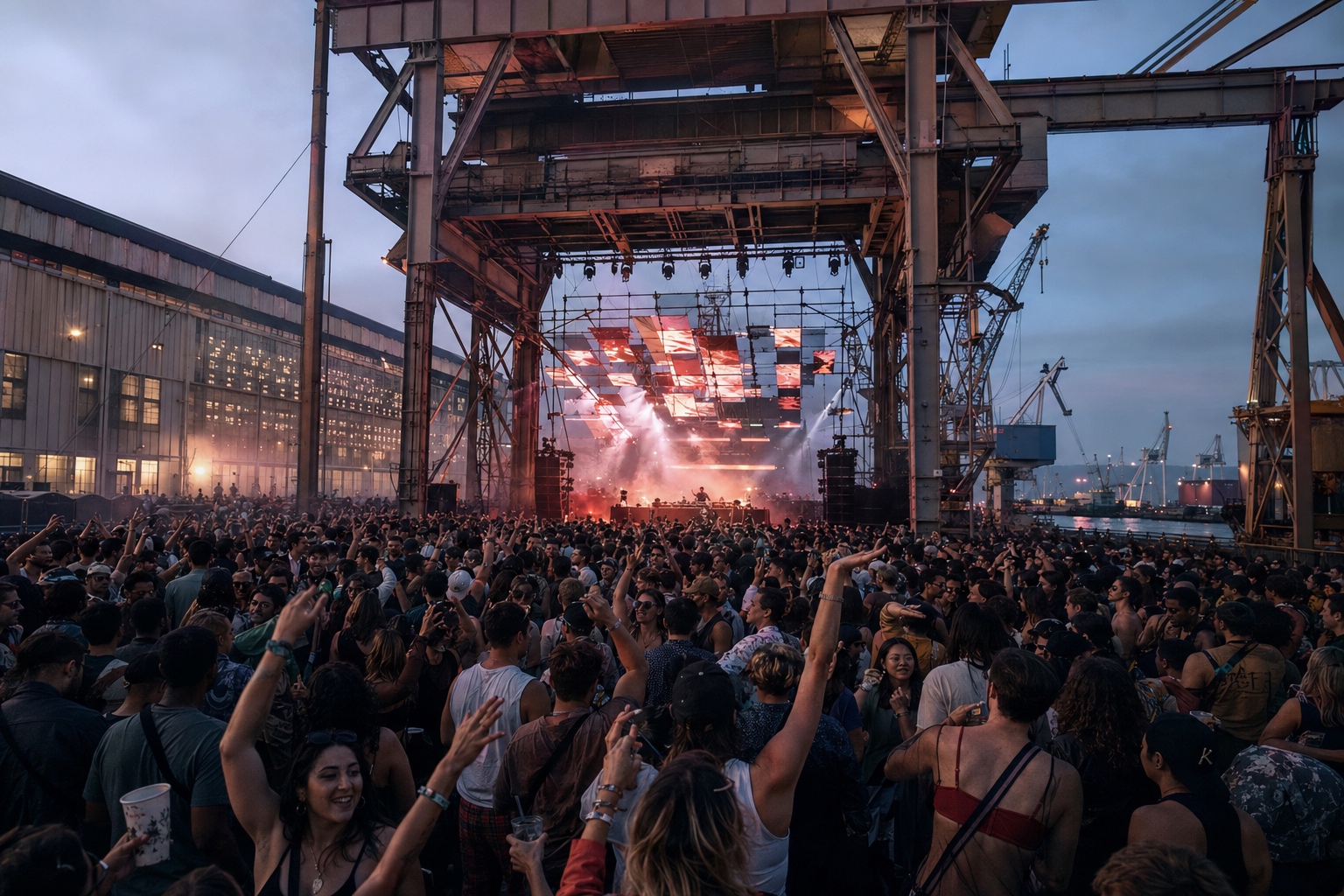
San Francisco’s southeastern waterfront is all cranes, working piers, cold air, and broad industrial space—an austere setting that becomes unexpectedly theatrical when electronic music takes over Pier 80.

Portola Festival moves between open-air stages and cavernous warehouse rooms, letting visitors trade skyline light and bay wind for concentrated sound, strobes, and bodies moving under a roof. The contrast defines the event. This is not the city’s psychedelic park tradition or a downtown club crawl; it feels harder edged, later, and deliberately tied to a part of the waterfront many travelers would otherwise never enter. Afternoons begin with room to explore, then the site tightens as darkness, headliners, and indoor sets overlap.

The destination remains audible in foghorn atmosphere, transit logistics, and the shock of stepping from a warm crowd into the cold night beside the bay.

Why This Festival Is Special

Pier 80 gives Portola a tension other electronic festivals rarely reproduce. One performance opens beneath cranes, bay light, and hard waterfront wind; the next closes around the audience inside a warehouse where sound and heat change the body.

The lineup matters, but this continual environmental switch gives the weekend its identity. San Francisco is not scenery around the music—it determines how every transition feels.

Festival Experience

What to Expect

The afternoon begins in open light, with enough space to explore Pier 80 and compare the warehouse rooms with the outdoor stages. As the sun lowers, wind sharpens along the bay and crowds shift toward major electronic and dance sets. Inside, heat and sound build quickly; outside, the body cools between performances.

The final hours demand choices rather than constant movement, followed by a concentrated walk toward transit and pickup areas after closing.

Festival Highlights

  • Late-afternoon electronic sets framed by Pier 80’s cranes, warehouses, and open sky.
  • The physical shift from cold waterfront air to dense sound inside the warehouse stages.
  • Nightfall changing the industrial pier from stark event site to illuminated dance landscape.
  • Lineup discoveries found by entering a room before its largest audience gathers.
  • Bay-facing breaks that reset the senses between high-volume performances.
  • A closing run of sets that places contemporary club culture inside a working waterfront district.

Getting There & Around

Where It Happens

Pier 80 sits on the southeastern industrial waterfront, beyond the hills and postcard streets most visitors associate with San Francisco.

Outdoor stages occupy broad paved areas exposed to bay wind, while warehouse rooms create darker, warmer, more compressed environments. Food, water, lockers, and circulation routes lie between those two stage worlds. Learning that geography early matters because a short-looking move can slow when a popular indoor set draws a queue.

Getting Around

Use festival transit, public transportation, shuttles, or a designated pickup plan; Pier 80 is not a place to improvise a late departure.

Arrive before the largest wave and note the route back to the exit while daylight remains. Rideshare demand surges after closing, so walking to an authorized pickup zone or waiting for the first crush to ease can be calmer.

Do not rely on street parking near the pier.

Visitor Guide

Festival Food & Drink

A long Portola day needs food that can survive schedule pressure and cold wind. Eat a proper meal before entering, then use festival vendors for one substantial plate and a smaller late snack instead of grazing through every set. The broader city offers far more than concessions: the Mission, Dogpatch, and neighborhoods along the route bring Mexican, Filipino, Chinese, and California cooking into reach before or after the gates. Alcohol and warehouse heat can disguise dehydration, so alternate drinks with water and do not wait until the final headliner to eat.

Must Try
• Mission burrito — An oversized flour tortilla filled with rice, beans, meat, salsa, cheese, and often sour cream.
• Garlic noodles — Springy noodles coated in butter, garlic, and savory seasoning, associated with local Vietnamese American cooking.
• Sisig — Chopped seasoned pork served sizzling or in a rice plate, reflecting the region’s Filipino food culture.
• Dungeness crab — Sweet Pacific crab served cracked, in noodles, or in a sandwich when in season.
• Local craft beer — A Bay Area brew chosen for flavor and enjoyed with food rather than as constant festival fuel.

Budget & Costs

Tickets and San Francisco lodging form the largest costs, followed by transport after closing, food, and drinks inside Pier 80. A room near transit in the Mission, Dogpatch, or another connected district can be more valuable than a nominally cheaper bed requiring repeated rideshares.

Eat before entry, use public transport for at least one direction, and reserve paid car travel for the part of the night when it genuinely reduces risk or fatigue.

Tips for First-Time Visitors

Treat clothing as part of the route: a light layer may feel unnecessary inside a warehouse but essential seconds after returning to the waterfront. Enter before the late-afternoon surge and learn which rooms develop queues.

Select a few priority artists, then leave enough flexibility for sound spilling from an unexpected stage. At closing, follow the published transport flow patiently instead of walking blindly toward the first cluster of waiting cars.

Safety

Pier 80 creates specific pressures: cold wind outside, heat and density inside warehouse rooms, limited exit flow after major sets, and heavy demand around closing transport.

Keep water in the day even when the air feels cool, step away before crowd compression becomes uncomfortable, and use hearing protection near powerful systems.

Agree on a meeting point because mobile service and movement can become unreliable during the busiest transitions.

Cultural Significance

Portola connects contemporary electronic programming to a working waterfront rather than the city’s familiar postcard spaces. Its warehouses recall the scale and physicality of rave culture while a major licensed event brings that energy into public view.

The festival also broadens how visitors imagine San Francisco nightlife: not only clubs, counterculture history, or park concerts, but a younger dance audience occupying industrial ground at the bay’s edge.

Plan Your Journey

When to Go

Arrive during the first part of the daily program to learn the distance and temperature change between outdoor and warehouse stages. The central evening stretch carries the greatest lineup conflicts and crowd pressure, while earlier sets leave more room for discovery.

Plan for both festival days if the program is broad; a single evening can feel rushed once entry, food, and stage movement are included.

Where to Stay

Dogpatch and Mission Bay offer the shortest trip to Pier 80, though room choice is limited. The Mission provides more food, nightlife, and transit options while keeping the southeastern waterfront accessible.

Downtown can work for visitors combining the festival with a wider city stay, but late transport requires planning. Choose a base near a direct transit route rather than judging convenience by mileage alone.

Bottom Line & Key Days

Bottom Line

Portola’s defining moment comes when warehouse heat gives way to bay wind and the next bass line is already traveling across the pier.

San Francisco feels less polished here—more industrial, nocturnal, and physically alive. For travelers who want electronic music in a setting with real friction and distinctive character, Pier 80 provides a compelling reason to experience the city beyond its familiar hills and landmarks.

Key Days

Waterfront Orientation

Reach Pier 80 early, learn the warehouse entrances, and notice which outdoor routes will feel colder after sunset.

Opening Sets

Use the lighter afternoon crowd to compare stages and hear an artist outside the original plan.

Warehouse Shift

Move indoors before the largest queue forms, carrying water and the layer needed when you step back outside.

Night Peak

Commit to priority performances rather than crossing the pier repeatedly as headline audiences tighten.

Bayfront Exit

Follow the designated transport route, let the first pickup surge ease, and keep warm during the wait.

Ready to Experience Portola Festival?

You've explored what makes this festival special. Now it's time to plan your trip. Compare flights, book your hotel, arrange transportation, and take care of your travel essentials—all in one place.

✈ Find Flights

Loading booking widget...

Booking is completed on Expedia in a new tab.

🏨 Find Hotels

Search places to stay

Powered by Booking.com

Booking is completed on Booking.com in a new tab.

Rail & Bus Travel

Compare train and coach routes for the journey.

Compare Routes

Things to Do

Discover tours and attractions before or after the festival.

Explore Experiences

eSIM Mobile Data

Stay connected abroad without traditional roaming charges.

Get an Airalo eSIM

Travel bookings are provided by our trusted partners. We may earn a commission when you book through these links, at no additional cost to you.

Independent Editorial Standards

Every Follow the Festivals guide is independently researched and regularly reviewed using official festival information, destination resources, and trusted travel references. We also welcome verified updates from festival organizers, destination marketing organizations, tourism partners, and local experts to help keep our guides accurate, current, and useful for travelers.

Represent this festival or have a verified update to share? We'd love to hear from you through our contact page.