
Follow the Festivals

Qinhuai Lantern Festival

Qinhuai Lantern Festival

Nanjing, China

2027-03-03 - 2027-03-05

The Story

Festival Overview

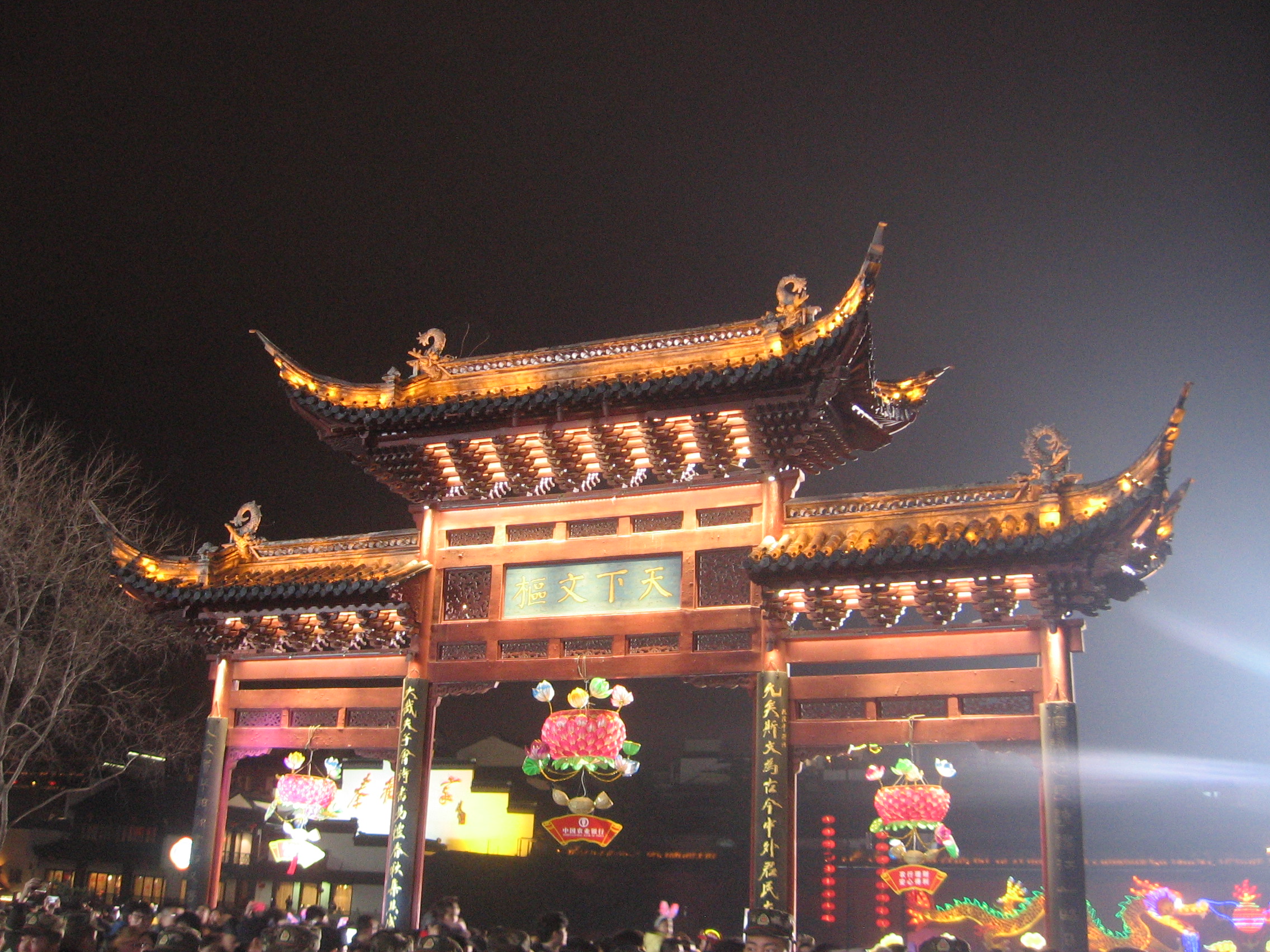
Nanjing's Qinhuai River curves through a historic district of bridges, temple roofs, merchant streets, painted boats, and waterside architecture long associated with literature and urban leisure. During the Lantern Festival season, elaborate illuminated scenes transform that setting into a moving gallery of Chinese mythology, zodiac imagery, local history, flowers, animals, and contemporary design. Reflections double the color on the river while crowds circulate around the Confucius Temple district and nearby lanes. The spectacle belongs to the close of Lunar New Year celebrations, when lantern viewing, riddles, sweets, and family outings carry wishes for reunion and good fortune. What distinguishes Qinhuai is not light alone but the marriage of craft with a historic water city. The destination supplies narrative depth to every installation, allowing the festival to feel inherited rather than temporarily staged.

Why This Festival Is Special

Many lantern festivals create impressive illuminated parks, but Qinhuai places the art inside a historic water district whose bridges, temple roofs, merchant lanes, and literary associations already carry narrative. Reflections make the river an active visual surface, while tangyuan, riddles, and family outings preserve the holiday's social meaning. Travelers choose Nanjing because lantern craft and destination are inseparable: the city does not merely host the light; its history gives the light something specific to reveal.

Festival Experience

What to Expect

Late afternoon begins with families arriving, vendors preparing snacks, and lantern forms visible before illumination. At dusk, individual scenes become legible and the river starts reflecting whole sequences of color. Later hours bring dense, slow pedestrian flow, photography stops, lantern riddles, temple activity, food aromas, announcements, and controlled crossings. Expect limited personal space and long waits at the most famous viewpoints. The strongest visit alternates broad river panoramas with close attention to painting, framework, symbolism, and the stories represented in each lantern group.

Festival Highlights

  • Qinhuai River Reflections — Lantern scenes double across dark water beneath historic bridges.
  • Confucius Temple District — Temple architecture and merchant streets give the displays cultural and urban context.
  • Large Narrative Lanterns — Myth, zodiac, history, and contemporary themes become illuminated public art.
  • Lantern Riddles — Wordplay and communal problem-solving preserve an intellectual holiday tradition.
  • Waterside Night Walk — A directed route through gates, lanes, bridges, and food streets reveals the district gradually.

Getting There & Around

Where It Happens

The Qinhuai River and Confucius Temple district form the historic core, with lantern displays distributed across pedestrian streets, squares, bridges, temple approaches, and waterside views. Additional installations may extend into nearby gates, parks, or districts. The experience is linear only on a map; crowd controls can create one-way loops and separate entry zones. River reflections are best seen from bridges and open banks, but those points compress quickly. Follow the directed circuit rather than reversing against it.

Getting Around

Metro is the most reliable approach, followed by walking inside the controlled district. Road vehicles slow dramatically once evening closures and pedestrian volumes build. Use a station exit that aligns with the directed route and note a different exit option for departure. River cruises may offer another perspective but should be treated as a separate timed experience. Save the hotel address in Chinese, keep the group together, and never stop on a narrow bridge to organize photographs.

Visitor Guide

Festival Food & Drink

Nanjing's food expresses the Lower Yangtze region through duck, river produce, wheat snacks, and delicate sweets. Yanshui ya, or salted duck, is gently cured and poached so the meat remains fragrant and clean-tasting. Duck-blood vermicelli soup combines silky cubes of duck blood, glass noodles, broth, tofu puffs, and offal into a warming local bowl. Tangyuan are glutinous-rice balls filled with black sesame or peanut, eaten during Lantern Festival as symbols of family unity. Sesame sweets and osmanthus-flavored cakes suit the night walk. Eat before peak crowding or step into a reputable side-street shop, keeping hot soup away from compressed pedestrian lanes.

Must Try
• Yanshui ya — Nanjing salted duck, lightly cured and poached for delicate flavor and tender texture.
• Duck-blood vermicelli soup — Glass noodles, duck blood, tofu puffs, broth, and seasoned duck offal.
• Tangyuan — Glutinous-rice balls with sweet sesame or peanut filling, symbolizing reunion.
• Osmanthus cake — Soft rice-based sweet perfumed with tiny aromatic osmanthus flowers.
• Black sesame candy — Toasted sesame bound into a crisp or chewy festival sweet.

Budget & Costs

Public areas may be accessible at modest cost, while controlled display zones, temple entries, cruises, food, transport, and nearby lodging shape the total. A metro-connected hotel outside the district often offers better value than paying for a room inside the crowd. Choose one ticketed viewpoint or boat experience rather than purchasing every enhancement. Street snacks remain affordable, but a seated meal provides warmth and rest. Keep payments ready without displaying a large wallet in compressed lanes.

Tips for First-Time Visitors

Walk the district once before full darkness so bridge positions, one-way sections, and temple entrances are familiar. Begin with the farthest lantern zone and return toward transit as crowds deepen. Learn the current zodiac theme and several local historical references; the displays become narrative rather than decorative. For photographs, step fully to the side and limit tripod use. Save tangyuan for a seated pause, where its reunion symbolism can be appreciated away from pedestrian pressure.

Safety

Crowd pressure, narrow bridges, river edges, winter cold, slippery paving, and separated groups require care. Follow one-way instructions immediately and move on if a viewpoint stops allowing free movement. Keep children within physical reach and valuables closed in front. Do not climb barriers or lean over railings for photographs. Hot drinks and soup become hazards in dense flow. Establish a reunion point outside the core and leave before the final transit rush if mobility is limited.

Cultural Significance

Lantern viewing closes the Lunar New Year cycle through light, riddles, family gathering, and wishes for harmony and fortune. In Nanjing, the tradition is inseparable from Qinhuai's history as a commercial, literary, and entertainment district. Artisans translate inherited symbols into large contemporary installations, while families revisit a public ritual recognized across generations. The festival matters because it keeps craft and seasonal meaning active within a historic neighborhood rather than relocating them to a neutral exhibition park.

Plan Your Journey

When to Go

Visit on a weekday evening within the broader lantern season if possible; the final holiday climax carries the greatest symbolic energy and the hardest crowding. Arrive before dusk to understand bridges, river edges, and temple streets in natural light, then remain as lanterns gradually take command. One evening is visually powerful, but a second quieter visit reveals craft missed in the main flow. Winter can be damp and cold, so dress for slow outdoor walking and long controlled entries.

Where to Stay

The Confucius Temple and Qinhuai district provide immediate atmosphere but also the densest noise and access controls. Xinjiekou offers central hotels, metro connections, and a cleaner separation between sightseeing and the evening crowd. A property near a direct metro line is more resilient than one requiring road transport through closures. Choose late reception and a route that does not cross the busiest river bridges. Staying slightly outside the core can improve sleep without weakening access.

Bottom Line & Key Days

Bottom Line

As lantern colors move across the Qinhuai River, mythology, family ritual, urban history, and contemporary craft appear in the same reflection. The display is beautiful, but its lasting force comes from understanding why these lights gather here at the close of the New Year season. Nanjing offers a night when a historic district becomes both gallery and communal memory, and when one bowl of tangyuan or solved riddle carries as much meaning as the largest illuminated scene.

Key Days

Arrival

Settle near a direct metro line, walk Qinhuai in daylight, and learn the directed evening circuit.

Opening Light

Reach the farthest display before dusk and watch individual lantern groups gain color and meaning.

Festival Evening

Follow the river route slowly, pairing bridge reflections with close study of craft and symbolism.

Reunion Pause

Step into a seated shop for tangyuan, riddles, and warmth away from the main pedestrian current.

Closing

Leave through the planned station before the final surge and return once more to the river from a quieter edge.

Ready to Experience Qinhuai Lantern Festival?

You've explored what makes this festival special. Now it's time to plan your trip. Compare flights, book your hotel, arrange transportation, and take care of your travel essentials—all in one place.

✈ Find Flights

Loading booking widget...

Booking is completed on Expedia in a new tab.

🏨 Find Hotels

Search places to stay

Powered by Booking.com

Booking is completed on Booking.com in a new tab.

Rail & Bus Travel

Compare train and coach routes for the journey.

Compare Routes

Things to Do

Discover tours and attractions before or after the festival.

Explore Experiences

eSIM Mobile Data

Stay connected abroad without traditional roaming charges.

Get an Airalo eSIM

Travel bookings are provided by our trusted partners. We may earn a commission when you book through these links, at no additional cost to you.

Independent Editorial Standards

Every Follow the Festivals guide is independently researched and regularly reviewed using official festival information, destination resources, and trusted travel references. We also welcome verified updates from festival organizers, destination marketing organizations, tourism partners, and local experts to help keep our guides accurate, current, and useful for travelers.

Represent this festival or have a verified update to share? We'd love to hear from you through our contact page.