
Follow the Festivals

The Town São Paulo

The Town São Paulo

São Paulo, Brazil

2027-09-04 - 2027-09-12

The Story

Festival Overview

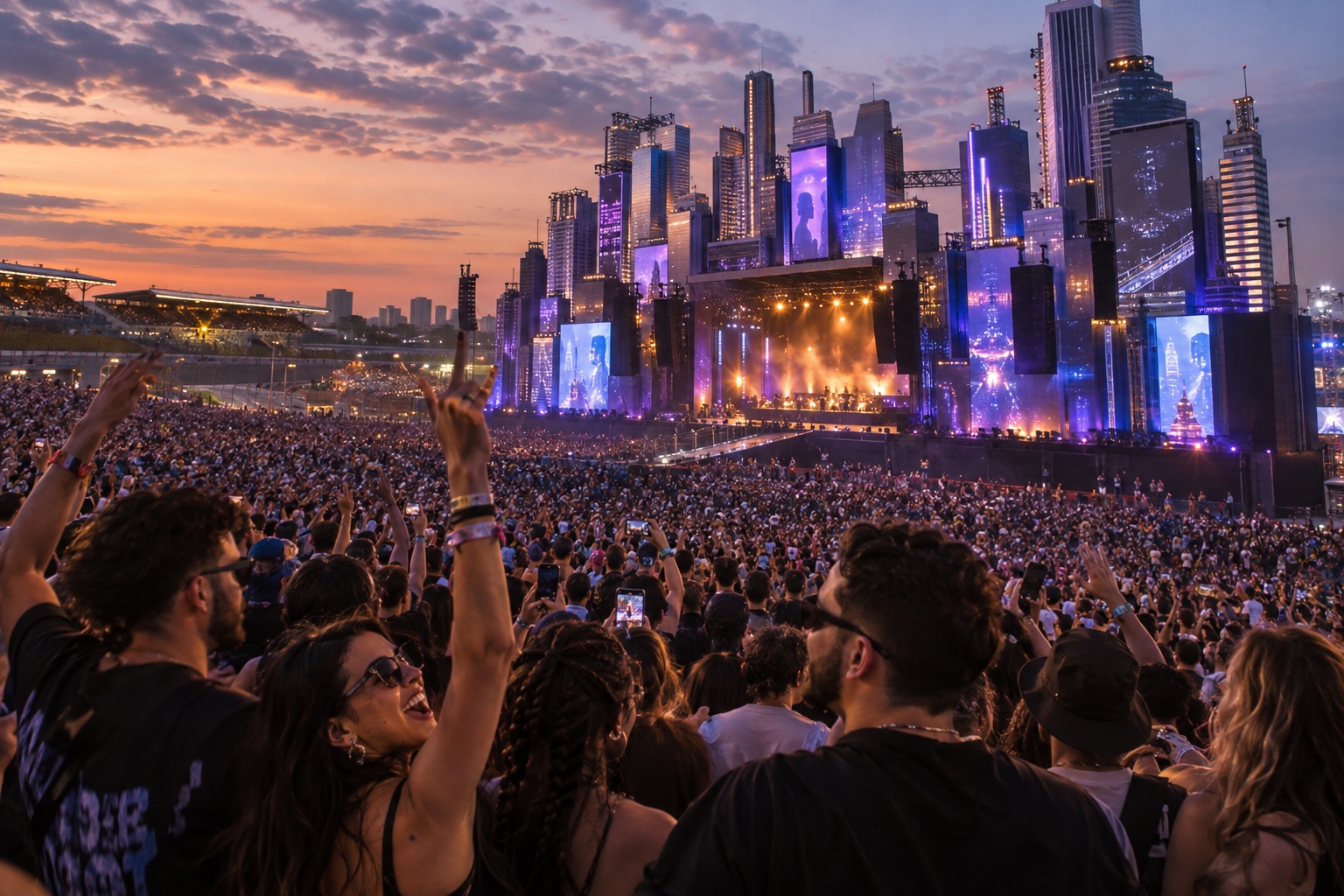
A train unloads into the southern edge of São Paulo, and the crowd begins walking toward Interlagos as if the city has developed a new current. Football shirts, glitter, band merchandise and carefully negotiated meeting plans all move in the same direction. The Town begins before its gates, in the collective transfer from an immense metropolis into a temporary City of Music.

Inside the racetrack, the event combines headline concerts with Brazilian music, dance, visual production and spaces designed around different neighborhoods of São Paulo’s cultural imagination. Scale is part of the appeal, but it also imposes a choice: no visitor can cross every stage, see every attraction and retain the pleasure of being there.

The strongest day therefore has a center of gravity. One headliner, one smaller-stage discovery and one period left unclaimed give the festival enough structure without turning it into a forced march. São Paulo supplies the energy; the traveler’s real skill is deciding where that energy deserves attention.

Why This Festival Is Special

The Town turns São Paulo’s scale from an obstacle into subject matter. The racetrack is enormous because the city feels enormous; the movement between musical worlds echoes the movement between its neighborhoods. Few festivals make urban magnitude so physically legible. Its strongest distinction appears when Brazilian programming and local stage concepts stop behaving like supporting material. A crowd discovering a new voice at Factory, a communal response at Palco Quebrada or an orchestral turn in São Paulo Square can explain the host city more convincingly than the largest imported production. Those encounters give the festival a memory unavailable elsewhere.

The event remains deliberately spectacular, but spectacle alone is easy to reproduce. What cannot be copied is the São Paulo audience: impatient, affectionate, loud, knowledgeable and ready to transform a familiar song into a public possession. That exchange gives the engineered City of Music a living civic character.

Festival Experience

What to Expect

Expect a long day built from waves. Early hours allow room to understand the grounds, visit installations and hear artists without the pressure surrounding headline sets. As evening approaches, movement becomes strategic: food lines lengthen, viewing areas harden and a casual stage change can cost more time than the map suggests. The musical range is broad, with global names sharing the event with Brazilian artists and stage concepts devoted to particular sounds or city identities. Production is deliberately spectacular, yet some of the most memorable moments happen away from the largest screen: a dance set in a smaller space, a singer meeting an audience that knows every word, or the brief silence before a field erupts.

Accept that trade-offs are permanent. Standing deep in one crowd may eliminate the next performance. Leaving early may gain a better position elsewhere but cut short the emotional peak already underway. A good plan creates priorities; a good festival day knows when to abandon the plan because the present stage has earned another song.

Festival Highlights

  • Skyline – The principal stage delivers the largest productions and broadest communal moments. Enter its field with a clear viewing objective because leaving after a major set can take longer than expected.
  • The One – A more focused stage often rewards listeners who want musical depth and closer audience energy. Study its sequence as a complete program, not only as a place to wait for the headliner.
  • São Paulo Square – Big-band, jazz and city-centered programming can provide a striking change of pace. Its atmosphere shows how the festival builds an idea of São Paulo through sound.
  • Factory – The industrial visual language and rising-artist focus make this area useful for discovery. Give one unfamiliar act a full set before returning to established names.
  • Palco Quebrada – Music rooted in the city’s peripheral cultures brings a necessary geographic voice to the event. Listen for what changes when São Paulo represents itself from beyond the center.
  • The Tower Experience – Choreography, electronic music and large-scale design turn the end of the night into a collective visual event. Confirm its timing before the headline conflict becomes unavoidable.
  • The Cross-Site Walk – Moving between distant zones reveals the festival’s true dimensions. Make one unhurried crossing in daylight so later travel becomes a decision, not a surprise.

Getting There & Around

Where It Happens

The Town occupies a purpose-built City of Music within the Autódromo de Interlagos, a vast motorsport complex in southern São Paulo. The grounds use the circuit’s scale to hold major stages, secondary performance zones, food courts, brand experiences and circulation corridors. Natural slopes, grass and long distances make the venue feel more like a district than a conventional concert field.

That geography changes planning. Two stages that appear adjacent on a map may require a slow crossing once a performance releases thousands of people into the same path. Photograph the current map, identify water and restroom clusters, and select a meeting point that remains recognizable after dark. Do this before the first crowd forms.

The site is separate from central São Paulo’s usual visitor circuit, but the journey reveals the city’s scale. Interlagos is not a neutral container dropped into the metropolis. The arrival, the southern neighborhoods and the mass rail return all become part of how the festival expresses São Paulo.

Getting Around

Rail is usually the backbone of the festival journey. Official event operations have linked metro and metropolitan trains with stations near Interlagos, sometimes supplemented by express services and dedicated buses. The exact scheme can change, so buy only through official channels and read the return instructions as carefully as the outbound plan.

Leave more time than a normal São Paulo trip planner suggests. The station walk, security approach and entrance queues all sit beyond the train ride. On departure, thousands of people reverse the same route, and the emotional urge to leave immediately after a headliner can create the densest pressure. Waiting briefly inside a lit, serviced area may produce a calmer journey if venue rules allow it.

Taxis and ride-hailing vehicles can face road blocks and remote pickup zones around the circuit. Anyone relying on them should locate the authorized point in daylight and expect surge pricing. Groups should agree on the return method before entering; a dead battery at midnight is a poor time to invent transport policy.

Visitor Guide

Festival Food & Drink

Festival food at Interlagos is part sustenance, part time management. Eat a substantial meal before the busiest evening sequence, when abandoning a viewing area becomes costly and queues can consume the gap between performances. Water belongs in the schedule from the first hour, particularly on warm afternoons followed by dense nighttime crowds.

The grounds commonly offer Brazilian snacks, sandwiches, grilled foods, sweets, vegetarian options and sponsor-led dining areas. Use the current map to identify two workable food zones near different stages. A famous stall is rarely worth sacrificing the only performance that brought you across the city.

**Must Try**
• Coxinha – Shredded chicken inside a crisp teardrop-shaped shell, easy to eat while standing.
• Pão de queijo – Warm cheese bread that works as a compact snack between distant stages.
• Pastel – A fried pastry with savory fillings; freshness matters more than an elaborate filling list.
• Espetinho – Grilled meat or vegetables on a skewer, useful when the body needs a real protein break.
• Brigadeiro – A small chocolate sweet that carries unmistakable Brazilian celebration energy.
• Fresh fruit juice – A practical, flavorful counterpoint to a day of salty festival food.

Budget & Costs

The ticket establishes only the first layer of cost. Add official transport, food, drinks, merchandise, possible lockers and the price difference between a convenient base and cheaper accommodation far from the rail corridor. A multi-day visit multiplies these costs quickly, even when each individual purchase feels manageable. Book lodging after comparing the lineup calendar with São Paulo’s broader event demand. Prices may rise near festival dates, but an inexpensive room requiring multiple late transfers can extract its savings in fatigue and ride-hailing fares. Keep a dedicated return reserve that is not touched for food or merchandise.

Inside the grounds, use a daily ceiling. Decide in advance whether the trip’s souvenir will be apparel, food exploration or premium convenience; pursuing all three makes spending invisible. The best budget protects water, a proper meal and a safe journey home before it allows an impulsive purchase made under stage lights.

Tips for First-Time Visitors

Download the official app, save the ticket offline and photograph the map before leaving reliable service. Mark the entrance, medical posts, water, restrooms and the day’s two essential stages. A battery pack, compact waterproof layer and shoes already tested over distance have more value than extra accessories.

Reach the grounds early enough to learn them without urgency. Walk the route between the principal stages, then eat and refill water before the crowd peaks. Set one fixed meeting landmark for the group and define what happens if someone misses a performance; phone messages may lag when the network is busy.

Protect hearing with proper concert earplugs and avoid spending the afternoon at maximum intensity. The day can extend deep into the night, and São Paulo still waits beyond the station. Pace alcohol, keep the return fare separate and allow an unexpected artist to replace one low-priority plan. Flexibility works only after the essential logistics are secure.

Safety

The principal risks are crowd compression, fatigue, dehydration, weather exposure and transport confusion after the final set. Learn the nearest medical and water points on arrival, keep exits visible in dense viewing areas and move before discomfort becomes panic. If a space feels wrong, distance is more valuable than a perfect view.

The circuit includes slopes, grass and extended walking surfaces. Rain can make footing difficult, while daytime sun can drain energy before the evening program. Wear stable shoes, refill water and carry only permitted items. Check current age, bag and accessibility rules directly with the festival.

Keep phones and wallets secured in front-facing storage, especially during stage releases and station approaches. Groups need a reunion point independent of mobile service. Use official transport or authorized pickup areas, and do not accept an improvised ride because the legitimate queue looks slow. A safe return is part of the ticketed experience.

Cultural Significance

The Town was created to celebrate São Paulo through the language of a major international music festival. Its stages and districts do more than organize performers; they construct competing images of the city: global and neighborhood-based, polished and improvised, commercially immense and artistically restless. That ambition matters in a metropolis where cultural life is dispersed across enormous distances. For several days, audiences from different regions and scenes gather inside one shared geography. The encounter can be imperfect and highly branded, yet it still places Brazilian artists in direct conversation with global acts before one of the world’s most expressive music crowds.

The festival is young, so its meaning is still being negotiated. It does not carry inherited ritual in the way an older civic celebration might. Its cultural interest lies in watching São Paulo recognize itself at stadium scale and decide which sounds, neighborhoods and forms of performance belong in the portrait.

Plan Your Journey

When to Go

The Town is generally staged across selected days in early spring, with a pause between its opening and closing run. Each date has its own lineup, so the first decision is musical, not chronological. Wait for the daily program before buying if one performer matters above all, and study the complete bill because smaller stages can change the value of a day.

Weekends draw heavier demand, while an earlier festival day may offer more breathing room around installations and food areas. Weather in São Paulo can move from sun to rain and cooler evening air within one visit. A light waterproof layer and footwear that tolerates grass, slopes and long paved distances matter more than a carefully styled outfit that becomes uncomfortable by night.

Build recovery into a multi-day plan. Interlagos is far from many central neighborhoods, and the return can extend well beyond the final song. A rest day between festival visits is not empty time; it allows the next lineup to feel like a new event instead of the continuation of an exhausting commute.

Where to Stay

Pinheiros, Vila Madalena and the Avenida Paulista corridor work well for travelers who want restaurants, nightlife and conventional sightseeing around the festival. They also connect to rail or metro routes that can feed the journey south. The trade-off is distance: after a headline set, the ride home remains part of the night, and transfers can feel longer once the crowd leaves together. Brooklin, Santo Amaro and districts closer to the southern rail corridor reduce some festival travel while offering less of the classic visitor experience outside event hours. They suit travelers attending several days or anyone who values a shorter return over doorstep nightlife. Verify the actual walk from the property to useful transit; the phrase “near Interlagos” can conceal an inconvenient road pattern.

Do not book solely by straight-line proximity to the racetrack. Road closures, controlled drop-off zones and the size of the site can make a nearby hotel operationally awkward. The best base connects cleanly to the official transport plan and still gives the trip a comfortable morning life.

Bottom Line & Key Days

Bottom Line

Late at night, the field empties in sections. A stage that seemed to contain the whole city becomes steel, light and distance again, while thousands of people begin the long walk toward trains and buses. The return is tiring, but it clarifies what happened: São Paulo did not disappear inside a festival. It expanded through it.

The Town is worth traveling for when the visitor accepts its central bargain. You will miss excellent performances, walk farther than expected and revise the schedule in real time. In exchange, one carefully chosen day can hold global spectacle, Brazilian discovery and a crowd capable of making both feel immediate.

Success is not measured by stages collected. It is the moment when a planned headliner, an accidental smaller set and the shared journey home become one coherent memory of the city. The festival supplies abundance; the traveler gives that abundance a shape.

Key Days

• Opening Festival Day – The grounds feel newest and early exploration carries less accumulated fatigue. Learn the site before the first major evening conflict.
• First Headline Night – A principal stage draws maximum attention and reveals the true departure pressure. Keep the return route fixed before entering the crowd.
• Weekday or Lower-Demand Day – Circulation can be easier and secondary spaces receive more attention. Use the breathing room for discovery and installations.
• Closing Run – Later dates often carry stronger anticipation and heavier demand. Maintain recovery time between visits if attending more than once.
• Brazilian-Focused Program – Local artists and city-themed stages bring the festival’s identity into focus. Give this material the same planning weight as global names.
• Final Festival Night – Last performances create urgency and emotional release. Revisit the stage that defined the trip, then leave enough energy for Interlagos after midnight.

Ready to Experience The Town São Paulo?

You've explored what makes this festival special. Now it's time to plan your trip. Compare flights, book your hotel, arrange transportation, and take care of your travel essentials—all in one place.

✈ Find Flights

Loading booking widget...

Booking is completed on Expedia in a new tab.

🏨 Find Hotels

Search places to stay

Powered by Booking.com

Booking is completed on Booking.com in a new tab.

Rail & Bus Travel

Compare train and coach routes for the journey.

Compare Routes

Things to Do

Discover tours and attractions before or after the festival.

Explore Experiences

eSIM Mobile Data

Stay connected abroad without traditional roaming charges.

Get an Airalo eSIM

Travel bookings are provided by our trusted partners. We may earn a commission when you book through these links, at no additional cost to you.

Independent Editorial Standards

Every Follow the Festivals guide is independently researched and regularly reviewed using official festival information, destination resources, and trusted travel references. We also welcome verified updates from festival organizers, destination marketing organizations, tourism partners, and local experts to help keep our guides accurate, current, and useful for travelers.

Represent this festival or have a verified update to share? We'd love to hear from you through our contact page.