
Follow the Festivals

Mostra Internacional de Cinema em São Paulo

Mostra Internacional de Cinema em São Paulo

São Paulo, Brazil

2026-10-15 - 2026-10-29

The Story

Festival Overview

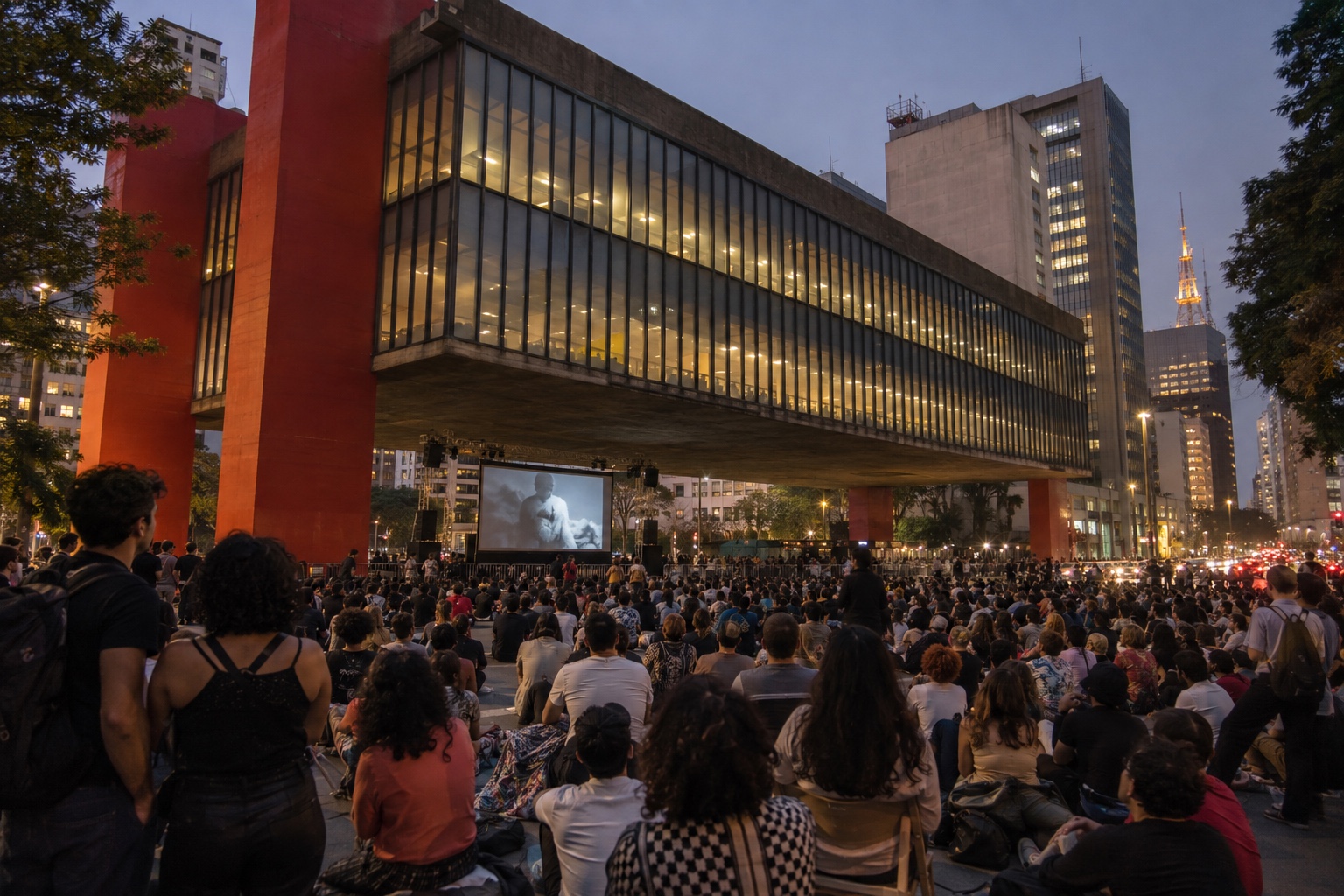
A viewer leaves one cinema into São Paulo traffic, checks the next screening across town and realizes that the festival is not located in the city so much as threaded through it. For two weeks, the Mostra turns moviegoing into urban navigation. Hundreds of films, many venues and audiences with strong opinions create a temporary map drawn by projection times.

The program surveys contemporary world cinema while giving Brazilian work, new directors, retrospectives and special presentations meaningful space. Its scale is liberating only after selection. No one can master the catalogue, and an attempt to do so usually replaces attention with logistics.

The productive approach is a personal route: one New Directors discovery, one Brazilian film, one title from an unfamiliar national cinema and one work whose venue or historical context changes the experience. São Paulo then becomes part of the curation, carrying the viewer between images, neighborhoods and conversations.

Why This Festival Is Special

The Mostra makes cinephilia feel like a way of moving through São Paulo. A film is never only its images; it is also the metro ride, the building, the queue argument and the neighborhood encountered after leaving. The city continually edits the program.

Its enormous catalogue could become anonymous, yet the emphasis on new directors and audience response restores human stakes. A first feature shown far from its country of origin can find advocates in one São Paulo room and enter the festival’s long memory.

The event also carries the moral inheritance of showing films when international access and free expression were constrained. That history survives whenever an unfamiliar work reaches a curious public. The Mostra is special because abundance is not merely consumption. Properly approached, it is freedom practiced through selection. Each thoughtful choice renews the institution’s oldest promise.

Festival Experience

What to Expect

Expect abundance without a single dominant mood. Award contenders, radical experiments, restored classics, documentaries, Brazilian premieres and first features may run simultaneously. The catalogue can feel like a wall until the viewer begins following countries, filmmakers, themes or sections and stops chasing every title already discussed internationally.

Audience behavior is part of the festival. Viewers vote, compare discoveries in queues and warn one another about demanding work. A weak response at one screening does not settle a film’s value, but the conversation reveals how São Paulo receives cinema as a public argument.

Operational variation is unavoidable across many venues. Seating, accessibility, concession service, late-entry rules and ticket procedures can differ. Arrive early, verify the room and carry the reservation offline. Between films, protect enough time to eat and think. The Mostra becomes memorable through relationships among films, not through the highest possible daily count.

Festival Highlights

  • New Directors Competition – First and second features reveal filmmakers before consensus forms around them. Use audience notes as orientation, then take one genuine risk.
  • Brazilian Cinema – National fiction and documentary place the host country inside the world program. Select across region, form and generation because Brazil cannot be treated as one category.
  • International Perspective – Established and emerging filmmakers build an immense cross-border survey. Follow one theme through several countries to keep the section human in scale.
  • Retrospective – A focused body of work slows the festival and rewards comparison. Two films by the same director often produce more insight than two unrelated premieres.
  • Cinemateca Screening – Projection within Brazil’s film-preservation institution adds historical weight. Arrive early enough to experience the site and understand the program context.
  • Audience Vote – Public response helps shape recognition, especially for new directors. Vote thoughtfully after the credits, not according to the excitement of simply attending.
  • Live-Music or Restored Presentation – Special screenings can make cinema history physically present through performance or renewed image quality. These events justify building an entire evening around one film.
  • The Queue Conversation – São Paulo cinephiles exchange recommendations with speed and conviction. Ask what surprised someone, then follow one answer into the next day’s schedule.

Getting There & Around

Where It Happens

The Mostra occupies cinemas, cultural centers, museums, SESC units, public circuits and occasional outdoor or special-event spaces across São Paulo. The exact network changes, making the official venue list an essential planning document. A commercial multiplex, an art-house room, the Cinemateca and a neighborhood cultural center each create a different relationship with the same festival.

This distribution extends access and lets films meet distinct audiences. It also makes geography decisive. A venue name without its district, nearest station and room number is incomplete information. Save those details beside every selected screening and confirm whether ticket collection occurs at the site.

Some locations deserve time beyond the film. The Cinemateca connects a screening to Brazil’s moving-image heritage; an older central cinema may carry its own history; a SESC unit may offer exhibitions or food that support a full afternoon. Let at least one venue become a destination with meaning beyond the chair reached just before darkness.

Getting Around

The metro is the festival’s primary planning instrument. Before choosing a screening, identify the nearest station, transfer count, final walk and realistic door-to-seat time. São Paulo distances punish optimistic estimates. Two venues may look close in the catalogue while requiring a complex journey through traffic or multiple lines.

Build days by corridor. A Paulista cluster, a central-city cluster or a western route allows more cinema and less stress than an itinerary assembled only by ideal showtimes. Keep at least forty-five minutes beyond the calculated journey when a ticket is scarce, rain is possible or the venue is unfamiliar. Time inside a station is not recovery time.

Buses can solve gaps, and ride-hailing is useful late at night, but road congestion makes cars unreliable for tight transfers. After a late screening, wait inside the venue while confirming the authorized pickup and check the plate before entering. Save the hotel and venue addresses offline.

Walking works best within districts, not between them. São Paulo’s slopes, crossings and sudden rain alter pace. The finest daily plan often contains only two geographic moves: outward to a cinema cluster, then home. That discipline leaves the mind available for the films.

Visitor Guide

Festival Food & Drink

The citywide format makes food a routing decision. Eat near the next venue, not the one just left, so a delayed meal does not turn into a missed opening scene. São Paulo offers extraordinary range, but the festival is not the moment to cross town for a famous restaurant between fixed screenings.

Use lunch for a complete meal and keep evening gaps flexible. Mall cinemas and cultural centers may offer predictable options, while central and neighborhood venues can lead toward bakeries, cafés and bars with more character. Confirm closing times after late films.

**Must Try**
• Pão de queijo – Warm cheese bread that works as a compact breakfast or queue snack.
• Pastel – Crisp fried pastry with savory fillings, especially satisfying with sugarcane juice.
• Coxinha – Shredded chicken inside a fried shell, portable when the schedule becomes tight.
• Prato feito – A straightforward plate of rice, beans, protein and salad that sustains a long film day.
• Pizza paulistana – Thin, generously topped and central to the city’s late-evening dining culture.
• Japanese Brazilian food – Liberdade and wider São Paulo reflect one of the world’s largest Japanese diasporas through ramen, sushi and everyday dishes.

Budget & Costs

Ticket prices and packages vary by edition, venue and access type, with free or lower-cost programs sometimes distributed across the city. Wait for official sales details before deciding whether a pass matches the itinerary. A package loses value when distances make its theoretical screening count impossible.

Transport remains relatively manageable when the metro carries most journeys, but late ride-hailing, meals and two weeks of city accommodation can exceed ticket spending. Book a transit-friendly base and group screenings geographically to control both money and fatigue.

Reserve a small discovery fund for a film recommended during the festival, plus one special presentation that carries live music, restoration or a meaningful venue. Spend less on daily quantity. The essential budget decision is time: another night in São Paulo may create more value than premium access compressed into a weekend. Include airport transfers and a late return in the contingency total.

Tips for First-Time Visitors

Begin with sections, not a ranked list of anticipated hits. Select one New Directors title, one Brazilian film, one retrospective work and one discovery from a country whose cinema is unfamiliar. Then map them. If the route fails, change the film before buying; geography is part of responsible curation.

Save ticket confirmations, venue addresses, runtime and subtitle language in one offline note. Arrive early at any unknown building and confirm the precise room. Carry a light rain layer, battery pack and water, while respecting each cinema’s rules. Avoid a heavy meal immediately before a long or formally demanding film.

Leave one slot open every few days. Word of mouth moves quickly, additional screenings may appear and fatigue can make rest the intelligent selection. Write a sentence after each film before reading reviews. By the end, those private notes reveal a festival shaped by attention, with hype occupying only its proper place.

Safety

The principal risks arise between venues: phone distraction near traffic, crowded transit, late-night pickups and unfamiliar blocks around a cinema. Save routes before stepping outside, keep valuables controlled and wait in a lit staffed place while confirming a car. Ask venue personnel about the safest exit toward transit after late sessions. Heavy rain can flood streets and slow every mode. Carry a compact waterproof layer and abandon a transfer when conditions make it unreasonable. Missing one film is preferable to rushing across the city with poor information.

Inside cinemas, long sedentary days create fatigue, dehydration and reduced attention. Eat, move and rest between screenings. Check content guidance where available, and choose aisle seating when a work’s duration or intensity may require an exit. Safety includes protecting the judgment needed to navigate São Paulo after the credits. Never let a ticket’s scarcity overrule conditions that make the journey unsafe.

Cultural Significance

The Mostra began under dictatorship as an international window and an assertion of cinematic freedom. Its early history included films that challenged censorship and expanded what Brazilian audiences could see. That origin gives the event a seriousness beyond seasonal prestige: access to world cinema was once an explicit political act.

Across decades, the festival helped introduce filmmakers, movements and national cinemas to Brazil while sustaining public curiosity at enormous scale. Its audience awards and support for new directors make viewers active participants in recognition. Brazilian films also enter a comparative field where local questions can meet international forms.

The citywide structure reinforces that mission. Cinema is not confined to one elite precinct; it circulates through institutions, neighborhoods and public programs. The network is imperfect and access remains unequal, but the Mostra continues to argue that cinephilia belongs to São Paulo’s civic culture.

Plan Your Journey

When to Go

The Mostra generally unfolds across two weeks in spring, allowing either a concentrated opening weekend or a slower stay that reaches the final audience conversation. The first days offer maximum choice and premieres; the middle period benefits from reviews and word of mouth; later screenings can rescue titles missed during early conflicts. Wait for the complete schedule before finalizing accommodation or daily plans.

A film may screen more than once in different districts, and the second option can be far easier even if its time looks less attractive. Weekday afternoons may bring calmer houses, while evening and weekend sessions create the liveliest atmosphere and fastest sellouts.

São Paulo weather can shift between warmth and heavy rain. Build buffers around outdoor travel and never place a scarce ticket immediately after a cross-city transfer. A longer visit is valuable because it reduces daily compression. Film fatigue is real: the work deserves an awake viewer, not a person collecting titles.

Where to Stay

The Avenida Paulista and Consolação corridor offers strong metro access, restaurants and proximity to several cultural institutions. It is the safest all-purpose base for a first Mostra because routes can branch toward central, western and southern venues without beginning from the city’s edge.

Pinheiros and Vila Madalena suit travelers who want nightlife, cafés and easier access to western districts, though some historic-center screenings require a longer trip. República and the central area can place important cinemas and architecture nearby, but block-by-block nighttime conditions deserve careful research and a clear return plan.

Choose the base after plotting likely venues from the current edition. Straight-line centrality is less useful than access to multiple metro lines. A hotel beside one station can outperform a more fashionable address reached by steep walks or buses. Preserve one nearby cinema as the fallback for a tired or rain-affected evening.

Bottom Line & Key Days

Bottom Line

Near midnight, viewers emerge from different cinemas carrying separate worlds into the same São Paulo streets. One has seen a restored classic, another a Brazilian documentary, another a first feature that may never return to local screens. The city briefly becomes a conversation among films that do not know one another. The Mostra rewards disciplined curiosity. Build routes that respect geography, leave time for meals and thought, and allow one audience recommendation to alter the plan. A perfect schedule assembled before arrival is less valuable than a responsive one shaped by what the festival teaches.

The final measure is not the number of screenings. It is whether the viewer leaves with a new filmmaker to follow, a Brazilian story understood differently and a map of São Paulo changed by cinema. The festival ends; those routes remain available in memory, ready to reopen when the next film reaches the city.

Key Days

• Opening Period – Premieres and maximum catalogue choice create excitement and pressure. Test the transport system before attempting a difficult double feature.
• First New Directors Sessions – Early audience response begins shaping the competition. Take one chance before reviews settle around favorites.
• Brazilian Cinema Day – National films place São Paulo audiences in direct conversation with the country’s filmmakers. Stay for discussion when offered.
• Retrospective Focus – Repeated viewing turns a director’s work into an argument across time. Keep both films in the same geographic cluster if possible.
• Cinemateca Visit – Preservation, architecture and screening context justify a slower festival day. Explore the site before the program begins.
• Audience-Vote Period – Public judgment carries real consequence for competing work. Vote carefully and exchange recommendations without forcing consensus.
• Closing Period – Awards and repeat screenings help recover missed discoveries. Select the film that completes the personal arc, not the most convenient remaining title.

Ready to Experience Mostra Internacional de Cinema em São Paulo?

You've explored what makes this festival special. Now it's time to plan your trip. Compare flights, book your hotel, arrange transportation, and take care of your travel essentials—all in one place.

✈ Find Flights

Loading booking widget...

Booking is completed on Expedia in a new tab.

🏨 Find Hotels

Search places to stay

Powered by Booking.com

Booking is completed on Booking.com in a new tab.

Rail & Bus Travel

Compare train and coach routes for the journey.

Compare Routes

Things to Do

Discover tours and attractions before or after the festival.

Explore Experiences

eSIM Mobile Data

Stay connected abroad without traditional roaming charges.

Get an Airalo eSIM

Travel bookings are provided by our trusted partners. We may earn a commission when you book through these links, at no additional cost to you.

Independent Editorial Standards

Every Follow the Festivals guide is independently researched and regularly reviewed using official festival information, destination resources, and trusted travel references. We also welcome verified updates from festival organizers, destination marketing organizations, tourism partners, and local experts to help keep our guides accurate, current, and useful for travelers.

Represent this festival or have a verified update to share? We'd love to hear from you through our contact page.