
Follow the Festivals

Toronto International Film Festival

Toronto International Film Festival

Toronto, Canada

2027-09-09 - 2027-09-19

The Story

Festival Overview

The film has already been completed.

Every scene has been chosen. The final cut has been approved. The music reaches the exact frame intended by its composer, and the last credit rises through a darkness its creators have imagined many times.

What nobody knows is how the room will respond.

The Toronto International Film Festival, widely known as TIFF, is one of the world’s most influential public film festivals. Held across cinemas and performance venues in downtown Toronto, it presents international premieres, Canadian films, documentaries, shorts, experimental work, major studio releases and discoveries from filmmakers whose names may still be unfamiliar.

TIFF began in 1976 as the Festival of Festivals, bringing notable selections from other international events to Toronto. It has since become a place where films begin public lives of their own. Industry professionals arrive to acquire, distribute and discuss them. Journalists begin shaping their reception. Filmmakers meet audiences that were absent while the work was being made.

Those audiences matter here.

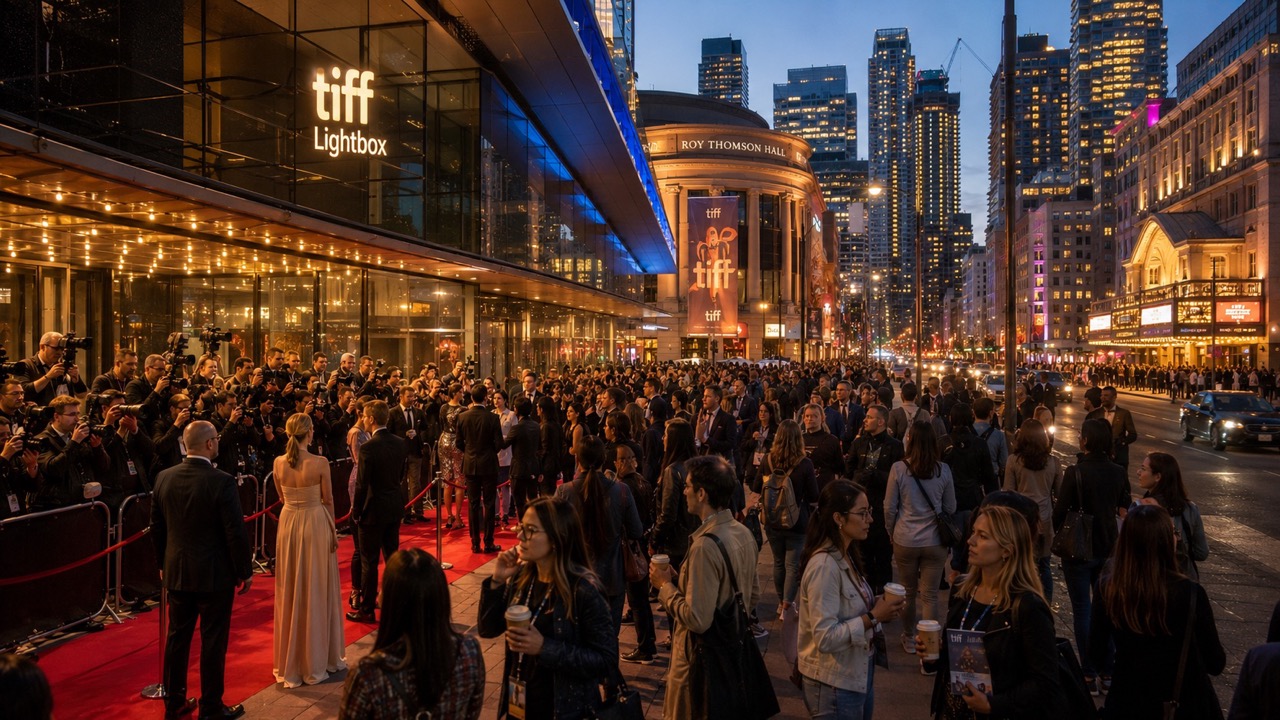
A premiere may bring actors onto a red carpet, but the encounter inside the cinema is harder to control. Laughter arrives where it was hoped for—or somewhere else entirely. A difficult scene leaves the room silent. The first question after the screening reveals what one stranger saw in work that took years to complete.

Outside, the conversation enters Toronto. It continues through King Street, on subway platforms, in restaurant queues and between people comparing films whose futures remain unwritten.

The work arrived finished.

Its meaning did not.

Why This Festival Is Special

Most festivals give films an audience.

Toronto allows the audience to become part of what happens next.

The city brings together devoted cinephiles, casual moviegoers, critics, distributors, students, local filmmakers and visitors who bought one ticket because the title sounded interesting. They do not enter with equal knowledge or influence, but they share the same darkness while the film is playing.

That public presence distinguishes TIFF from an event conducted primarily for the industry. Audience reaction is not background noise surrounding private deals. It becomes part of the festival’s reputation, most visibly through its People’s Choice tradition but also through every conversation that begins after a screening.

A standing ovation can generate attention, though its duration reveals less than publicity sometimes suggests. A quieter response may contain deeper engagement. The useful moment often comes during the first exchange with the filmmaker, when someone asks about a decision no interviewer has raised before.

Toronto is suited to holding those reactions because the city resists a single cultural viewpoint. Films arrive before audiences shaped by different languages, migrations, neighbourhoods and relationships with the places represented onscreen. A story praised for its universality may encounter someone who recognizes its particulars. A film treated elsewhere as foreign may meet viewers for whom its language belongs to home.

The screening ends at the same moment for everyone.

The film they carry out is no longer exactly the same.

Festival Experience

What to Expect

TIFF is not one continuous event inside a single festival complex.

It is a programme of screenings, talks, premieres, industry activities and public appearances distributed through several downtown venues. TIFF Bell Lightbox on King Street West is the festival’s year-round home, but major screenings may also occupy nearby multiplexes, historic theatres and large performance halls.

The programme can initially feel unmanageable. Hundreds of titles may be arranged across sections, countries, formats, venues and screening times. Some arrive with celebrated directors and substantial publicity. Others have only a short synopsis, an unfamiliar cast and a first screening waiting to discover its audience.

Tickets are sold by screening rather than providing unrestricted admission to the entire public programme. Premium premieres and high-demand titles can cost considerably more or sell quickly. Regular screenings, later showings and less-publicized films often create better opportunities for visitors who care about discovery rather than proximity to fame.

Expect lines even with reserved admission. Entry procedures, seating policies and latecomer rules matter because a cinema cannot absorb an audience as flexibly as an outdoor festival ground. A journey delayed by traffic or an optimistic restaurant reservation can end with the doors closed.

Inside the theatre, the experience may include introductions, filmmakers, cast appearances or post-screening discussions. None should be assumed. A film remains worth choosing even when no one steps onto the stage afterward.

The greatest pressure comes from trying to convert abundance into achievement. Five films in one day may be technically possible. After the third, characters begin sharing memories, meals disappear and Toronto becomes something glimpsed between theatre doors.

Leave enough room for one film to follow you outside.

Festival Highlights

  • ### A World Premiere
  • A world premiere carries an uncertainty no later screening can recreate.
  • The filmmakers may be watching the audience rather than the screen. Performers hear laughter and silence without knowing where either will arrive. Viewers recognize that no established consensus exists yet.
  • Choose at least one premiere for a film rather than a celebrity. The most memorable first screening may belong to work whose reputation has not arrived before it.
  • ### Canadian Cinema
  • TIFF provides an important public platform for Canadian filmmakers, including work shaped far beyond Toronto.
  • A Canadian selection may carry Arctic landscapes, Prairie towns, Atlantic communities, Indigenous sovereignty, Quebecois storytelling, diasporic experience or the particular tensions of the country’s largest cities. No single programme can represent Canada completely.
  • That incompleteness deserves attention. Choose work that complicates the version of the country offered by monuments, tourism campaigns or familiar screen imagery.
  • ### International Discovery
  • Films arrive in Toronto from cinematic cultures with their own histories, industries and audiences. Some will already have travelled through other festivals; others meet a major international public here.
  • Read beyond the best-known countries and directors. A programme section, cinematographer, subject or single image can provide enough reason to take a chance.
  • ### Documentary Screenings
  • Documentaries often create the festival’s most urgent conversations because the people, conflicts and consequences onscreen continue after the credits.
  • When filmmakers or participants attend, listen carefully to the distinction between making a film about someone and making it with them. A polished documentary can still leave unresolved questions about authority, access and representation.
  • ### Midnight Madness
  • Late-night genre screenings give TIFF one of its most distinctive audience cultures. Horror, action, fantasy and unconventional films meet crowds prepared to respond loudly and collectively.
  • This is not the room for anyone seeking a silent, restrained screening. For the right film, however, the audience becomes part of its rhythm without replacing it.
  • ### Filmmaker Conversations
  • A useful question-and-answer session does not explain the film that was just seen. It reveals the decisions, constraints and uncertainties that produced it.
  • Remain for the conversation when time permits, but do not schedule the next screening so tightly that listening creates anxiety. The first public exchange between a film and its audience belongs to the event as surely as the projection.
  • ### People’s Choice
  • Audience voting gives public attention a formal consequence.
  • The winning title is often discussed as an indicator of future awards success, but prediction is the least interesting part. The vote records what viewers chose to carry forward after encountering hundreds of possibilities.
  • Cast a ballot when eligible. Participation completes the relationship TIFF establishes between the screen and the seats facing it.

Getting There & Around

Where It Happens

TIFF Bell Lightbox on King Street West is the festival’s year-round home and its most dependable point of orientation. It contains multiple cinemas and public spaces within the Entertainment District, where film remains present after the annual festival ends.

The wider event uses several venues across downtown Toronto. Large premieres may occupy major theatres or performance halls, while other selections appear in multiplex cinemas or TIFF’s own screening rooms. The exact venue network can change and must be checked for the intended programme.

King Street becomes the festival’s most visible corridor. Barriers, crowds, media positions and red-carpet arrivals alter its ordinary movement. The atmosphere can be exciting, but it is not the entirety of TIFF.

A complete visit moves between that public spectacle and the dark rooms where lesser-known films are meeting audiences without fanfare. One theatre may contain an international star. Another may contain a director watching strangers encounter their first feature.

Study venues before choosing screenings. Two titles shown close together in time may be separated by crowds, traffic and doors that close firmly after the advertised start.

Toronto appears between those rooms: in streetcars moving slowly along King, towers reflected in theatre glass and fragments of several languages entering the same queue.

Getting Around

Walking and public transit are the most reliable ways to move through TIFF.

Several central venues may be close enough to appear interchangeable on a map. Festival conditions change the calculation. Pedestrian congestion, street restrictions, queues and the need to reach the correct entrance can add substantial time.

The subway provides dependable north–south and east–west movement through the central city. Streetcars connect King, Queen, Spadina and other useful corridors, though downtown traffic can slow them. Walk when the distance is modest and the weather allows it; use the subway when crossing a larger section of the city.

Avoid building a schedule around taxis or rideshares reaching a theatre door. Red-carpet zones, road closures and demand can leave vehicles moving more slowly than pedestrians.

Union Station connects the festival area with regional rail, airport service and intercity trains. Visitors staying outside downtown should verify the last practical connection before choosing a late screening.

Cycling can be efficient, but festival crowds, street changes and the need to secure a bicycle near busy venues require forethought. A rental bike is most useful for neighbourhood exploration during a longer break, not a desperate transfer between closely timed films.

Leave at least one generous interval each day.

The distance may be short. Toronto will fill it anyway.

Visitor Guide

Festival Food & Drink

Toronto eats between films.

Someone leaves a screening with forty minutes before the next line begins. A full restaurant meal is impossible, but a convenience-store snack would surrender one of the city’s greatest pleasures. The answer often waits in a counter-service restaurant shaped by a community whose food has become part of Toronto’s daily language.

The city’s cultural breadth makes a TIFF meal less about one defining dish than the ability to move between many kitchens. Caribbean patties, Cantonese noodles, Tamil curries, Filipino barbecue, Tibetan momos, Italian sandwiches and Middle Eastern shawarma can all fit naturally into a festival day when geography and screening times cooperate.

King West provides convenience, polished dining rooms and places where the film industry continues its conversations over dinner. Prices rise with proximity to the festival, and reservations can become difficult during the busiest evenings. Eat there when the meal itself matters; do not spend an entire screening checking whether the table will be ready.

Move a little farther when the schedule allows. Chinatown can turn the interval between films into noodles, dumplings or barbecue. Kensington Market offers compact variety and a less formal pace. Queen West and Ossington extend the evening through restaurants, bars and late-night counters beyond the immediate TIFF crowd.

St. Lawrence Market belongs to a morning without an early screening. A peameal bacon sandwich carries Toronto history in portable form, but the market deserves more than a rushed detour across downtown.

The best festival meals respond to the films. A story set in a city unfamiliar to the viewer may create curiosity about its food, but no restaurant should be treated as an extension of someone else’s culture without attention to the people preparing it.

Let the screen begin the conversation.

Let Toronto complicate it.

### Must Try

• **Peameal bacon sandwich:** Pork loin rolled in cornmeal, cooked and served on a bun; one of Toronto’s most recognized local foods.

• **Jamaican patty:** A flaky, turmeric-coloured pastry filled with seasoned beef, chicken or vegetables and woven deeply into the city’s everyday food culture.

• **Tibetan momos:** Steamed or fried dumplings served with a warming, often assertive sauce, particularly associated with Toronto’s Tibetan restaurant communities.

• **Trinidadian doubles:** Curried chickpeas held between two pieces of soft fried bara and finished with chutneys and pepper sauce.

• **Hong Kong–style barbecue:** Roast pork, duck or soy chicken served over rice or noodles, well suited to a narrow interval between screenings.

• **Toronto shawarma:** Spiced meat, vegetables, pickles and garlic sauce assembled into a meal capable of following the audience into a late night.

• **Butter tart:** A Canadian pastry with a soft filling of butter, sugar and egg, sometimes divided further by the question of whether raisins belong inside.

• **Ontario wine or craft beer:** A useful way to bring the province into a post-screening conversation without requiring another formal event.

A festival programme can cross continents in one afternoon.

Toronto’s kitchens make the distance between them tangible.

Budget & Costs

TIFF can become expensive quickly because every screening, meal and night downtown adds another decision.

Ticket prices vary according to screening category, venue and demand. Premium premieres generally command the highest prices, while regular public screenings can make a broader programme possible. Set a total film budget before sales begin and decide whether one prestigious event is worth sacrificing several less expensive discoveries.

Accommodation in central Toronto is usually the largest travel cost. Staying near a direct subway line outside the Entertainment District may preserve the budget without weakening the experience.

Meals range from quick counter-service food to industry-adjacent restaurants where the bill reflects both neighbourhood and occasion. Reserve one deliberate dinner and use Toronto’s smaller restaurants, bakeries and markets for the remaining intervals.

Transport costs remain manageable when the visit relies on walking and public transit. Rideshares used repeatedly between closely scheduled films can become expensive without guaranteeing faster arrival.

Leave a small reserve for a film added after hearing another audience discuss it. The schedule built before arrival should not consume the entire budget.

The most valuable TIFF ticket is not necessarily the one closest to a red carpet.

It may belong to the film nobody around you has seen yet.

Tips for First-Time Visitors

Begin with the programme sections rather than the celebrity list. Documentary, international, Canadian, experimental, genre and discovery programmes provide more useful pathways through hundreds of titles than fame alone.

Choose one essential film per day. Add two possibilities around it, then check whether their venues and running times create a humane schedule. Include introductions and possible post-screening conversations when calculating the interval.

Do not assume a listed running time covers the entire event. A premiere with guests may continue after the film, while entry lines require arrival well before it.

Create a balanced programme. One prominent premiere can supply spectacle. One Canadian selection, documentary or unfamiliar international title can reveal what TIFF contributes beyond publicity.

Understand the ticket categories before sales begin. Premium events, regular screenings, packages, member access and same-day opportunities may operate differently. Policies change, so use the current official guidance rather than advice written for an earlier edition.

A sold-out notice may not always end the possibility of attending. Additional tickets can sometimes become available, and rush admission may be offered for certain screenings when empty seats remain. Neither should be treated as guaranteed. Join a rush line only when missing the film will not damage the rest of the day.

Carry water, a small permitted bag, a portable battery and one warm layer. Theatre temperatures and September evenings can differ sharply.

Write down immediate thoughts after each film. By the fourth screening, memory begins editing the programme into one long story.

Most importantly, do not ask every film to become important.

Allow some simply to surprise you.

Safety

TIFF takes place in a busy downtown environment where festival crowds mix with ordinary city movement.

Keep tickets, identification and valuables secured while waiting outside venues. Crowds gathered near red carpets create opportunities for distraction, and raised phones reduce awareness of surrounding traffic and pedestrians.

Follow venue bag policies and security procedures. Rules can differ between locations and may change, particularly for major premieres. Arrive early enough that inspection does not threaten admission.

Do not step into active streets or restricted areas for a photograph. Barriers protect performers, staff, spectators and the transportation routes Toronto still needs while the festival is operating.

Late screenings require a return plan. Confirm subway, streetcar or regional train service before entering the theatre. If walking, remain on active, well-lit routes and account for fatigue after several films.

Food, water and rest belong to safety as much as comfort. Long queues and tightly scheduled screenings can cause visitors to postpone all three until concentration and judgment begin slipping.

Inside a theatre, locate the nearest exit and follow staff directions during any interruption. Accessibility needs should be discussed with the venue before arrival whenever possible, particularly when seating, mobility assistance, captions or audio description are essential.

The festival creates urgency around every ticket.

No film requires ignoring what your body or surroundings are telling you.

Cultural Significance

TIFF began by bringing films celebrated elsewhere into Toronto.

Over time, the city stopped serving only as a recipient. It became one of the places where films could first encounter the public, build reputations, find distribution and enter conversations that travelled far beyond Canada.

That influence carries responsibility. Festival selection can determine which filmmakers gain access to audiences and industry attention. Programming choices shape whose work receives prestigious screens, serious criticism and the possibility of a future project.

Toronto cannot solve inequity in cinema through the diversity of its population alone. A multicultural audience does not automatically create a fair industry. Representation requires attention to who directed the film, who financed it, who holds authority over the story and whether communities shown onscreen participated in defining their own portrayal.

The city nevertheless creates encounters unavailable in a closed professional market. Viewers bring languages, histories and cultural knowledge that can challenge easy assumptions. A filmmaker may discover that an image intended for one audience carries another meaning here.

The People’s Choice tradition makes the public role visible, but cultural participation begins before voting. It exists in the ticket bought for an unknown director, the question asked without trying to display expertise and the willingness to remain with a story that does not immediately explain itself.

Cinema crosses borders with unusual ease.

Understanding does not.

TIFF gathers both possibilities into the same room.

Plan Your Journey

When to Go

TIFF usually occupies several days in September, when Toronto retains late-summer warmth but evenings can begin suggesting autumn.

The opening period carries the greatest concentration of major premieres, industry attention and red-carpet activity. It suits visitors who want the festival at its most visible and do not mind higher demand, crowded streets and difficult ticket competition.

The middle days offer the richest balance. The first wave of publicity has begun, recommendations are circulating, and enough screenings remain for new discoveries to enter the conversation. This is an excellent period for visitors who want both festival energy and a realistic chance of adjusting their plans.

The closing stretch often becomes more accessible. Some industry visitors have departed, additional screenings may provide another opportunity to see popular titles, and the attention begins moving toward audience favourites and the films that survived the first rush of reaction.

Weekdays generally make travel, restaurants and daytime screenings easier. Weekend programmes attract local audiences who may be unable to attend during work hours, adding enthusiasm as well as demand.

Choose the length of the visit according to attention rather than ambition. Three or four days allow a traveler to establish a rhythm without turning cinema into endurance. A longer stay works when rest, neighbourhood exploration and film-free periods are treated as part of the schedule.

Toronto does not need every hour between screenings.

It needs enough of them to enter the experience.

Where to Stay

King West places visitors close to TIFF Bell Lightbox, major screening venues and the festival’s most visible street activity. It is the easiest base for travelers attending several screenings in the Entertainment District, though convenience brings high room rates, nightlife noise and crowded entrances.

The downtown core near Osgoode, St Andrew or Union Station provides strong transit access and a manageable walk to many festival locations. This area works well for visitors balancing TIFF with Toronto’s waterfront, major galleries and other central attractions.

Queen West offers restaurants, independent shops and evening activity beyond the formal festival zone. The journey to King Street remains short enough to be practical while creating some distance from the red-carpet environment.

The Annex, Yorkville and neighbourhoods along direct subway lines can provide a more residential or culturally varied stay. Their value depends upon the actual venue list. A hotel that appears removed from TIFF may become convenient when a direct subway journey replaces a slow cross-downtown drive.

Do not select accommodation solely by its distance from TIFF Bell Lightbox. Screenings may be distributed across several venues, and the programme may pull the visit in different directions.

A room near reliable transit and late food will remain useful even when the schedule changes.

Bottom Line & Key Days

Bottom Line

A film enters TIFF carrying years of private decisions.

Someone wrote its first scene before knowing whether it would be financed. Performers repeated moments until they appeared to happen only once. Editors removed work they loved. A director watched the final image become fixed and released it toward a room that had not yet assembled.

Then the lights go down in Toronto.

For two hours, the film belongs to the screen. Afterward, the credits finish and nobody moves immediately. The filmmakers wait somewhere nearby, unable to revise what the audience has seen.

Applause begins in one part of the theatre and reaches the rest. The lights rise. A person steps onto the stage, thanks the room and accepts the first question.

Later, strangers emerge onto King Street carrying different versions of the same story. Some enter restaurants. Others hurry toward another cinema. Two people remain outside the theatre, still discussing a scene neither of them interpreted the same way.

Behind them, another audience is already taking its seats.

Key Days

The first days carry premieres, concentrated press attention and the strongest sense that films are arriving without established public identities. They also bring the most difficult tickets and greatest congestion.

The opening weekend fills theatres with local audiences and visitors who have organized entire trips around the programme. It provides unmistakable festival energy, though movement and dining require patience.

Mid-festival is where recommendations begin overtaking anticipation. Films that entered quietly may acquire strong word of mouth, while heavily promoted titles encounter the reality of public response. Keep some flexibility here.

Weekdays provide valuable daytime screenings and slightly more room around restaurants and transit. They suit visitors who care less about red carpets and more about building a varied programme.

The closing days allow the festival to look back at what audiences embraced. Repeat screenings may offer another opportunity to see titles missed earlier, and the People’s Choice conversation gives public reaction a final form.

Specific premieres, award announcements and screening opportunities change with every programme. Confirm them when the current schedule is released rather than building an evergreen guide around one edition’s calendar.

Ready to Experience Toronto International Film Festival?

You've explored what makes this festival special. Now it's time to plan your trip. Compare flights, book your hotel, arrange transportation, and take care of your travel essentials—all in one place.

✈ Find Flights

Loading booking widget...

Booking is completed on Expedia in a new tab.

🏨 Find Hotels

Search places to stay

Powered by Booking.com

Booking is completed on Booking.com in a new tab.

Rail & Bus Travel

Compare train and coach routes for the journey.

Compare Routes

Things to Do

Discover tours and attractions before or after the festival.

Explore Experiences

eSIM Mobile Data

Stay connected abroad without traditional roaming charges.

Get an Airalo eSIM

Travel bookings are provided by our trusted partners. We may earn a commission when you book through these links, at no additional cost to you.

Independent Editorial Standards

Every Follow the Festivals guide is independently researched and regularly reviewed using official festival information, destination resources, and trusted travel references. We also welcome verified updates from festival organizers, destination marketing organizations, tourism partners, and local experts to help keep our guides accurate, current, and useful for travelers.

Represent this festival or have a verified update to share? We'd love to hear from you through our contact page.

Photo Credits