
Follow the Festivals

Vive Latino

Vive Latino

Mexico City, Mexico

2027-03-13 - 2027-03-14

The Story

Festival Overview

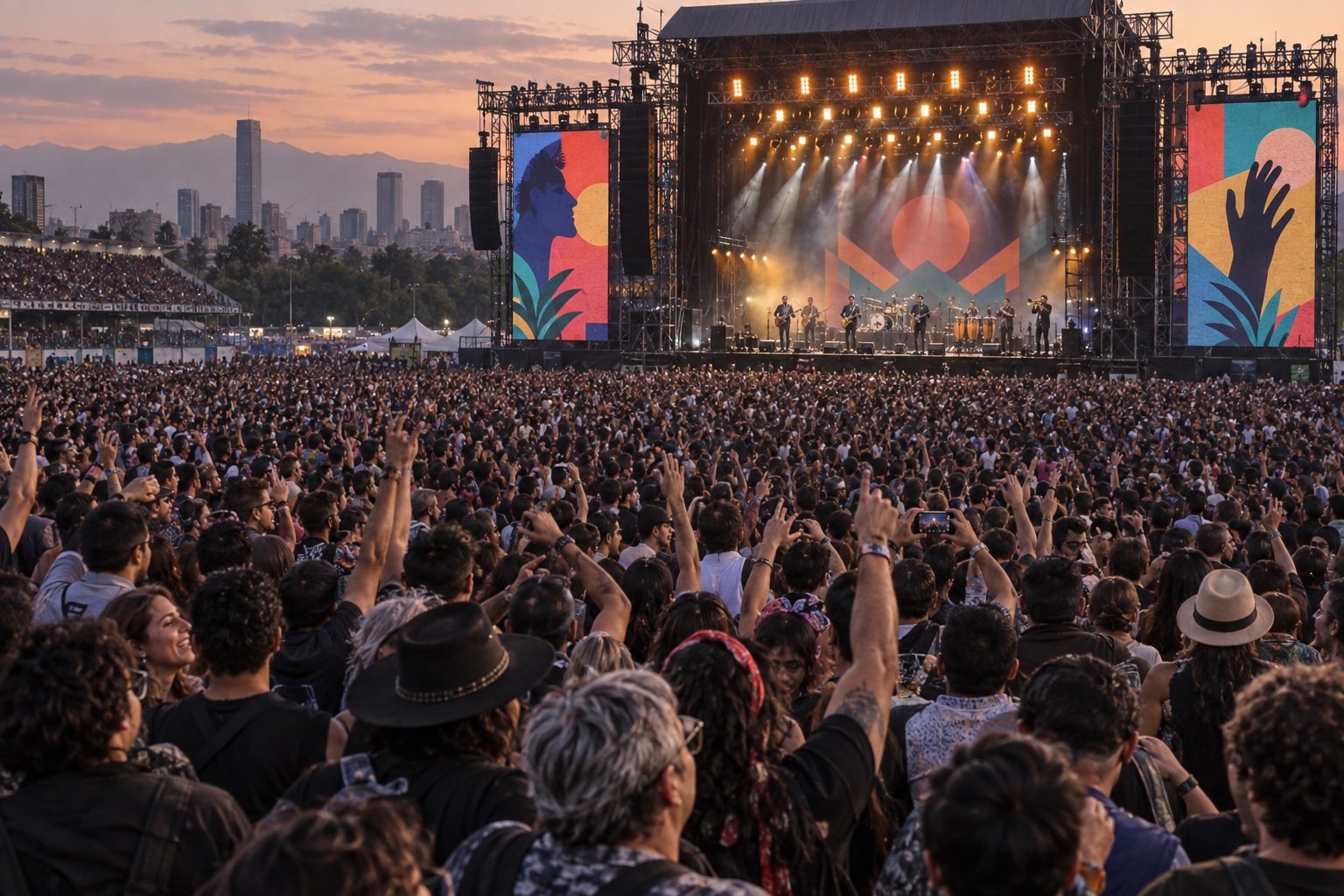
A guitar line begins on one stage, brass erupts somewhere else and thousands of people make the same urgent calculation across the festival grounds. Vive Latino is a major meeting of Latin American rock and popular music, where legacy bands, new voices, ska, punk, alternative sounds and artists beyond the region share a weekend shaped by constant choice.

The event is rooted in Mexico City but listens outward across the Spanish-speaking world and beyond. Its importance comes from circulation: artists who may headline in one country encounter a different public, while Mexican audiences place generational heroes beside current scenes.

The traveler needs a musical argument, not a complete schedule. Select one legacy act, one contemporary discovery and one artist from a country or genre outside familiar listening. Leave a gap for the crowd’s recommendation. Vive Latino becomes distinctive when the lineup stops looking like abundance and starts revealing relationships across Latin music history.

Why This Festival Is Special

Vive Latino makes Latin American musical geography feel immediate. Artists separated by national markets appear within walking distance, and the audience supplies the connective tissue through memory, language and rhythm.

The event’s strength is not stylistic purity. Ska can follow alternative rock, a veteran can precede a new regional voice and a crowd formed around guitars can respond to music from another tradition. That openness mirrors how listeners actually build identity.

Its defining image is a Mexico City audience returning a song to the artist louder than it arrived. The festival becomes special at that moment because circulation has turned into belonging. Music crosses a border, but the crowd decides whether it becomes shared history. The crowd does not erase national difference; it learns to celebrate across it. That balance gives the weekend unity without flattening the histories that made each artist distinct.

Festival Experience

What to Expect

Expect relentless overlap. Major stages run against emerging artists, reunions, heavy acts, dance-driven sets and nonmusic programming. No schedule solves every conflict. The useful question is which performance requires the full emotional arc and which can be experienced from the edge for a shorter period. Crowds are expressive and knowledgeable. Ska sets may create large dancing circles, punk and metal intensify physical movement, and legacy acts produce generational singing. Observe the audience before entering a dense area and keep an escape path.

The event is commercial and highly produced, but its strongest moments often come from recognition across borders: an Argentine lyric answered in Mexico City, a Chilean band finding a huge chorus or a Mexican group returning as shared memory. Attend with enough curiosity for those exchanges to displace one predictable choice. Spanish-language banter, political references and regional humor add layers beyond the songs. Listen even when every reference is not understood; audience response supplies valuable context.

Festival Highlights

  • Legacy Latin Rock Set – A band connected to the festival’s history turns songs into generational memory. Watch how different ages claim the same chorus.
  • Contemporary Discovery – A younger act reveals where regional scenes are moving. Give one unfamiliar performer a complete set before returning to known names.
  • Cross-Border Artist – Music from another Latin American country makes the festival’s continental identity audible. Listen for what the Mexico City audience recognizes and transforms.
  • Ska or Dance-Driven Crowd – Brass and rhythm convert a field into collective movement. View the pattern from the edge before entering, and preserve an exit route.
  • Heavy Stage – Punk, metal or hardcore concentrates physical energy. Use hearing protection and choose proximity according to experience, not social pressure.
  • Acoustic or Intimate Performance – A smaller presentation can expose songwriting hidden by the main-stage scale. Arrive early because limited spaces fill quickly.
  • Cultural or Comedy Program – Nonmusic activity gives the ears and body a reset while preserving festival character. Select one event whose timing improves the musical route.
  • Final Communal Chorus – The strongest closing moment is rarely about perfect sound. It is the realization that thousands of personal histories have gathered inside one song.

Getting There & Around

Where It Happens

Vive Latino uses the large concert and motorsport complex in eastern Mexico City, with principal stages, secondary performance zones, food, comedy or cultural spaces and long circulation corridors. The exact layout changes, so the official map and app are essential when released.

Distances are measured in crowd time. Two stages may appear close yet require a slow detour after a headline set empties. Identify water, medical services, restrooms and one central meeting landmark before the first performance.

The venue sits within a wider district built for mass events, reached primarily through public transport and controlled roads. Its scale can feel anonymous until the audience fills it. Then chants, flags, band shirts and regional accents turn infrastructure into a temporary map of Latin American music culture. That audience geography changes through the day. Early paths feel spacious and exploratory; nighttime corridors become negotiations between competing musical loyalties and limited minutes.

Getting Around

Metro is usually the most dependable approach, with nearby stations carrying heavy festival demand. Confirm which entrances serve the current venue configuration and whether lines or exits change for the event. Load transit value before the weekend and save the route offline.

Arrive early enough to clear the station, perimeter and security without sacrificing the first priority. After closing sets, controlled passenger entry can create long waits. Accept the queue or walk only toward an official alternate station on a route understood in advance.

Ride-hailing vehicles may face closures and distant pickup points. Anyone using them should locate the authorized zone in daylight and expect surge pricing. Groups should not separate to chase different cars.

Inside the grounds, movement follows the schedule. Avoid repeated crossings by grouping compatible stages and accepting one conflict. Every unnecessary transfer costs music, energy and the ability to pay attention later.

Visitor Guide

Festival Food & Drink

Eat a substantial meal before entering and schedule one real food break before the evening headline run. Queues grow during natural timetable gaps, so identify two food zones near different stages on arrival. Water should be part of every transition.

Festival vendors offer quick Mexican staples, international snacks and sponsored options, but the city provides the deeper culinary experience. Save famous restaurants for another day and prioritize speed, safety and energy inside.

**Must Try**
• Tacos al pastor – Marinated pork, pineapple and salsa on small corn tortillas, best from a busy trusted taquería.
• Tlacoyo – Thick masa oval filled with beans or cheese and topped with nopales or salsa.
• Esquites – Corn kernels with lime, chile, mayonnaise and cheese, easy to eat between sets.
• Torta – A substantial sandwich whose fillings can support a long festival afternoon.
• Churros – Fried dough with sugar, satisfying after the temperature drops.
• Agua fresca – Fruit- or grain-based drink offering refreshment alongside, not in place of, water.

Budget & Costs

Admission varies by day and ticket category, with premium areas or added services affecting value. Compare the actual sightlines, facilities and access advantages before paying more. A premium label does not resolve stage conflict.

Add accommodation, transit, food, drinks, merchandise and a possible late ride. Staying near a direct metro route can reduce both cost and decision fatigue. Keep the return reserve separate from festival spending.

Set one merchandise priority before entering. Limited items and artist products create urgency that can overwhelm the food and transport budget. Spend first on water, a proper meal, hearing protection and safe movement. Mexico City offers abundant music beyond the festival, so another night for local venues may create more cultural value than the most expensive onsite upgrade. Check whether cashless systems require advance registration, top-ups or refunds. Money trapped in an event account is still spending, even when no physical cash changed hands.

Tips for First-Time Visitors

Download the official app, save the timetable and mark no more than three essential acts each day. Use color or symbols to identify one optional discovery near each route. A schedule with space can respond to delayed sets and recommendations. Carry hearing protection, a battery pack, sun protection and a light evening layer. Wear proven shoes. Save tickets and identification offline, and check current age, bag and prohibited-item rules before leaving the hotel.

Set a reunion point independent of the most famous stage. In dense crowds, keep valuables secure and observe movement before joining. Do not apologize for leaving a set that feels unsafe or musically unconvincing. The freedom to revise the plan is one of the festival’s greatest advantages, provided transport and group safety remain fixed. Take one short note after each complete set: a lyric, instrument or crowd reaction. This small habit prevents the weekend from collapsing into a single wall of sound.

Safety

Crowd movement, heat, dust, hearing exposure and late transport are the primary risks. Locate medical and water points on arrival, keep exits visible at dense stages and move before pressure becomes involuntary. Use proper concert earplugs throughout the day.

Hydrate before thirst, eat and pace alcohol. A sunny afternoon can drain the energy needed for a cold late-night return. Secure phones and wallets during crowd surges and station approaches.

Groups should establish a reunion point and final departure policy. Follow official transport corridors after closing and wait in lit staffed areas. If a pit or dancing circle opens, remain at the edge until its movement is understood. Safety is a shared audience practice, not a private calculation made after conditions deteriorate. Dust and poor air can aggravate respiratory conditions. Carry prescribed medication, use quieter edges for recovery and leave the grounds if breathing becomes difficult.

Cultural Significance

Vive Latino helped create a large shared platform for rock en español and the many scenes surrounding it. The festival has allowed artists from across Latin America to circulate before a Mexican audience capable of turning regional recognition into continental visibility. Its identity has expanded beyond a narrow definition of rock, reflecting how Latin popular music crosses punk, ska, hip-hop, folk, electronic sound and mainstream song. This breadth can provoke debate, but the argument itself shows that the festival remains a place where cultural boundaries are actively negotiated.

Mexico City gives that exchange extraordinary force. The capital’s size, migration histories and musical knowledge create an audience that is both local and transnational. Vive Latino matters because it makes those connections audible in real time, through crowds that know where a song has traveled. The festival also preserves memory by placing veterans before audiences that include listeners born after defining records appeared. Continuity becomes something performed, not merely archived.

Plan Your Journey

When to Go

The festival generally occupies a full weekend in the late dry season, with separate daily lineups and long programs extending into the night. Select the day only after the timetable appears. A famous closing act may conflict with several artists who better express the festival’s regional identity.

Saturday often carries opening energy and maximum anticipation; Sunday can feel more relaxed early, then emotionally intense as the final sets approach. Attending both days allows broader exploration but requires sleep, hydration and realistic limits on standing.

Mexico City afternoons can be sunny and dry, while evenings cool quickly. Air quality, dust and sudden weather changes can affect comfort. Reach the city a day early and avoid an immediate departure after the final night. The body needs margin after two days of sound, walking and late public transport. The daily choice should also consider genre rhythm. A lineup with several physically intense sets may require more recovery than a day built around songwriting and seated cultural programming.

Where to Stay

Roma, Condesa and Juárez offer restaurants, nightlife and easy visitor orientation, with metro or ride connections toward the festival district. They create a strong wider trip but require patience after the final set, when demand and road pressure rise. Centro Histórico provides culture and transit options, though late-night block conditions vary and the return should be planned carefully. Areas closer to the eastern venue corridor can reduce distance but may offer less of the experience travelers expect outside festival hours.

Choose a hotel near a useful metro line and verify the walking route from the station. A fashionable address reached through multiple transfers is weaker than a practical base with food available after the show. Ask whether reception operates late and save the address offline; fatigue can make a familiar neighborhood feel unexpectedly confusing. Before booking, test the return route at the approximate closing hour. A line that looks direct during the day may involve a long final walk after station controls or reduced service.

Bottom Line & Key Days

Bottom Line

When the last set ends, separate audiences merge toward the exits carrying different versions of the same weekend. One person found a new band; another recovered a song from adolescence; another finally heard a regional artist before a crowd large enough to answer.

Vive Latino rewards a schedule with an argument and enough empty space to be changed. Choose across generations and borders, limit unnecessary stage crossings and protect the body required to remain attentive through the final chorus.

The festival is not completed by seeing the largest possible number of acts. It is completed when the traveler understands Latin music as a conversation still moving—between countries, scenes, histories and the Mexico City public that gathers them without making them identical. The lasting itinerary continues after the gates close: follow the discovered artist, learn the scene around them and let one weekend expand the map of music heard at home.

Key Days

• Schedule-Release Period – Daily lineups and conflicts determine the trip’s real shape. Select one legacy act, one discovery and one cross-border priority.

• Opening Afternoon – Smaller crowds favor orientation and emerging performers. Learn the map before headline movement begins.

• First Headline Run – Competing major stages force the weekend’s hardest decisions. Commit to the performance that needs a complete arc.

• Second-Day Discovery Window – Fatigue can make audiences conservative. Use the earlier hours for the unfamiliar artist identified before arrival.

• Cultural and Comedy Break – Nonmusic programming restores hearing and energy. Place it deliberately between demanding stage sequences.

• Final Evening – Legacy, anticipation and accumulated fatigue intensify the closing sets. Eat, hydrate and simplify movement before they begin.

• Post-Festival Day – Rest and explore Mexico City music or food at a slower pace. Let one festival discovery guide the next neighborhood choice.

Ready to Experience Vive Latino?

You've explored what makes this festival special. Now it's time to plan your trip. Compare flights, book your hotel, arrange transportation, and take care of your travel essentials—all in one place.

✈ Find Flights

Loading booking widget...

Booking is completed on Expedia in a new tab.

🏨 Find Hotels

Search places to stay

Powered by Booking.com

Booking is completed on Booking.com in a new tab.

Rail & Bus Travel

Compare train and coach routes for the journey.

Compare Routes

Things to Do

Discover tours and attractions before or after the festival.

Explore Experiences

eSIM Mobile Data

Stay connected abroad without traditional roaming charges.

Get an Airalo eSIM

Travel bookings are provided by our trusted partners. We may earn a commission when you book through these links, at no additional cost to you.

Independent Editorial Standards

Every Follow the Festivals guide is independently researched and regularly reviewed using official festival information, destination resources, and trusted travel references. We also welcome verified updates from festival organizers, destination marketing organizations, tourism partners, and local experts to help keep our guides accurate, current, and useful for travelers.

Represent this festival or have a verified update to share? We'd love to hear from you through our contact page.