
Follow the Festivals

San Francisco International Film Festival

San Francisco International Film Festival

San Francisco, United States

2027-03-09 - 2027-03-11

The Story

Festival Overview

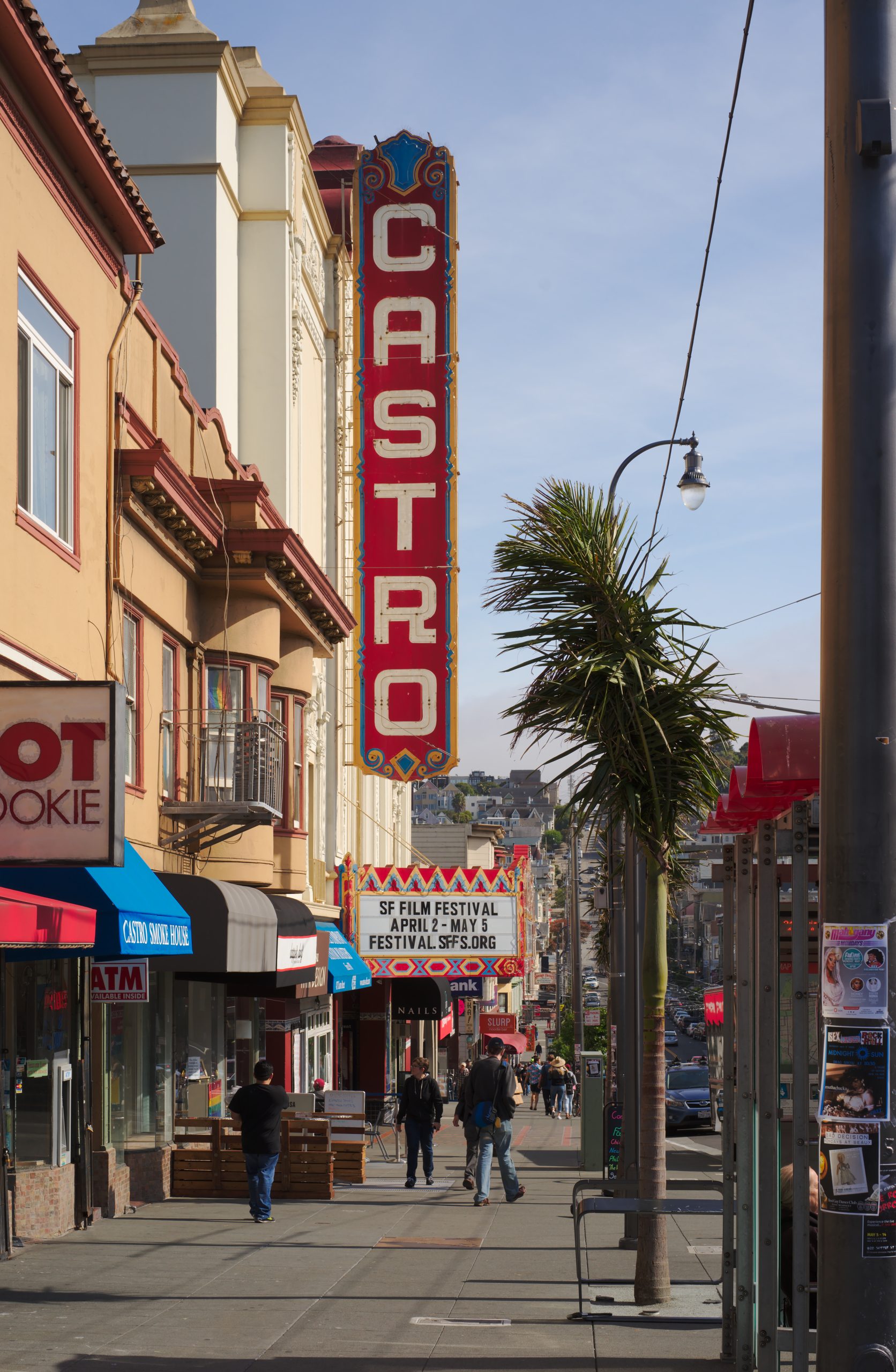
San Francisco International Film Festival turns a city of steep geography, strong documentary traditions, technological debate, and independent arts institutions into a moving screen. Audiences cross neighborhoods for global features, documentaries, restorations, emerging work, and conversations with filmmakers, then step from dark auditoriums into fog, hills, cafés, and changing street life. The venue circuit can be demanding, but it prevents the event from feeling sealed away from the destination. A polished premiere may share the day with an urgent nonfiction discovery or a film that reframes California itself. The Bay Area's history of activism and visual experimentation gives audiences a particular appetite for difficult subjects and unconventional form. Travelers build meaning through those contrasts and through post-screening discussion in a city historically receptive to experimentation.

Why This Festival Is Special

San Francisco's festival combines international scope with a Bay Area appetite for documentary inquiry, experimentation, and public argument. The dispersed venues make the city part of attendance, linking films to neighborhoods, fog, transit, and post-screening conversation. Its long institutional memory connects contemporary discoveries with generations of adventurous viewing. Travelers choose it for a program that looks outward globally while remaining grounded in a place with its own consequential film culture.

Festival Experience

What to Expect

Late morning and afternoon bring the first screening blocks, passholder arrivals, and lines at festival box office and ticket pickup points. Through the afternoon, the day breaks into quick walks or transit hops between San Francisco screening venues, with just enough time to scan a ticket, grab coffee, and slip into the next auditorium. By evening, the mood sharpens around premiere-style screenings, special presentations, and fuller houses, and that is when Post-screening Q&A spaces matter most, with audiences lingering for director or cast Q&A sessions instead of rushing straight out. After dark, the festival spills into nearby bars and restaurants in downtown and arts-district hospitality areas, where people keep talking about what they just saw before heading to a late screening or calling it a night.

Festival Highlights

  • International features introducing cinematic voices rarely seen in ordinary release.
  • Documentary programs aligned with the Bay Area's tradition of inquiry and public debate.
  • Filmmaker Q&As extending the work into direct audience conversation.
  • Restorations, tributes, and craft programs connecting film history with contemporary practice.
  • Neighborhood movement that lets San Francisco's geography and cultural contrasts enter the festival day.

Getting There & Around

Where It Happens

Your map for this festival is less one address than a chain of screening venues across San Francisco, linked by festival box office and ticket pickup points where the day often starts in line before you head into a theater. From there, the practical geography is the gap between auditoriums and post-screening Q&A spaces: a short walk, a Muni ride, a BART connection, or a quick rideshare to make the next show. By night, that route usually extends one step farther into downtown and arts-district bars and restaurants, which function as the festival’s unofficial final venue once people spill out of the cinema still arguing about the film they just saw.

Getting Around

Use BART, Muni, and walking, but group venues to reduce cross-city risk. Hills, service gaps, Q&A overruns, and lines make map estimates optimistic. Parking is expensive and vehicle break-ins are a serious concern; do not leave belongings in a car. Keep tickets offline and select a late return before the evening screening. A rideshare should solve the last leg, not an impossible sequence of reservations.

Visitor Guide

Festival Food & Drink

A film day needs quick food with local character and one protected meal. A Mission burrito can sustain an afternoon; sourdough, coffee, seafood, and neighborhood cuisines reveal the city beyond theater snacks. Eat near the next venue, not the previous one, and never trust a tight hill or transit transfer with dinner. After the final film, local wine or beer can accompany discussion, but late transport and personal awareness should govern the pace.

Must Try
• Mission-style burrito — Large flour tortilla filled with rice, beans, salsa, meat or vegetables, and optional additions.
• Sourdough sandwich — Tangy naturally leavened bread filled with local or classic ingredients.
• Dungeness crab — Sweet Pacific crab served cracked, in salad, or another seasonal preparation.
• Bay Area coffee — Carefully roasted coffee reflecting the region's influential café culture.
• California wine — Local pour chosen by grape and region rather than generic prestige.

Budget & Costs

Costs hinge on how many screenings you stack into March 9 to March 11 and whether you chase the busiest evening presentations. Single tickets for headline slots can feel expensive once you add transit, drinks, and a meal in downtown and arts-district hospitality areas, while daytime screenings are easier to pair with cheaper coffee-and-sandwich breaks. Parking near screening venues can become an unnecessary extra cost on top of tickets, so BART, Muni, or a short rideshare between venues often makes more sense than paying to park and then moving the car again.

Tips for First-Time Visitors

Anchor the day with one essential title and one discovery in the same area. Stay for filmmaker conversations without booking the next start immediately afterward. Carry a warm layer regardless of afternoon sun, and protect a proper meal interval. Confirm exact venues and transit before leaving the hotel. Record a few thoughts after every film; discussion becomes richer when impressions remain distinct.

Safety

The main headaches here are not inside the theaters but around timing and late returns. Sold-out or rush lines at popular screenings can leave you waiting without certainty of getting in, and tight turnarounds between venues can mean missing intros or the start of a Q&A. After evening shows, give yourself a clear plan for Muni, BART, or a rideshare rather than improvising at the curb, and avoid leaving anything in a parked car near downtown screening venues because vehicle break-ins are a real San Francisco concern.

Cultural Significance

As one of the country's longstanding international film gatherings, the festival connects Bay Area audiences with global cinema while supporting filmmakers, education, criticism, and artistic exchange. Documentary and experimental traditions resonate strongly with the region's history of activism and innovation. The event creates a public record of what local audiences are willing to question, debate, and champion. It helps sustain communal theatrical viewing in a city where cultural institutions face intense economic pressure.

Plan Your Journey

When to Go

Choose the central festival period for the broadest program and strongest guest presence, while opening and closing presentations add ceremony. Group screenings by neighborhood and protect time after any Q&A. Daytime titles often offer easier access; evening work fills fastest. Cool wind, rain, hills, and transit delays require a margin. Two carefully planned films can provide more value than four rushed starts.

Where to Stay

Choose a central neighborhood near BART or several Muni lines, guided by the announced venue map. Union Square offers connections but less neighborhood intimacy; Hayes Valley, the Mission, or Civic Center may suit particular cinema clusters. Oakland can provide value only when late BART timing works. Never choose lodging around one venue if most tickets sit elsewhere.

Bottom Line & Key Days

Bottom Line

San Francisco International Film Festival is strongest when a film changes the way the next neighborhood looks: fog outside the theater, a steep walk, coffee beside a debate, then another world opening on screen. The city complicates the schedule but enriches the viewing, turning transit and geography into pauses for interpretation. Choose fewer films, remain for the questions, and let the destination supply the transitions that make the festival memorable.

Key Days

Arrival

Settle near useful transit and group selected screenings into realistic neighborhood clusters.

Opening

Choose a special presentation for ceremony while allowing extra time for lines and introductions.

Documentary Day

Follow nonfiction work and remain for discussion in a city receptive to public inquiry.

Discovery Day

Select an unfamiliar international, emerging, restored, or experimental film.

Peak

Expect the strongest demand and fullest guest participation around central evening programs.

Closing

Leave room after the final film for one meal and a sustained audience conversation.

Extension

Continue through neighborhoods and year-round cinemas after the formal schedule ends.

Ready to Experience San Francisco International Film Festival?

You've explored what makes this festival special. Now it's time to plan your trip. Compare flights, book your hotel, arrange transportation, and take care of your travel essentials—all in one place.

✈ Find Flights

Loading booking widget...

Booking is completed on Expedia in a new tab.

🏨 Find Hotels

Search places to stay

Powered by Booking.com

Booking is completed on Booking.com in a new tab.

Rail & Bus Travel

Compare train and coach routes for the journey.

Compare Routes

Things to Do

Discover tours and attractions before or after the festival.

Explore Experiences

eSIM Mobile Data

Stay connected abroad without traditional roaming charges.

Get an Airalo eSIM

Travel bookings are provided by our trusted partners. We may earn a commission when you book through these links, at no additional cost to you.

Independent Editorial Standards

Every Follow the Festivals guide is independently researched and regularly reviewed using official festival information, destination resources, and trusted travel references. We also welcome verified updates from festival organizers, destination marketing organizations, tourism partners, and local experts to help keep our guides accurate, current, and useful for travelers.

Represent this festival or have a verified update to share? We'd love to hear from you through our contact page.