
Follow the Festivals

Festival Nacional de Doma y Folklore de Jesús María

Festival Nacional de Doma y Folklore de Jesús María

Jesús María, Argentina

2027-01-07 - 2027-01-17

The Story

Festival Overview

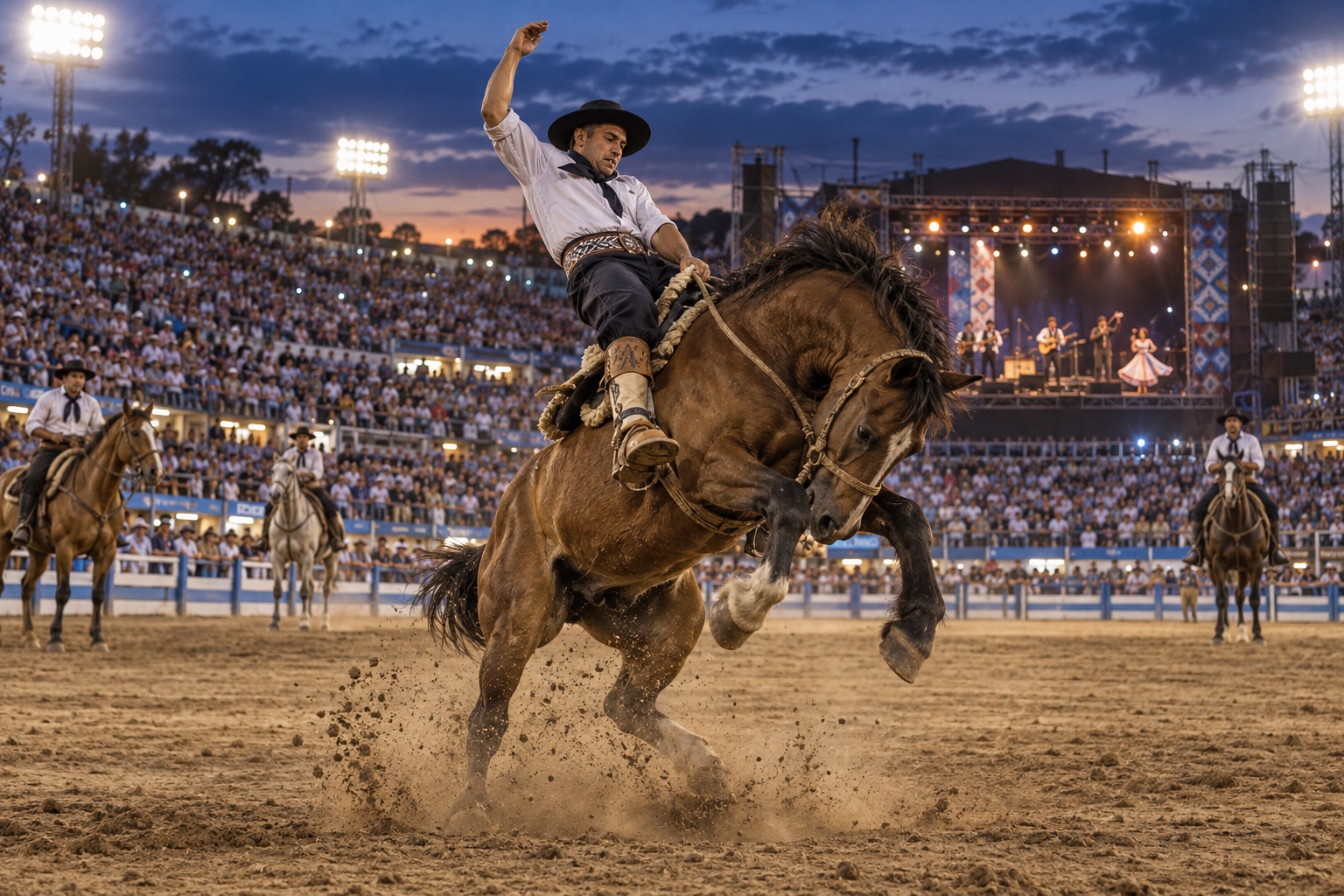
At the José Hernández amphitheater, the arena and the stage share attention. Riders prepare for jineteada while folkloric musicians wait beneath lights, and the audience understands both as expressions of rural culture. Jesús María is not a concert series with horsemanship attached. Its identity comes from the tension and continuity between field, song, animal, rider and community.

The festival fills summer nights with competition, dance, popular music and food, while the town outside becomes equally animated. It also carries a social purpose: volunteer work and festival revenue support regional schools. That civic foundation gives the enormous production a local moral center.

Travelers need to approach jineteada with clear eyes. It is a valued gaucho tradition and a demanding animal event that some visitors may find difficult. Understanding categories, safety systems and local meaning creates a more honest experience. The strongest trip combines one major arena night with the museum, town life and enough time to see how Jesús María sustains the festival beyond spectacle.

Why This Festival Is Special

Jesús María is special because field and stage remain in conversation. Horsemanship, improvised verse, dance and popular song are not separated into heritage demonstrations. They share one long night, and the audience understands their relationships through repetition.

The festival’s school-supporting structure adds unusual consequence. Volunteer labor, ticket revenue and civic pride connect the spectacle to regional education. The event is enormous, yet its origin in cooperative action remains visible in the museum and organization.

Its complexity also matters. Jineteada carries deep cultural meaning and genuine ethical debate. The festival does not become less significant because visitors confront that tension; it becomes more honest. Travelers who listen carefully encounter Argentina’s rural identity as a living institution with skill, beauty, risk, disagreement and communal purpose. Few major festivals reveal so clearly how tradition is maintained through both performance and practical collective work.

Festival Experience

What to Expect

Expect a long night with repeated shifts of attention. Jineteada categories, announcers, payadores, dance and major musical sets create a rhythm unlike a conventional concert. Dust, animal movement, cheering and stage production coexist, and the program may continue well past midnight.

Learn the basic competition format before arrival. Riders, horses, time, style and control are evaluated within distinct categories. Understanding does not require suspending personal questions about animal welfare. Observe safety practices, listen to local explanation and decide honestly whether the event aligns with your values.

The audience is deeply invested. Families arrive with provincial loyalties, favorite riders and musical expectations. Food and mate circulate, and familiar songs become communal. Bring patience for transitions and avoid interpreting every pause as delay. The evening is built from several traditions sharing one arena, and its meaning appears through their accumulation. Announcers help connect the shifts, so listening between headline moments is part of understanding the night.

Festival Highlights

  • Jineteada Championship – Riders compete across established categories in the amphitheater field. Learn the rules, keep behind safety boundaries and watch how control and technique shape scoring.
  • Folklore Headliner – Major Argentine artists turn the Martín Fierro stage into a national gathering. Remain for full sets and listen to how the audience carries familiar choruses.
  • Payadores – Improvised verse links horsemanship, narration and rural oral tradition. Follow the exchange closely; language and timing matter more than stage scale.
  • Opening Ceremonies – Flags, delegations and festival symbols establish regional and national identity. Arrive early enough to see the night framed before competition begins.
  • Festival Museum – Objects, champion histories and the official poncho explain how volunteer labor and memory sustain the event. Visit during daylight before the arena.
  • Town Peñas – Smaller musical spaces allow dancing and closer contact with performers. Choose an established venue and arrange the late return first.
  • Regional Food Circuit – Grilled meat, empanadas and Colonia Caroya specialties make eating part of the cultural landscape. Dine before the headline rush.
  • Championship Closing – Final standings concentrate technical attention and emotion. Attend only with enough rest to stay through the result and exit safely.

Getting There & Around

Where It Happens

The Anfiteatro José Hernández is the festival’s center, combining the Martín Fierro stage with the jineteada field. This physical arrangement allows music, riding, commentary and ceremony to alternate across one continuous night. Seat location shapes the balance: some views favor arena detail, others the stage and complete overall atmosphere.

Outside, Jesús María becomes a festival town. Food stands, peñas, vendors and crowded streets extend folklore beyond the ticketed grounds. The Festival Museum and plazoleta preserve champions, objects, symbols and the history of volunteer organization, offering essential context before an arena night.

The wider region, including Colonia Caroya, adds culinary and immigrant heritage. Travelers should separate daytime exploration from evening entry and avoid repeated transfers. Study gates, seating sectors and pickup areas in advance. Once inside, use a fixed meeting point because the amphitheater’s simultaneous attractions can divide a group quickly.

Getting Around

Jesús María lies north of Córdoba city and receives intense festival traffic. Driving offers flexibility, but parking, congestion and late-night fatigue are serious trade-offs. If using a car, arrive early, choose an authorized area, photograph the location and assign a sober driver before the first drink.

Buses and organized transfers can remove the driving burden, but schedules must cover the actual end of the night. Confirm the final departure and pickup point in writing. Taxis and local rides become scarce during mass exits, so prearrangement is valuable.

Within town, walking connects restaurants, the museum, vendors and amphitheater approaches, though heat and crowds slow the pace. Wear stable shoes and remain on lit active routes after the show.

Do not combine a full day in Córdoba with an exhausted overnight return unless the transport is secure. The best plan treats each festival night as the day’s central commitment and leaves recovery time on both sides.

Visitor Guide

Festival Food & Drink

Food at Jesús María is substantial because the nights are long. Eat a proper meal before entering or select one trusted stand early, before headline queues. Grills, smoke and shared tables are part of the atmosphere, but heat and alcohol require water throughout the evening.

**Must Try**
• Asado – Beef cooked over fire, best enjoyed with time and a reliable grill.
• Choripán – Grilled sausage in bread with chimichurri, practical during a crowded night.
• Empanadas cordobesas – Baked or fried pastries with a slightly sweet regional seasoning.
• Locro – Corn, beans and meat in a dense stew, restorative when weather turns cooler.
• Salame de Colonia Caroya – Regional cured meat reflecting nearby immigrant traditions.
• Fernet with cola – A Córdoba favorite, consumed slowly and with food.

Explore Colonia Caroya for cured meats, wine and family restaurants during the day. Keep alcohol modest if driving or watching animal competition near barriers. Food safety improves at high-turnover stalls; observe handling and choose dishes served hot.

Budget & Costs

Tickets vary by night and artist demand, while lodging rises sharply in Jesús María during the festival. Reserve accommodation first, then choose arena nights. Two carefully selected tickets often provide more value than purchasing many nights without enough rest to enjoy them.

Staying in Córdoba may reduce room scarcity but adds transport, fuel, tolls or transfer charges. Calculate the full nightly journey and the safety value of not driving tired. Nearby towns can offer balance if dependable transport is secured.

Food inside and around the grounds ranges from simple choripán to large grilled meals. Set a daily allowance and carry small cash while keeping most funds secured. Official merchandise and regional crafts deserve separate room in the budget.

Add contingency for weather, an extra transfer or a changed departure. The festival can be affordable when planned around a few priorities. The hidden cost is exhaustion: an overfilled schedule wastes tickets and encourages unsafe late movement.

Tips for First-Time Visitors

Read about jineteada categories and the festival’s school-supporting history before arrival. Context changes the arena from an unexplained succession of rides into a structured regional institution. It also helps travelers engage thoughtfully with ethical questions through evidence, terminology and careful observation.

Buy tickets through official channels and confirm the seating sector, gate and permitted items. Carry identification, water where allowed, sun protection for late-afternoon arrival, a light layer, rain cover and a portable battery. Hearing protection may help children during concerts and explosive crowd noise.

Eat early and pace alcohol. The night can extend far beyond an ordinary concert, and driving afterward demands alertness. Establish a meeting point inside the amphitheater and another outside.

Visit the museum and spend time in town. The arena is more meaningful after seeing the volunteers, school connections and accumulated history behind it. Respect barriers, animals, staff and local customs; never enter working areas for a photograph.

Safety

Animal competition requires strict respect for barriers and staff instructions. Never enter the field, corrals or working lanes, and keep children close. Horses can move unpredictably, while participants and crews need unobstructed access. Ethical curiosity never justifies interfering with operations.

Summer heat, storms, dust, alcohol and long nights create additional risks. Hydrate, eat, use sun protection during early arrival and carry a light rain layer. Pace drinking, especially if driving. Hearing protection can reduce exposure near speakers.

Use authorized parking or verified transport. Fatigue after midnight is a serious road hazard on the journey toward Córdoba. A sober driver, organized bus or local room is a safety investment. Secure valuables in crowds and agree on reunion points.

Follow official weather or evacuation instructions immediately. The amphitheater is large, and exits can compress after headline sets. Waiting briefly in a designated safe area may be wiser than joining the first surge.

Cultural Significance

The festival began through school cooperatives seeking resources and grew into one of Argentina’s most important gatherings of jineteada and folklore. Its continuing support for regional schools makes education part of the institution’s purpose, while hundreds of volunteers connect national-scale production to local civic labor. Jineteada expresses gaucho skill, courage and rural identity, though contemporary audiences also debate animal welfare. The festival’s cultural significance includes that tension. Respectful understanding requires hearing the tradition’s own vocabulary and acknowledging ethical concern without caricaturing either position.

Music broadens the gathering beyond competition. Folklore artists, dancers and payadores carry provincial stories into a shared national space. The amphitheater turns rural practices into mass media, yet the town, museum and volunteers keep them attached to place. Jesús María matters because tradition here is not preserved behind glass; it is organized, contested, funded and performed before a knowledgeable public.

Plan Your Journey

When to Go

The festival occupies a long run of January nights during the hottest part of the Córdoba summer. Exact artists and riding schedules vary, so confirm the official program before selecting dates. Early nights introduce the championship and town rhythm; middle weekends draw enormous crowds; final nights carry decisive competition and emotional closure. Choose dates by interest. Folklore audiences should follow the artist program, while jineteada viewers may value nights when championship standings become clearer. A first visit benefits from two nights: one to learn the amphitheater and another to watch with better understanding.

Daytime heat can be intense, but nights may cool after storms. Rest in the afternoon, hydrate and carry light rain protection. Arrive in town before the evening surge and avoid a long drive immediately after the final act. The festival often runs deep into the night. A schedule that protects sleep and transport safety is more important than seeing every performer.

Where to Stay

Staying in Jesús María offers the easiest relationship to the amphitheater, town streets and festival atmosphere. Rooms are limited and book early. Confirm walking distance, nighttime access, air-conditioning and whether noise continues near the property after arena events finish.

Colonia Caroya and nearby communities can provide guesthouses and a quieter base while retaining regional character. Transport must be arranged before the night begins, because post-show demand is heavy. Córdoba city offers far greater lodging choice, yet the highway journey makes each festival night a major excursion and requires a sober, rested driver.

Camping and simple accommodations may appeal to experienced festival travelers, but summer storms, heat and security need consideration. Do not evaluate a room only by price. A dependable late return and real sleep determine whether the next night remains enjoyable. Reserve early, reconfirm directly and ask where vehicles or taxis can operate during peak closures.

Bottom Line & Key Days

Bottom Line

Near the end of a festival night, dust settles across the arena while a familiar chorus rises from the stage. Riders, musicians, volunteers and spectators occupy different roles, yet the amphitheater holds them inside one regional story. The event’s scale makes sense only after the traveler sees the local work beneath it. Plan for depth. Attend the museum, learn the jineteada categories, select one or two meaningful nights and secure the late return before entering. Eat well, pace alcohol and approach animal competition with informed respect. Leave enough energy to watch the closing sequence and resist departing when fatigue first becomes uncomfortable.

Jesús María offers celebration with consequence: folklore carried nationally, gaucho identity performed publicly and revenue returned to schools. Its final lesson is that tradition survives through organization as much as emotion. The songs and rides are memorable, but the community that repeatedly builds the space around them is what makes the journey worth taking.

Key Days

• Arrival and Museum Day – Learn the festival’s origins, symbols and champions before entering the amphitheater. Confirm gates, transport and the nighttime reunion point.

• Opening Night – Ceremonies, delegations and first competition establish the field-stage rhythm. Arrive early and observe the entire sequence.

• First Championship Phase – Riders begin creating standings across categories. Learn scoring and watch from a stable seat without chasing angles.

• Major Folklore Night – A prominent artist draws heavy demand and late exits. Eat beforehand and secure the return before doors open.

• Mid-Festival Town Day – Explore Jesús María, Colonia Caroya, peñas and regional food while allowing the body to recover from previous nights.

• Championship Finals – Competition pressure and audience knowledge intensify. Stay through results only with a safe late-night plan.

• Closing Night – Music, recognition and volunteer achievement complete the run. Reduce daytime commitments and let the final ceremony end without an immediate highway rush.

Ready to Experience Festival Nacional de Doma y Folklore de Jesús María?

You've explored what makes this festival special. Now it's time to plan your trip. Compare flights, book your hotel, arrange transportation, and take care of your travel essentials—all in one place.

✈ Find Flights

Loading booking widget...

Booking is completed on Expedia in a new tab.

🏨 Find Hotels

Search places to stay

Powered by Booking.com

Booking is completed on Booking.com in a new tab.

Rail & Bus Travel

Compare train and coach routes for the journey.

Compare Routes

Things to Do

Discover tours and attractions before or after the festival.

Explore Experiences

eSIM Mobile Data

Stay connected abroad without traditional roaming charges.

Get an Airalo eSIM

Travel bookings are provided by our trusted partners. We may earn a commission when you book through these links, at no additional cost to you.

Independent Editorial Standards

Every Follow the Festivals guide is independently researched and regularly reviewed using official festival information, destination resources, and trusted travel references. We also welcome verified updates from festival organizers, destination marketing organizations, tourism partners, and local experts to help keep our guides accurate, current, and useful for travelers.

Represent this festival or have a verified update to share? We'd love to hear from you through our contact page.