Follow the Festivals

Best Kept Secret

Best Kept Secret

Hilvarenbeek, Netherlands

2027-06-11 - 2027-06-13

The Story

Festival Overview

Before the stage appears, the music does.

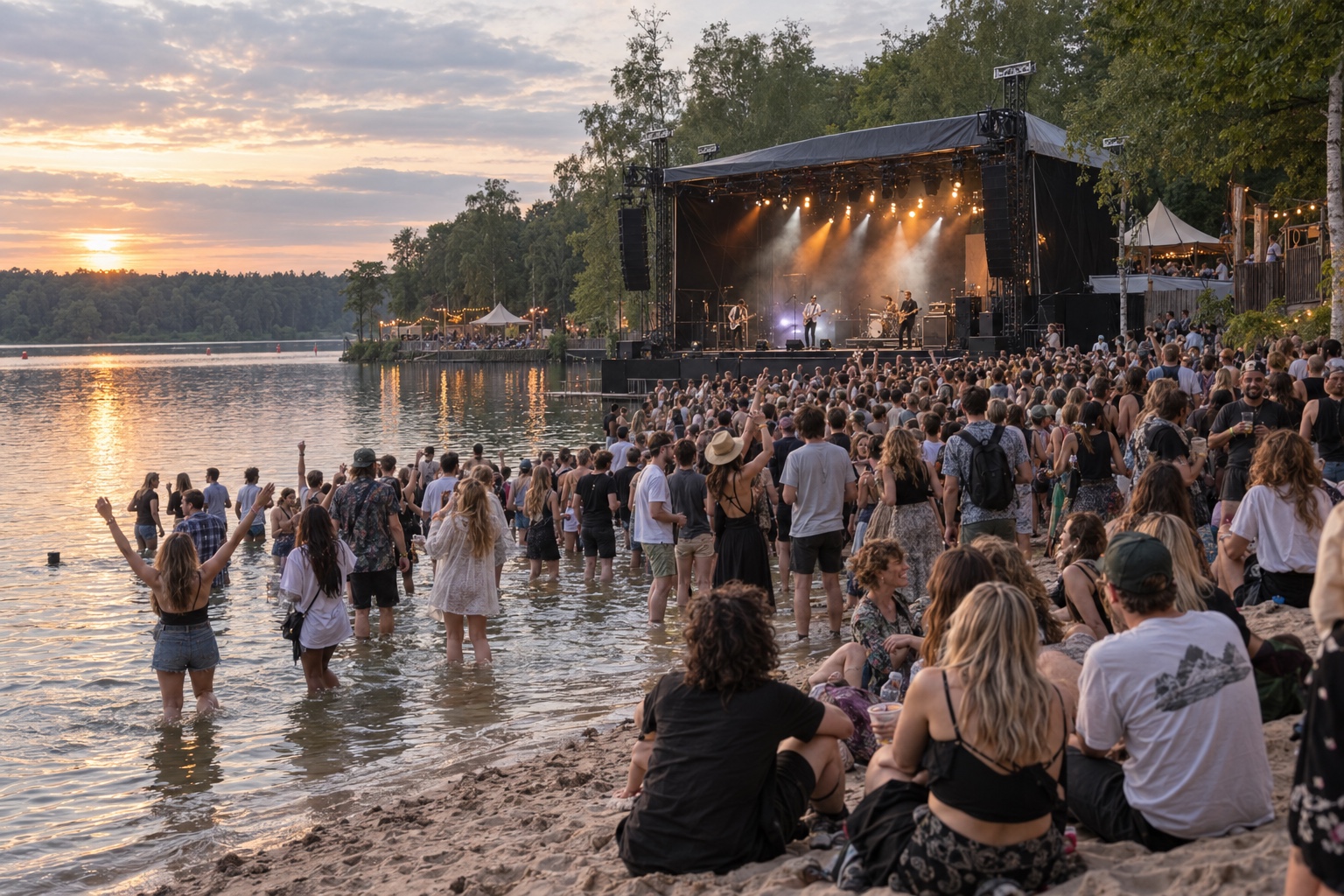
A bass line travels through the trees. The path bends beside the water, sunlight opens across the lake, and a crowd that was invisible moments earlier comes into view. Somewhere farther along the shore, another performance has already begun.

Best Kept Secret is a three-day summer music festival held at Beekse Bergen in Hilvarenbeek, near Tilburg in the southern Netherlands. Its programme moves across indie, alternative, electronic, hip-hop and experimental music, combining established performers with artists many visitors encounter for the first time.

The setting determines how that music is experienced. Stages, wooded paths, campsites and gathering spaces occupy a recreation landscape shaped by trees and water. The festival may attract a substantial audience, but the grounds rarely reveal its full scale at once.

Every turn presents a decision.

Follow the performance already planned, or continue toward the sound arriving through the trees.

Why This Festival Is Special

Many large music festivals announce their scale immediately.

Beekse Bergen conceals it.

Trees divide the grounds into smaller rooms. Water creates distance between sounds. Paths delay the moment when a stage or crowd becomes visible. One part of the festival can feel crowded while another seems almost detached from it.

That separation protects a quality Best Kept Secret has maintained as it has grown: the sense that something can still be found.

Discovery here does not depend entirely on recognizing the smallest name on the programme. It can mean entering a stage because the sound carried beyond it, staying after an unfamiliar artist’s first song or meeting the same people later at a campsite gathering.

The festival’s curation gives those decisions credibility. Visitors arrive for particular performers, but the weekend becomes richer when they trust the spaces between those plans.

The grounds never offer a single commanding view of everything happening.

They ask the audience to continue walking.

Festival Experience

What to Expect

The weekend begins before the first complete song.

Campers arrive carrying tents, sleeping bags and supplies into the trees. Other visitors check into bungalows, lodges or hotel rooms around Beekse Bergen. Day visitors reach Hilvarenbeek through Tilburg, joining the stream moving from station to shuttle and shuttle to entrance.

Inside, the grounds unfold gradually. Large stages provide the principal performances, while smaller spaces introduce different genres, emerging musicians, late-night sets and unexpected collaborations. Food stalls, bars, shaded areas and the lakeshore create pauses between them.

Walking is part of the experience. A route that appears short on a map may take longer once crowds, narrow paths or an unfinished performance intervene. Two consecutive artists can be difficult to combine when their stages occupy different parts of the site.

The programme rewards curiosity, but curiosity still requires judgment. A traveler who attempts to hear everything will spend much of the weekend leaving. The stronger rhythm allows some performances to remain complete.

Weather changes the grounds quickly. Sun can make the lake and wooded shade feel generous; rain can turn grass and campsite routes soft underfoot. Even warm afternoons may give way to cool nights beside the water.

Bring layers.

The landscape keeps changing after the light disappears.

Festival Highlights

  • Begin with the lakeside stage environment. The water creates one of the festival’s defining views, but its greater effect is acoustic and spatial. Arrive before the performance you most want to see, learn where the crowd naturally thickens and decide whether proximity to the stage matters more than an easy departure afterward.
  • Give one smaller stage an uninterrupted hour. Do not wait until every name has been researched. Choose a sound, genre or room that falls outside the original plan and remain long enough for the performance to establish itself. Best Kept Secret earns much of its character from the audience’s willingness to extend attention beyond the largest stages.
  • Experience the grounds once during daylight and again after dark. Trees that offered orientation in the afternoon become silhouettes, lighting changes the apparent width of paths and familiar routes can feel entirely different. The second walk is not repetition; it reveals how completely the landscape edits the festival.
  • Protect one complete meal rather than assembling the weekend from hurried snacks. The food programme deserves enough time to compare options, find somewhere comfortable and eat before hunger begins controlling every later decision. Schedule that pause away from the most compressed sequence of performances.
  • Spend part of the evening at a dance-focused or late-night space, even if the day began with guitars. The transition between live bands and electronic music is one of the programme’s strengths. Check closing times and the final transport plan before entering; the night becomes easier when departure has already been settled.
  • If camping, allow the campsite to become part of the festival rather than merely the place where the tent stands. Coffee beneath the trees, conversations between neighboring camps and the slow return after the stages close preserve experiences that day visitors inevitably miss. Sleep still matters. Choose a pitch and ear protection with the following morning in mind.
  • Finish one performance without opening the schedule. Let the applause end, allow the crowd to move first and then decide where to go. The short pause may lead toward another stage, the lakeshore, food or an early night. The festival becomes more memorable when every transition is not decided before it begins.

Getting There & Around

Where It Happens

Best Kept Secret occupies the event grounds at Beekse Bergen in Hilvarenbeek, south of Tilburg.

Beekse Bergen is a broad leisure landscape containing water, woodland and several accommodation areas. The festival uses part of that environment; admission does not automatically provide unrestricted access to every surrounding attraction or resort facility.

The lake gives the site its visual center, while trees separate stages, paths, campsites and gathering places. This geography creates atmosphere but prevents instant orientation. A map remains useful even after the main landmarks have become familiar.

Tilburg is the functional gateway. Most visitors arriving by public transport travel through Tilburg Central Station before completing the journey by festival shuttle, bicycle or another arranged connection.

Hilvarenbeek is the local municipality and should not be treated as another name for Tilburg. Its smaller scale, rural surroundings and relationship with Beekse Bergen explain why the festival can create distance from the ordinary city without becoming inaccessible from the Dutch rail network.

The festival site should also remain distinct from Safaripark Beekse Bergen. Animals, attractions and resort marketing belong to the larger destination, but the music festival has its own entrance conditions and controlled grounds.

Getting Around

Build the journey around Tilburg Central Station unless accommodation provides a separate arrival route.

Trains make Tilburg accessible from major Dutch cities, and festival shuttles commonly connect the station with Beekse Bergen. Purchase any required shuttle access in advance and check the final departure arrangements close to travel. Railway maintenance and temporary station changes can affect an otherwise simple route.

Cycling from Tilburg can offer more independence than the shuttle. The journey is substantial enough to require time and energy, especially after a full day. Use lights, follow the designated bicycle approach and never assume a late-night road will be well illuminated.

Driving provides control over luggage and camping equipment, but parking requires its own ticket or arrangement. Vehicles cannot become informal overnight accommodation, and electric-car drivers should not depend on charging at the festival site.

Within the grounds, calculate routes in performances rather than minutes. Leaving a crowded stage, crossing the site and entering another audience takes longer than the map suggests.

Choose a meeting point before the group separates. A specific installation, sign or fixed facility works better than “near the lake.” Mobile connections and batteries become less reliable precisely when everyone begins trying to reunite.

Campers should learn the correct entrance and path to their sleeping area while sober and in daylight. Visitors staying in resort accommodation may use different checkpoints or internal transfers from those using the main campsite.

At the end of the night, allow the first crowd to leave if the final shuttle does not demand an immediate departure. Fifteen quiet minutes near the grounds can be easier than joining the densest possible queue.

Visitor Guide

Festival Food & Drink

The food at Best Kept Secret competes with the programme for attention.

That is intentional.

A wooded festival beside a lake could survive on portable meals eaten while walking, but the better experience creates space for food as part of the weekend’s curation. Menus often move beyond standard event fare through international cooking, vegetarian choices, carefully prepared fast food, coffee, beer and wine.

Walk through the principal food areas before becoming hungry. The first nearby queue may conceal a better meal farther along the grounds. Note which vendors can produce food quickly before a tightly scheduled performance and which deserve a longer pause.

Dutch festival culture appears in familiar snacks, but the region surrounding Hilvarenbeek also belongs to North Brabant, where convivial eating and drinking carry their own importance. Tilburg extends that experience through cafés, breweries and restaurants before or after the festival.

Breakfast matters most for campers. Coffee and a substantial morning meal restore the distance between a difficult night and a generous new day. Carry something simple for the tent, then decide whether the campsite breakfast options justify another queue.

Alcohol can distort both distance and temperature. A cool walk beneath the trees may conceal dehydration after hours in a dense crowd. Alternate drinks with water and eat before the evening programme gathers pace.

**Must Try**

• **Brabant beer:** A regional brewing tradition that fits naturally into the sociable pace of the weekend.

• **Friet:** Dutch fries served hot with a choice of sauces and best eaten before the next long walk.

• **Bitterballen:** Crisp, savory croquettes made for sharing over drinks.

• **Festival breakfast:** Coffee with bread, fruit or another substantial campsite meal before returning to the stages.

• **Indonesian-inspired dishes:** A reflection of food traditions deeply established across the Netherlands.

• **Vegetarian festival cooking:** Often among the most considered meals on the grounds rather than a secondary substitute.

• **Tilburg café lunch:** A slower meal in the city before arrival or after the campsite has been packed.

The best meal may require missing part of a performance.

That can still be the correct decision.

Budget & Costs

Admission establishes the first major cost, but accommodation usually determines the scale of the total trip.

Bringing a tent offers the most economical route into the full weekend, particularly for travelers who already own suitable equipment. Savings diminish if camping gear must be purchased for one use, checked onto a flight or abandoned afterward. Rental equipment or a pre-pitched tent may provide better overall value.

Fixed accommodation at Beekse Bergen removes weather exposure and improves sleep, but limited supply makes early commitment important. Package structures may combine lodging and admission, so compare the full cost before purchasing festival tickets separately.

Tilburg can reduce accommodation pressure and provides a wider choice of rooms, but daily shuttle or bicycle travel must be included. Staying farther from the station may save on the room while creating a difficult late-night connection.

Food and drinks become significant across three full days. A proper breakfast, refillable water bottle and one deliberate meal plan each day prevent hunger from producing repeated expensive purchases.

Transport decisions have the greatest remaining impact. Rail and shuttle travel suit visitors carrying light camping equipment, while groups with substantial gear may find a shared vehicle more practical after parking is included.

The largest savings come from choosing the sleeping strategy early, securing official admission and avoiding emergency purchases at the campsite.

The cheapest room is not a saving if the final journey to it fails after midnight.

Tips for First-Time Visitors

Select three priorities for each day: one essential performance, one possible discovery and one period left deliberately open. This protects the programme from becoming a sequence of rushed departures.

Download or save the current map and timetable before entering. Battery loss should not remove the route back to the campsite or the information needed for the final shuttle.

Wear shoes that remain stable on grass, woodland paths and wet ground. The site may look gentle in dry weather, but repeated walking exposes poor footwear quickly.

Carry a light waterproof layer even when the morning is clear. Umbrellas obstruct views and become awkward inside crowds, while Dutch summer weather can change faster than a return trip to the tent permits.

Use a locker for anything that does not need to travel between stages. Campers should not treat the tent as secure storage for passports, medication or valuables.

Bring ear protection. Smaller enclosed spaces can feel louder than open-air stages, and the cumulative exposure of three days matters more than the volume of a single set.

Agree on group expectations before the programme begins. Friends do not need to sacrifice every personal choice to remain together. One reliable meeting later in the day creates more freedom than continuous negotiation.

When an unfamiliar performance holds the room, stay.

The schedule will still be there when it finishes.

Safety

Weather is the most persistent risk. Check the forecast immediately before departure, but prepare for both heat and rain. Use sunscreen during exposed afternoon performances, carry waterproof clothing and change out of wet layers before temperatures fall.

Grass, roots and uneven paths become harder to read after dark. Use established routes, avoid unlit shortcuts and slow down near water.

Swimming access should never be assumed because the festival surrounds a lake. Follow current signs and staff instructions, and enter the water only where festival rules explicitly permit it.

Protect hearing throughout the weekend. Use proper earplugs, take breaks from amplified spaces and keep children well away from speaker stacks.

Drink water before thirst becomes urgent. Alcohol, dancing and long walks can produce dehydration even during cool weather.

Keep medication, identification and a charged phone secured on the body or in a locker. Record the location of first aid when first walking the grounds.

Campers should keep cooking equipment within current campsite regulations and away from tents, dry vegetation and crowded paths. Never bring prohibited fuel or improvise around fire restrictions.

If accessibility support, closer parking or assistance is required, contact the festival before arrival. Natural terrain and temporary infrastructure make advance communication particularly important.

Cultural Significance

Best Kept Secret belongs to a European festival culture in which curation can carry as much identity as scale.

The event does not depend on one genre or a permanent set of performers. Its continuity comes from the relationship between established artists, emerging musicians and an audience willing to place some trust in the programme.

That trust gives smaller performances unusual weight. An unknown name is not simply filling the interval before a headliner. It may become the reason a visitor remembers a particular path, stage or afternoon.

The Beekse Bergen setting also distinguishes the festival from events imposed upon central streets or hard-surfaced showgrounds. Woodland, water and accommodation are not decorative additions. They shape movement, attention and the boundary between the festival day and the night surrounding it.

Environmental responsibility therefore carries practical consequences. Campsite waste, abandoned equipment, transport choices and damage to the grounds remain after the audience leaves. Reusable gear and public transport do more than support a slogan; they reduce what the landscape must absorb from a temporary population.

The festival lasts three days.

Its site must continue after everyone has gone.

Plan Your Journey

When to Go

Best Kept Secret takes place during the Dutch summer, when long daylight allows the festival to remain connected to the lake and woodland well into the evening.

Arrive on the opening day with enough time to establish the weekend before the first essential performance. Campers need daylight to locate their area, pitch a tent and learn the route between the campsite and festival entrance. Visitors using fixed accommodation should complete check-in before the programme becomes difficult to leave.

The opening afternoon is particularly valuable for understanding the grounds. Walk one complete circuit before committing to rapid stage changes. Locate water points, toilets, first aid, lockers, quiet spaces and the path needed at the end of the night.

Saturday generally carries the fullest festival rhythm. The campsite is awake, the programme occupies the entire day and the audience has learned how the grounds connect. Keep this day flexible enough for at least one unplanned performance.

Sunday rewards a slower beginning. Fatigue changes walking speed, attention and tolerance for another tightly packed schedule. Choose the performances that matter most and allow the final evening to develop without constantly preparing to leave it.

Travelers staying beyond the festival can use Tilburg as a practical transition before continuing through the Netherlands. Hilvarenbeek itself is quieter and smaller; its accommodation should be secured early if proximity is more important than nightlife or rail convenience.

Where to Stay

Staying at Beekse Bergen provides the most complete festival rhythm.

The regular campsite suits travelers who want to remain inside the weekend from arrival until departure. Tents occupy a wooded area near the lake, with permanent or temporary facilities supporting the stay. Shade can help during warm mornings, but tree cover does not eliminate damp ground, insects or overnight cold.

A weekend camping ticket and a day ticket are not interchangeable. Confirm exactly what campsite access includes before purchasing transport or equipment.

Pre-pitched tents reduce the amount of gear carried through stations and shuttles. They cost more than bringing a personal tent but can be valuable for international visitors or anyone continuing through Europe after the festival.

Bungalows, lodges, safari-style accommodation and hotel rooms around Beekse Bergen provide beds, private space and greater protection from weather. These options have limited supply and can disappear early. Some are sold as packages with festival admission, so compare the complete arrangement rather than the room alone.

Tilburg is the strongest off-site base. Its rail station supports arrivals from elsewhere in the Netherlands and Belgium, while festival shuttles usually provide the final connection. Staying near the station simplifies the return after a long day, though shuttle queues and operating hours become part of every evening plan.

Central Tilburg also offers restaurants, shops and a clearer separation between sleep and the festival. That separation can restore energy, but it removes the campsite mornings and late-night social rhythm.

Hilvarenbeek places travelers closer to Beekse Bergen in a quieter setting. Accommodation is much more limited, and proximity on a map does not always guarantee a practical late-night route. Confirm the actual walking, cycling or taxi arrangement before booking.

Bottom Line & Key Days

Bottom Line

The last performance ends, but the grounds do not empty at once.

People remain beside the lake while stage crews begin working beyond them. A few groups follow the brighter path toward the campsite. Others stop beneath the trees to decide whether the night has finished or simply moved somewhere smaller.

By morning, tents are folding into bags. Wet groundsheets hang from branches for a final few minutes of sun. Strangers who shared coffee, directions and fragments of music begin carrying their separate weekends toward the same exit.

Near the water, someone pauses.

Music is traveling through the trees again, quieter now and impossible to place. It may come from a campsite speaker, a crew radio or a phone inside an open bag.

No one goes looking for its source.

Key Days

The opening day establishes the weekend. Arrive early enough to complete check-in, pitch the tent or enter accommodation, secure valuables and walk the grounds before the essential evening performances begin. Use this day to understand distance rather than attempting the most ambitious schedule.

The middle day offers the complete Best Kept Secret experience. Begin at the campsite or in Tilburg, arrive before the programme becomes dense and protect one unplanned period during the afternoon. This is the best day for moving beyond familiar artists because there is still time for discoveries to affect the remainder of the weekend.

The final day requires discipline. Pack nonessential camping equipment before returning to the festival if departure the following morning will be early. Fatigue makes tight transitions less realistic, so reduce the schedule to the performances that would genuinely be regretted.

Visitors attending for one day should choose according to the programme rather than assuming the weekend has a universally strongest date. Confirm the final shuttle, parking or bicycle plan before entering the last performance.

Campers should also treat departure morning as part of the itinerary. Allow time to dismantle equipment, remove waste and reach the correct shuttle without abandoning anything that seemed inexpensive when purchased.

Book Your Festival Trip

You've explored what makes this festival special. Now it's time to plan your trip. Compare flights, book your hotel, arrange transportation, and take care of your travel essentials—all in one place.

Tickets

Check current ticket availability and prices.

Check Tickets →

✈ Find Flights

Loading booking widget...

Booking is completed on Expedia in a new tab.

🏨 Find Hotels

Search places to stay

Powered by Booking.com

Booking is completed on Booking.com in a new tab.

Rail & Bus Travel

Compare train and coach routes for the journey.

Compare Routes

Things to Do

Discover tours and attractions before or after the festival.

Explore Experiences

eSIM Mobile Data

Stay connected abroad without traditional roaming charges.

Get an Airalo eSIM

Travel bookings are provided by our trusted partners. We may earn a commission when you book through these links, at no additional cost to you.

Extend Your Trip

Continue your journey with festivals in the same destination, country, or region.

Nearby Festivals

More Festivals in Netherlands

Independent Editorial Standards

Every Follow the Festivals guide is independently researched and regularly reviewed using official festival information, destination resources, and trusted travel references. We also welcome verified updates from festival organizers, destination marketing organizations, tourism partners, and local experts to help keep our guides accurate, current, and useful for travelers.

Represent this festival or have a verified update to share? We'd love to hear from you through our contact page.