
Follow the Festivals

Feria de Cali

Feria de Cali

Cali, Colombia

2026-12-25 - 2026-12-30

The Story

Festival Overview

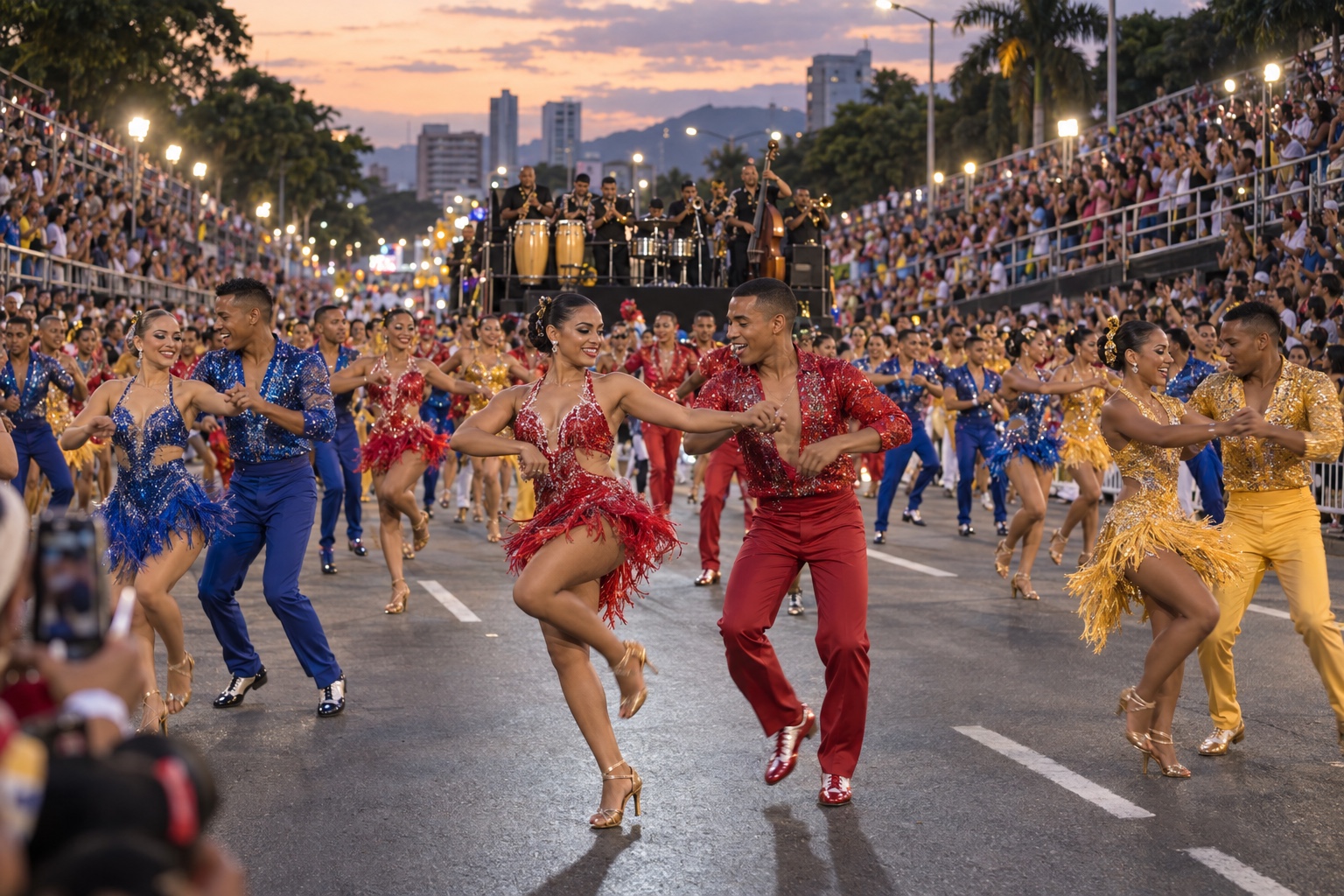
On the first evening, dancers enter the Salsódromo with the speed and precision of athletes, but Cali receives them like neighbors. Brass, percussion and shouted recognition move along the route while the audience identifies schools, styles and favorite performers.

Feria de Cali is a citywide declaration that salsa here is social knowledge, not imported entertainment. The fair unfolds after Christmas through parades, concerts, neighborhood events and the Encuentro de Melómanos y Coleccionistas. Its strength lies in range: spectacular choreography shares the calendar with record culture, old-city memory and public dancing. Travelers should resist reducing the week to one concert.

The practical challenge is distribution. Events occupy different districts, ticket systems and times, while heat and late nights accumulate. A strong visit chooses several defining forms, leaves transit margins and preserves energy for unplanned music. Cali teaches the festival through movement—onstage, in the street and between strangers who already know where the break will fall.

Why This Festival Is Special

Feria de Cali is special because a city’s expertise becomes celebration. The Salsódromo dazzles through speed, but the same musical intelligence appears in a collector discussing a rare pressing, a social dancer waiting for the right break and a neighborhood orchestra shaping a familiar arrangement.

The fair also gives memory several forms. Cali Viejo turns history into moving characters, classic cars carry family stories and old recordings draw new audiences. Nothing requires the past to remain quiet. It is danced, argued over and played loudly.

Visitors feel the difference between a destination using salsa as branding and a city living through salsa. In Cali, the audience participates with knowledge. That raises the standard for everyone, including the traveler. The week becomes transformative when one stops consuming performances and begins listening for the relationships that make them possible. Even silence between songs carries expectation because the crowd knows precisely what the orchestra may do next.

Festival Experience

What to Expect

Expect salsa everywhere, but not in one form. The Salsódromo emphasizes choreography, costumes and professional schools. Social dance nights value connection and improvisation. Melómanos events place recordings, orchestral history and collector knowledge at the center. Learning to distinguish these settings prevents the festival from becoming a blur of fast feet.

Crowds are celebratory and schedules run late. Formal start times may coexist with long arrivals, security checks and traffic. Eat before entering a major venue, carry water and avoid building consecutive commitments on opposite sides of the city.

Participation matters. You do not need expert steps, but basic salsa timing and respectful dance-floor behavior deepen the trip. Take a lesson before the fair or during a quiet afternoon. Watch how caleños make space, invite partners and respond to music. The fair feels most human when performance gives way to shared dancing and the visitor stops standing outside the rhythm.

Festival Highlights

  • Salsódromo – Professional schools launch the fair through choreography, costume and speed. Secure the correct viewing area, arrive early and watch entire groups so formation and musical interpretation remain visible.
  • Encuentro de Melómanos – Collectors and musicians turn salsa history into a public listening culture. Attend before the late peak, read the daily theme and ask informed questions about recordings.
  • Carnaval de Cali Viejo – Comparsas and characters narrate local memory through parade. Notice references to neighborhoods, occupations and personalities, then read the costumes as carriers of those stories.
  • Classic-Car Parade – Restored vehicles become family history on wheels. Choose a shaded position and appreciate owners’ stories along with polished machinery.
  • Social Salsa Night – Clubs and temporary stages reveal the dance as conversation. Take a lesson, ask partners courteously and keep the floor moving.
  • Live Orchestra – Salsa’s arrangement, brass and percussion gain force in concert. Stand where sound remains balanced and save enough energy to dance after the headline begins.
  • Community Fair – District and rural programming broadens the event beyond central spectacles. Attend with verified transport and let local hosts determine the pace.
  • Final Night – The closing phase combines fatigue with fierce attachment. Choose one trusted venue, avoid desperate cross-city movement and let the final set finish naturally.

Getting There & Around

Where It Happens

Feria de Cali is distributed across parade corridors, sports and cultural complexes, concert venues, neighborhood stages and public spaces. The Salsódromo occupies a controlled route built for large-scale viewing. The Encuentro de Melómanos y Coleccionistas traditionally creates a more stationary world of records, selectors, orchestras and serious listening.

Carnaval de Cali Viejo uses procession to tell the city’s history through characters, comparsas and memory. Classic cars produce another civic parade, while community programming extends beyond the most photographed venues. Each setting serves a different function; they should not be treated as interchangeable entertainment zones.

Official maps and daily programs are essential. Ticketed grandstands, free viewing, entrances and road closures can change. Group each day geographically and identify a meeting point outside the densest crowd. The fair becomes legible when its venues are understood as separate expressions of Cali: dance capital, listening city, neighborhood network and place of historical self-portrait.

Getting Around

Road closures and event traffic make Feria de Cali a district-by-district experience. Use official transport guidance, trusted taxis or established ride services, and allow generous time. A short map distance can become a long journey when parade routes divide the city.

Mass transit may help with selected corridors, but station crowding and late service require checking. Do not assume the final concert ends before the final practical connection. For major parades, travel to a designated approach point and walk the remaining distance.

Group events geographically. One parade, a nearby meal and one evening venue create a resilient day. Repeated north-south crossings create missed entrances and exhausted travelers. Agree on a fixed reunion point because mobile service can slow in dense crowds.

Walking is useful within San Antonio, central cultural areas and around individual venues, but nighttime routes should be chosen with local advice. Verify the pickup vehicle and avoid displaying phones at the curb. Movement should support the music, not become the trip’s dominant memory.

Visitor Guide

Festival Food & Drink

Cali’s food reflects Valle del Cauca, Pacific influence and tropical abundance. Festival nights reward a substantial late lunch, a light meal before dancing and steady hydration. Seek busy kitchens and established vendors, especially for seafood. Rich fried food is better after a parade than immediately before hours on a dance floor.

**Must Try**
• Cholado – Shaved ice, fruit, syrups and condensed milk, ideal during a hot afternoon.
• Lulada – A tart lulo drink with crushed fruit and ice.
• Pandebono – Warm cheese bread suited to breakfast or a quick route snack.
• Empanadas vallunas – Crisp corn pastries with meat and potato, served with ají.
• Sancocho de gallina – A restorative chicken stew often associated with communal meals.
• Aborrajado – Ripe plantain filled with cheese and fried for a sweet-savory bite.

Reserve one calm meal for Pacific seafood or regional cooking beyond festival stalls. Carry small cash but keep it secured. Moderate aguardiente and rum; heat, crowds and late dancing amplify alcohol quickly.

Budget & Costs

Cali offers lodging and food across broad price levels, but holiday demand and festival traffic raise the effective cost. Reserve accommodation early and prioritize a location that reduces rides. An inexpensive distant room can lose its advantage after several late cross-city transfers. Separate free public programming from reserved parade seating, major concerts and club cover charges. Decide which ticketed experience is essential, then build the remaining days around open events. Salsa lessons can be excellent value because they improve every later dance-floor encounter.

Budget for trusted transport after midnight and avoid relying on surge prices remaining low. Food is manageable when breakfasts, regional lunches and occasional street snacks replace repeated venue purchases. Keep contingency for rain, an altered pickup or an additional concert discovered locally.

The fair rewards selectivity. One good Salsódromo seat, several melómanos sessions and a few thoughtful nights can create a richer trip than buying access to every heavily advertised event.

Tips for First-Time Visitors

Learn basic salsa timing before arrival. One lesson will not make a visitor caleño, but it removes fear and improves respect on social floors. Watch first, ask before recording dancers and never treat local partners as a tourist attraction.

Buy official grandstand or concert access from authorized channels and screenshot confirmations. Carry identification, water, sun protection, rain cover and a portable battery. Wear shoes that can handle standing and dancing; new fashion footwear rarely survives the week comfortably.

Choose one headline event per day. The fair’s late rhythm punishes schedules designed like sightseeing checklists. Eat, rest and shower before the evening, and keep the next morning light. Ask hotel staff or trusted local contacts about current transport and neighborhood conditions.

Spend time at the melómanos gathering even if the Salsódromo drew you to Cali. Listening to collectors explain a record reveals the knowledge underneath the city’s celebrated speed.

Safety

Crowds, late transport, alcohol and phone theft are the main practical concerns. Keep valuables in closed front compartments and use the phone discreetly, especially at curbside pickup points. Share the evening route with a companion and verify driver and vehicle details.

Heat and dancing require water, food and rest. Pace alcohol and never accept an open drink from an unknown source. Hearing protection helps at concerts and near speaker stacks. Follow parade barriers; dancers, floats and support vehicles need clear movement.

Neighborhood conditions vary, and festival activity does not make every connecting street equally appropriate at night. Ask current local advice, use active routes and call transport from inside a venue where possible. If separated, meet at the agreed fixed landmark.

Rain can make parade surfaces and dance floors slippery. Wear stable shoes and follow official instructions. Confidence is useful in Cali, but visible awareness and a simple plan are what allow the city’s openness to remain enjoyable.

Cultural Significance

Feria de Cali grew into a major civic celebration in a city transformed by migration, industry and Caribbean music. Salsa became Cali’s language through listening, collecting, orchestras, dance schools, clubs and neighborhood practice. The fair does not create that identity for tourists; it makes a year-round culture publicly concentrated.

The Salsódromo demonstrates professional discipline, while the Encuentro de Melómanos preserves recordings, histories and debate. Cali Viejo places memory in procession, showing that the fair also asks who the city has been. Community events keep participation from belonging only to central venues.

For travelers, the important shift is from seeing salsa as genre to understanding it as social infrastructure. It organizes schools, friendships, businesses, archives and bodily knowledge. The city’s claim as a salsa capital is persuasive because the music is not confined to performers. Audiences know arrangements, dancers recognize breaks and families carry memories attached to specific songs.

Plan Your Journey

When to Go

The fair traditionally fills the final days of December, beginning on Christmas Day and ending before New Year’s Eve. Exact programming and access rules should be checked each year. The Salsódromo provides the clearest opening anchor, while later days bring the classic-car parade, Carnaval de Cali Viejo, melómanos sessions and major concerts.

Arrive before the opening event if it matters. Holiday flights and road travel can be unpredictable, and a same-day arrival leaves no margin for ticket collection or route orientation. Staying through several days reveals the fair’s range; one night captures energy but not the relationship between choreographed salsa and the city’s deeper listening culture.

Cali is warm, with strong daytime sun and possible rain. Schedule exposed parades for the official time, indoor rest during the hottest hours and dance nights after a real meal. Keep one evening flexible. The best recommendation often comes from a local conversation after the published itinerary was already considered complete.

Where to Stay

Granada, El Peñón and nearby western districts provide restaurants, hotels and relatively convenient access to cultural areas. They work well for first-time visitors who want comfort and evening dining, though major parade corridors and melómanos venues may still require substantial rides.

San Antonio offers character, hillside views and proximity to older Cali, with guesthouses and a strong neighborhood atmosphere. Select the exact block carefully and plan late returns. Southern districts can suit events near the Unidad Deportiva and offer modern lodging, but they create distance from some central and western nightlife.

Choose a base by the two events that matter most, not by a generic city-center label. Cali’s traffic expands dramatically during the fair, and crossing the city between hotel, parade and concert can consume the interval. Verify air-conditioning, reception hours and secure transport pickup. A quieter room becomes valuable after consecutive salsa nights. Book early, then map the nighttime return before committing to nonrefundable rates.

Bottom Line & Key Days

Bottom Line

Late in the fair, a record ends or an orchestra cuts the final note, and the crowd supplies the continuation through conversation, humming and steps carried into the street. Cali’s celebration does not end at the edge of a stage because its musical life never belonged only there.

Build the trip around that continuity. Watch the Salsódromo, spend serious time with melómanos, attend Cali Viejo and leave room for one social dance night chosen through local advice. Stay where the returns are manageable, eat before the late hours and resist crossing the city for every promising name.

The fair’s lasting lesson is that rhythm can hold history, aspiration and civic confidence at once. A visitor arrives expecting salsa as spectacle and leaves understanding it as a way people recognize one another. That shift is the reason to travel to Cali during its most demanding, generous week.

Key Days

• Opening Salsódromo – Dance schools establish the fair’s rhythm through a major controlled parade. Confirm seating and reach the entrance early.

• Second-Day Cultural Program – Smaller performances and city events offer a calmer introduction after opening intensity. Use the day to orient and rest.

• Classic-Car Parade – Restored vehicles and family stories create a different civic spectacle. Seek shade and remain behind barriers.

• Cali Viejo Day – Comparsas transform historical memory into procession. Learn key characters beforehand and watch complete groups.

• Melómanos Sessions – Daily listening themes, collectors and orchestras deepen salsa knowledge. Attend more than once if the program changes.

• Major Concert Night – Large audiences and late transport demand a single-zone plan. Eat first and arrange the return before entering.

• Closing Day – Final events carry fatigue and affection. Reduce the itinerary, choose one meaningful venue and allow the last music to finish without a rushed transfer.

Ready to Experience Feria de Cali?

You've explored what makes this festival special. Now it's time to plan your trip. Compare flights, book your hotel, arrange transportation, and take care of your travel essentials—all in one place.

✈ Find Flights

Loading booking widget...

Booking is completed on Expedia in a new tab.

🏨 Find Hotels

Search places to stay

Powered by Booking.com

Booking is completed on Booking.com in a new tab.

Rail & Bus Travel

Compare train and coach routes for the journey.

Compare Routes

Things to Do

Discover tours and attractions before or after the festival.

Explore Experiences

eSIM Mobile Data

Stay connected abroad without traditional roaming charges.

Get an Airalo eSIM

Travel bookings are provided by our trusted partners. We may earn a commission when you book through these links, at no additional cost to you.

Independent Editorial Standards

Every Follow the Festivals guide is independently researched and regularly reviewed using official festival information, destination resources, and trusted travel references. We also welcome verified updates from festival organizers, destination marketing organizations, tourism partners, and local experts to help keep our guides accurate, current, and useful for travelers.

Represent this festival or have a verified update to share? We'd love to hear from you through our contact page.