
Follow the Festivals

Hirosaki Cherry Blossom Festival

Hirosaki Cherry Blossom Festival

Hirosaki, Japan

2027-05-05 - 2027-05-05

The Story

Festival Overview

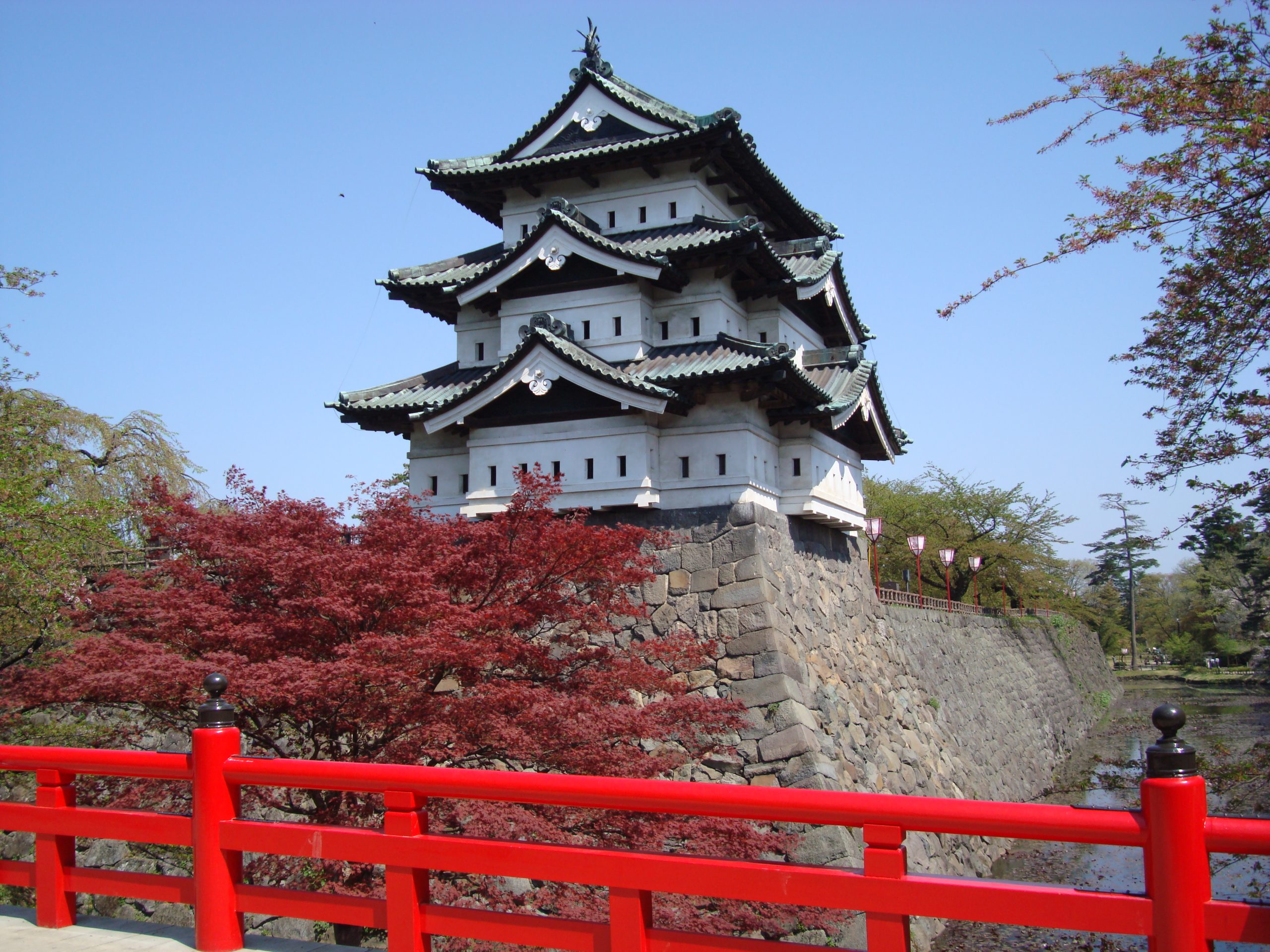
Hirosaki Park does not offer one cherry-blossom image. Branches arch over castle moats, a tunnel encloses the west bank, boats move beneath flowers, the keep rises above old fortifications, and fallen petals gather into pink rafts on the water.

The narrative is change observed closely. Bud, full bloom, falling petal, hanaikada, and later-blooming varieties each create a different festival, while the work of the park’s tree doctors makes apparent abundance a story of skilled care.

Why This Festival Is Special

Hirosaki’s blossoms are choreographed by fortification, water, northern climate, and expert tree care. Full bloom is only one movement in a sequence that becomes richer as petals fall.

The moat gives impermanence physical form. Flowers leave the branch, gather into currents, and continue shaping the landscape after their supposed peak.

Few blossom festivals make aftermath so central. Petals collecting on dark water do not merely signal an ending; they create a second landscape whose beauty depends on motion, weather, and the shape of the moat.

Festival Experience

What to Expect

Expect dense bloom-season crowds, food stalls, picnics, boats, illuminated trees, photographers, changing weather, and constant checking of the latest flowering stage. Popular bridges and keep viewpoints can queue.

Petal fall is not a failed visit. Hanaikada forms when wind and water gather blossoms into floating carpets, creating one of the park’s most distinctive late-stage scenes.

Tree care is visible in branch form and flowering density. Respect root zones, barriers, and the staff knowledge that keeps old trees vigorous.

Picnic culture adds a social layer to the landscape. Mats, shared food, family groups, and colleagues gathering beneath the canopy show hanami as an annual relationship, not simply visual consumption.

Rain and wind can reorganize the experience within an hour. Reflections sharpen, paths empty, petals begin to move, or boating pauses; flexible plans turn those changes into part of the story.

Festival Highlights

  • The west-moat cherry tunnel enclosing walkers beneath blossom
  • A rowboat moving through reflections and falling petals
  • Hanaikada turning the moat surface into a pink current
  • The castle keep framed by layered branches and stone walls
  • Night illumination revealing a second park after sunset
  • A tree-doctor interpretation that makes horticultural care visible

Getting There & Around

Where It Happens

Hirosaki Park occupies the former castle grounds, with moats, gates, bridges, the surviving keep, lawns, and thousands of cherry trees creating distinct viewing zones. The west moat supports the famous blossom tunnel and seasonal boats.

The park is large enough to disperse attention beyond the keep. Outer moat reflections, old pines, stone walls, and views toward Mount Iwaki add structure to the flowers and reveal the site as a historic landscape, not a single photograph.

Each gate changes the approach. Some routes disclose the keep quickly; others hold it behind moat water, old trees, and defensive walls. That variation is worth preserving in the day over racing between famous viewpoints.

Getting Around

Hirosaki is reached by rail through Aomori or Shin-Aomori, with buses and walking connecting the station to the park. Bloom traffic slows roads, making public transport preferable.

Inside, walk one loop by moat and gate sequence. Boats depend on wind and weather. Save the accommodation route offline and expect crowded buses after illumination.

Visitor Guide

Festival Food & Drink

Aomori food ties blossom season to apples, mountain vegetables, seafood, miso, rice, and warming local dishes. Festival stalls provide pleasure, but the region’s agricultural identity extends far beyond pink sweets.

Eat before peak evening illumination, carry cash where useful, and keep picnic waste controlled. Choose one park snack and one proper local meal, asking how apples or regional ingredients enter the dish.

#### Must Try

• **Hirosaki apple pie:** Local apples and the city’s strong pastry culture turn orchard fruit into a comparative tasting tradition.

• **Kuroishi tsuyu yakisoba:** Fried noodles finished in broth offer an Aomori comfort dish suited to cool spring weather.

• **Kaiyaki miso:** Miso, egg, and seafood cooked in a scallop shell connect the meal to Tsugaru coastal foodways.

• **Senbei-jiru:** Crackers softened in savory soup provide a warming northern Tohoku specialty.

• **Local sake:** Rice and regional brewing create a measured evening drink best enjoyed after boating and long walks.

Budget & Costs

Budget: Stay near transit, use public park access, eat simple regional food, and walk the main circuits.

Mid-Range: Add local lodging, a boat ride, evening dining, and two days of viewing.

Higher Spend: Private horticultural interpretation and flexible transport improve understanding; money cannot guarantee bloom or weather.

Tips for First-Time Visitors

Choose a bloom phase, then embrace what the trees actually provide. A full-bloom checklist can obscure the beauty of falling petals, reflections, and later cultivars.

Enter early, return after dark, and explore beyond the keep. Do not shake branches, step onto roots, block bridges, or fly unauthorized drones.

A slow circuit also reveals species and timing differences. Read park interpretation where available, notice pruning and supports, and compare trees beside the inner and outer moats.

Safety

Cold rain, wind, crowded bridges, boat activity, uneven paths, and slippery petals require care. Wear secure waterproof shoes and follow boating instructions.

Protect trees and moat edges, supervise children, and keep valuables close. Never stand in roads for a photograph.

Cultural Significance

Hanami makes seasonal change a shared social practice, and Hirosaki gives that practice unusual horticultural and historical scale. Former castle defenses become paths and water surfaces through which bloom is watched collectively.

The trees’ celebrated density depends on local expertise, including pruning approaches informed by the region’s apple-growing knowledge. Beauty here is cultivated stewardship, not effortless nature.

The castle grounds add another historical register. Gates, walls, and water once organized authority and defense; during the festival they organize public movement, leisure, and seasonal attention.

Plan Your Journey

When to Go

Bloom timing shifts with spring weather, so calendar dates alone cannot guarantee the desired scene. Follow official flowering reports and decide whether the priority is full canopy, falling petals, moat carpets, or later varieties.

Morning gives quieter paths and clear reflections; evening illumination transforms the same trees through darkness and water. Stay at least one night so weather and bloom stage do not rest on a single rushed visit.

Where to Stay

Central Hirosaki near the station offers transport and restaurants, while lodging closer to the park shortens dawn and night visits. Traditional inns add atmosphere but should be chosen for hospitality and access, not decorative claims of authenticity.

Rooms tighten during bloom and Golden Week. Reserve early, verify late transport, and consider Aomori only if local accommodation is unavailable; the return can dilute the value of early and illuminated viewing.

Bottom Line & Key Days

Bottom Line

Hirosaki rewards attention to the entire life of blossom, not one perfect date.

Follow the official bloom reports, return at night, and let moat, petal, and horticultural care carry the experience beyond the castle photograph.

Key Days

Early bloom — First trees and buds reveal variation across the park.

Full bloom — Canopy, tunnel, and keep views reach maximum density.

Petal-fall period — Hanaikada and drifting blossom transform the moats.

Late varieties — Double-flowered trees extend the season beyond the principal peak.

Ready to Experience Hirosaki Cherry Blossom Festival?

You've explored what makes this festival special. Now it's time to plan your trip. Compare flights, book your hotel, arrange transportation, and take care of your travel essentials—all in one place.

✈ Find Flights

Loading booking widget...

Booking is completed on Expedia in a new tab.

🏨 Find Hotels

Search places to stay

Powered by Booking.com

Booking is completed on Booking.com in a new tab.

Rail & Bus Travel

Compare train and coach routes for the journey.

Compare Routes

Things to Do

Discover tours and attractions before or after the festival.

Explore Experiences

eSIM Mobile Data

Stay connected abroad without traditional roaming charges.

Get an Airalo eSIM

Travel bookings are provided by our trusted partners. We may earn a commission when you book through these links, at no additional cost to you.

Independent Editorial Standards

Every Follow the Festivals guide is independently researched and regularly reviewed using official festival information, destination resources, and trusted travel references. We also welcome verified updates from festival organizers, destination marketing organizations, tourism partners, and local experts to help keep our guides accurate, current, and useful for travelers.

Represent this festival or have a verified update to share? We'd love to hear from you through our contact page.

Photo Credits