
Follow the Festivals

Melbourne International Comedy Festival

Melbourne International Comedy Festival

Melbourne, Australia

2027-03-24 - 2027-04-18

The Story

Festival Overview

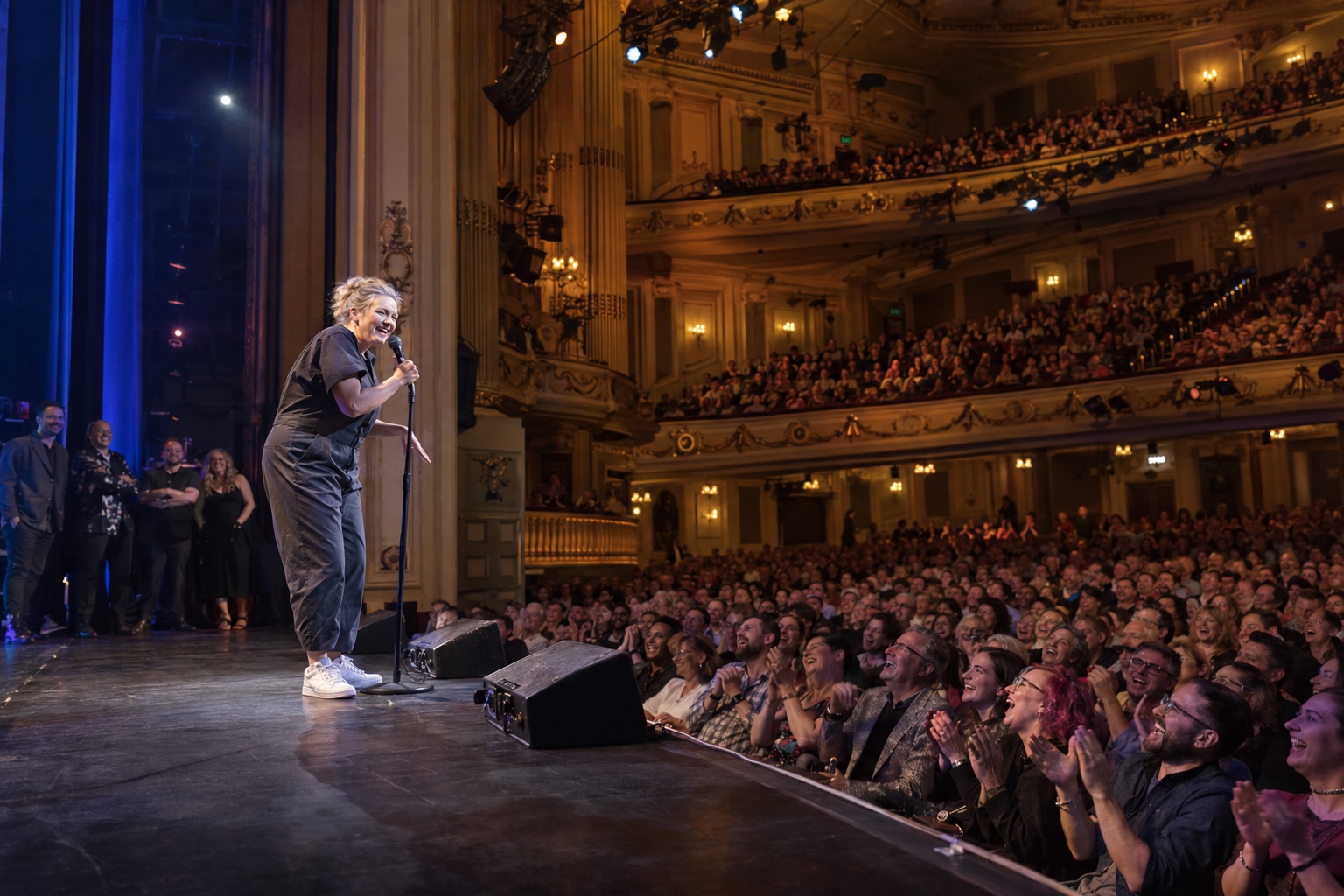
For several weeks, Melbourne becomes a city of small doors and competing start times. Comedians occupy grand theatres, upstairs rooms, hotel function spaces and temporary stages, asking audiences to cross the central grid for an hour of concentrated attention. The festival’s scale is enormous, but its essential unit remains intimate: one performer, one room and a crowd deciding together whether an idea lands.

Major international acts provide recognizable anchors, while local stand-up, cabaret, sketch, musical comedy and experimental work create the festival’s real range. A polished gala and an unknown artist in a narrow room belong to the same nightly ecosystem.

The traveler’s challenge is selection, not access. A strong visit balances one trusted name with discoveries, protects transfer time and accepts that some shows will divide opinion. Melbourne supplies late food, trams and a culture comfortable with argument after the curtain. The festival works best when laughter becomes a way of reading the city’s confidence, contradictions and appetite for live performance.

Why This Festival Is Special

The festival is special because it exposes the exact moment when private writing becomes public consequence. A comedian may have tested an idea for months, yet the room decides its life in seconds. That vulnerability remains visible even inside a polished theatre.

Melbourne gives the process scale without removing intimacy. Thousands of performances occur across the city, but each audience still forms a temporary community around one voice. People leave, compare notes and send others toward work that surprised them.

The variety of rooms matters. A grand stage can amplify mastery; a cramped upstairs venue can make uncertainty electric. Neither experience fully explains the festival alone. Their coexistence creates its character.

Most importantly, comedy changes how the destination is interpreted. Local performers turn transport, weather, politics and social habits into material, while visitors test their own assumptions through laughter or silence. The city becomes both setting and subject. By the end, a tram delay or sudden rain may feel like a callback everyone in Melbourne already understands.

Festival Experience

What to Expect

Comedy rooms vary from formal seated theatres to improvised spaces with tight rows, low ceilings and minimal foyer facilities. Some offer allocated seats; others fill by arrival order. Sightlines, ventilation and bathroom access change dramatically. Read venue notes and arrive early when comfort or accessibility is important.

Material may be political, personal, explicit or deliberately uncomfortable. Program descriptions and content guidance help, but live comedy depends on surprise. Audience participation is possible, especially near the stage. A front-row seat can become part of the show.

Performances often run close to an hour with no interval. Doors may close once the act begins, and phones should remain silent and out of sight. Recording damages both the artist’s work and the shared room. Drinks may be allowed in some venues, yet constant movement disrupts timing.

Expect unevenness across a multi-show trip. A developing work can contain brilliant sections beside rough edges. That risk is not a defect in the festival; it is how new comedy reaches a live audience. The most satisfying itinerary includes enough curiosity to let one unexpected artist become the trip’s defining discovery.

Festival Highlights

  • Opening Gala – A fast sequence of performers introduces the festival’s range and creates a useful shortlist. Treat it as discovery, then book full shows by acts whose voice survives the compressed format.
  • Town Hall Hub – Multiple rooms, busy foyers and central energy make this the easiest place to understand the festival’s scale. Arrive early and verify the exact room before joining a queue.
  • Headline Stand-Up – An established comic can anchor the trip with a fully developed hour. Buy through official channels and protect enough pre-show time to enter without stress.
  • Small-Room Discovery – Unknown performers often create the festival’s most personal encounters. Read the premise, accept artistic risk and give the room attentive energy from the first minute.
  • Sketch and Ensemble Comedy – Group timing, character work and staging offer a different rhythm from solo stand-up. Choose one ensemble show to prevent the itinerary from narrowing into repeated monologues.
  • Cabaret or Musical Comedy – Songs, costumes and theatrical structure stretch the definition of a comedy set. Check running time and venue style because production needs can reshape the room.
  • Late Show – Mixed bills and improvised formats capture the festival’s after-hours culture. Attend on a night without an early morning and keep transport home settled before the show begins.
  • Award-Winning Return – Buzz and recognition can bring added performances near the end. Secure a seat quickly, but retain one open slot so a genuine recommendation can enter the itinerary.

Getting There & Around

Where It Happens

Melbourne Town Hall functions as a symbolic center, surrounded by theatres, bars and converted rooms across the central grid. Large venues host headline performers and gala events, while smaller spaces place audiences close enough to hear every pause. The Comedy Theatre, Arts Centre precinct and numerous independent rooms expand the geography beyond one hub.

Carlton, Fitzroy, Collingwood, North Melbourne and Southbank contribute distinct venue clusters. A location described by a pub or hotel name may hide an upstairs room with a separate entrance. Several shows can share one building, so the correct room and level matter.

Treat each venue as a precise destination. Save the street address, entrance instruction and accessibility note. Allow time for stairs, foyer queues and ticket collection. Late seating is often impossible in comedy because interruption changes the room.

The city between venues is part of the experience, but not every transfer deserves improvisation. Pair shows within one district when possible, and cross the river or inner suburbs only with a generous gap. Melbourne’s grid looks simple until rain, construction and crowded trams turn a short distance into a missed opening line.

Getting Around

Central Melbourne rewards walking, supported by trams that connect the grid and nearby districts. The free tram zone can help between central venues, but crowding and short waits still matter when a show begins at a fixed minute. Use public transport for the broad move, then walk the final blocks with the entrance already identified.

Tram routes to Carlton, Fitzroy and other inner areas remain useful after dark, though service frequency changes later in the evening. Check the return before booking a final show. Trains serve larger movements but may require additional walking through stations or the central grid.

Rideshare and taxis can rescue a long transfer, yet event traffic and pickup confusion often erase the apparent advantage. Meet on a clear side street and verify the vehicle. Driving is rarely ideal for a multi-show central night because parking rules, cost and alcohol create unnecessary pressure.

Schedule at least a comfortable hour between venues in different districts. A short same-building change can be tighter. The best festival route moves in one direction across the city and ends near lodging or reliable night transport.

Visitor Guide

Festival Food & Drink

Comedy scheduling turns dinner into logistics. A fast bowl, shared plates or early reservation near the first venue works better than crossing the city for a famous table. Tell staff about the curtain, order promptly and keep the bill settled before urgency takes over. After the final show, Melbourne’s late dining supports conversation without threatening punctuality.

**Must Try**
• Flat white – Melbourne’s coffee culture provides a measured start after a late festival night.
• Dumplings – Fast, shareable and widely available near central venues.
• Greek souvlaki – A filling handheld meal tied to the city’s strong Greek food culture.
• Vietnamese pho – Warm, restorative and practical in cooler autumn weather.
• Market deli food – Sandwiches, pastries and picnic provisions suit a daytime program.
• Australian wine – Regional bottles offer a destination connection on an evening with fewer shows.

Avoid drinking heavily before comedy. Attention, timing and audience behavior matter, and intoxication makes heckling or repeated exits more likely. Carry water, eat consistently and save the longer bar conversation for after the artist has finished working.

Budget & Costs

Ticket prices range from emerging-artist rooms to premium headline seats and gala events. A thoughtful budget mixes categories. One expensive anchor, several mid-range choices and a low-cost discovery can create greater range than repeated top-price bookings. Booking fees accumulate, so compare the final total and purchase through official channels.

Accommodation in central Melbourne can become the largest cost. A room within walking distance of repeated venues may reduce late rideshare spending and protect energy. Inner-neighborhood stays can offer value when tram access remains reliable.

Set separate allowances for tickets, meals, transport and spontaneous additions. Daytime free activity, markets and city walks provide balance without diluting the festival. Rush offers or added performances may improve access, but they should not force a weak choice.

The most common waste is overbooking. Missed shows and exhausted attention cost more than an empty hour. Buy enough comedy to remain curious. Keep contingency for the performer everyone begins recommending after arrival, and remember that a modest room can deliver the strongest value of the entire trip.

Tips for First-Time Visitors

Build the program in layers. Book one or two essential performers, then add a different form and a discovery. Read descriptions for the comic’s premise and voice, not only star ratings. Reviews can guide choices, but comedy taste is personal and a divisive show may be exactly the one worth seeing.

Check the venue line on every ticket. Similar room names and several stages inside one building create frequent mistakes. Download tickets, carry a charged phone and arrive before doors open when seating is unallocated.

Do not heckle. A performer may invite response, but unsolicited interruption changes the experience for everyone. Keep phones away, avoid explaining jokes during the set and leave only when necessary.

Wear layers and comfortable shoes. Melbourne weather and repeated staircases make both useful. Eat before the busiest evening sequence and know the route home.

Preserve one open slot. Recommendations arrive from audiences, artists and foyer conversations after the festival is underway. A fully locked itinerary can prevent the spontaneous choice that makes the trip feel human.

Safety

The central festival areas are busy, well traveled and generally straightforward, but late-night city habits still matter. Keep valuables secured in crowded foyers, trams and queues. Use lit streets, official transport and a clear hotel route after the final show. Verify rideshare vehicles before entering.

Autumn rain can make tram tracks, painted crossings and venue stairs slippery. Wear stable shoes and avoid rushing through traffic for a curtain. A missed opening is disappointing; a road injury is far worse.

Alcohol is common around comedy venues. Set limits, watch drinks and intervene when a companion’s judgment changes. Heckling, harassment and unwanted audience interaction should be reported to staff. Performers and front-of-house teams are working, and respectful behavior is a safety condition.

Know the exit in basement or upstairs rooms and follow staff instructions during any evacuation. Contact venues early for accessibility support. After late shows, groups should share their route and agree on a meeting point if separated. A realistic schedule, regular food and enough sleep prevent fatigue from turning simple city navigation into risk.

Cultural Significance

Melbourne International Comedy Festival gives live comedy civic scale. The form usually depends on small rooms and personal risk, yet the festival places it across major institutions, temporary venues and neighborhood stages. That breadth allows established artists, emerging voices and different performance traditions to share one public calendar.

Australian comedy develops through this environment. New material meets demanding audiences, industry attention and peer conversation. Programs supporting emerging performers, young people and First Nations voices expand who can define the national comic perspective.

International participation matters because humor does not travel automatically. Language, politics and social reference shift meaning. When a performer adapts without erasing their voice, audiences experience cultural translation in real time.

The festival also reflects Melbourne’s identity as a city that values theatres, pubs, late food and public debate within walking distance. Laughter becomes more than entertainment; it tests what a community recognizes, tolerates and questions. Cultural significance lies in that shared vulnerability. A city invites thousands of people to enter rooms where ideas succeed or fail immediately, in public, through human response.

Plan Your Journey

When to Go

The festival fills early autumn, when Melbourne can move from warm afternoon to cold rain within one evening. Opening weeks carry premieres and fresh energy. The middle of the run offers the broadest rhythm, with performers settled into their material and reviews helping audiences navigate. Closing days add awards attention, final performances and strong demand for shows that have gathered momentum.

A long weekend can support several excellent choices if venues are clustered. A full week allows matinees, neighborhood time and recovery from late nights. Arrive before the first booked show so transport, ticketing and the central venue pattern are already familiar.

Weeknights often provide easier seats and calmer foyers. Friday and Saturday deliver the strongest citywide buzz but also the greatest collision of dining queues, traffic and tight transfers. Weather belongs in the plan: carry a compact waterproof layer and never assume a mild afternoon predicts the walk home. Confirm every performance through the official program because artists add shows, move rooms or take scheduled nights off.

Where to Stay

The central business district is the most efficient base for dense festival attendance. Melbourne Town Hall, major theatres and many smaller rooms sit within walking or tram range. The convenience is substantial after a late show, although street noise and weekend activity can interrupt sleep. Choose a hotel by the route from likely venues, not only by shopping landmarks.

Carlton offers restaurants, terrace streets and access to northern venues while remaining close to the center. Fitzroy and Collingwood suit travelers who want bars, independent culture and neighborhood comedy, though returning from a distant central show may require a late tram or rideshare. Southbank works for large theatres and river access but can feel removed from the smaller-room festival circuit.

Check reception hours, soundproofing and the exact night transport nearby. A room with laundry or drying space helps when weather shifts. Festival value comes from reducing friction: if the hotel allows a short reset between an afternoon show and evening run, it may justify a higher rate. Stay where repeated nights end, then travel outward for the occasional venue.

Bottom Line & Key Days

Bottom Line

A great festival night ends with several audiences spilling onto the same Melbourne street, each carrying a completely different hour. One group is repeating a line, another is arguing about a risk that failed, and someone is already booking the performer they discovered by accident. The city collects those responses without requiring agreement.

Plan for that plurality. Choose anchor acts, vary the forms, cluster venues and protect enough time to arrive calmly. Keep one opening for a recommendation. Eat before the rush, wear layers and treat every room with attention.

The Melbourne International Comedy Festival should not feel like a checklist of famous names. Its deeper value comes from watching artists test language against a live city. Some work arrives finished; some becomes visible while still forming. Both deserve an audience willing to listen before judging.

Leave with more than the memory of the loudest laugh. Notice which observation followed you onto the tram or changed how you read Melbourne the next morning. That lingering thought is where a comedy trip becomes genuine cultural travel.

Key Days

• Program Release – Identify essential performers, distinct genres and venue clusters. Build a shortlist before demand rises, but leave room for discoveries and added performances.

• Booking Window – Purchase anchor shows through official channels and verify the exact room, age guidance and access. Avoid filling every evening before the festival begins.

• Arrival Day – Test tram routes, locate the central hub and keep the first booking simple. A calm opening protects punctuality for the rest of the trip.

• First Full Evening – Combine two compatible shows in one district with a real meal break. Learn how queues, seating and room changes affect timing.

• Discovery Night – Choose an emerging performer, ensemble or experimental form based on premise and voice. Enter without demanding the certainty of a headline act.

• Peak Weekend – Expect sold-out rooms, crowded dining and busy transport. Cluster bookings, arrive early and preserve attention for the final set.

• Closing Choice – See an award winner, return performance or personal favorite, then leave the post-show hour open. Let conversation complete the festival before departure.

Ready to Experience Melbourne International Comedy Festival?

You've explored what makes this festival special. Now it's time to plan your trip. Compare flights, book your hotel, arrange transportation, and take care of your travel essentials—all in one place.

✈ Find Flights

Loading booking widget...

Booking is completed on Expedia in a new tab.

🏨 Find Hotels

Search places to stay

Powered by Booking.com

Booking is completed on Booking.com in a new tab.

Rail & Bus Travel

Compare train and coach routes for the journey.

Compare Routes

Things to Do

Discover tours and attractions before or after the festival.

Explore Experiences

eSIM Mobile Data

Stay connected abroad without traditional roaming charges.

Get an Airalo eSIM

Travel bookings are provided by our trusted partners. We may earn a commission when you book through these links, at no additional cost to you.

Independent Editorial Standards

Every Follow the Festivals guide is independently researched and regularly reviewed using official festival information, destination resources, and trusted travel references. We also welcome verified updates from festival organizers, destination marketing organizations, tourism partners, and local experts to help keep our guides accurate, current, and useful for travelers.

Represent this festival or have a verified update to share? We'd love to hear from you through our contact page.